Key Takeaways
-
Attachments should only be removed by an orthodontist or dentist in the office; attempting to scrape, file, or pry them off at home can scratch enamel and leave rough spots that trap plaque.
-
Removal should wait until your orthodontist confirms tooth movement is complete, since removing attachments too early can leave teeth out of their intended position.
-
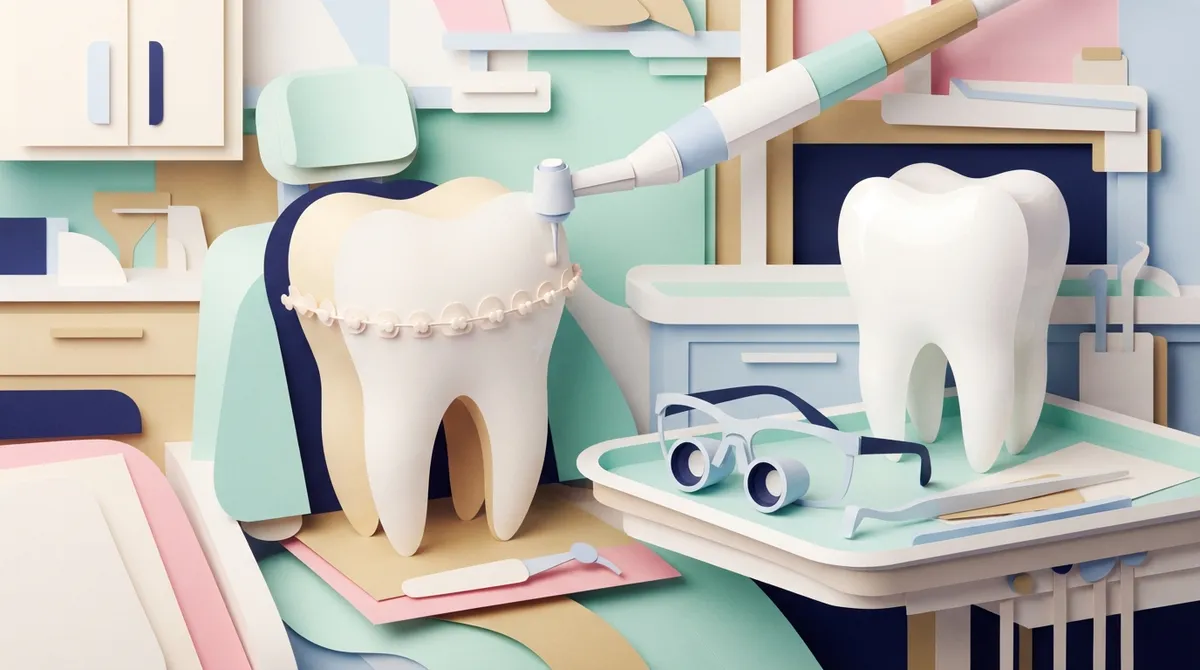
Removal typically involves bulk removal with a finishing bur, careful cleanup of leftover resin, then smoothing and polishing of the enamel, followed by inspection of each tooth.
-
Lab studies show removal can leave composite remnants on teeth and slightly increase enamel roughness, so ask whether your clinician uses magnification like dental loupes and insists on a thorough polish.
-
Removal is usually painless and quick, but tell your orthodontist about any tooth sensitivity or anxiety beforehand so they can plan comfort measures.
-
Retainers are essential after attachment removal because teeth can drift, so follow your orthodontist's retainer schedule closely to protect your results.
You did it. After months of wearing your trays, your teeth are finally where they should be. Now you’re looking in the mirror at those little tooth-colored bumps and wondering, “How do these come off?” It’s a great question, and the answer is simpler than you might think.
Knowing how attachments are removed after aligner treatment helps you feel calm and ready for the big day. It also helps you avoid a few common mistakes that can hurt your teeth or your results. Some patients try to pick at the bumps at home. Others skip the follow-up steps that keep their new smile in place.
In this friendly guide, we’ll walk through what attachments are, how the removal visit works, and nine mistakes to steer clear of. Whether you’re a parent helping a teen, a busy professional, or someone returning for a second round of treatment, you’ll know exactly what to expect.
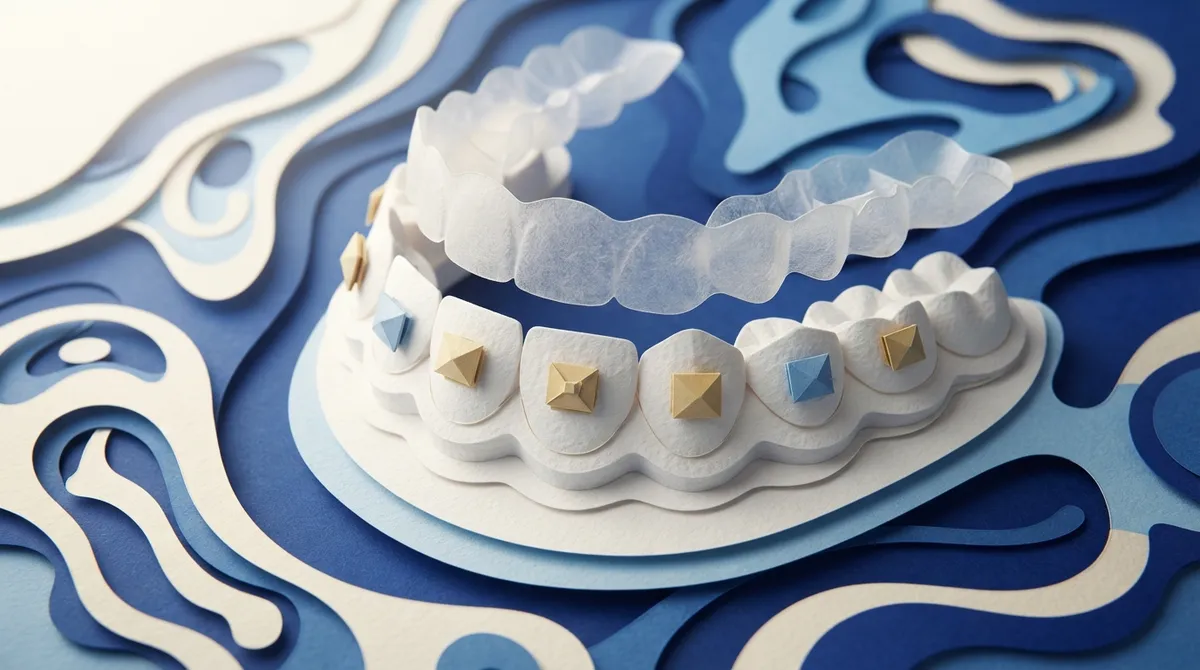
What Are Aligner Attachments, Anyway?
Attachments are small shapes made of tooth-colored composite resin. Your orthodontist bonds them to certain teeth at the start of treatment. They give your aligners something to grip, so the trays can push and turn teeth in precise ways.
Think of them like tiny handles. Without them, some movements, like rotating a round tooth, would be much harder. Most people barely notice them because they match the tooth color.
The good news? They’re only temporary. Once your teeth reach their goal, the attachments have done their job and can come off in a quick office visit. If you want a deeper look at how they work, check out our guide on clear aligner attachments.
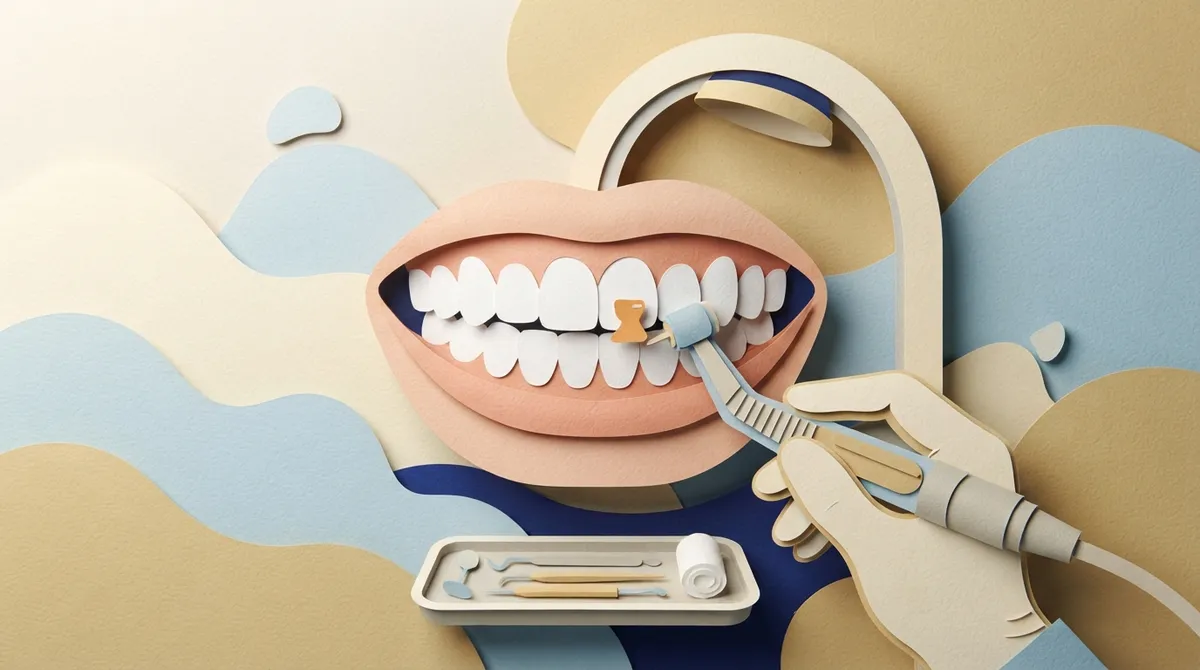
How Attachments Are Removed After Aligner Treatment
Here’s the part you’ve been waiting for. Removal is done in the office by your orthodontist or dentist. It’s generally a brief, non-invasive visit, and most patients say it feels easier than they expected.
Here is the typical process, step by step:
- Final check. Your orthodontist confirms that tooth movement is complete and talks through the next steps.
- Bulk removal. Using a dental instrument, often a finishing bur, they gently remove most of each attachment.
- Careful cleanup. Any leftover resin is removed slowly so the tooth surface stays protected.
- Smoothing and polishing. The enamel is finished and polished until it feels smooth again.
- Inspection. Your orthodontist looks over each tooth to make sure no resin is left behind.
- Retainer planning. Depending on your plan, your teeth may be scanned afterward so your retainers fit perfectly.
The exact tools and order can vary from one clinician to another. That’s normal. What matters is a careful, patient technique.
Does Attachment Removal Hurt?
For most people, no. The procedure is usually not painful. You may feel some vibration, light pressure, or mild sensitivity, especially if your teeth are naturally sensitive.
If you tend to feel nervous at the dental chair, just say so. Your care team can suggest comfort measures to help you relax. Teens often find it surprisingly easy, and parents can breathe a sigh of relief too.
It’s also pretty quick. Many patients are in and out in a short visit, though the time depends on how many attachments you have and your treatment plan.
Why Technique Matters So Much
The goal is simple: take off the resin while protecting your natural enamel. That sounds easy, but it takes skill. Lab research shows that removal can change the texture of enamel or leave tiny bits of resin behind.
Here’s what studies have found:
| Research Finding | What It Means for You |
|---|---|
| A 2024 lab study found composite remnants on 34.4% of teeth | Careful inspection after removal is important |
| Remnants were less frequent when dental loupes (magnifiers) were used | Ask if your clinician uses magnification |
| Mean enamel loss was 22.7 micrometers, ranging from 0 to 132 | Technique and a light touch make a real difference |
| A 2021 study found all tested methods increased enamel roughness; a multi-fluted tungsten-carbide bur had the least adverse effects | The right tool and good polishing matter |
A quick note: these were experimental studies, often done on extracted teeth. They don’t predict exactly what will happen in your mouth. They simply show why a skilled professional, careful finishing, and a good polish are so valuable.
9 Attachment Removal Mistakes to Avoid
Ready for the list? Avoid these nine mistakes, and your removal day will go smoothly.
1. Trying to Remove Attachments at Home
This is the big one. Please don’t scrape, file, pick, or pry at your attachments. Teeth are not made for DIY projects. You could scratch or damage your enamel, and you might leave rough spots that trap plaque.
It’s tempting when you’re excited to be done. But a short office visit is the safe way to finish. If you’re ever tempted by shortcuts, our comparison of DIY smile fixes vs. finding an orthodontist is worth a read.
2. Booking Removal Before Your Teeth Finish Moving
Removing attachments too early means your teeth may not be fully in place. Your orthodontist will check that movement is complete first. Trust that timing. If you’re also wondering about extra trays, see why refinement aligners are sometimes needed.
3. Skipping Questions About the Process
Not sure what will happen? Ask! Your team wants you to feel informed. Good questions include which tools they use, how long it takes, and whether you’ll need a scan afterward.
4. Ignoring Tooth Sensitivity Beforehand
If your teeth are sensitive, tell your orthodontist before the visit. They can plan comfort steps so you stay relaxed. Don’t tough it out in silence.
5. Skipping the Polish
Removing the bumps is only part of the job. Smoothing and polishing the enamel is what leaves your teeth feeling sleek again. If something feels rough afterward, speak up and ask for a touch-up.
6. Not Checking for Leftover Resin
Tiny remnants can be hard to see. They can feel slightly bumpy and may collect plaque. Run your tongue over your teeth after the visit. If anything feels off, let your orthodontist know right away.
7. Forgetting About Your Retainers
This mistake costs patients their results. Teeth can drift after treatment, so retainers are essential. The exact schedule depends on your orthodontist’s plan, so follow it closely. Learn more in our guide to why you still need retainers after Invisalign.
8. Letting Old Habits Creep Back In
Once the attachments are gone, it’s easy to relax your routine. Keep brushing and flossing well. Healthy gums and clean enamel help your smile stay bright and strong.
9. Waiting Too Long to Call About a Problem
If an attachment falls off before treatment is done, don’t ignore it. Let your orthodontist know so they can decide whether it needs to be replaced. A missing attachment can slow your progress. And if your retainer ever stops fitting well, here’s why you shouldn’t force an ill-fitting retainer.
What Happens After Your Attachments Come Off?
Once the bumps are gone, your teeth will feel smooth again, and your smile will look clean and natural. Then comes the most important phase: keeping your results.
Here’s what most patients can expect:
- A retainer plan. Your orthodontist will explain when and how long to wear your retainers.
- A possible scan. Some patients are scanned after removal so retainers fit precisely.
- Simple care habits. Brush, floss, and keep regular dental checkups.
- Follow-up visits. These help your orthodontist confirm that everything is staying put.
Curious about the different options? Our guide to the retainer options that fit you best can help you plan ahead. You can also learn how to care for your dental retainer the right way so it lasts.
Tips for a Smooth Removal Day
A little preparation goes a long way. Try these friendly tips:
- Brush and floss before your appointment so your teeth are clean.
- Bring your current aligners, in case your orthodontist asks to see them.
- Wear comfortable clothes and arrive a few minutes early.
- Tell your team about any sensitivity or anxiety.
- Ask what to expect for retainers before you leave.
Parents, this applies to teens too. A calm, prepared teen is a happy patient. And if you’re comparing treatment styles, you might enjoy our look at braces vs. clear aligners in Clearwater.
Who Should Handle Your Attachment Removal?
Always choose a trained professional. Removal is quick, but it takes care and a steady hand. At Brockway Orthodontics, Dr. Brockway takes the time to explain each step so you feel comfortable from start to finish. We use modern technology, including digital scans, to make your care precise and as comfortable as possible.
We also love helping the whole family. Teens finishing their first round, adults wrapping up a discreet treatment, and patients coming back after relapse all get the same warm, personal attention. Want to see what our patients say? Visit us on Google — Brockway Orthodontics and read the reviews from our Clearwater community.
For general oral health guidance, the American Dental Association is a trusted resource, and the Florida Association of Orthodontists offers helpful information on finding qualified care in our state.
Ready for Your Finish Line?
Attachment removal is one of the happiest moments in aligner treatment. It’s quick, usually comfortable, and it brings you one step closer to showing off your new smile. Just remember to leave the removal to the professionals, ask plenty of questions, and take your retainers seriously.
Avoid the nine mistakes above, and you’ll protect both your enamel and your results. Your smile took months of hard work, so let’s keep it looking great for years.
Ready to start, finish, or fine-tune your treatment? Book your appointment online and let Dr. Brockway guide you through every step. Have questions first? Feel free to contact us. We’d love to help.
FAQs
Q: Does removing clear aligner attachments hurt?
A: For most people, it doesn’t hurt at all! You might feel a little vibration, pressure, or mild sensitivity, but it’s usually very comfortable. If you’re nervous or have sensitive teeth, just tell your orthodontist and they can help you stay relaxed.
Q: Can I remove aligner attachments at home?
A: Please don’t! Scraping or filing attachments yourself can scratch your enamel and leave rough spots. A quick office visit is the safe way to do it, and your orthodontist can smooth and polish your teeth afterward.
Q: Can attachment removal damage tooth enamel?
A: Lab studies show removal can slightly change enamel texture or leave small bits of resin, which is why careful technique, finishing, and polishing matter so much. A skilled orthodontist works to protect your enamel and checks each tooth when finished.
Q: What happens after the attachments come off?
A: Your teeth will feel smooth again, and you’ll move into the retainer phase. Your orthodontist may scan your teeth to make retainers and will explain how long to wear them. Following that plan is the best way to keep your new smile in place.
Q: What should I do if an attachment falls off early?
A: Give your orthodontist a call so they can decide whether it needs to be replaced. A missing attachment can slow your progress, so it’s best not to wait. Keep wearing your aligners as directed until you hear back.
Our Service Area