Key Takeaways
-
Braces are recommended when tooth or jaw alignment affects your bite, chewing, tooth position, or ability to clean teeth, not just for a prettier smile.
-
The age 7 orthodontic visit is a screening milestone, not a signal that braces should start; many children leave with a monitor-only plan.
-
Early check-ups and braces are different steps: a child can be evaluated early while full braces are often started after most permanent teeth have erupted.
-
Warning signs like trouble chewing, cheek biting, a jaw that shifts when biting, or unusual baby tooth loss mean it's time for an evaluation, not automatic treatment.
-
Common bite problems that may prompt braces include crowding, overbite, underbite, crossbite, deep bite, and open bite, each requiring a different treatment approach.
-
Braces are not the only option: depending on the case, an orthodontist may recommend monitoring, early limited appliances, clear aligners, or comprehensive treatment, and adults can get treated too.
Picture this. You notice your child’s teeth overlapping, or you catch yourself hiding your smile in photos. A little voice asks, “Do I really need braces?” So you search online, ask a friend, or just wait and hope for the best. That is where most families go wrong.
Knowing when might an orthodontist recommend braces is not about guessing from the mirror. It comes down to how your teeth and jaws work together. In 2026, families have more clear information than ever, but a few common mistakes still cause delays and confusion.
At Brockway Orthodontics in Clearwater, Florida, we see these mistakes often, and we never judge anyone for them. They are easy to make. In this guide, you will learn four of the biggest ones, plus the real signs an orthodontist looks for. Let’s clear things up together, in plain and friendly terms.
Mistake 1: Thinking Braces Are Only About Looks
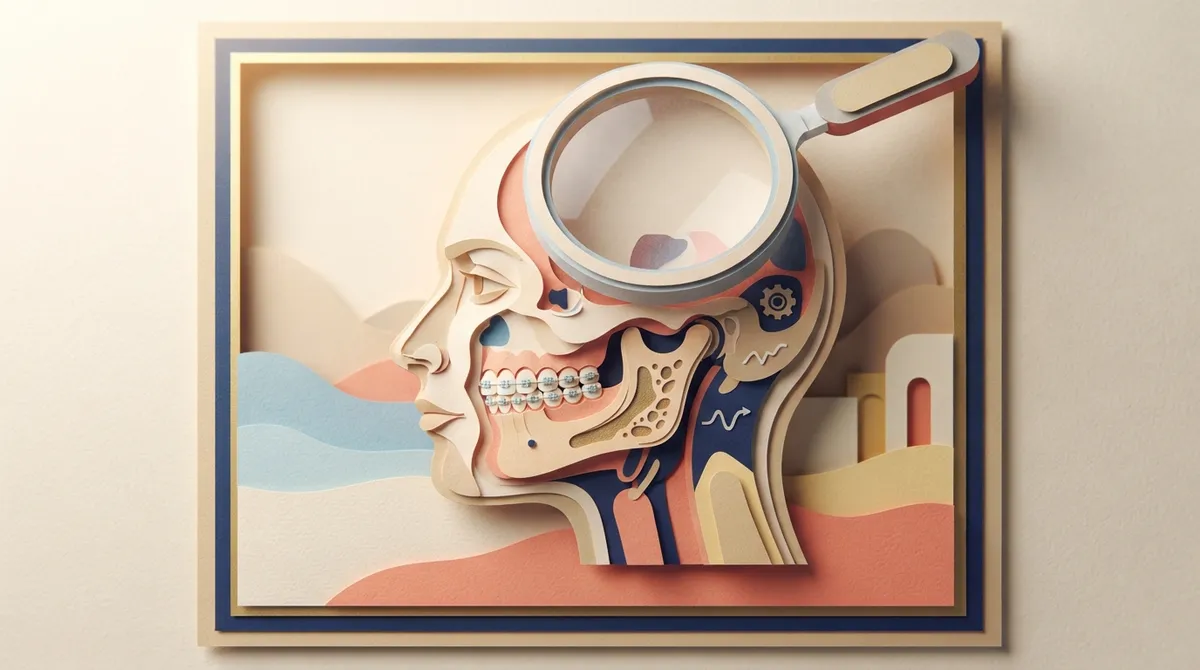
Many people believe orthodontists recommend braces just to make teeth look pretty. A straight smile is a lovely bonus, but it is not the main reason. An orthodontist focuses on how your teeth and jaws function.
So, when might an orthodontist recommend braces? Usually when tooth or jaw alignment affects your bite, your chewing, your tooth position, or your ability to keep teeth clean. Teeth that are slightly imperfect do not automatically need treatment.
Common Reasons Braces Are Recommended
Here are the concerns that most often lead to a braces recommendation:
- Crowding: There is not enough room, so teeth overlap or twist.
- Protruding teeth: Front teeth stick out and may be harder to protect.
- Gaps: Spaces between teeth that affect the bite or comfort.
- Overbite: Upper front teeth cover too much of the lower teeth.
- Underbite: Lower teeth sit in front of the upper teeth.
- Crossbite: Some upper teeth bite inside the lower teeth.
- Deep bite: Upper teeth cover the lower teeth too far down.
- Open bite: Some teeth do not touch when the mouth is closed.
If you want a closer look at one of these, our guide on deep bite vs overbite explains how they differ.
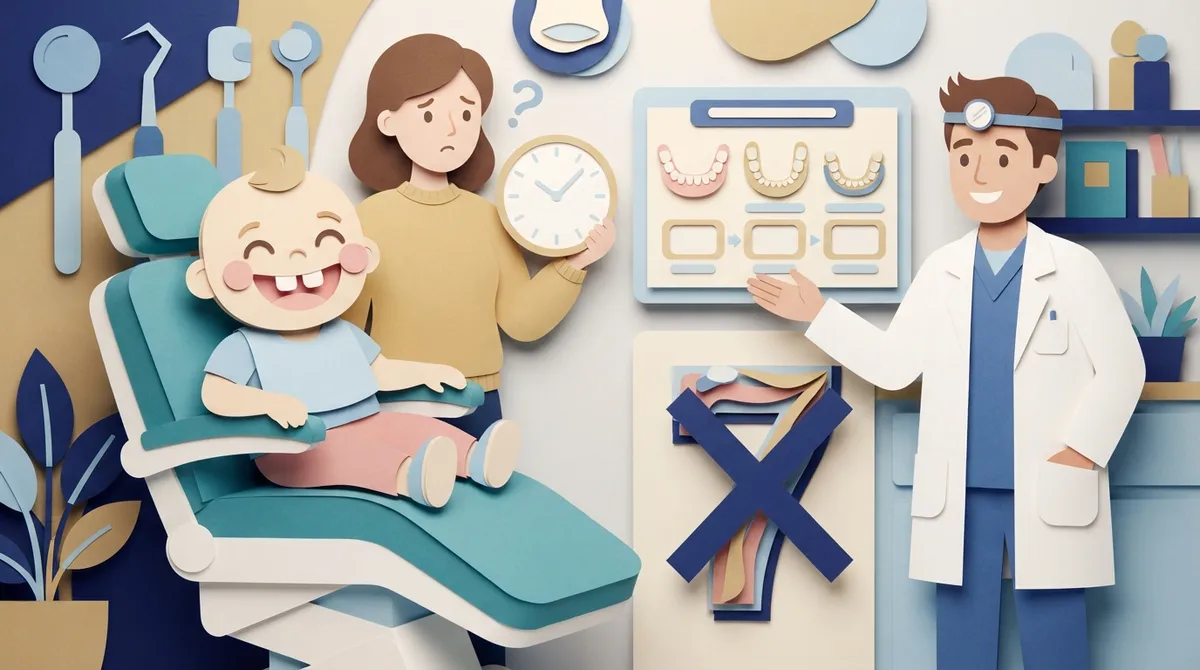
Mistake 2: Assuming Every Child Needs Braces at Age 7
Here is a mix-up we hear all the time. The American Association of Orthodontists recommends an initial check-up by age 7. Some parents hear that and think braces start at 7. That is not what it means.
The age 7 visit is a screening milestone. It gives the orthodontist a chance to spot developing issues early and tell you whether to treat now, keep watching, or simply wait. Many children leave that first visit with no treatment at all, and that is a perfectly good outcome.
What Early Assessment Can Catch
An early look is especially helpful for certain problems that are easier to guide while a child is still growing. These include:
- Crossbite or underbite
- Significant crowding
- Jaws that shift to one side when biting
- Teeth that come in too early, too late, or in the wrong spot
- Habits like prolonged thumb-sucking that affect teeth or jaw growth
Early treatment, when needed, may use a simple appliance or partial braces. It does not always remove the need for braces later. If you are curious how this works, read about age 7 vs. waiting or learn why early evaluation isn’t treatment.
Mistake 3: Waiting for Every Permanent Tooth Before Checking In
The opposite mistake is just as common. Some families wait until all the adult teeth are in before they ever see an orthodontist. Then a problem that could have been guided early becomes harder to manage.
For many kids, full braces are considered after most or all permanent teeth have come in. Health guidance in the UK, for example, says treatment usually starts after adult teeth begin to come through, often around ages 12 to 13. But timing varies a lot from child to child.
The takeaway is simple. The check-up can happen early, while the braces often happen later. Those are two different things, and mixing them up leads to missed chances.
Why Timing Differs for Each Child
Every child grows at their own pace. The right time for braces depends on the specific bite problem, jaw growth, and how teeth are developing. That is why we never use a one-size-fits-all age. Our article on when your child should get braces goes deeper on this.
Mistake 4: Ignoring Warning Signs Because They Seem Small
Some signs feel minor, so people brush them off. But a few small clues are worth a professional look. Please remember, these signs do not prove you need braces. They simply tell you it is time for an evaluation.
Keep an eye out for these signals:
- Trouble biting or chewing. If eating feels awkward or uncomfortable, the bite may be off.
- Teeth that do not meet normally. Front or back teeth that do not line up can point to a bite concern.
- Frequent cheek biting. Regularly biting the inside of the cheek can mean teeth are not fitting together well.
- Crowded or protruding teeth. Visibly overlapping or sticking-out teeth are worth checking.
- Unusual or delayed tooth loss. Baby teeth that fall out very early, very late, or not at all can affect adult teeth.
- Jaws that shift when biting. A jaw that slides to one side may signal a bite issue.
For a deeper look, see our list of signs you need an orthodontist or our guide on how to know when your family needs an orthodontist.
So, When Might an Orthodontist Recommend Braces?
Now that we have covered the mistakes, let’s bring it together. An orthodontist may recommend braces when alignment problems affect how your teeth and jaws work. Braces are one option, never an automatic answer.
After an evaluation, your orthodontist may suggest one of several paths. Here is a simple way to picture it:
| Situation | What an Orthodontist May Suggest |
|---|---|
| Mild issue, child still growing | Monitor with regular check-ups |
| Crossbite, underbite, or narrow jaw in a young child | Early, limited treatment with an appliance or partial braces |
| Most permanent teeth in, bite or crowding concerns | Comprehensive braces or another full treatment |
| Adult with crowding, gaps, or bite problems | Braces or clear aligners, based on the case |
It is also worth knowing that adults can absolutely get orthodontic treatment. You are never too old to care for your bite. Our post on facts that prove adults can get braces shares more.
Braces or Aligners?
Not every case calls for braces. Some mild to moderate concerns may be treated with clear aligners. At Brockway Orthodontics, we offer metal braces, ceramic (clear) braces, and Spark™ Clear Aligners, a more affordable alternative to Invisalign. Which one fits depends on your teeth, your bite, and your lifestyle. If you want to compare, read braces vs. clear aligners: which fits you best.
What Happens at an Orthodontic Evaluation
Feeling nervous about the first visit? That is completely normal. Here is what usually happens, step by step:
- A friendly conversation. We ask about your concerns, goals, and dental history.
- An exam of your teeth and jaws. We check how your teeth fit together and how your jaws move.
- Records when needed. This may include photos, X-rays, or digital scans. We use digital impressions instead of messy molds, plus 3D imaging for precise planning.
- A clear explanation. We talk through your options, timing, and what to expect.
- Your questions answered. You leave knowing your next step, even if that step is simply to wait.
Want to be ready? Our guide on how to prepare for your orthodontist consultation can help you feel confident walking in.
Why Local, Personal Care Matters
Choosing an orthodontist is a big decision, and you deserve someone who listens. Dr. Brockway takes the time to understand your concerns and your hopes for your smile, so you feel comfortable and informed from start to finish. We welcome the whole family, from teens ready for their first braces to adults who want a discreet smile transformation.
You can learn more about the practice and the care we offer through the Florida Association of Orthodontists, which shares helpful information for families across the state. And if you want to see what our neighbors say, visit us on Google — Brockway Orthodontics and read Clearwater reviews from real patients.
For general oral health guidance that supports any orthodontic plan, the American Dental Association is a trusted place to learn about daily care habits.
Quick Tips to Avoid These Mistakes
- Book an early check-up around age 7, but do not expect braces that day.
- Look at how teeth work, not just how they look.
- Do not wait for a problem to get worse before asking questions.
- Ask your orthodontist about all options, including aligners and partial treatment.
- Remember that adults can get treatment too, at any stage of life.
Ready to Find Out What Your Smile Needs?
Now you know the four mistakes that trip up so many families. Braces are recommended when your bite or alignment calls for it, not just because of looks, and not on a fixed birthday. The best move is a simple, friendly evaluation.
If you are wondering about braces for yourself or your child, we would love to help. Book your appointment online and take the first step, or contact us with any questions. Brockway Orthodontics is here to make the whole thing feel easy, welcoming, and stress-free.
FAQs
Q: When should a child first see an orthodontist?
A: The American Association of Orthodontists recommends an initial check-up by age 7. Think of it as a friendly look at how things are developing, not a sign that braces are coming right away. Many kids simply get a “keep an eye on it” plan.
Q: Does an orthodontist recommend braces for every child at age 7?
A: Nope! The age 7 visit is a screening milestone, not a braces start date. Your orthodontist will tell you whether to treat now, monitor, or wait, based on your child’s growth and bite.
Q: What bite problems can braces correct?
A: Braces can help with crowding, protruding teeth, gaps, overbite, underbite, crossbite, deep bite, and open bite. The best option depends on your age, your dental development, and your goals.
Q: Can adults get braces?
A: Absolutely. Adults can receive orthodontic treatment, and an orthodontist may recommend braces or clear aligners for crowding, gaps, or bite problems. It is never too late to ask about your options.
Q: Do children need to wait until all permanent teeth come in before getting braces?
A: Not always for the check-up, but full braces are often considered once most or all permanent teeth have come in. Some kids benefit from early, limited treatment first, so timing really depends on the individual child.
Our Service Area