Key Takeaways
-
A deep bite is an overbite that has crossed from normal to excessive, so every deep bite is an overbite but not every overbite is a deep bite.
-
Overbite measures vertical overlap of upper over lower front teeth, while overjet measures horizontal protrusion; the two are often confused but need different evaluation.
-
There is no single universal cutoff for diagnosing a deep bite, so a professional exam considering jaw relationship, facial profile, and symptoms matters more than measurements alone.
-
A deep bite generally does not reliably correct itself, so having it checked is wise, especially if you notice hidden lower teeth, tooth wear, or sore gums.
-
Braces offer precise control for deeper or complex cases, while clear aligners can work well for milder deep bites; jaw surgery is uncommon and reserved for severe adult skeletal cases.
-
Retainers are essential after correction because teeth can drift back toward their original positions, so wearing them as directed protects your results.
Have you ever looked in the mirror and wondered how much your top teeth should cover your bottom ones? Maybe a dentist said you have an “overbite,” while a friend was told they have a “deep bite.” Are those the same thing? It’s a fair question, and you are far from alone in asking it.
Here is the short version. Everyone has some overbite, and it is often perfectly normal. A deep bite is when that overlap goes too far. The tricky part is that the two words get tossed around as if they mean the same thing, which can leave families confused about what treatment is actually needed.
In this friendly guide, we’ll break down deep bite versus overbite in plain language. You’ll learn how each one is defined, what causes them, when they matter, and how orthodontists correct them with braces or clear aligners. Whether you’re a parent checking on your child’s smile, a teen planning for a big milestone, or an adult thinking about treatment, you’ll leave knowing what questions to ask.
What Is an Overbite?
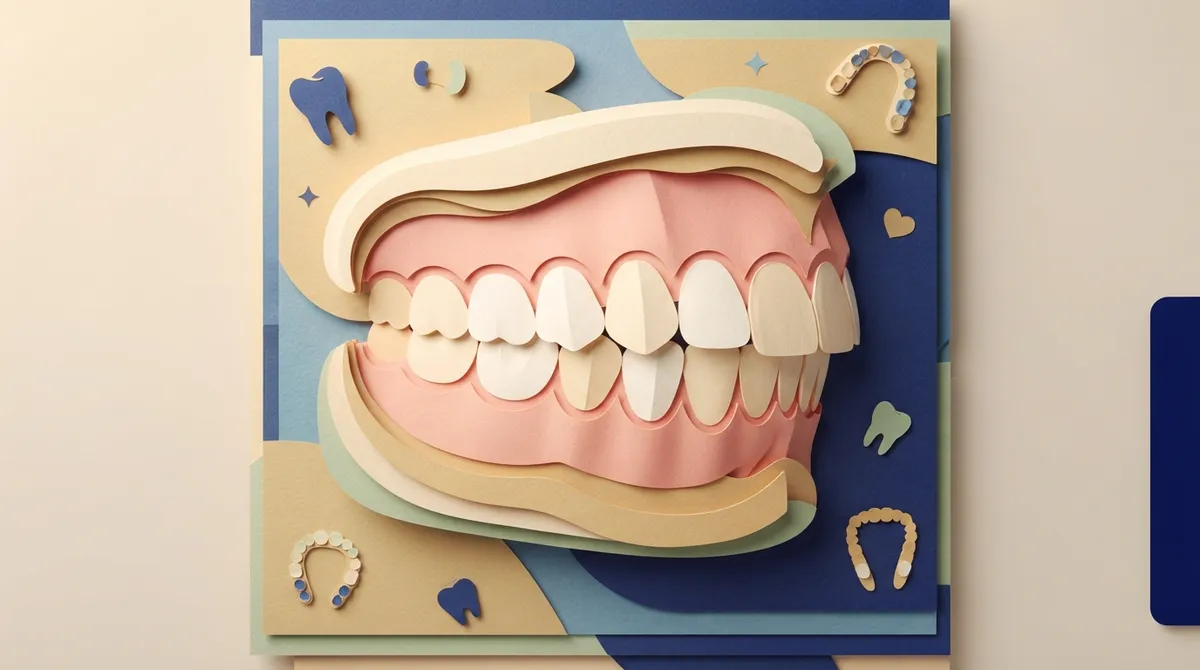
An overbite is the vertical overlap of your upper front teeth over your lower front teeth. Picture your teeth closed together. Your top front teeth sit slightly in front of and over the bottom ones, like a lid on a box. That small overlap is normal and healthy for many people.
So, is an overbite always a problem? Not at all. A modest overbite is a natural feature of many well-functioning bites. It only becomes a concern when the overlap is excessive, when it causes symptoms, or when it affects how the teeth and jaws work together.
If you want to learn more about when an overbite needs attention, our guide on what an overbite is, plus causes, signs, and fixes is a helpful next read.
What Is a Deep Bite?
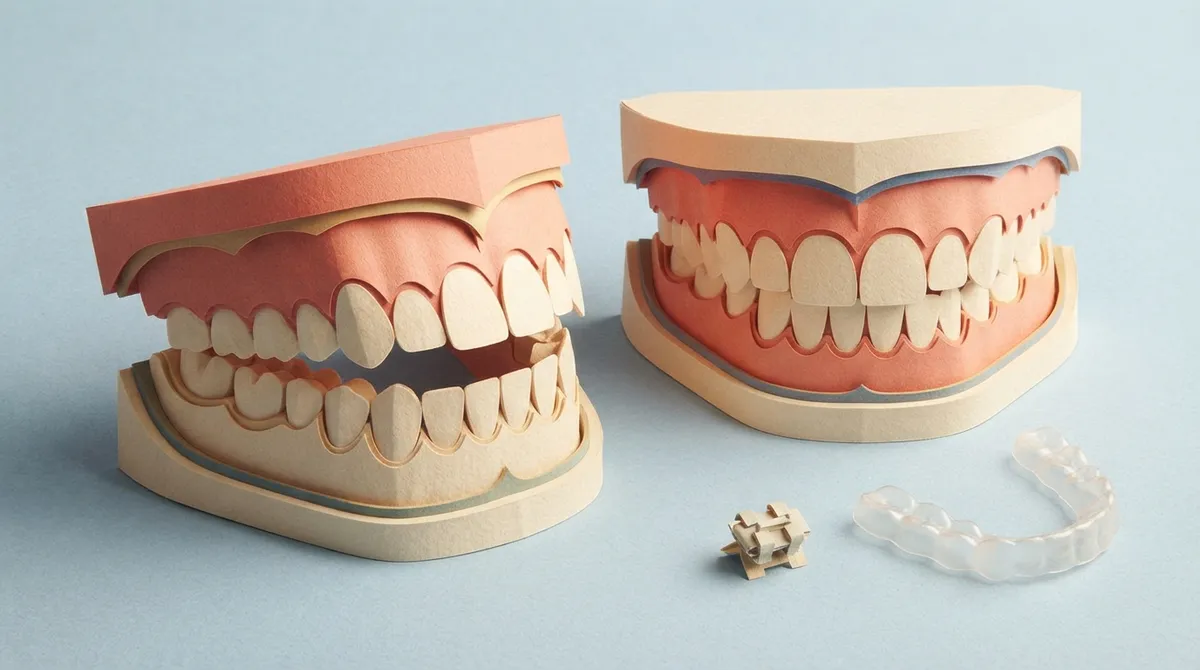
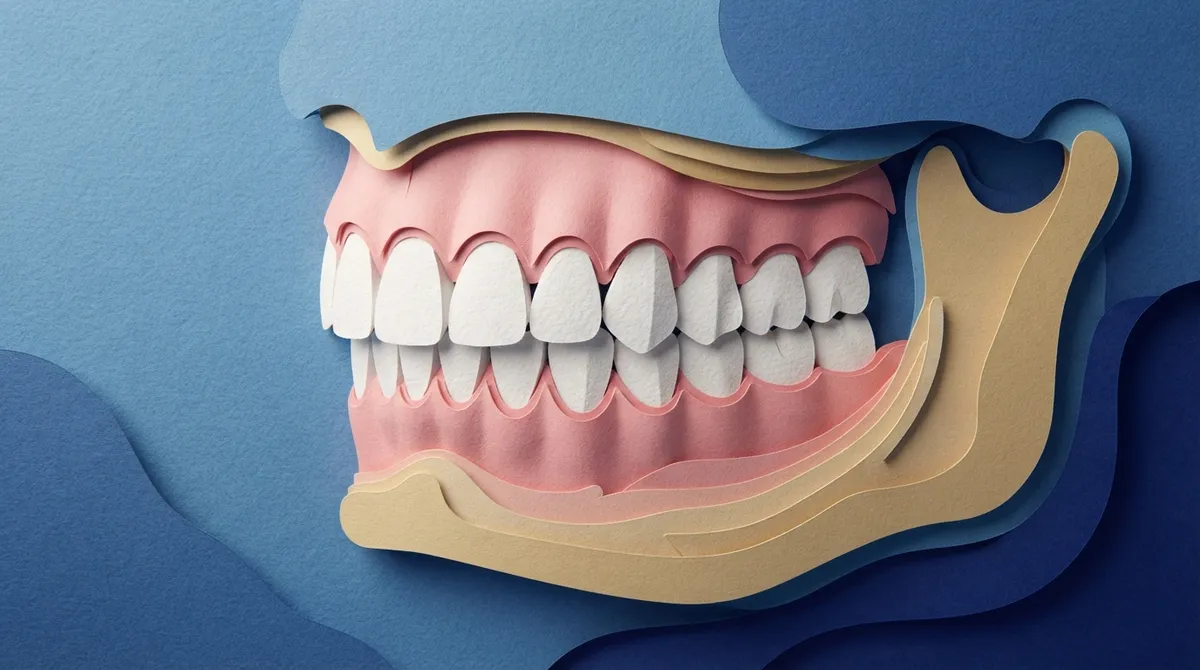
A deep bite, also called a deep overbite or excessive overbite, is an overbite that is considered too much for the patient’s bite and overall situation. In a deep bite, the upper front teeth cover a large portion of the lower front teeth. In some cases, the lower teeth may be hidden almost completely when the mouth is closed.
Think of it like a garage door. A little overlap is fine. But if the door comes down too far, it covers everything underneath. That is the idea behind a deep bite.
Why Orthodontists Don’t Rely on One Number
Here’s something that surprises many families: there is no single cutoff used everywhere. Some sources measure the overlap in millimeters. Others measure the percentage of the lower front teeth that are covered. Because the thresholds vary, a diagnosis should never depend on a number alone.
An orthodontist looks at the full picture, including your tooth positions, jaw relationship, facial profile, and any symptoms. That is why a professional exam matters so much more than an online measuring tip.
Deep Bite vs Overbite: The Key Differences
Let’s put the two side by side. Many people mix up the terms, so this simple table can help clear things up.
| Feature | Overbite | Deep Bite |
|---|---|---|
| What it describes | Normal vertical overlap of upper over lower front teeth | Excessive vertical overlap |
| Always a problem? | No, some overlap is normal | Often needs evaluation |
| Direction of measurement | Vertical (up and down) | Vertical (up and down) |
| How it is judged | Compared with what is typical for the bite | Considered excessive for the patient’s bite and context |
| Possible effects | Usually none when mild | May cause wear, gum or palate irritation in severe cases |
In short, every deep bite is an overbite, but not every overbite is a deep bite. The word “deep” tells you the overlap has crossed the line from typical to excessive.
Don’t Confuse It With Overjet
Another term that trips people up is overjet. It sounds similar, but it measures something different.
- Overbite and deep bite: the vertical overlap, meaning how far the top teeth cover the bottom teeth.
- Overjet: the horizontal distance between the upper and lower front teeth, meaning how far the top teeth stick out.
In everyday talk, people often use “overbite” to describe teeth that stick out. Clinically, that sticking-out look is overjet. A person can have a deep bite with little overjet, or a large overjet with a shallow overlap. Some people have both. Your orthodontist sorts all of this out during your exam.
If protruding teeth are your main concern, you may enjoy reading about what an orthodontic evaluation shows for protruding front teeth.
What Causes a Deep Bite?
Deep bites don’t have just one cause. Several factors can work together, and an orthodontist figures out which ones apply to you.
- Inherited traits. The shape and relationship of your jaws and teeth often run in families.
- Tooth position and eruption. If front teeth erupt too far, or back teeth don’t erupt enough, the bite can end up deeper.
- Skeletal patterns. Some people have a short lower face or a low mandibular plane angle, which can make the bite deeper.
- Combined factors. Dental and skeletal causes can show up together, which is why a full evaluation is so useful.
Understanding the cause helps shape the treatment plan. A deep bite caused mainly by tooth position is handled differently than one rooted in jaw structure.
How Common Is a Deep Bite?
Deep bites are more common than many people think, but the numbers depend heavily on who is studied and how the condition is defined. A 2023 review found published prevalence estimates range widely, from about 8.4% to 51.5%.
Here are a few examples from recent research. Keep in mind that each one reflects a specific group, not everyone:
- A 2025 study of 1,144 children aged 10 to 12 in Bolu, Turkey, found deep bite in 22.6% of the children, with 25.7% of boys and 19.8% of girls affected.
- A 2026 clinical sample in Ecuador reported deep bite in 41.4% of patients assessed for vertical bite problems. Because these were patients already being evaluated, the number should not be applied to the general public.
The takeaway is simple. If you or your child has a deep bite, you have plenty of company, and effective treatment options exist.
Can a Deep Bite Cause Problems?
Sometimes a deep bite causes no symptoms at all. But in more severe cases, the lower teeth may bite into the soft tissue behind the upper teeth, or the teeth may wear down faster than they should.
Possible concerns can include:
- Extra wear on the front teeth
- Irritation or trauma to the gums or the roof of the mouth
- A bite that coexists with crowding or other alignment issues
- Difficulty keeping the teeth in a stable position
One review cites palatal impingement in about 5.9% to 15.9% of cases in the studies it discussed. Definitions and samples differ, so this isn’t a universal risk. Every person is different, which is exactly why a personal evaluation beats guesswork.
How Do Orthodontists Diagnose a Deep Bite?
Diagnosis is a friendly, step-by-step process. At a first visit, an orthodontist usually looks at several things together.
- A bite and tooth exam. Your orthodontist checks how your teeth meet and how much they overlap.
- Measurements. The vertical overlap is measured, often in millimeters or as a percentage of coverage.
- Face and jaw review. Your facial profile and jaw relationship help show whether the cause is dental, skeletal, or both.
- Records when needed. Photos, digital scans or models, and X-rays may be used to plan treatment.
At Brockway Orthodontics, modern tools like digital impressions and 3D imaging help us plan with precision, without the messy molds. If you’d like a preview of what to expect, check out our guide on what orthodontic X-rays can help evaluate.
Will a Deep Bite Fix Itself?
This is one of the most common questions parents ask. The honest answer is that a deep bite generally does not reliably correct itself. Growth can change a bite, but you can’t count on it to solve a true deep bite.
That doesn’t mean you need to panic. It simply means it’s smart to have the bite checked, especially if you notice signs like hidden lower teeth, tooth wear, or sore gums behind the upper teeth. For children, an early look can help families plan the right timing. Our post on when your child should see an orthodontist explains more.
How Is a Deep Bite Treated?
Treatment depends on your age, how severe the bite is, what is causing it, and what you hope to achieve. The good news is that orthodontists have several tools to choose from.
Braces
Braces are a dependable choice for many deep bites. Your orthodontist can plan tooth movement to push the front teeth back into the bone, which is called intrusion, to lift the back teeth, which is called extrusion, or to combine both movements. Braces give very precise control, which is why they’re often used when the bite is deeper or more complex. You can read more in our article on how braces fix a deep overbite.
Clear Aligners
Clear aligners can also help correct certain deep bites, especially milder ones. Brockway Orthodontics offers Spark™ Clear Aligners, a more affordable option for many patients who want a discreet look. Whether aligners are a good fit depends on your bite and goals. Our guide on bite problems clear aligners may fix goes into detail.
Jaw Surgery in Severe Cases
Most people do not need surgery. However, in adults with a significant skeletal discrepancy, orthodontics may be combined with jaw surgery. This is the exception, not the rule, and your orthodontist will explain whether it applies to you.
| Treatment Option | Best For | Key Notes |
|---|---|---|
| Metal or ceramic braces | Mild to complex deep bites | Precise control of tooth movement |
| Clear aligners | Mild to moderate cases | Discreet and removable |
| Braces plus jaw surgery | Severe skeletal cases in adults | Less common, planned with a specialist |
Treatment Tips for Every Age
Different people come to us for different reasons, and that is completely welcome. Here are a few thoughts for each group.
- Parents of kids and teens: Early evaluations can spot bite concerns while growth is still on your side. Many children simply need monitoring, and that is fine.
- Teens and young adults: If a big event like graduation is coming up, planning ahead gives you the best timeline. Modern options keep treatment more discreet than ever.
- Busy adult professionals: Clear aligners or less noticeable braces can fit demanding schedules and give you a professional look.
- Retreatment patients: If your bite has shifted since past treatment, it’s never too late to talk about options. Many adults return for a refresh.
- Health-minded patients: Correcting a deep bite can support comfort and healthy wear patterns, and we tailor each plan to your oral health needs.
What About Retainers?
Great question, because this part surprises many people. After a deep bite is corrected, teeth can try to drift back toward their old positions. That is why retention is a key part of your care.
Retainers hold your new bite in place, and your orthodontist will explain how long and how often to wear them. Learning about your options early can make life easier. Our guide to fixed versus removable retainers can help you compare.
How Long Does Deep Bite Treatment Take?
There isn’t one answer, because every smile is different. Treatment time depends on the bite’s depth, the cause, your age, and how closely the plan is followed. Some cases move along smoothly, while others take more patience. During your visit, your orthodontist will share an honest estimate and explain the benefits, limits, and risks of treatment for you.
Costs vary by case too. If budgeting is on your mind, take a look at how treatment complexity affects orthodontic fees, and ask our team about payment options that fit your family.
Why Choose Brockway Orthodontics?
If you’re in the Clearwater area and wondering about your bite, Dr. Brockway would love to meet you. She takes time to listen to your concerns and dreams for your smile, then explains your options in a friendly, easy-to-follow way. We treat the whole family, from teens getting first braces to adults exploring a discreet smile makeover.
You can see what our patients say about us. Visit us on Google — Brockway Orthodontics to read reviews from local families. For professional background on orthodontic care in our state, you can also explore the Florida Association of Orthodontists. And for general oral health guidance, the American Dental Association is a trusted resource.
Final Thoughts on Deep Bite vs Overbite
So, what’s the bottom line on deep bite versus overbite? An overbite is the normal vertical overlap of your top and bottom front teeth. A deep bite is that overlap taken too far. Both are different from overjet, which measures how far the top teeth stick out. The right plan always starts with a proper evaluation, because no single number tells the whole story.
If you’ve been wondering about your own bite or your child’s, we’d love to help you find clarity. Book your appointment online to start the conversation, or contact us with any questions. We can’t wait to help you smile with confidence.
FAQs
Q: What is the difference between a deep bite and an overbite?
A: An overbite is the normal vertical overlap of your upper front teeth over your lower ones, and a little is perfectly healthy. A deep bite is when that overlap is excessive for your bite. So every deep bite is an overbite, but not every overbite is a deep bite!
Q: Can braces or clear aligners fix a deep bite?
A: Yes, both can help, depending on your bite. Braces give very precise control and are often used for deeper or more complex cases, while clear aligners can work well for milder ones. Your orthodontist will recommend the best fit after a full evaluation.
Q: Does a deep bite require jaw surgery?
A: Most people don’t need surgery at all. Jaw surgery combined with orthodontics is usually only considered for adults with a significant skeletal discrepancy. Your orthodontist will let you know if it’s ever part of your plan.
Q: Can a deep bite damage my teeth or gums if left untreated?
A: Sometimes, yes. Severe deep bites can contribute to extra tooth wear or irritation of the gums or palate when lower teeth touch soft tissue. Many deep bites cause no symptoms, so a quick evaluation is the best way to know where you stand.
Q: Will I need a retainer after deep bite treatment?
A: Yes, retainers are an important part of keeping your results. Teeth can drift back toward their old positions, so your orthodontist will explain how long and how often to wear yours. It’s a small habit that protects your investment!
Our Service Area