Key Takeaways
-
Upper and lower teeth work as a team, so moving teeth in one arch changes how they meet the opposite arch, which is why orthodontists examine both arches before planning.
-
Bite problems such as overbite, underbite, open bite, and crossbite involve how both arches relate to each other, so fixing them often requires moving teeth in both arches.
-
Treating only one arch can create premature or uneven tooth contacts, causing awkward chewing and extra wear, so coordinating both arches helps the bite fit comfortably.
-
Single-arch treatment can work well when the bite is already acceptable and planned movements won't disrupt the opposing teeth, but a full exam is needed to confirm it's safe.
-
Mismatched upper and lower midlines, crowding or spacing in both arches, and relapse after past braces are common reasons an orthodontist may recommend two-arch care.
-
Both arches are often treated at the same time, so two-arch treatment doesn't automatically mean a longer timeline; the time depends on how much movement is needed and how well you follow the plan.
Picture this: your teen is only bothered by one crooked front tooth on top. So you ask the orthodontist for braces on just the upper teeth. Then the orthodontist says, “Let’s look at the bottom teeth too.” Wait, what? Why would both arches need treatment when only one looks off?
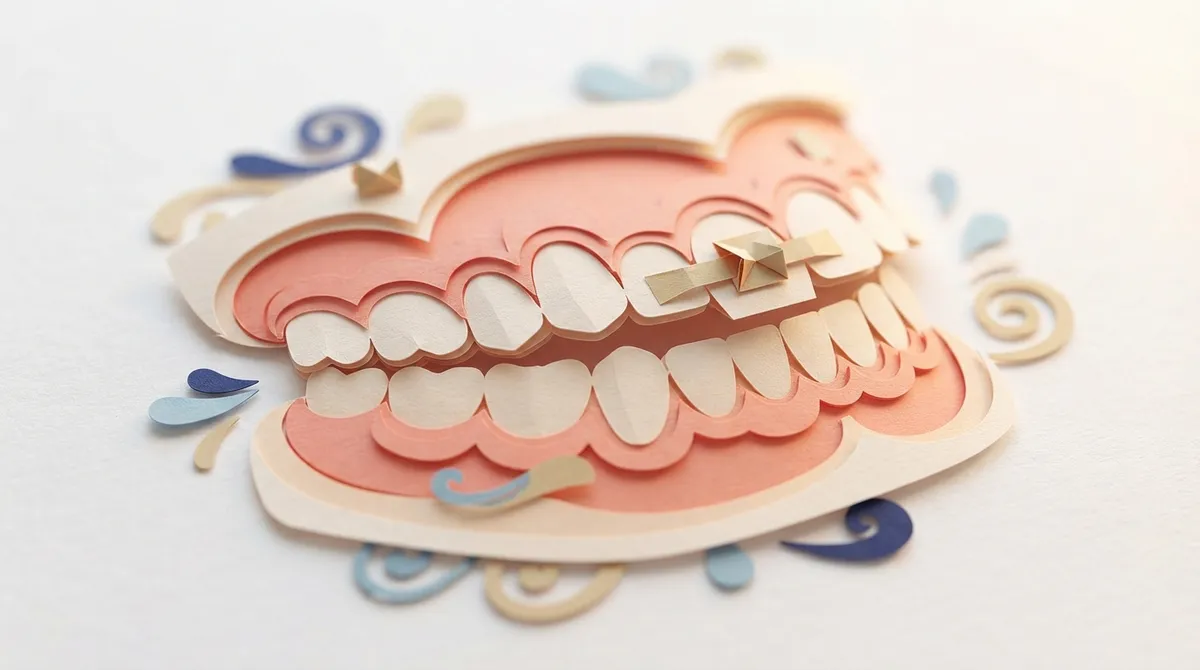
It’s a fair question, and a very common one. The short answer is that your teeth work as a team. Your upper and lower teeth meet every time you chew, talk, and smile. So an orthodontist looks at why both arches may need orthodontic treatment by studying how the whole bite fits together, not just how each tooth looks alone.
In this friendly guide, we’ll walk through how the two arches work together, the most common reasons for two-arch care, and when treating just one arch is a smart choice. We’ll also share what to expect at an exam. Whether you’re a parent, a teen, or an adult thinking about braces or aligners, you’ll leave feeling more confident and informed.
How the Upper and Lower Arches Work Together
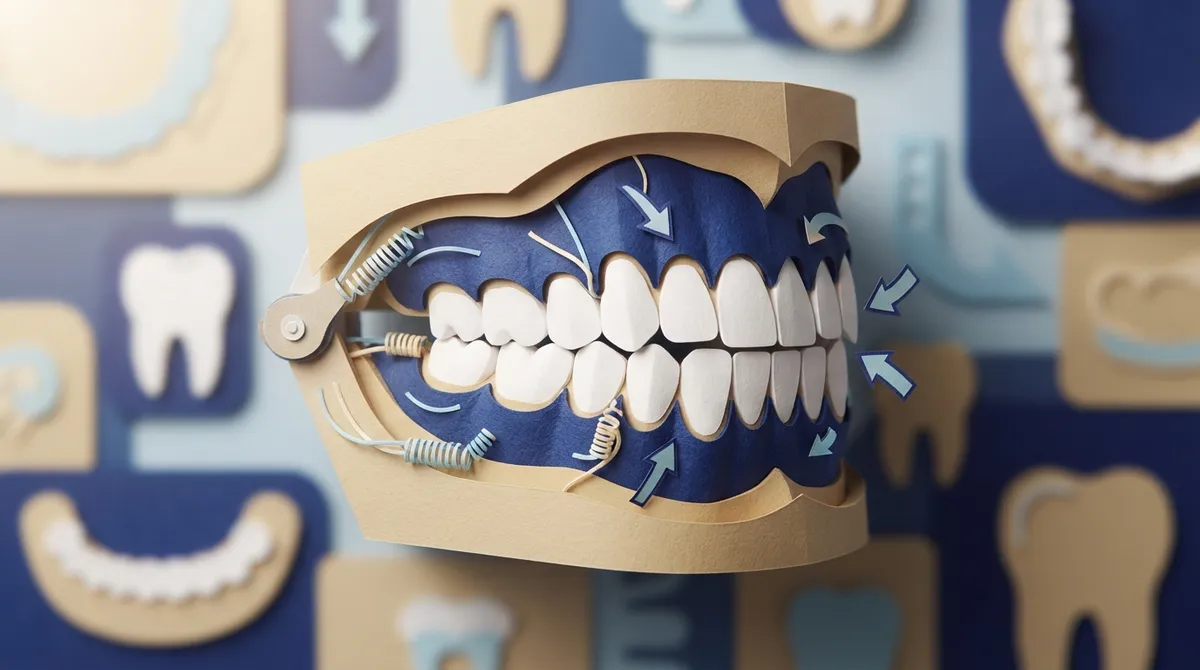
Your upper teeth sit in the maxilla, which is the upper jaw. Your lower teeth sit in the mandible, which is the lower jaw. Each set of teeth forms a curve called a dental arch.
Think of the two arches like the top and bottom halves of a zipper. If one side is bent or uneven, the zipper will not close right, even if the other side looks perfect. Your bite works the same way.
Because of this, orthodontic planning looks at more than straight teeth. It also looks at how opposing teeth meet when your mouth closes and when you chew. A smile can look straight and still have a bite that does not fit well. That is why an orthodontist checks both arches, even when the visible problem seems to live in only one.
What Orthodontists Look at During Planning
When Dr. Brockway reviews a smile, several things come into play. These details help decide if one or both arches need care:
- The bite: how the top and bottom teeth meet together
- Tooth positions: crowding, gaps, tilting, or rotation
- Available space: how much room each arch has for its teeth
- Jaw relationship: how the upper and lower jaws line up
- Facial profile: how the lips, chin, and smile look from the side
- Dental health: the condition of teeth and gums
- Your goals: what you want from your smile
No single item tells the whole story. The full picture is what guides a safe, lasting plan.
Why One Arch Can Affect the Other
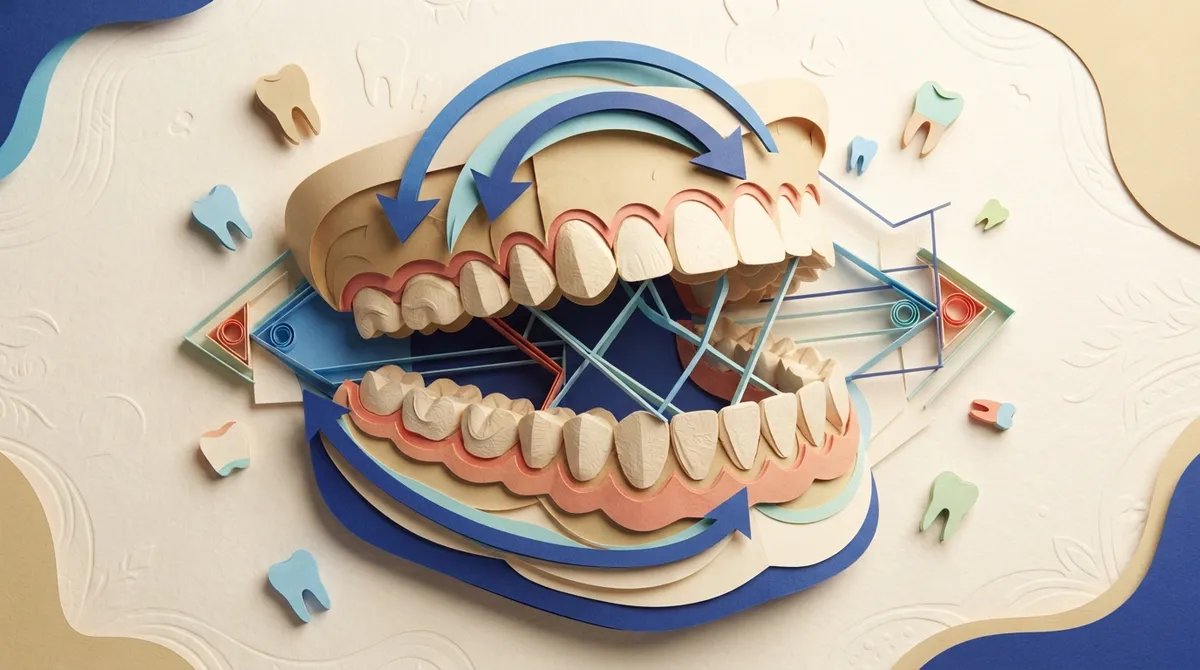
Here is the big idea. Moving teeth in one arch changes how they touch the teeth in the opposite arch. That is why an orthodontist does not plan each arch in isolation.
Let’s say the lower front teeth are crowded. Straightening them might push them forward a little. Now they may bump into the upper teeth in a new way. If the upper arch is not planned to match, you could end up with uneven contacts or a bite that feels “off.”
In other words, a problem may show up most in one arch while the opposing arch still plays a big part in the fix. Checking both arches first helps the orthodontist avoid surprises later.
Premature and Uneven Contacts
When teeth meet too early or too hard in one spot, that is called a premature contact. These can make chewing feel awkward. They can also cause extra wear on certain teeth over time.
Treating only one arch when the other needs help can sometimes create these problems. Coordinating both arches helps the teeth meet evenly, so the bite feels comfortable and works well.
Common Reasons for Two-Arch Orthodontic Treatment
Many bite and alignment issues involve both the top and bottom teeth. Here are the most common reasons an orthodontist may recommend treating both arches.
Crowding or Spacing in Both Arches
If teeth are crowded or spaced out on the top and the bottom, each arch needs its own plan. Crowding means teeth do not have enough room. Spacing means there are extra gaps. When both arches are affected, fixing one without the other would leave half the job undone. Want to learn more? Our guide on spacing versus crowding in orthodontics explains the difference in simple terms.
Overbite, Underbite, Open Bite, or Crossbite
These are bite problems, and they involve how the two arches relate to each other:
- Overbite: the upper front teeth cover too much of the lower teeth
- Underbite: the lower teeth sit in front of the upper teeth
- Open bite: some teeth do not touch when the mouth closes
- Crossbite: some upper teeth sit inside the lower teeth instead of outside
Because each of these is about how the arches meet, fixing them often means moving teeth in both arches. If you are curious, you can read how braces handle a deep overbite or what crossbite treatment involves.
Midline Differences
The dental midline is the center line between your two front teeth. Ideally, the upper and lower midlines line up. When they do not, both arches may need to shift so the smile feels balanced and the bite works well. You can explore this topic in our article on why dental midlines may not match.
Coordinating Teeth for a Stable Result
Sometimes the goal is a bite that stays steady for years. To get there, the upper and lower teeth need to be coordinated so they fit together well. Treating both arches gives the orthodontist more control over the final fit.
Quick Comparison: One Arch vs. Both Arches
This table gives a simple overview. Remember that every smile is different, and only an exam can tell you what is right for you.
| Situation | Often Points to Treating One Arch | Often Points to Treating Both Arches |
|---|---|---|
| Bite quality | Bite already meets well | Bite is uneven or poorly matched |
| Tooth movement | Small, limited shifts | Larger shifts that change contact |
| Crowding or gaps | Mostly in one arch | Present in top and bottom arches |
| Bite type | No overbite, underbite, or crossbite | Overbite, underbite, open bite, or crossbite |
| Midline | Midlines already line up | Midlines do not match |
| Goal | Cosmetic touch-up | Function and stability |
Can You Treat Just One Arch?
Absolutely, in the right case. Two-arch treatment does not mean every patient needs appliances on both the top and bottom teeth. Limited, single-arch treatment can work well when the bite is already acceptable and the planned tooth movements will not harm it.
For example, someone who wore braces as a teen and later notices a slight shift in the lower front teeth may only need minor correction on that arch. If you are in this group, you might like our article on braces on only one arch and when it works.
Why Single-Arch Treatment Needs a Careful Check
Here is the catch. Treating one arch can change the bite, sometimes in ways you do not expect. That is why a full exam comes first. The orthodontist needs to be sure that moving teeth in one arch will not create new bite problems with the other.
So, if you are hoping for “just the top” or “just the bottom,” that is a great question to bring to your visit. Dr. Brockway will explain what is safe and what is not for your smile.
What About Orthodontic Relapse?
If you had braces years ago and your teeth have drifted, you may wonder if you need to treat both arches again. Sometimes the shift is small and limited to one arch. Other times both arches have moved, and the bite has changed too.
The only way to know is an evaluation of how your teeth and bite look today. Retreatment plans are made for the smile you have now, not the one you had back then. Our article on orthodontic relapse warning signs can help you spot the early clues.
Do Braces and Aligners Both Work for Two Arches?
Yes. Both braces and clear aligners can treat the upper and lower arches at the same time. The right choice depends on your bite, your goals, and your lifestyle.
- Metal braces: a reliable choice for many bite and alignment needs
- Ceramic (clear) braces: tooth-colored brackets that blend in more
- Spark™ Clear Aligners: removable, nearly invisible trays that many teens and adults love
At Brockway Orthodontics in Clearwater, Florida, Dr. Brockway offers all three. Spark™ Clear Aligners are an affordable clear option for many patients. If you want to compare, check out which is right for you: clear aligners vs. braces.
What the Research Says About Bite Problems
Bite problems are very common. A 2022 systematic review of 123 studies of children and teens reported average prevalence estimates of 51.9% for Angle Class I, 23.8% for Class II, and 6.5% for Class III malocclusion. Crossbite estimates in the same review were 7.8% for anterior crossbite and 9.0% for posterior crossbite.
Another review of 77 studies reported a worldwide malocclusion prevalence of 56% among children and adolescents. That review also found a wide range between regions and studies, so the numbers should be read with care.
Here is the important part. These figures tell us how common bite traits are. They do not tell you whether you personally need treatment, or whether both arches need care. Only a personal exam can answer that. Numbers describe groups, and your smile is one of a kind.
What to Expect at an Orthodontic Exam
Not sure how an orthodontist decides between one arch and two? Here is a simple look at the usual steps.
- Review your history. The orthodontist asks about your goals, past dental work, and any concerns.
- Examine your bite. They look at how your teeth meet and how your jaws line up.
- Gather records. This can include photos, digital scans, and 3D imaging. At Brockway Orthodontics, we use digital impressions instead of messy molds.
- Study the plan. The orthodontist weighs space, tooth positions, and the bite for both arches.
- Talk it through. You hear the options, the timeline, and the cost in plain language.
Want to be ready? Our tips on how to prepare for your orthodontist consultation can help you make the most of your first visit.
Does Treating Both Arches Take Longer?
This is one of the most common questions we hear. The honest answer is: not always. Treatment time depends on many things, such as how much movement is needed, how well you follow the plan, and the type of appliance you choose.
Often, both arches are treated at the same time, so the work happens together instead of one after the other. That can keep the whole process efficient. To learn more about what shapes the timeline, see 6 things that decide braces treatment time.
Tips for Parents, Teens, and Adults
For Parents
Kids’ mouths are still growing, which gives the orthodontist helpful chances to guide development. If you are wondering about timing, read when your child should see an orthodontist. An early check does not always mean early treatment, but it helps you plan.
For Teens and Young Adults
Big events like graduation or prom can be a great reason to start. Ask about options that fit your style, from clear aligners to ceramic braces. Bring your questions, because there are no silly ones.
For Adults
Busy schedule? You are not alone. Many adults choose discreet options that fit work and social life. Our article on orthodontics for adults in Clearwater shares more.
Why Choose Brockway Orthodontics?
At Brockway Orthodontics, we treat smiles for the whole family. Dr. Brockway takes time to listen to your goals and explains each step in a friendly, easy way. We use modern tools like digital scans and 3D imaging, and in some cases we can offer same-day treatment to fit your busy life. Curious about what neighbors say? You can visit us on Google and read what Brockway Orthodontics patients share.
For general guidance on oral health, the American Dental Association is a trusted resource. You can also learn more about orthodontic care in our state through the Florida Association of Orthodontists. If you want to understand the research on how common bite problems are, you can read the 2022 systematic review on malocclusion in children and adolescents.
Ready to Find Out What Your Smile Needs?
So, why might both arches need orthodontic treatment? Because your upper and lower teeth are partners. Fixing one without checking the other can leave the bite uneven or unsteady. But the good news is that a careful exam can show you the right path, whether that is one arch or both.
If you are ready to take the next step, book your appointment online and meet Dr. Brockway. Or, if you would rather chat first, you can contact us with your questions. We would love to help you smile with confidence.
FAQs
Q: Why would I need braces on both my upper and lower teeth?
A: Your upper and lower teeth work together every time you chew and smile. If one arch moves without the other, the bite can become uneven. Treating both arches helps the teeth meet well and stay stable.
Q: Can I get braces on just my top teeth or just my bottom teeth?
A: Sometimes, yes! If your bite is already acceptable and the planned movements will not harm it, one arch may be enough. Dr. Brockway will check your bite first to make sure it is a safe choice for you.
Q: If only one arch looks crooked, why might both need treatment?
A: A problem can look worse in one arch while the other arch still affects the fix. Moving teeth in one arch changes how they touch the opposite teeth. That is why both arches get a careful look before a plan is made.
Q: Can clear aligners or braces treat both arches at the same time?
A: Yes, both can! Metal braces, ceramic braces, and Spark Clear Aligners can all treat the upper and lower arches together. The best choice depends on your bite, your goals, and your lifestyle.
Q: Does treating both arches take longer than treating one?
A: Not always. Both arches are often treated at the same time, so the work happens together. Your timeline depends on how much movement is needed and how well you follow your plan.
Our Service Area