Key Takeaways
-
Crowding means too little room for teeth, causing overlap or twisting, while spacing means too much room, causing gaps; both are common and treatable.
-
Crowding is often driven by a size mismatch between teeth and jaw, plus baby tooth loss timing, extra teeth, or abnormal eruption patterns.
-
A new or widening gap in adults can signal gum disease or bone loss, so it warrants a dental check-up rather than just cosmetic treatment.
-
Crowding and spacing are descriptions, not diagnoses; a full exam of bite, jaw relationship, gum health, and tooth development determines the right plan.
-
Spacing can return after treatment if the underlying cause, such as thumb sucking or a missing tooth, is not addressed and retainers are not worn as directed.
-
Early orthodontic check-ups, often around age 7, can spot crowding or spacing while a child is growing, which can make later treatment simpler.
Ever look in the mirror and wonder why your teeth don’t line up quite the way you’d like? Maybe some teeth overlap like people squeezing into a packed elevator. Or maybe there are little gaps, like empty seats at a theater. You’re not alone! Millions of kids, teens, and adults deal with one of these two things every day.
When it comes to spacing versus crowding in orthodontics, the big idea is simple. Crowding means there is too little room for your teeth. Spacing means there is too much room, or a tooth is missing. Both are common. Both can be treated. And both tell your orthodontist something important about your mouth.
In this guide, we’ll walk through what each one means, why they happen, and when a gap might be a sign of something more serious. We’ll also cover how braces and clear aligners can help, and why retainers matter so much. Grab a cup of tea, and let’s make this easy to understand together.
What Does Crowding Mean in Orthodontics?
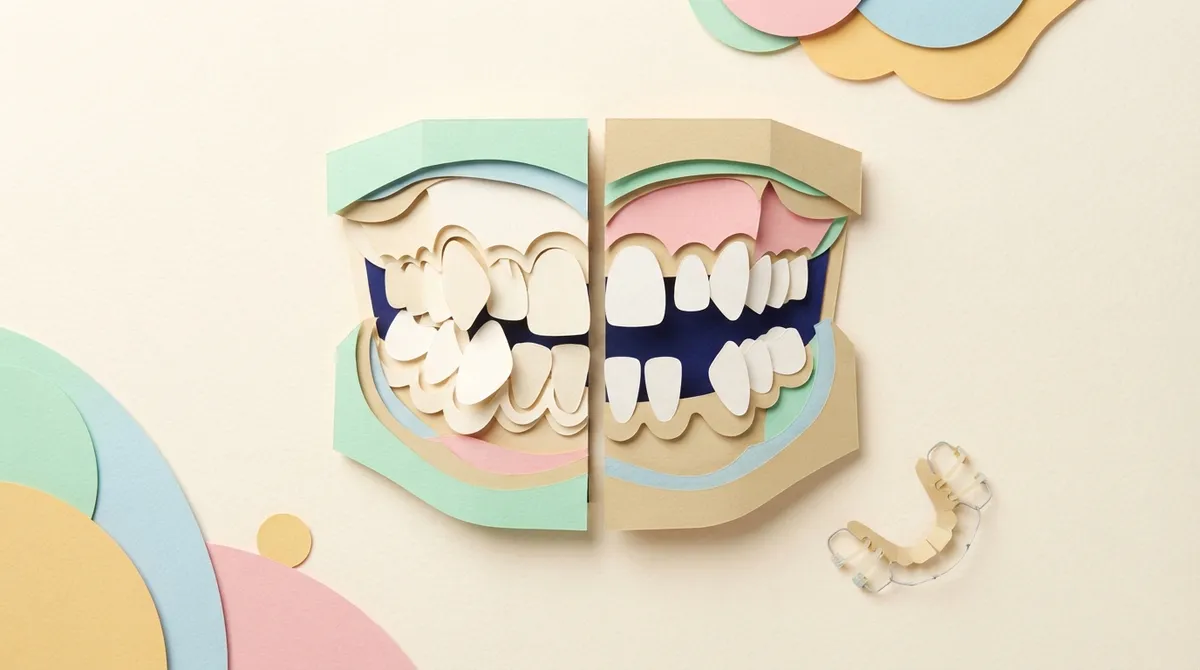
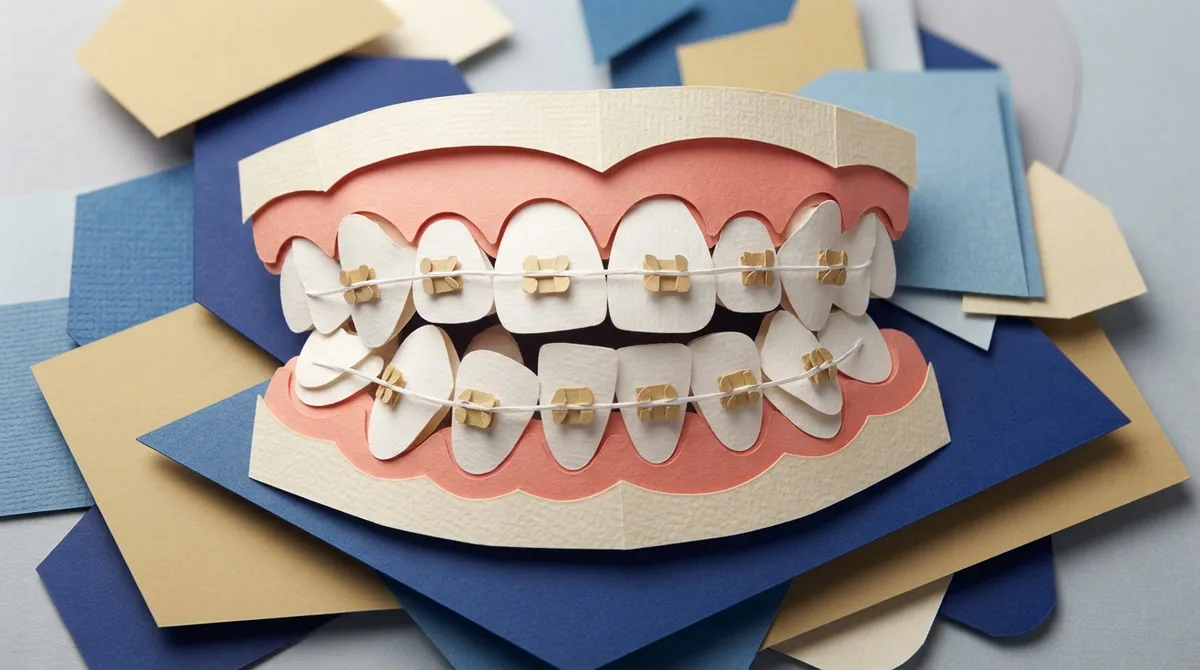
Crowding happens when there isn’t enough space in the dental arch for all your teeth to sit in a straight line. The arch is the curved shape your teeth make along your upper or lower jaw. When teeth don’t have room, they overlap, twist, or get pushed forward or backward.
Think of it like parking cars in a small lot. If you have too many cars and too few spots, some end up crooked or stuck half in the street. Teeth work the same way.
Common Signs of Crowded Teeth
- Teeth that overlap each other
- Teeth that look twisted or turned sideways
- A tooth that sits in front of or behind the others
- Floss that shreds or gets stuck between tight teeth
- Areas that are hard to brush well
If these sound familiar, you may find our guide on 5 signs you need an orthodontist for crowded teeth helpful.
What Does Spacing Mean in Orthodontics?
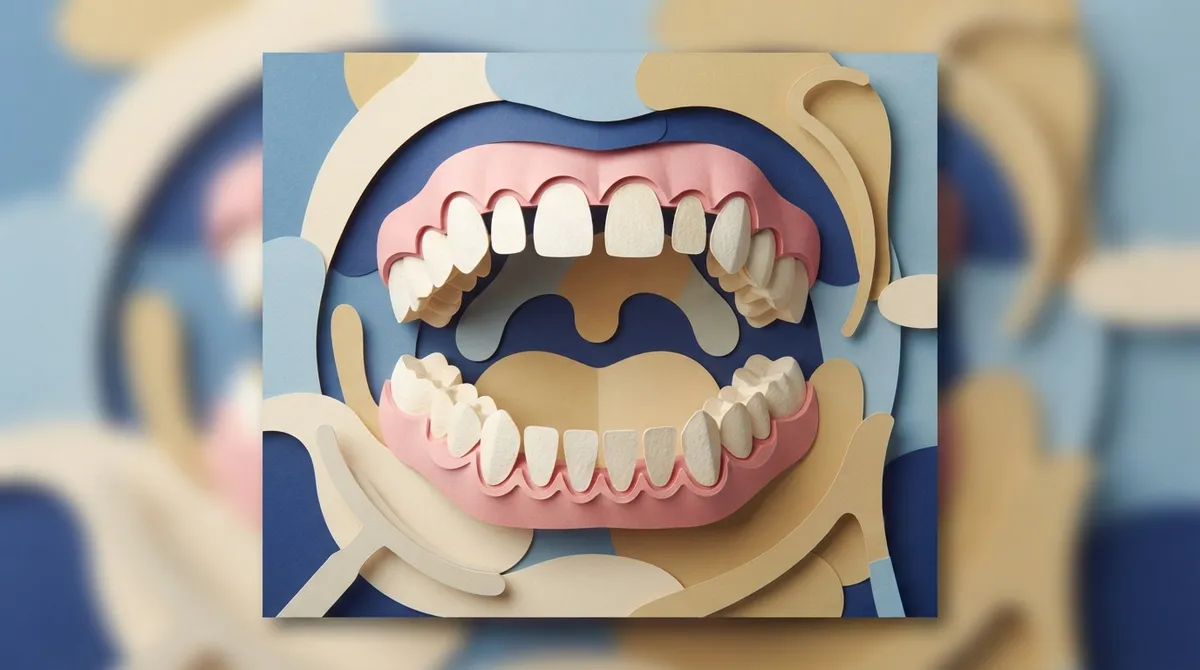
Spacing is the opposite problem. It means there is extra room between your teeth, which creates gaps. Sometimes it’s one small gap between the front teeth. Other times it’s several gaps spread across the smile.
Spacing can happen on its own, or it can show up after a tooth is lost. When a tooth goes missing, the teeth beside it can drift into the open spot and leave gaps elsewhere.
Common Signs of Spacing
- A visible gap between the front teeth
- Small gaps between several teeth
- Teeth that seem small for the size of your jaw
- Food that gets trapped in the open spaces
- New gaps that appear later in life
Curious about what’s behind those gaps? We break it down in what causes gaps between teeth: 7 common reasons.
Spacing vs. Crowding: A Quick Side-by-Side
Sometimes a simple chart says it best. Here’s how the two conditions compare at a glance.
| Feature | Crowding | Spacing |
|---|---|---|
| What it means | Too little room for teeth | Too much room between teeth |
| What you see | Overlapping, twisted, or displaced teeth | Gaps between teeth |
| Common causes | Large teeth, small jaw, early or late loss of baby teeth, extra teeth | Small teeth, large jaw, missing teeth, thumb sucking, tongue thrusting |
| Cleaning challenge | Hard to reach tight, overlapping areas | Food can get trapped in gaps |
| Treatment goal | Create or manage space to align teeth | Close or redistribute gaps |
How Common Are Spacing and Crowding?
Both are very common, though the numbers vary a lot from one study to the next. A 2022 systematic review of healthy children found that the average prevalence of crowding was about 33.8%. Spacing averaged about 18.7%. These are pooled averages from many studies. They are not exact numbers for every age group or community.
The same review found spacing was more common in the upper arch (about 23.4%) than in the lower arch (about 12.8%). Results swung widely depending on how each study measured things. A separate review of permanent teeth in Gulf Cooperation Council countries reported different figures, which shows these numbers shouldn’t be applied everywhere.
The takeaway? If you have crowding or spacing, you’re in very good company.
What Causes Crowding and Spacing?
At the heart of both conditions is a size mismatch. Either your teeth are too big for your jaw, or your jaw is too big for your teeth. But that’s not the whole story.
Why Teeth Become Crowded
- Tooth and jaw size: Larger teeth in a smaller jaw leave little room.
- Baby tooth timing: Losing baby teeth too early or too late can throw off how permanent teeth come in.
- Extra teeth: An additional tooth takes up space meant for others.
- Eruption patterns: Teeth sometimes come in at odd angles when space is tight.
Parents often ask about this one. Our article on what causes crowding in children’s developing teeth goes deeper, and you can read about why early loss of baby teeth matters too.
Why Gaps Form Between Teeth
- Small teeth: Smaller teeth in a larger jaw leave open room.
- Missing teeth: A gap from a lost tooth lets neighbors drift.
- Habits: Thumb sucking and tongue thrusting can push teeth apart.
- Other factors: Sometimes it’s simply how your mouth developed.
When a New Gap Is a Warning Sign
Here’s something every adult should know. If gaps suddenly appear or widen later in life, it isn’t always just about looks. New spacing in adults can be a sign of gum disease and loss of the bone that holds teeth in place. It can also follow tooth loss, when nearby teeth shift into the empty area.
That’s why a new gap deserves a check-up, not just a cosmetic fix. Your orthodontist will look at your gums, your bite, and your overall oral health. In some cases, they’ll work together with your dentist or a gum specialist (a periodontist) before moving any teeth.
This matters a lot for health-conscious patients and for adults who had braces years ago. If your teeth have started drifting, our post on orthodontic relapse warning signs can help you spot the clues. It’s also smart to read about why gum health matters before adult braces.
Crowding and Spacing Are Descriptions, Not Diagnoses
This part surprises many people. “Crowding” and “spacing” describe where your teeth are sitting. They are not complete diagnoses on their own.
A real orthodontic assessment looks at much more, including:
- How your upper and lower teeth fit together when you bite
- The relationship between your upper and lower jaws
- The health of your teeth and gums
- Which teeth have come in and which are still on the way
- The cause and amount of the space problem
Two people can both have crowded teeth and need very different plans. One might need a little space created. Another might need a bite issue corrected first. That’s why a personal exam matters. You can see what that looks like in how an orthodontist evaluates crowding.
How Orthodontists Treat Crowding
The goal with crowding is to make room so teeth can line up well. Your orthodontist chooses the approach that fits your mouth, your age, and your bite.
Common Ways to Create Space
- Braces or clear aligners: These gently move teeth into better positions.
- Expanders: In growing kids, a palatal expander can widen the upper jaw. Learn more in our palatal expander guide.
- Careful space planning: Sometimes a small amount of space is created between teeth so everything fits.
- Extractions in select cases: This is considered only when it truly fits the plan.
Comparing options? Our post on braces vs. clear aligners for crowded lower teeth in adults is a great next read.
How Orthodontists Treat Spacing
With spacing, the plan depends on the reason for the gaps. Sometimes teeth are simply moved together to close the space. Other times, the space needs to be saved or redistributed.
Common Ways to Address Gaps
- Braces or aligners: These close gaps by moving teeth together.
- Space redistribution: Gaps can be shifted to a better spot for a future restoration.
- Restorative care: If a tooth is missing, an implant or bridge may be part of the plan.
- Habit support: If thumb sucking or tongue thrusting is the cause, addressing the habit helps results last.
Wondering which tool closes gaps best? Check out braces vs. aligners: which wins for teeth gap closure. And if a missing tooth is part of your story, read can I get braces with missing teeth?
Braces or Clear Aligners: Which Is Right for You?
The good news is that both braces and clear aligners can help with spacing and crowding. The best choice depends on how complex your case is and what fits your lifestyle.
Brockway Orthodontics offers metal braces, ceramic (clear) braces, and Spark™ Clear Aligners, a more affordable alternative to Invisalign. That gives families and adults real choices. Teens who want a discreet look, busy professionals who need flexibility, and parents planning for kids can all find something that fits.
Not sure where to begin? Our clear aligners vs. braces guide walks you through the pros and cons.
Why Retainers Matter So Much
Here’s the part people sometimes skip. Once your teeth are in their new spots, they need support to stay there. That’s what retainers are for.
Spacing can come back, especially if the cause was never addressed or if retainers aren’t worn as directed. Crowding can creep back too, particularly in the lower front teeth. If you’ve had braces before and your smile has shifted, you’re not alone. Many adults come in for retreatment for exactly this reason.
Good retainer habits protect your investment. Take a look at our tips on how to care for your dental retainer, and learn the difference in fixed vs. removable retainers.
What Different Patients Should Know
For Parents of Kids and Teens
Early check-ups can spot crowding or spacing while your child is still growing. That can make treatment simpler later. Many orthodontists suggest a first visit around age 7. Our guide on age 7 vs. waiting explains why.
For Teens and Young Adults
If a big event is coming up, like graduation, planning ahead helps. Modern options like ceramic braces and clear aligners keep things low-key.
For Busy Adult Professionals
Adults can absolutely get treatment. Discreet options fit into work and social life. See 14 facts that prove adults can get braces for encouragement.
For Anyone Who Has Had Braces Before
If your teeth have shifted, a fresh evaluation can show what’s changed and what’s possible. Retreatment is common, and it can work very well with the right plan.
How Brockway Orthodontics Can Help
At Brockway Orthodontics, Dr. Brockway takes time to listen to your goals and explain your options in plain, friendly language. The practice uses modern tools like digital impressions instead of messy molds, plus 3D imaging to plan treatment with care. In certain cases, same-day treatment may even be possible for busy families.
Whether you’re dealing with tight, overlapping teeth or noticeable gaps, you’ll get a plan built around you. You can also visit us on Google — Brockway Orthodontics to see what our Clearwater patients say about their experience. For trusted general oral health information, the American Dental Association is a helpful resource, and you can learn more about the specialty through the Florida Association of Orthodontists.
Ready to Fix Your Spacing or Crowding?
Whether your teeth are packed too tightly or spread too far apart, there’s a path to a smile you’ll love. The first step is simply getting a clear picture of what’s going on. Book your free consultation online and let’s talk about your goals. Prefer to chat first? You can always contact our friendly team with any questions.
FAQs
Q: What is the difference between spacing and crowding in orthodontics?
A: Crowding means there isn’t enough room in your jaw for your teeth, so they overlap or twist. Spacing means there is extra room, which leaves gaps between teeth. Both are very common, and both can be treated.
Q: Can braces or clear aligners treat both spacing and crowding?
A: Yes, they can! Braces and clear aligners both move teeth into better positions to improve alignment and bite. Your orthodontist will recommend the option that fits your mouth and your lifestyle best.
Q: Can gaps between teeth be a sign of gum disease?
A: Sometimes, yes. New or widening gaps in adults can point to gum disease, bone loss, or shifting after a lost tooth. That’s why a new gap is worth a dental check-up, not just a cosmetic fix.
Q: Will my teeth shift or gaps reopen after treatment?
A: They can if you skip your retainers. Spacing in particular can return, especially if the original cause wasn’t addressed. Wearing your retainer as directed is the best way to keep your new smile in place.
Our Service Area