Key Takeaways
-
Waiting is not always a problem: many children are simply monitored as adult teeth come in, and an orthodontist recommending a wait is a deliberate plan, not a missed opportunity.
-
Growth timing matters for some jaw and bite problems, since treatment during growth can guide jaw development and make correction easier, while waiting until growth ends may close off those options.
-
The AAO recommends an initial orthodontic evaluation by age 7; this visit is usually a check-up to monitor development, not a promise that braces are needed.
-
Crowded or overlapping teeth are harder to clean, which can raise the risk of cavities and gum problems, so strong brushing, flossing, and regular dental cleanings matter while you wait.
-
Adults can still get effective orthodontic treatment, though the plan may need to account for finished jaw growth and any existing gum or dental conditions.
-
Ask for a monitoring plan that lists what to watch for, how often to return, and which changes mean it is time to start treatment, and keep up with dentist visits.
Life gets busy. Soccer practice, work deadlines, school shows, and a million other things can push a dentist or orthodontist visit to the bottom of the list. If you have ever wondered what happens if treatment is postponed, you are in good company. It is one of the most common questions families ask us.
Here is the honest, friendly answer: it depends. Some bite and tooth problems are fine to watch for a while. Others can get harder to correct if they wait too long. And many people, young and old, can still get a great result later on.
This guide walks through 13 things to know. We will cover what can change, what usually stays the same, and how to decide whether it is safe to wait. We will also share how to keep your smile healthy while you wait. At Brockway Orthodontics in Clearwater, FL, Dr. Brockway believes you should never feel rushed or scared. You should feel informed.
Quick Answer: What Happens If Treatment Is Postponed?
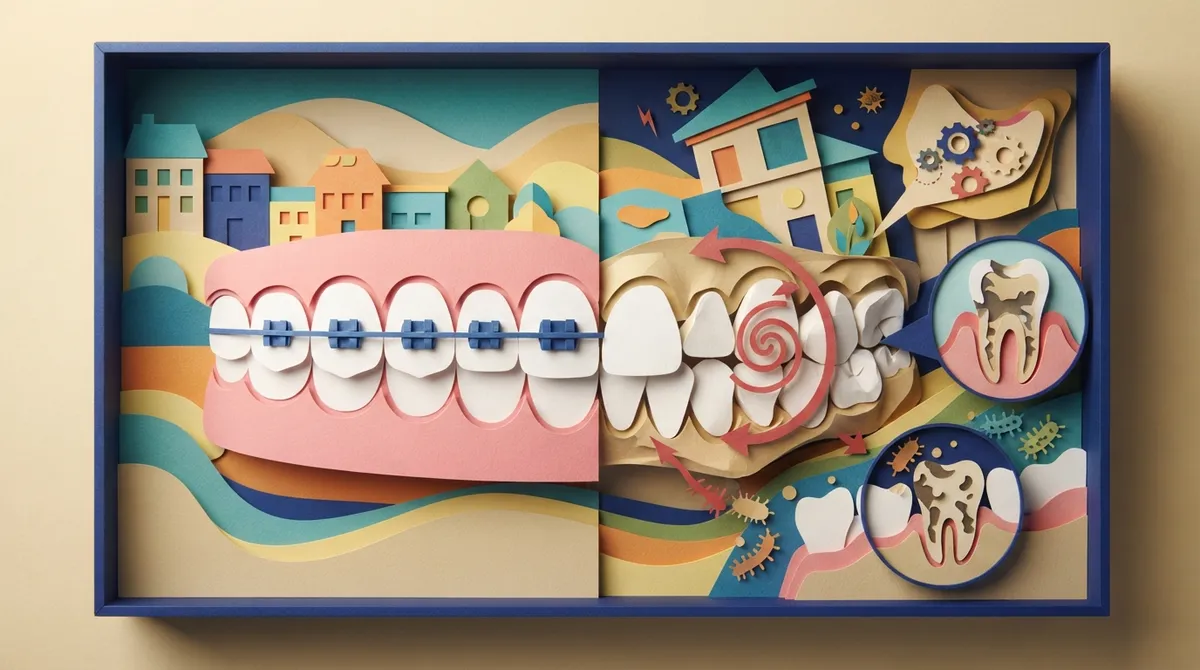
In many cases, nothing dramatic happens. In some cases, a bite or jaw problem can get worse, treatment can become more complex, or cleaning your teeth can get harder. The effect depends on your exact diagnosis, your age, and how your jaws are growing.
The best next step is simple. Get an evaluation. An orthodontist can tell you whether waiting is safe, whether monitoring makes sense, or whether it is time to start.
The 13 Things to Know About Postponing Treatment
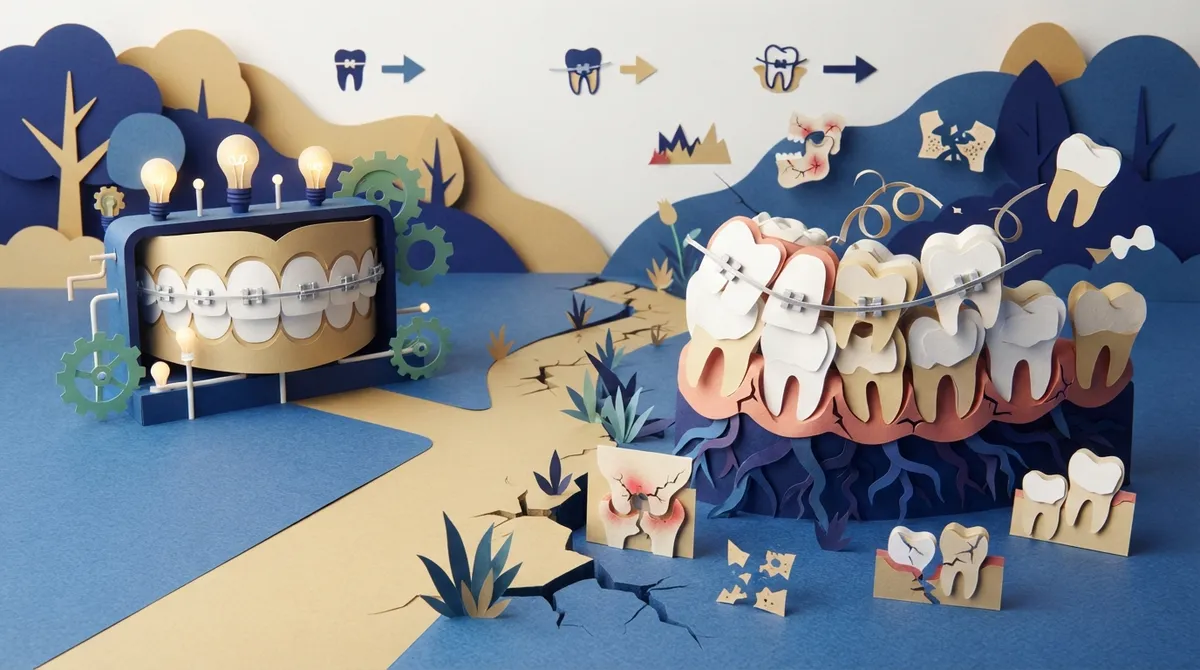
1. Waiting Is Not Always a Bad Thing
Let’s start with some good news. Many children do not need treatment right away. Some kids are simply watched for a while as their adult teeth come in. This is called monitoring, and it is a normal part of care.
If your orthodontist says it is okay to wait, that is not a delay. That is a plan. Our guide on why an orthodontist might tell you to wait on braces explains this in more detail.
2. Some Problems Can Worsen Over Time
Certain bite and tooth problems can change as a child grows. Crowding can get tighter. A crossbite can stay put or become more pronounced. Protruding front teeth can stay exposed to bumps.
That does not mean every problem gets worse. It means some can. This is why a professional look matters more than guessing.
3. Growth Timing Can Matter
This one is a big deal for kids. While a child is still growing, an orthodontist may be able to guide how the jaws develop. For some jaw and bite problems, treatment during growth can make correction easier.
If treatment waits until growth is nearly complete, some growth-guidance options may no longer be available. Certain corrections can then be more difficult. Again, this does not apply to every patient or every condition.
4. The Age 7 Check-Up Is Not a Treatment Start
The American Association of Orthodontists (AAO) recommends an initial orthodontic evaluation by age 7, or sooner if a parent or dentist notices a concern. That check-up is not a promise of braces.
Think of it like a well-child visit for your child’s bite. Most seven-year-olds leave with a simple “let’s keep an eye on things.” You can learn more in our guide to why early evaluation isn’t treatment.
5. Cleaning Can Get Harder
Crowded or overlapping teeth make nooks and crannies. Those tight spots are hard for a toothbrush and floss to reach. Over time, that can raise the risk of cavities and gum problems for some people.
This is a possible risk, not a sure thing. Great brushing and flossing habits help a lot. Regular dental cleanings help too.
6. Tooth Wear and Injury Are Possible Risks
Some bites cause teeth to rub together in the wrong spots. Over many years, that can lead to abnormal wear. Front teeth that stick out far can also be more likely to chip if a child takes a fall or a ball to the mouth.
If your child plays sports, mention this at the visit. It helps us understand how urgent the issue really is.
7. Treatment Can Become More Complex Later
A delay can mean a problem is more complex to treat down the road. Some cases may need a different or longer plan. But here is the key point: postponement does not automatically mean surgery, longer treatment, or worse results.
The effect depends on the diagnosis. A simple spacing issue may look the same in two years. A developing jaw problem may not.
8. Adults Can Still Get Treatment
Missed the window as a kid? Take a deep breath. It is not too late. Adults get braces and clear aligners every day. Your plan may need to account for finished jaw growth and any existing gum or dental conditions, but great results are very possible.
Curious? See 14 facts that prove adults can get braces in 2026, or read about adult orthodontics in Clearwater.
9. Teens Have Big Life Moments Coming
For teens and young adults, timing is often about life events. Graduation, prom, a new job, or a wedding can all feel like deadlines. If you wait too long, you may feel rushed later.
Most teens do well starting once their permanent teeth are in. If a big event is on the calendar, plan ahead. Our tips on planning orthodontic treatment before a wedding can help you work backward from the date.
10. Past Patients Can Face Relapse
If you had braces before, postponing a retainer check can matter too. Teeth can drift over time, especially the lower front teeth. Waiting years to address shifting can make the fix bigger than it needed to be.
Good news: retreatment is common and often very doable. Read about 9 clues your teeth are moving to see what to watch for.
11. Gum and Dental Health Still Come First
Active decay or gum disease may need attention before orthodontic treatment begins. So if you postpone braces, do not postpone your dentist visits. Healthy gums and teeth make everything go smoother later. See why cavities need attention before orthodontic treatment for more.
12. Costs Depend on the Case, Not Just the Calendar
Many families worry that waiting will cost more. The truth is more nuanced. Cost is shaped by how long treatment takes and how complex the case is. A delay only raises costs if it makes the case more involved. Learn how treatment length affects orthodontic costs in 2026.
If budget is the reason you are waiting, ask about options. Monthly payment plans for braces can make starting sooner more realistic.
13. A Plan Beats a Guess
The smartest way to postpone is with a plan. Ask what to watch for, how often to return, and what changes would mean it is time to act. That turns “waiting” into “monitoring,” which is a much better place to be.
When Waiting Is Usually Fine vs. When to Act Sooner
Every smile is different, so please treat this table as a general guide, not a diagnosis. Your orthodontist makes the final call.
| Situation | Often Okay to Monitor | May Benefit From Earlier Attention |
|---|---|---|
| Mild crowding in a young child | Yes, while adult teeth come in | If crowding is severe or teeth are blocked out |
| Small gaps between teeth | Often yes | If gaps affect the bite or bother your child |
| Crossbite | Sometimes | Often worth an early look during growth |
| Protruding front teeth | Sometimes | If teeth are at risk of injury |
| Underbite | Rarely | Usually worth an early evaluation |
| Mild adult crowding | Yes, with good hygiene | If cleaning is hard or teeth are shifting |
How Postponing Looks at Different Ages
Timing has a different feel at each stage of life. Here is a quick comparison.
| Age Group | What Timing Means | Helpful Next Step |
|---|---|---|
| Ages 6 to 8 | Jaws and bite are developing. Early check-up helps. | Schedule an evaluation by age 7 |
| Ages 9 to 12 | Permanent teeth are coming in. Many treatment plans begin. | Follow up on any monitored concerns |
| Ages 13 to 17 | Most permanent teeth are in. Full braces or aligners are common. | Plan around school and events |
| Adults | Jaw growth is finished. Gum health matters more. | Evaluate bite, gums, and goals together |
According to AAO guidance, many patients who need treatment begin between ages 9 and 16. That is a common pattern, not a rule for every child.
What to Do If You Need to Postpone
Sometimes waiting is the right call. Maybe it is the wrong season, the wrong budget, or the wrong moment for your family. That is okay. Here is how to do it well.
- Get an evaluation first. Know whether your case is safe to watch.
- Ask about monitoring. Find out how often to come back for check-ups.
- Learn the warning signs. Ask what changes to watch for, such as new crowding, a shifting bite, or jaw pain.
- Keep up with dental visits. Cleanings and exams protect the health of your teeth and gums.
- Brush and floss well. Crowded areas need extra care.
- Set a follow-up date. Put it on your calendar so it does not slip away.
If you are not sure what to ask, our guide on how to ask the right questions about early treatment is a handy starting point.
Signs It May Be Time to Stop Waiting
Not sure whether to book that visit? Here are some common signs that a check-up is a good idea:
- Teeth that look crowded, overlapping, or twisted
- Front teeth that stick out or do not meet at all
- Trouble chewing, biting, or speaking clearly
- Jaw that shifts or makes noise when opening
- Baby teeth that fall out very early or very late
- Thumb sucking or mouth breathing that continues
- Teeth that seem to be moving after past orthodontic care
See several of these? Take a look at 10 common orthodontic problems families notice in 2026 or how to know when your family needs an orthodontist.
Your Options When You Are Ready
When the time comes, you have choices. Brockway Orthodontics offers metal braces, ceramic (clear) braces, and Spark™ Clear Aligners, a more affordable option for many patients. Which one fits best depends on your goals, your bite, and your lifestyle.
Not sure which way to lean? Our comparison of braces vs. clear aligners in Clearwater can help you think it through. We also use modern tools like digital impressions and 3D imaging. That means no goopy molds and a more precise plan. In some cases, we can even offer same-day treatment to fit busy schedules.
Why Local, Personal Care Makes Waiting Easier
Postponing is much less stressful when you have someone in your corner. Dr. Brockway takes time to listen to your concerns and explain your options in plain, friendly language. We treat the whole family, from kids to teens to adults, so everyone can get care under one roof.
You can see what neighbors say about us anytime. Visit us on Google — Brockway Orthodontics to read patient reviews and find our Clearwater location. You can also learn more about the field from the Florida Association of Orthodontists and the American Dental Association, both great resources for oral health basics.
Final Thoughts
So, what happens if treatment is postponed? Sometimes very little. Sometimes a problem grows more complex. The only way to know which one applies to you is to get a clear answer from a specialist. Waiting is not a mistake when it is a plan. It is only a problem when it happens by accident.
Whether you are a parent wondering about a seven-year-old, a teen eyeing prom photos, or an adult who has put off a smile upgrade for years, we are here to help with zero pressure. Book your free consultation online and find out where you stand. Prefer to talk first? Contact our friendly Clearwater team and we will be happy to answer your questions.
FAQs
Q: What happens if my child’s orthodontic treatment is delayed?
A: It depends on your child’s bite and how their jaws are growing. Some problems stay about the same, while others can become harder to correct if growth finishes first. A quick evaluation tells you which camp your child is in.
Q: Does my child need braces right away after an orthodontic evaluation?
A: Not usually. The American Association of Orthodontists recommends a first check-up by age 7, but that visit is about watching development, not starting braces. Many kids simply return for periodic monitoring until the timing is right.
Q: Can delaying braces make treatment more difficult or take longer?
A: It can for some conditions, especially certain jaw and bite problems that are easier to guide during growth. For many other cases, waiting changes very little. Delay does not automatically mean surgery or longer treatment, so ask your orthodontist about your specific case.
Q: Can adults still get orthodontic treatment if they missed the ideal time as a child?
A: Absolutely! Adults can get braces or clear aligners at any age. Your plan may need to account for finished jaw growth and any gum or dental conditions, but a missed childhood window does not mean it is too late.
Q: What should I do if I need to postpone my orthodontic appointment or treatment?
A: Let your orthodontist know and ask whether your case should be monitored. Find out what changes to watch for and when to return, and keep up with regular dental cleanings. Active decay or gum disease may need attention first, so keeping your teeth healthy helps you start smoothly later.
Our Service Area