Key Takeaways
-
Phase one orthodontic treatment is early care for children in the mixed-dentition stage, roughly ages 6 to 13, when both baby and permanent teeth are present, aimed at guiding jaw growth.
-
An orthodontic check-up is recommended when a concern is first noticed and no later than age 7, and it is an evaluation, not an automatic start to treatment.
-
Many children who get an early check-up are told to watch and wait, which is a good outcome rather than a missed opportunity.
-
Phase one is only recommended for specific problems such as certain crossbites, narrow upper jaws, long-term thumb sucking, crowding, or early baby tooth loss.
-
Phase one is often not braces; it may involve an expander, partial braces on a few teeth, habit counseling, or simple monitoring.
-
Phase one does not guarantee that braces will be skipped later, so ask the orthodontist whether a Phase Two may be needed and request a written fee breakdown.
Picture this: your seven-year-old grins at you over breakfast, and you notice a front tooth sitting a little crooked. Or maybe their top teeth seem to bite behind the bottom ones. You wonder, “Is this normal? Should we do something now, or wait?” If that sounds familiar, you are in good company. Many parents ask the same thing, and one of the first answers they hear is phase one orthodontic treatment.
So, what is phase one orthodontic treatment? In plain terms, it is early care for a child who is still growing. It happens while baby teeth and adult teeth are both in the mouth. The goal is to guide growth and fix certain problems at a helpful time. It is not meant for every child, and it does not always replace braces later. Let’s walk through what it is, who may need it, and what to expect, so you can feel calm and confident about your next step.
What Is Phase One Orthodontic Treatment?
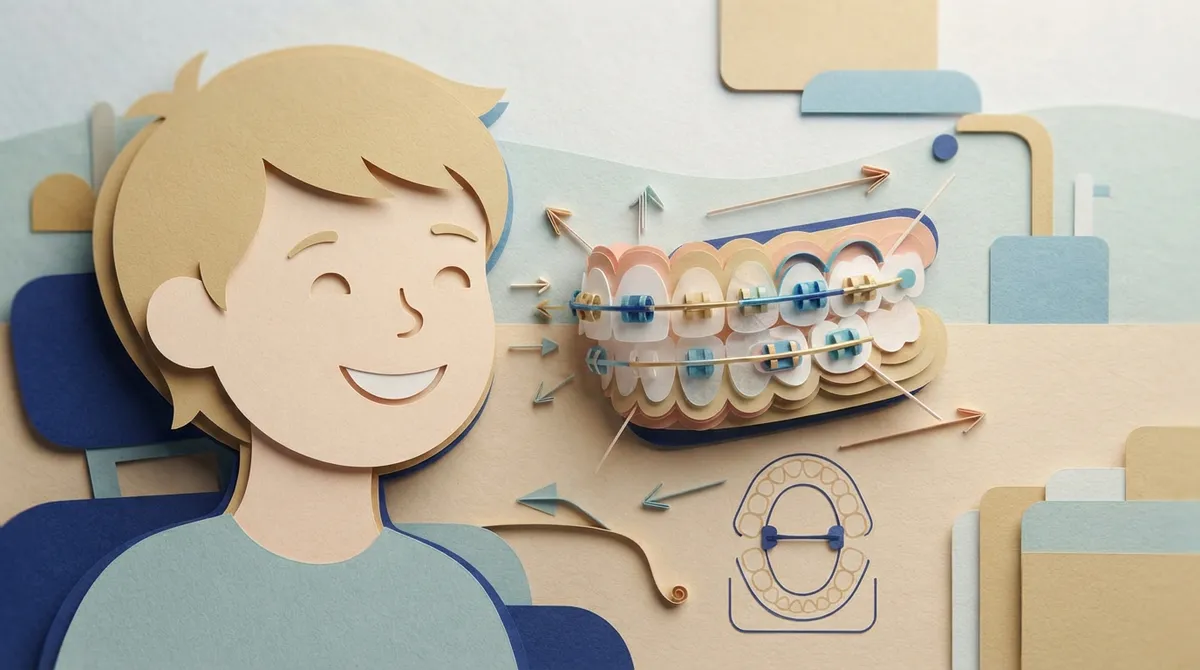
Phase one orthodontic treatment is also called Phase I, early treatment, or interceptive orthodontics. It is care given during the mixed-dentition stage. That is the time when a child has both baby teeth and new permanent teeth. The American Academy of Pediatric Dentistry describes this stage as roughly ages 6 to 13, though every child grows on their own schedule.
The idea is simple. A child’s jaws and face are still developing. Some problems are easier to guide while that growth is happening. Phase one gives an orthodontist a chance to step in early and help certain bite or jaw concerns before they get bigger.
Here is what phase one is not:
- It is not a full set of braces for every child at age 7.
- It is not a guarantee that later braces will be skipped.
- It is not a one-size-fits-all plan.
Every phase one plan is built around the child’s own teeth, bite, and growth. That is why a personal exam matters so much.
The Age 7 Check-Up: Evaluation, Not Treatment
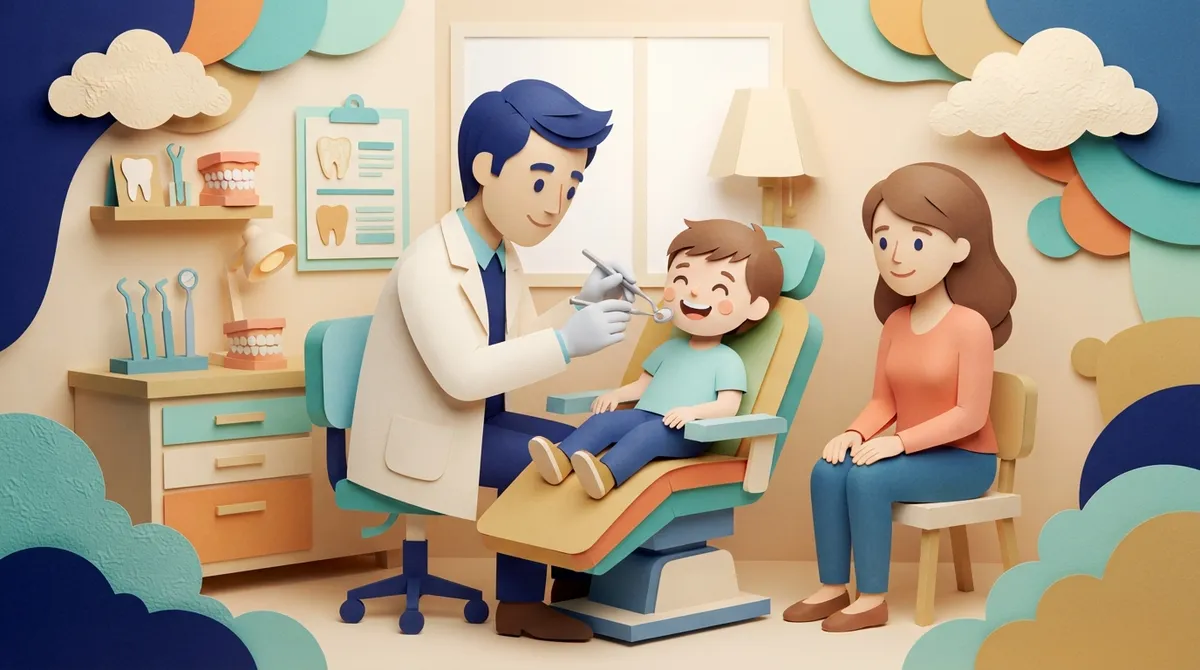
Many parents hear “age 7” and assume treatment must start then. That is a common mix-up. The American Association of Orthodontists (AAO) recommends an orthodontic check-up when a concern is first noticed, and no later than age 7. This is a screening visit. It is a look-around, not a start date for braces.
At this visit, the orthodontist checks how the teeth are coming in and how the upper and lower jaws line up. Then there are really three possible answers:
- Treat now. A problem is developing, and early care may help.
- Watch and wait. The teeth look fine for now, and we will check again as more permanent teeth arrive.
- No treatment needed. Your child’s bite is developing well.
Many kids fall into the second or third group. That is good news, not a missed chance. If you want to learn more about this idea, our guide on why an early evaluation isn’t treatment breaks it down in a friendly way. You can also read about age 7 versus waiting to see how timing plays out.
What Problems Can Phase One Address?
Phase one is chosen only when there is a clear reason. Depending on the diagnosis, it may address issues like these:
- Certain crossbites. This is when some upper teeth sit inside the lower teeth instead of outside. Learn more in our article on what crossbite treatment is.
- Narrow jaws or jaw-growth differences. If the upper and lower jaws are growing at different rates or the upper jaw is narrow, early care may help guide things.
- Harmful oral habits. Thumb sucking or pacifier use that goes on for a long time can affect how teeth and jaws develop.
- Crowding and eruption trouble. Sometimes teeth have no room to come in. Read more about what causes crowding in children’s developing teeth.
- Spacing and early tooth loss. Losing baby teeth too soon can change how nearby teeth move. See why early loss of baby teeth matters.
- Protruding front teeth. Teeth that stick out may be more at risk of injury. Early evaluation helps decide if treatment makes sense.
Not every child with one of these needs phase one. A mild case may be best watched. A more serious one may benefit from early care. Only an exam can tell the difference.
What Does Phase One Treatment Look Like?
Phase one is not always braces. In fact, many early plans use simple tools. Depending on your child’s needs, treatment may include:
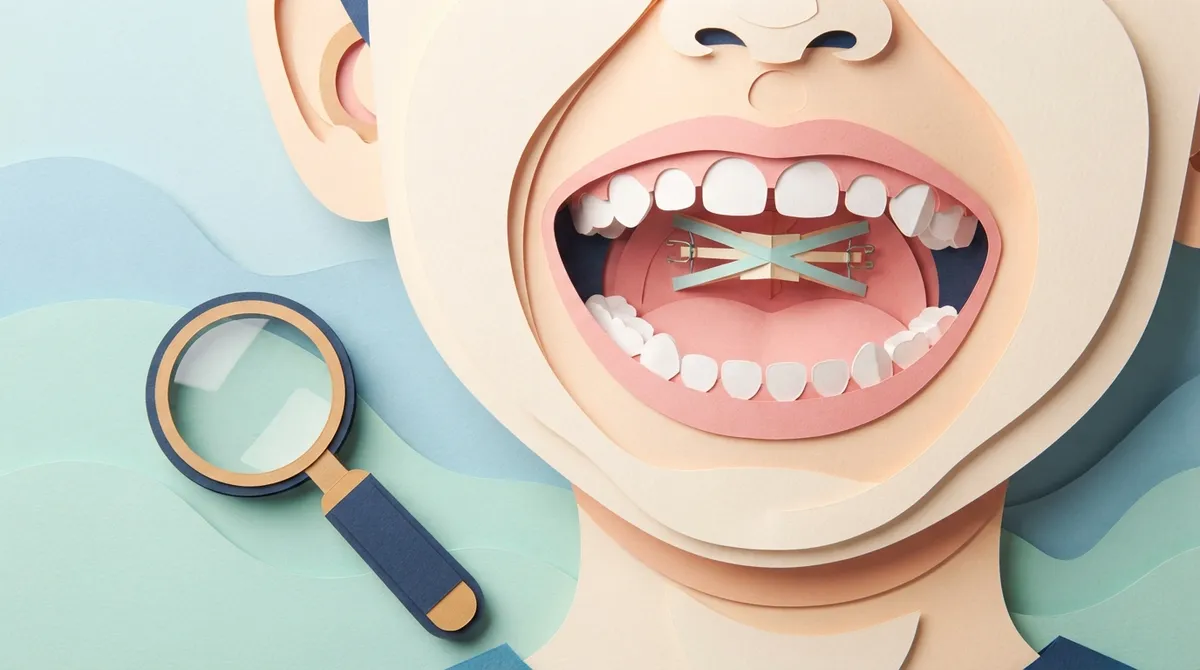
- An orthodontic appliance, such as an expander to widen a narrow upper jaw
- Partial braces on a few teeth to fix a specific problem
- Habit counseling to help a child stop thumb sucking or similar habits
- Monitoring with regular visits to track growth
If your child needs an expander, you may have questions about how it works and how to care for it. Our palatal expander guide walks through the basics. It also helps to teach kids good habits early, and we share ideas in how parents can help kids build appliance care habits.
What Are the Goals of Early Treatment?
A common goal is to guide how the jaws and dental arches develop. Another is to make room so permanent teeth can come in more easily. A third is to lower the risk or size of a specific problem that is just starting.
It helps to be honest about what phase one cannot promise. It does not guarantee that your child will skip braces later. The AAPD stresses that the right choice depends on the child’s diagnosis, growth, and family situation. The benefits of treating now must be weighed against the risks and the option of waiting. A good orthodontist will talk through all of this with you openly.
Phase One vs. Phase Two: What’s the Difference?
Because phase one often starts before all the permanent teeth have come in, a second step may follow. That is called Phase Two. Here is a quick comparison:
| Feature | Phase One | Phase Two |
|---|---|---|
| Typical timing | While baby and permanent teeth are both present | After most or all permanent teeth have come in |
| Main focus | Guide jaw and arch growth, address a specific early problem | Align the permanent teeth and refine the bite |
| Common tools | Expanders, partial braces, habit help, monitoring | Full braces or clear aligners |
| Is it always needed? | No, only for selected cases | Depends on how the child develops |
Some children finish phase one and then take a break. During that rest period, the orthodontist keeps an eye on the teeth as they erupt. Later, Phase Two may or may not be needed. Our article with 14 phase one vs phase two orthodontics facts goes deeper, and you can also see 3 reasons some kids need two phases of braces.
Is Phase One Right for Your Child? Questions to Ask
Every family wants to make a wise choice. Here are a few friendly questions to bring to the orthodontist visit:
- What exact problem are you seeing in my child’s bite or jaws?
- What happens if we wait and watch instead?
- What tools or appliances would you use, and how long might each step last?
- Will my child likely need a Phase Two afterward?
- What are the costs, and how do payment options work?
There is no standard treatment length for phase one. It depends on the diagnosis and the plan, so be wary of anyone who gives a one-size answer. Our guide on how to ask the right questions about early treatment can help you prepare. If you are thinking about money, read how treatment length affects orthodontic costs and our look at braces payment plans for Clearwater families.
Signs Your Child May Benefit from an Early Check-Up
You do not need to wait for age 7 if something seems off. Consider booking a visit if you notice any of these:
- Baby teeth that fall out very early or very late
- Trouble chewing or biting
- Mouth breathing or loud snoring
- Thumb sucking that continues past the preschool years
- Teeth that look crowded, stick out, or do not meet well
- A jaw that shifts or looks uneven when your child bites down
None of these on their own mean treatment is needed. They simply mean a quick look is a smart idea. For a longer list, see 9 signs your child needs braces, or read how to know if your child needs early orthodontic care.
The Cost of Waiting vs. Starting Early
Parents sometimes worry that early care means paying twice. That is a fair concern, and it is worth asking about. In some cases, a small early fix can make later treatment simpler. In others, waiting is the better choice. The right path depends on your child.
What matters most is a clear plan. Ask for a written breakdown so you know what each phase may involve. We cover why that matters in why a written orthodontic fee breakdown matters. Insurance can also play a role, and our guide on how to use dental insurance to help pay for braces is a good place to start.
How Brockway Orthodontics Can Help
At Brockway Orthodontics, Dr. Brockway takes time to listen to your concerns before suggesting anything. She explains what she sees in simple words and lays out every option, including the option to wait. Our office uses digital impressions instead of messy molds and 3D imaging to plan with care, which many kids find much more comfortable. We also offer early treatment, along with braces and Spark™ Clear Aligners for older kids, teens, and adults, so one practice can care for your whole family.
If you would like to hear what other local families say, you can visit us on Google — Brockway Orthodontics and read the reviews. You can also learn about general oral health from the American Dental Association and find more about orthodontic care in our state through the Florida Association of Orthodontists.
For more on our early care options, visit our page about early treatment, or read about when your child should see an orthodontist.
Final Thoughts: Early Doesn’t Always Mean Braces
So, what is phase one orthodontic treatment? It is a thoughtful, personal approach to guiding a growing child’s smile at the right moment. It is used when there is a real reason, and it is skipped when waiting is wiser. The most important step is simply getting your child checked, so you know where you stand.
Ready to find out what your child needs? Book an appointment online and meet Dr. Brockway. If you have questions first, you can contact us anytime. We would love to help your child feel proud of their smile.
FAQs
Q: At what age should a child have their first orthodontic evaluation?
A: The American Association of Orthodontists recommends a check-up when a concern is first noticed, and no later than age 7. This is just a look at how things are developing, not a promise that treatment will start. Many kids simply get a “let’s watch and wait” answer, and that is a great outcome!
Q: Does every child need phase one braces?
A: Not at all! Early treatment is only for certain kids with specific developing problems. Many children do just fine waiting until more permanent teeth come in, and some never need early care at all.
Q: Will my child need Phase Two after Phase One?
A: Maybe, maybe not. Because phase one often starts before all the adult teeth arrive, a second phase may be suggested to align the permanent teeth and refine the bite. Whether it is needed depends on how your child develops and what the original problem was.
Q: How long does phase one orthodontic treatment take?
A: There is no single answer, since the timeline depends on your child’s diagnosis and treatment plan. Your orthodontist can give you a realistic estimate after an exam. Be cautious of anyone who promises one fixed length for every child.
Q: What appliances are used in phase one orthodontics?
A: It depends on the problem being treated. Plans may include an expander to widen a narrow jaw, partial braces on a few teeth, habit counseling, or simple monitoring. The plan is always personalized to your child.
Our Service Area