Key Takeaways
-
Mild dull pressure or tenderness that peaks within 24-48 hours of a new tray and gradually fades is normal and usually needs only a mention at your next visit.
-
Call your provider if pain is sharp, severe, worsening, or not improving after several days, and note when it started and its 1-10 intensity.
-
Never force a tray that won't seat fully or rocks loosely, and do not change your tray schedule on your own; call your orthodontist instead.
-
Report mouth sores, cuts, bleeding, or swelling on gums, cheeks, or tongue, and avoid trimming or filing the tray at home.
-
Seek prompt or urgent care for swelling, fever, pus, or inability to open your mouth, rather than waiting for your next scheduled appointment.
So you started clear aligners, and now your teeth feel a little… different. Maybe there’s pressure. Maybe a spot on your cheek feels sore. Maybe you’re lying awake wondering, “Is this normal, or should I call someone?” You are not alone, and asking that question is smart.
Here’s the good news: some soreness is a normal part of straightening teeth. The tricky part is knowing what discomfort to discuss with your aligner provider and what you can simply ride out. This guide walks you through exactly that, in plain language.
We’ll cover what typical aligner soreness feels like, which warning signs deserve a call, and how to describe your symptoms so your orthodontist can help quickly. Think of this as a friendly checklist you can keep handy. Whether you’re a parent watching your teen’s progress, a busy professional with a packed calendar, or an adult returning for retreatment, you’ll find clear steps below.
Why Aligners Cause Discomfort in the First Place
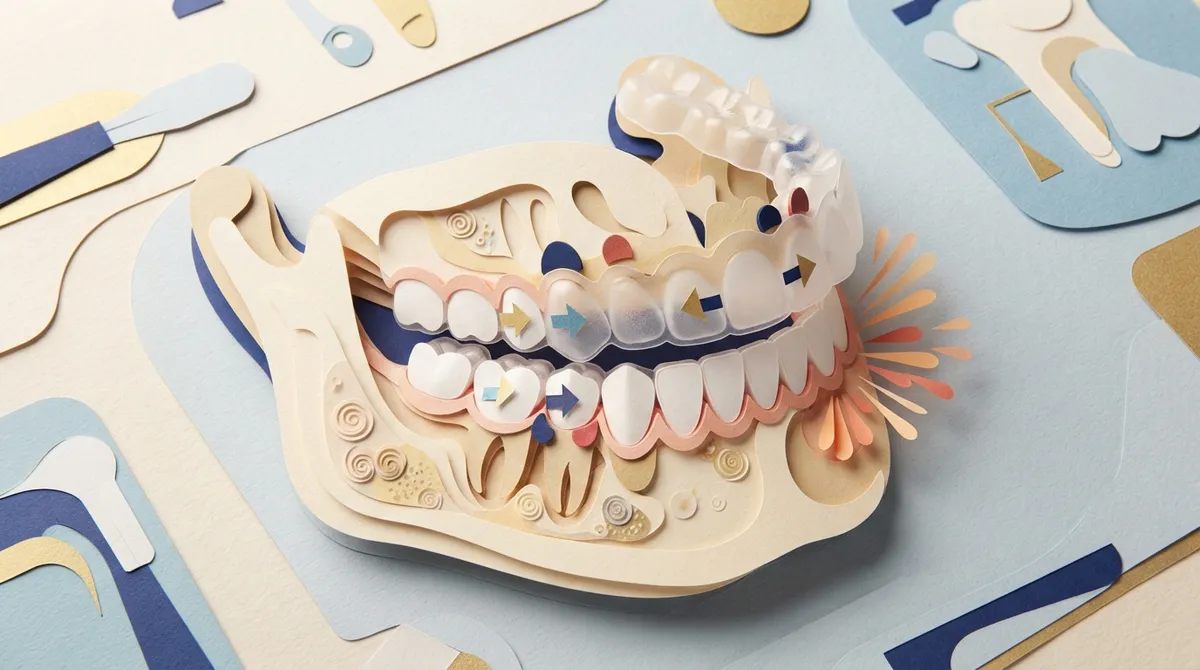
Aligners work by applying gentle, steady pressure to move teeth. That pressure is the whole point. When a new tray goes in, your teeth and the tissue around them need a little time to adjust. Mild tenderness is a sign the tray is doing its job.
Research backs this up. A 2023 systematic review and meta-analysis found that pain from both clear aligners and fixed braces commonly peaked about 24 to 48 hours after an initial adjustment, then slowly faded. A 2020 systematic review also found that Invisalign patients generally reported less pain than patients with fixed appliances during the first few days, though that gap did not last. A 2025 scoping review noted that pain and quality-of-life effects are strongest early in treatment, with several studies showing improvement by the end of the first week.
Every mouth is different, though. These studies describe groups of people, not you personally. That’s why your own symptoms, how long they last, and whether anything else is going on matter more than a fixed pain number.

What Normal Aligner Soreness Feels Like
Before we talk about red flags, let’s set a baseline. Normal soreness usually looks like this:
- Dull pressure or tenderness across several teeth, not just one
- Extra sensitivity when biting or when taking the tray in and out
- Soreness that peaks in the first day or two with a new tray
- Gradual improvement over the next few days
- Discomfort that returns briefly when you switch to the next tray
If that sounds like you, take a breath. You’re likely right on track. Still, it never hurts to mention it at your next visit so your provider knows how you’re adjusting. If you want a deeper look at how pressure moves teeth, our guide on how removable aligners straighten teeth explains the process step by step.
How to Spot Discomfort That Needs Your Provider’s Attention
Here is the heart of it. The goal is not to panic over every twinge. It’s to notice patterns that don’t match the usual adjustment period. Use these steps as a simple decision path.
- Check the timing. Is it still within the first few days of a new tray? If so, mild soreness is expected. If it isn’t easing after several days, make a note.
- Check the intensity. Is it dull and manageable, or sharp, severe, or getting worse? Sharp or worsening pain is worth a call.
- Check the fit. Does the tray seat fully? If it rocks, feels very loose, or won’t click into place, tell your provider.
- Check your mouth. Look for sores, cuts, bleeding, or swelling on your gums, cheeks, or tongue.
- Check your bite. Do your teeth meet differently than before? Is chewing harder than it should be?
- Check your jaw. Is there new or worsening jaw pain, clicking, or trouble opening wide?
If any of those steps raises a flag, it’s time to reach out. Let’s break each one down.
Discomfort Category 1: Severe, Sharp, or Persistent Pain
Mild ache is common. Sharp, severe, or worsening pain is not something to just push through. Pain that doesn’t start improving after several days, or that lasts beyond the expected adjustment window, deserves professional advice.
It also helps to notice where the pain is. If one tooth hurts much more than the others, mention that specifically. It might simply be a tooth that is moving more than its neighbors, or it could point to a fit issue. Either way, your orthodontist can look and tell you.
Quick tip: jot down when the pain started, how strong it feels on a scale of 1 to 10, and what makes it better or worse. That tiny note makes your call far more useful.
Discomfort Category 2: A Tray That Doesn’t Fit Right
A snug tray is normal. A tray that feels unusually loose, won’t seat fully, or rocks on your teeth is a different story. Poor fit can slow your progress and cause extra soreness.
Here’s the big rule: do not force a poorly fitting tray and do not change your tray schedule on your own. Pushing a tray into place or skipping ahead can cause problems. Call your provider and ask what to do. If you’re curious about when old trays might still be useful, see how to decide whether to keep previous aligner trays.
Discomfort Category 3: Mouth Sores, Cuts, and Swelling
Sometimes the tray itself is the culprit. A rough edge or damaged spot can rub your gums, cheeks, or tongue. Report any of these:
- Persistent gum, cheek, or tongue irritation
- Cuts, sores, or bleeding
- Swelling in your gums or face
Please resist the urge to trim, file, or heavily modify your tray at home. A rough or cracked tray may need to be checked or adjusted by your orthodontist. A small fix by a professional beats a big problem later.
Discomfort Category 4: New Bite or Chewing Problems
Your bite will change as teeth move, and that’s expected. But if your teeth suddenly meet in a way that feels off, or chewing becomes difficult, say so. The FDA notes that aligner use without proper supervision can be associated with bite problems, unintended tooth movement, pain, and even tooth loss. That’s one big reason ongoing monitoring by a trained provider matters.
Your orthodontist can check whether your teeth are moving as planned and adjust your treatment if they’re not. To understand why bite changes happen, read 9 reasons your bite changes during orthodontic treatment.
Discomfort Category 5: Jaw Pain and Other Unexpected Symptoms
New or worsening jaw pain is worth mentioning, even if it seems unrelated. So is anything else that feels out of the ordinary. You know your body best.
Some symptoms call for faster action. Significant swelling, fever, pus, or difficulty opening your mouth needs prompt clinical attention. If symptoms are severe, urgent care may be the right move. Don’t wait for your next scheduled appointment in those cases.
Quick Reference: Normal vs. Time to Call
Use this table as a fast gut check.
| What You Notice | Usually Normal? | Action |
|---|---|---|
| Dull pressure with a new tray | Yes | Mention at your next visit |
| Soreness peaking in 1-2 days, then easing | Yes | Monitor and rest |
| Sharp, severe, or worsening pain | No | Call your provider |
| Pain not improving after several days | No | Call your provider |
| Tray rocks, feels loose, or won’t seat | No | Call; don’t force it |
| Sores, cuts, bleeding, or swelling | No | Call for an assessment |
| Bite feels different or chewing is hard | Sometimes | Report it |
| Fever, pus, swelling, or can’t open mouth | No | Seek prompt or urgent care |
Simple Ways to Ease Normal Soreness at Home
For typical adjustment soreness, a few gentle habits can help you feel more comfortable:
- Eat soft foods like yogurt, soup, and scrambled eggs for a day or two
- Keep wearing your trays as directed so teeth don’t shift back and make the next switch harder
- Take trays out only when needed for eating, drinking anything but water, and cleaning
- Ask your provider about over-the-counter options that suit your health and age
If you’re dealing with sore spots from braces rather than aligners, our article on 6 truths about braces pain every patient should know has helpful comfort ideas too.
How to Describe Your Symptoms So You Get Faster Help
When you call or message, a little preparation goes a long way. Try to share these details:
- Which tray number you’re on and when you switched to it
- Where the discomfort is (one tooth, a whole side, your jaw, your gums)
- What it feels like (dull, sharp, throbbing, burning)
- How long it has lasted and whether it’s getting better or worse
- Whether the tray fits normally
- Any sores, swelling, or bite changes you’ve noticed
A photo of the sore spot or the tray can help, too. Your provider will tell you if you need an in-person visit.
Tips for Parents, Teens, and Busy Adults
Parents: Kids and teens don’t always speak up about pain. Ask open questions like, “Does your tray feel snug, or does anything rub?” Check their mouths for sores now and then. Our guide on ways parents can support teen oral hygiene offers more ideas.
Teens and young adults: Skipping wear time to avoid soreness backfires. It can make the next tray feel tighter. Tell your orthodontist instead; they’ve heard it all and want to help.
Adult professionals: If a tray is causing problems before a big presentation or trip, call early. Many fixes are quick, and it’s easier to adjust a plan than to push through discomfort.
Retreatment patients: If you’ve had orthodontic work before, your teeth may respond differently this time. Share your history so your provider can plan around it.
Why Regular Check-Ins With Your Provider Matter
Aligners are most effective when a trained orthodontist is guiding the process. Regular monitoring lets your provider catch fit issues, track tooth movement, and address discomfort before it grows. If you’re weighing options, you might like our comparison of braces vs. clear aligners.
At Brockway Orthodontics in Clearwater, Dr. Brockway takes the time to listen to your concerns and explain what you’re feeling in easy-to-understand terms. We offer Spark™ Clear Aligners, along with metal and ceramic braces, so we can adjust your plan if aligners aren’t the right fit for how your mouth responds. You can also visit us on Google — Brockway Orthodontics to see what local patients say about their care.
For general guidance on dental health, the American Dental Association is a trusted resource, and you can find more on aligner safety through the FDA’s patient information on clear dental aligners.
When It’s an Emergency
Most aligner discomfort is not an emergency. But some situations should not wait:
- Swelling that spreads or is significant
- Fever along with mouth pain
- Pus or signs of infection
- Trouble opening your mouth
- Severe pain that over-the-counter relief doesn’t touch
If you’re unsure whether you need urgent help, read what counts as an emergency orthodontist visit in Clearwater. And when in doubt, call. It’s always better to ask.
Final Thoughts: Speak Up, Smile Sooner
Here’s the simple takeaway. Mild, short-lived soreness with a new tray is normal. Sharp, severe, worsening, or lingering pain; a poor-fitting tray; mouth sores or swelling; bite changes; and jaw trouble are all worth a conversation with your provider. You are never “bothering” us by asking.
Your comfort and your results go hand in hand. The more openly you share what you feel, the better your treatment can go.
Have a symptom you’re not sure about? Book an appointment online or contact us and the Brockway Orthodontics team will gladly take a look. Your best smile is worth a quick call.
FAQs
Q: Is it normal for clear aligners to hurt when I start a new tray?
A: Yes, mild pressure or soreness with a new tray is very common, especially in the first day or two. It usually eases over the next few days and may return briefly when you switch trays. If the pain is sharp, severe, or keeps getting worse, give your orthodontist a call.
Q: How long should soreness from a new aligner last?
A: Research shows aligner soreness often peaks around 24 to 48 hours after a new tray and then fades. Everyone is a little different, so there’s no exact timer. If it isn’t improving after several days, it’s a great time to check in with your provider.
Q: What should I do if my aligner won’t seat fully?
A: Please don’t force it or skip ahead to a new tray on your own. Call your orthodontist, describe how the tray feels, and follow their instructions. A quick check can keep your treatment on track.
Q: Should I report gum sores or cuts from my aligners?
A: Yes, absolutely. Persistent irritation, sores, cuts, bleeding, or swelling can mean a tray is rough or damaged. Your provider can assess it and make a safe adjustment, so there’s no need to trim it yourself.
Q: What symptoms need urgent attention with clear aligners?
A: Significant swelling, fever, pus, or trouble opening your mouth need prompt clinical care, and severe symptoms may call for urgent care. Don’t wait for your next routine visit if you notice any of these. When in doubt, reach out right away.
Our Service Area