Key Takeaways
-
Trays are made as a sequence, and each one assumes the previous stage has already moved your teeth to the planned position, so switching early asks teeth to jump multiple steps at once.
-
Switching early rarely speeds up treatment; a poor fit, gaps, or off-track movement often leads to extra trays, refinements, or going back a stage, adding time instead of saving it.
-
Do not force a tray that will not seat. Visible gaps, sharp pain, or lasting soreness are signs to call your orthodontist rather than push through.
-
A comfortable or loose tray does not mean you can advance; fit and comfort do not replace the prescribed wear interval or a clinical check.
-
Follow your orthodontist's personal schedule, which usually changes trays every one to two weeks, and wear aligners about 20 to 22 hours daily, since missed wear time also stalls movement.
-
If you switched early by accident, check the fit, note how many days early it was, watch for symptoms, and call your orthodontist before deciding whether to go back or continue.
We get it. You are excited. Your smile is changing, you can see the progress in the mirror, and that next tray is sitting right there in the box. It is tempting to pop it in a few days early and speed things along. Plenty of patients, from busy parents to college students to working professionals, have wondered the same thing.
Here is the friendly truth about why not to skip ahead to a new aligner: it almost never makes treatment faster. In many cases it does the opposite. Your trays are made as a sequence, and each one expects your teeth to be in a certain spot before it takes over. Rushing that handoff can leave you with a poor fit, extra soreness, and a longer road to your final smile.
In this guide, we will walk through how aligner trays really work, what can go wrong when you switch early, and what to do if you have already jumped the gun. At Brockway Orthodontics in Clearwater, Florida, we want you to feel confident and informed every step of the way.
How Clear Aligner Trays Actually Work
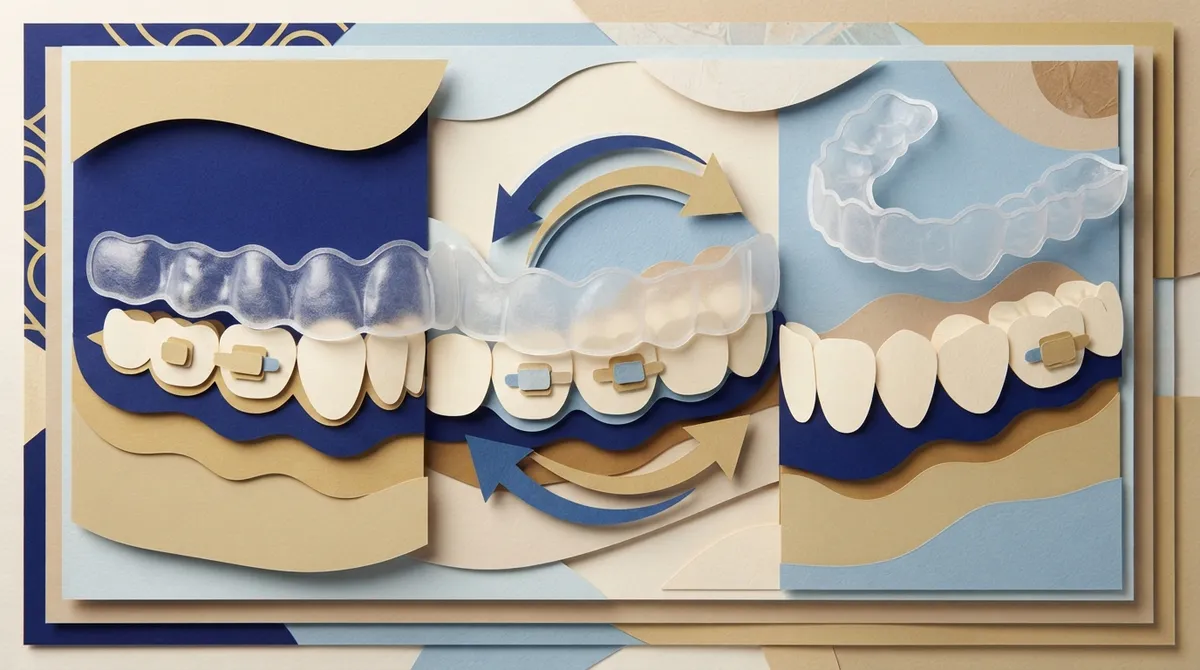
Think of your aligner plan like a staircase. Each tray is one step. Your teeth climb a tiny bit with every stage, and the next tray is built for the spot you are supposed to reach, not the spot you are in right now.
Every tray applies a planned set of gentle forces. Your teeth need time to respond to those forces. Bone and the tissue around each tooth slowly remodel as the tooth moves. That process cannot be hurried by changing trays sooner.
Your provider designs the whole sequence digitally before you ever wear the first tray. Each stage is timed to give your teeth a fair chance to move the planned amount. If you want to see the big picture, our guide on how removable aligners straighten teeth breaks it down in simple steps.
The Next Tray Assumes Progress
The key idea is simple. The next tray assumes the current stage has already done its job. If your teeth have not caught up, the new tray is asking them to jump two steps at once. Teeth do not work that way.

Why Not to Skip Ahead to a New Aligner: The Top Reasons
Let us get into the heart of it. Here are the main reasons we ask patients to stay on schedule.
- Teeth need time to respond. Movement happens gradually. Early switching asks for more than your teeth can give.
- The tray may not fit well. A tray built for a later position can leave gaps or feel hard to seat.
- Tracking can fall behind the plan. If teeth do not follow the planned path, the next stages may not line up.
- You may need extra trays or refinements. Fixing a derailed plan can add time, not save it.
- Comfort can suffer. A poor fit may cause more pressure and soreness than normal.
Notice what is missing from that list? Any real way to finish sooner. Skipping ahead feels like a shortcut, but it usually turns into a detour.
What Happens If You Switch Early
Switching ahead of schedule does not reliably shorten treatment. If your teeth have not tracked the planned movement, the new tray may fit poorly, leave visible gaps, or be tough to snap into place. That can mean extra wear time, going back to an earlier tray, or a round of refinements to get things back on track.
Here is a quick look at what you might notice.
| What You Notice | What It Might Mean | What to Do |
|---|---|---|
| Tray will not fully seat | Teeth have not moved enough for this stage | Do not force it. Call your orthodontist. |
| Visible gaps between tray and teeth | Teeth are behind the plan | Ask whether to go back or keep wearing the current tray. |
| Sharp or lasting pain | Fit or force may be off | Do not push through. Reach out to your provider. |
| Mild pressure for a few days | Normal response to a new tray | Keep to your schedule and wear the tray as directed. |
Soreness Is Not a Reason to Speed Up
A new tray can cause temporary pressure or mild soreness. That is normal. But strong or lasting pain is not something to power through, and it is definitely not a sign to switch faster. If a tray hurts a lot or will not seat, that is a good time to call us.
Does a Loose or Comfortable Tray Mean You Can Advance?
This one trips up a lot of patients. Your current tray feels loose, or maybe it feels like nothing at all. You think, “My teeth must be ready!”
Not necessarily. Fit and comfort are not substitutes for the prescribed wear interval or a clinical check. A tray can feel comfortable even when your teeth have not fully reached the planned position. Your orthodontist looks at the whole picture, including your progress, your tray fit, and your treatment plan.
The same goes for patients who feel like their trays are “not doing anything.” Teeth move in small steps, so the change from one stage to the next can be subtle. Trust the plan, and let us help you check your progress at your visits. Our article on how to keep your clear aligner timeline on track has handy tips for staying consistent.
How Long Should You Wear Each Aligner Tray?
This depends on your treatment plan. Public patient guidance often describes changes about every one to two weeks. Some plans use weekly or biweekly changes. But that is a general range, not a rule for everyone.
Your orthodontist sets your personal schedule. That schedule takes priority over anything you read online, including this article. If your provider says every two weeks, then every two weeks is your number.
Wear Time Matters Just as Much
Switching on time is only half the story. Daily wear matters too. Invisalign patient guidance recommends wearing aligners about 20 to 22 hours per day. You take them out to eat, to drink anything other than water, and to brush. Always follow the specific instructions for your plan.
If you skip wear time, your teeth may not move as planned. That means your tray might not be ready to hand off to the next one, even if the calendar says it is. Want a deeper look? Read our post on how many hours a day aligners should be worn.
Why This Matters for Every Age Group
No matter who you are, the same biology applies. But the reasons people are tempted to rush can look a little different.
- Parents of kids and teens: You want your child to finish before a big event or school year ends. Staying on schedule protects the plan and avoids surprise extra trays.
- Teens and young adults: Graduation, prom, or a big trip may be around the corner. Rushing can backfire right when you want your smile to shine.
- Working professionals: You are busy and want results fast. A derailed plan costs more time and more visits, which is the opposite of what you want.
- Relapse patients: If you are doing treatment again, you have already invested in your smile. Following the plan helps protect that investment.
- Health-conscious patients: Slow, steady movement is gentler on teeth and the tissue around them.
Speaking of timing, teens in particular can benefit from knowing what to expect. Check out our guide on whether Invisalign Teen fits your teenager if you are a parent weighing options.
I Already Switched Early. Now What?
First, take a breath. It happens, and it is not the end of the world. Lots of patients do it by accident, like grabbing the wrong tray or miscounting the days.
There is no universal rule about whether to switch back or keep going. The right move depends on how early you changed, how the tray fits, any symptoms you have, and your individual plan. That is why we always say to call your orthodontist.
Here is a simple way to handle it.
- Check the fit. Does the tray seat fully and feel snug without gaps?
- Note how early you switched. One day early is very different from a week early.
- Pay attention to symptoms. Mild pressure is normal. Sharp or lasting pain is not.
- Do not force the tray. Pushing a tray that will not seat can cause problems.
- Call your orthodontist. Tell them what happened, and they will guide your next step.
We would much rather hear from you early than have a small hiccup turn into a big delay. If you need help right away, contact us and our team will walk you through it.
Should You Keep Old Trays?
Many patients wonder what to do with their previous trays. They can be handy if a tray is lost or breaks, or if your provider asks you to step back a stage. Ask your orthodontist what they recommend for your plan. Our article on how to decide whether to keep previous aligner trays can help you sort it out.
How to Stay on Track and Still Feel Great About Your Progress
Staying on schedule does not have to feel like a chore. A few small habits make it much easier.
- Set phone reminders for tray change days and for putting your aligners back in after meals.
- Mark a calendar with your tray numbers and switch dates.
- Keep a travel case handy so trays are never wrapped in a napkin.
- Brush before you put trays back in to keep your teeth and trays clean.
- Bring questions to every visit. If you are unsure about timing, ask.
Cleaning matters too, since a clean tray is a comfy tray. Our simple guide on how to clean clear aligners shows how to do it safely.
Why Brockway Orthodontics Is a Great Partner for Your Aligner Journey
At Brockway Orthodontics, we believe the best results come from teamwork. Dr. Brockway takes time to listen to your goals and explain each step in friendly, plain language. You will always know what to expect.
We offer Spark™ Clear Aligners, a more affordable option for patients who want a discreet way to straighten their teeth. We also offer metal braces and ceramic (clear) braces, so there is a fit for every smile and every budget. If you are comparing options, our guide on braces vs. clear aligners can help.
We also use modern tools like digital impressions and 3D imaging, which help us plan your treatment with care and track your progress. It is all about making your visit comfortable and your results reliable. You can even see what other families say by reading reviews on our Brockway Orthodontics Google page.
For general guidance on oral health, trusted resources like the American Dental Association and the Florida Association of Orthodontists are great places to learn more.
The Bottom Line on Skipping Ahead
It is natural to want your new smile as soon as possible. But the best way to get there is to follow the plan, trust the process, and check in with your orthodontist when something feels off.
Here is the quick recap. Trays are made as a sequence. Each one assumes the last did its job. Switching early rarely saves time and can cause poor fit, soreness, and extra treatment. Stay on schedule, wear your aligners as directed, and call us with any questions.
Ready to start your smile journey the right way? Book your appointment online and let our Clearwater team create a plan that fits your life. We cannot wait to meet you!
FAQs
Q: Can I switch to my next clear aligner tray early?
A: It is best not to. Each tray is timed so your teeth can move the planned amount before the next one takes over. If you are itching to move ahead, ask your orthodontist first, since they know your plan best.
Q: What happens if I change aligners before the scheduled date?
A: Your new tray may fit poorly, leave gaps, or be hard to seat, and your teeth may not track as planned. That can lead to extra wear time, going back a tray, or refinements. If it happens, call your orthodontist for guidance.
Q: Does switching aligners early make treatment faster?
A: Not reliably. Teeth move on their own biological timeline, so changing trays sooner does not make them move sooner. In many cases it adds time because the plan has to be corrected.
Q: Should I go back to my previous aligner if I switched too soon?
A: There is no one-size-fits-all answer. It depends on how early you switched, how the tray fits, any symptoms, and your treatment plan. Reach out to your orthodontist and they will tell you whether to go back or keep going.
Q: When should I call my orthodontist about aligner pain or poor fit?
A: Call if a tray will not seat, has noticeable gaps, or causes strong or lasting pain. Mild pressure for a few days after a new tray is normal, but anything more than that deserves a quick check-in.
Our Service Area