Key Takeaways
-
An orthodontic check-up is recommended by age 7, or sooner if you notice a problem, and this visit is an evaluation rather than the start of treatment.
-
Protruding front teeth can stem from teeth, jaws, or both, so only an orthodontic exam can reveal the true cause and guide the treatment plan.
-
Prolonged thumb sucking or pacifier use can influence how teeth and bite develop, so bring up persistent habits with your orthodontist.
-
A Cochrane review found early treatment with a functional appliance was linked to fewer new incisor injuries (19% vs. 30%) than waiting until adolescence.
-
Many children with protruding front teeth are simply monitored, and routine two-phase treatment shows no broad advantage over one course of treatment in adolescence.
-
Protruding front teeth are more vulnerable to injury, so ask your orthodontist whether a mouthguard makes sense if your child plays sports.
Have you ever looked at your child’s smile and noticed that the top front teeth seem to stick out a bit? You’re not alone, and please don’t worry. Many parents notice this and wonder what it means, whether it will fix itself, and when to call an orthodontist.
The good news is that protruding front teeth in children are very common, and there are caring, proven ways to handle them. The key is knowing what you’re looking at, what can cause it, and when the timing is right for treatment. Every child grows at their own pace, so the plan should be just as personal.
In this friendly guide, we’ll walk through 14 facts every parent should know. You’ll learn what causes the problem, why the age 7 check-up matters, what the research says about early treatment, and what your options may look like. Let’s dive in together.
Understanding What Protruding Front Teeth Really Are
1. It Usually Means Increased Overjet
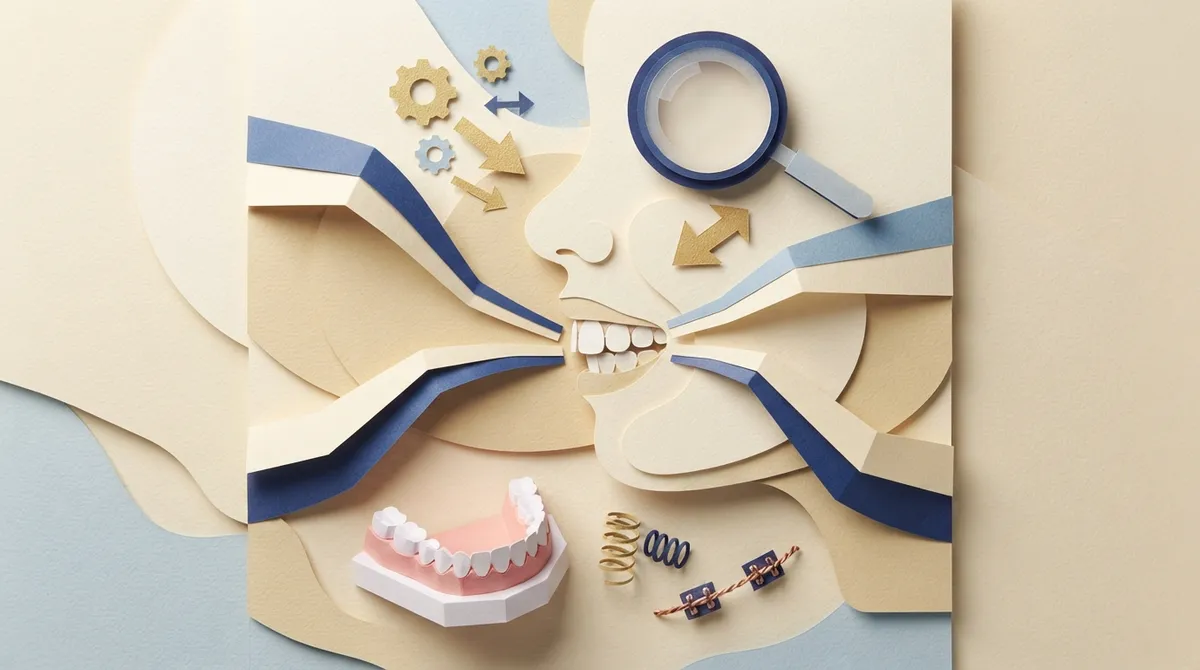
When people talk about protruding front teeth in children, orthodontists usually call it increased overjet. That simply means the upper front teeth sit noticeably ahead of the lower front teeth. Think of it as a gap between the top and bottom teeth when your child bites down.
A little overjet is normal. A larger amount is what parents usually notice, and it can be a reason for an evaluation. If you’d like to learn how this differs from a similar term, see our guide on the difference between overjet and overbite.
2. The Cause Can Be Teeth, Jaws, or Both
Here’s something many parents don’t expect. Protruding teeth don’t always mean the teeth themselves are the problem. The look can come from where the teeth sit, from how the upper and lower jaws relate to each other, or from a mix of both.
That’s why a quick glance in the mirror can’t tell you the full story. An orthodontic exam is needed to find the true cause, and the cause shapes the treatment plan.
3. It’s Often Called a Class II Bite Pattern
You may hear your orthodontist use the term Class II malocclusion. In plain words, it describes an upper jaw or upper teeth that sit ahead of the lower ones. Many children with protruding front teeth fall into this group.
Don’t let the clinical name worry you. It’s just a way for your care team to describe the bite pattern and choose the right approach.
What Can Cause Protruding Front Teeth in Children
4. Genetics Play a Big Role
Jaw size, tooth size, and bite patterns often run in families. If a parent or sibling had prominent front teeth, a child may be more likely to have them too. This is nobody’s fault, and it’s nothing you did wrong.
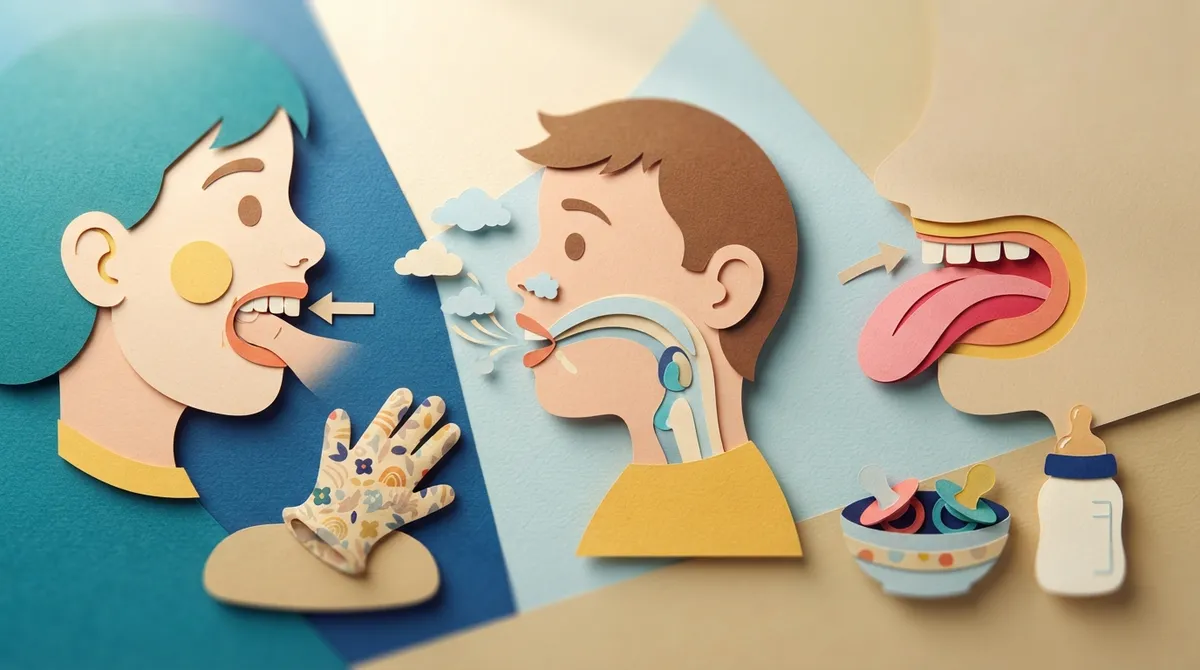
5. Thumb Sucking and Pacifier Use May Contribute
Prolonged thumb or finger sucking and long-term pacifier use can be linked to protruding front teeth. The steady pressure can influence how the teeth and bite develop over time. Many children stop on their own, and that’s perfectly normal.
If the habit continues, it’s worth bringing up with your orthodontist. We’ll look at the whole picture instead of blaming a single cause. Our article on when to discuss oral habits with an orthodontist can help you decide when to ask.
6. Other Habits and Growth Patterns Can Matter
Some oral habits and patterns of jaw growth can also play a part. A good clinician won’t assume one single cause. Instead, they’ll look at your child’s bite, dental development, and facial growth together. You can read more about this in our post on jaw growth and bite development.
Why Early Evaluation Matters
7. A Check-Up by Age 7 Is Recommended
The American Association of Orthodontists recommends an orthodontic check-up by age 7, or sooner if you first notice a problem. By this age, a mix of baby teeth and adult teeth is usually present, which gives an orthodontist a great view of how things are developing.
Here’s the part that surprises many families: a check-up is not the same as starting treatment. It’s simply a look ahead. To understand the difference, read why early evaluation isn’t treatment, or compare options in age 7 vs. waiting.
8. Many Children Are Simply Monitored
After the first visit, lots of kids go home with a plan to watch and wait. Your orthodontist may schedule periodic reviews to track growth, new teeth, and any changes in the bite. This is a normal, healthy part of care, not a sign that something is wrong.
9. Protruding Teeth May Be More Vulnerable to Injury
A noticeable overjet can make the upper front teeth more likely to be hurt in a fall or while playing sports. For active kids, this is a real consideration. It’s one of the main reasons an orthodontist might discuss earlier treatment for certain children.
Along with injury risk, your orthodontist also considers function, how the teeth are developing, facial growth, and how your child feels about their smile.
What the Research Says About Treatment Timing
10. Early Treatment Can Reduce New Injuries to Front Teeth
A well-known Cochrane review looked at orthodontic treatment for prominent upper front teeth in children. It compared treating children early with a functional appliance versus waiting and treating in adolescence.
The review found that early treatment was linked with fewer new incisor injuries. The numbers below tell the story.
| Measure | Early Treatment | Treatment in Adolescence |
|---|---|---|
| Children with new incisor trauma | 19% (31 of 161) | 30% (51 of 171) |
| Odds ratio for trauma | 0.56 (95% CI 0.33 to 0.95), 332 children, moderate-quality evidence | |
11. There’s No Broad Advantage to Routine Two-Phase Treatment
Here’s the honest part. Aside from the lower injury rate, the same review found no other clear overall advantage to two-phase treatment compared with one course of treatment in adolescence. For many children, waiting and treating once is a perfectly good plan.
That doesn’t mean early care is wrong. It means the decision should be individual. Our guide on phase one vs. phase two orthodontics explains what each stage involves, and you can read about common mistakes parents make with early treatment too.
Treatment Options for Protruding Front Teeth
12. Several Approaches May Be Used
There’s no single fix that suits every child. Depending on the diagnosis, growth stage, severity, and goals, your orthodontist may suggest one of these paths.
- Observation and periodic review: Watching growth and tooth eruption over time.
- Removable appliances: Devices your child can take out, used for selected cases.
- Fixed appliances: Braces that stay in place to guide teeth into position.
- Functional appliances: Tools that work with growth to improve how the jaws and bite relate.
Which one is right depends on your child’s unique needs. You can also explore our early treatment services to see how we approach younger patients, and learn how braces correct a deep overbite for a related look at bite correction.
13. Timing and Appliances Depend on the Growth Stage
Functional appliances are often used while a child is still growing, because they can work with natural growth. Braces may come later, once more adult teeth have arrived. Here’s a simple way to compare the general approaches.
| Approach | Typical Timing | What It Aims To Do |
|---|---|---|
| Observation | Ongoing, with periodic reviews | Track growth and development |
| Early treatment (selected children) | While baby and adult teeth are mixed | Address bite and lower injury risk |
| Treatment in adolescence | When most adult teeth are in | Complete correction in one phase |
Teens often have more choices at this stage, from braces to aligners. If your child is heading toward that stage, you might enjoy our post on braces vs. clear aligners for kids.
14. Ask About Benefits, Time, Cost, and Next Steps
Before you start, have an open talk with your orthodontist. Good questions include how long treatment may take, what it may cost, what benefits to expect, and whether more treatment might be needed later. Every family deserves clear answers and a plan that feels comfortable.
Cost matters too. If you’re budgeting, our guide to how treatment length affects orthodontic costs and braces monthly payment plans can help you plan ahead.
What to Do If You Notice Protruding Front Teeth
Spotting it early is a gift to your child. Here’s a simple path to follow.
- Take a calm look. Notice how the top and bottom front teeth meet, and whether your child has habits like thumb sucking.
- Book an orthodontic check-up. Aim for around age 7, or sooner if something stands out.
- Share your child’s history. Mention habits, past mouth injuries, and family bite patterns.
- Ask about timing. Find out whether to monitor, start early, or wait until adolescence.
- Protect active smiles. If your child plays sports, ask whether a mouthguard makes sense.
Not sure how to prepare? Take a peek at how to prepare for your first visit to an orthodontist and when your child should first see an orthodontist.
Why Families Trust Brockway Orthodontics
At Brockway Orthodontics in Clearwater, Florida, Dr. Brockway takes the time to listen to your worries and explain every option in simple, friendly terms. Our practice uses modern tools like digital impressions and 3D imaging, so there are no messy molds for your little one. We offer care for the whole family, from kids to teens to adults, and our goal is for every child to leave feeling confident and happy.
You can read what families say by visiting our Brockway Orthodontics location on Google. For general guidance on dental health, the American Dental Association is a trusted resource, and you can find professional standards through the Florida Association of Orthodontists. For the research behind early treatment, see the Cochrane review on prominent upper front teeth in children.
Final Thoughts
Protruding front teeth in children are common, and they are very treatable. The most important step is simply getting your child seen so you know what’s going on. For some kids, that means watching and waiting. For others, early care can protect their smile from injury. Either way, you’ll have a clear plan and a team on your side.
If you’re ready to learn more, book an appointment online and let’s take a look at your child’s smile together. You can also contact us with any questions. We’d love to meet your family!
FAQs
Q: What causes protruding front teeth in children?
A: It can come from inherited jaw or tooth-size patterns, prolonged thumb sucking or pacifier use, and certain patterns of jaw growth. Often it’s a mix of factors, so an orthodontic exam is the best way to find the true cause for your child.
Q: At what age should a child with protruding teeth see an orthodontist?
A: The American Association of Orthodontists recommends a check-up by age 7, or sooner if you notice a problem. This visit is just an evaluation, and many children are simply monitored until treatment is the right fit.
Q: Do protruding front teeth in children correct themselves as they grow?
A: Sometimes the look changes during normal dental development, but a pronounced overjet usually needs an orthodontist’s eye. Your orthodontist can tell you whether to keep watching or plan treatment.
Q: Does my child need early treatment for protruding front teeth?
A: Not always. Early treatment may help selected children, especially those at higher risk of injuring prominent front teeth, but research shows no broad advantage of routine two-phase treatment over treating once in adolescence. Your orthodontist will help you decide what fits your child.
Q: Are protruding front teeth more likely to be injured?
A: Yes, a larger overjet can make the upper front teeth more vulnerable to accidental injury during falls or sports. This is one reason orthodontists sometimes talk about earlier treatment for certain kids.
Our Service Area