Key Takeaways
-
Overjet is the horizontal distance upper front teeth stick out past lower teeth, while overbite is the vertical overlap of upper teeth over lower teeth. You can have one, both, or neither.
-
Typical guidance is about 2 mm of overjet and about 2 to 4 mm of overbite, but these are general guides, not diagnoses, and an orthodontist exam is needed to know what is right for you.
-
A 2025 study of children aged 10 to 12 found that about 41% had increased overjet and about 52% had increased overbite, so mild bite differences are very common in kids.
-
Causes usually mix tooth position, jaw size or position, inherited traits, and childhood habits like prolonged thumb sucking or pacifier use, and the cause shapes which treatment works best.
-
Treatment ranges from braces and clear aligners for most cases to growth-modifying appliances for growing children, with jaw surgery reserved for severe jaw imbalances that are uncommon.
-
Many orthodontists suggest a first bite check around age 7, and retainer wear after treatment is essential to keep teeth from drifting back and bite changes from returning.
Have you ever heard your orthodontist say “overjet” and “overbite” in the same breath and wondered if they mean the same thing? You are definitely not alone! These two bite terms get mixed up all the time, even though they describe two very different things.
Here is the short version. Overjet is about how far your upper front teeth stick out. Overbite is about how far they cover your lower front teeth down. One is horizontal, and the other is vertical. You can have one, both, or neither.
Whether you are a parent noticing your child’s smile, a teen thinking about braces, or an adult who finished treatment years ago and sees changes, knowing the difference helps you ask better questions. In this guide, we will break down overjet versus overbite in plain, friendly language. We will cover how orthodontists measure each one, what causes them, and how they are treated. Let’s dive in!
What Is Overjet?
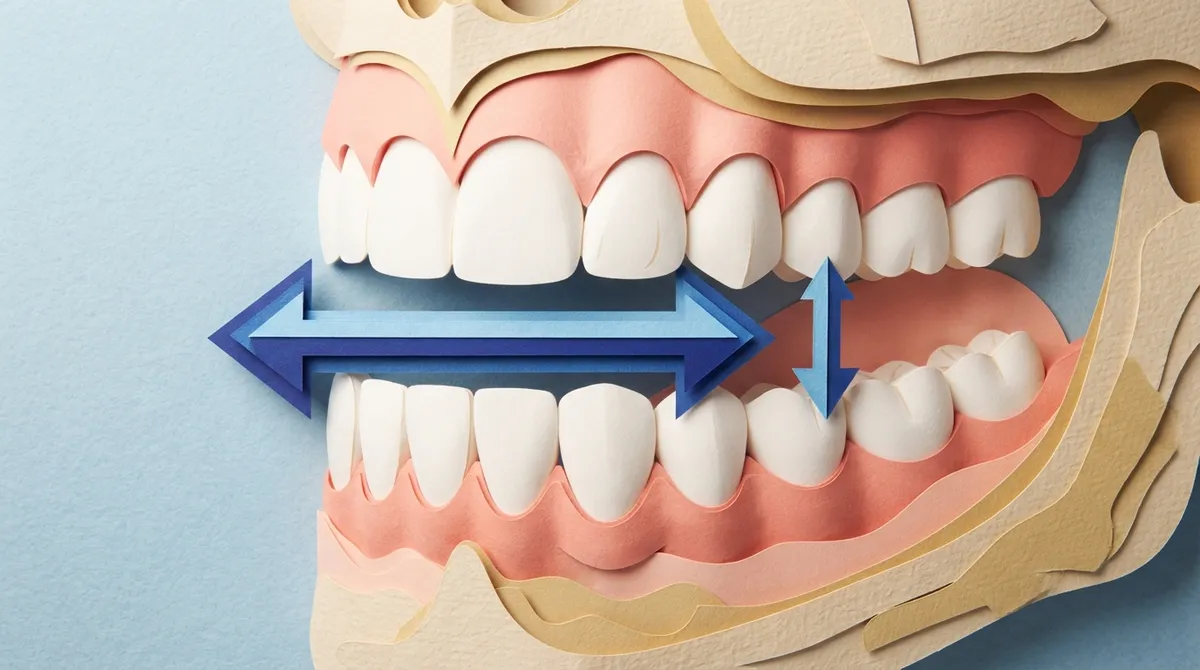
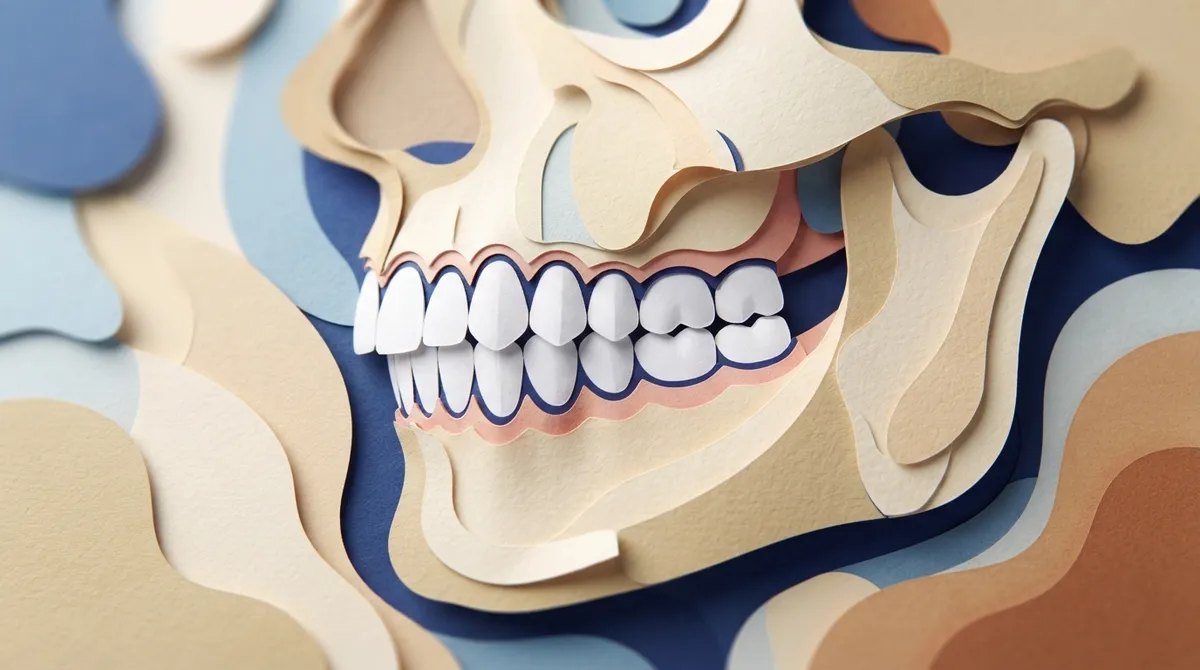
Overjet is the horizontal distance between your upper front teeth and your lower front teeth when your back teeth are closed together. Picture a ruler held flat, measuring how far the top teeth stick out past the bottom teeth.
When the overjet is larger than usual, the upper front teeth tip or sit forward. Many people call this “buck teeth.” It is one of the most common reasons families visit an orthodontist.
A little bit of overjet is completely normal. Teeth are not supposed to sit edge to edge. The goal is a healthy balance, not a perfect zero.
What Is Overbite?
Overbite is the vertical overlap of your upper front teeth over your lower front teeth. Think of it like the lid on a box. The top teeth should cover a bit of the bottom teeth, but not too much.
A small amount of overlap is healthy and helps teeth work together when you bite and chew. A deeper overbite means the upper teeth cover much more of the lower teeth than expected. In some cases, the lower teeth can almost disappear behind the upper ones.
If you want a closer look at related terms, our guide on deep bite vs overbite explains how these ideas connect.
Overjet vs. Overbite: The Key Differences
The easiest way to remember the difference is to think in directions. Overjet is forward and back. Overbite is up and down. Here is a quick side-by-side look.
| Feature | Overjet | Overbite |
|---|---|---|
| Direction | Horizontal (front to back) | Vertical (up and down) |
| What it measures | How far upper teeth stick out past lower teeth | How much upper teeth cover lower teeth |
| Common nickname | “Buck teeth” | “Deep bite” (when increased) |
| Typical general guidance | About 2 mm | About 2 to 4 mm |
| How it is seen | From the side view | From the front view, looking at overlap |
These numbers are general guidance, not a diagnosis. Different sources and clinics use slightly different cutoffs, so an exam with an orthodontist is the only way to know what is right for your smile.
Can You Have Both an Overjet and an Overbite?
Yes, absolutely! Because they measure different things, a person can have increased overjet, increased overbite, both together, or neither. Some people even have a normal overjet with a deep overbite, or the reverse.
Here are a few common combinations:
- Increased overjet only: Upper teeth stick out, but the vertical overlap looks normal.
- Increased overbite only: Upper teeth cover the lower teeth deeply, but they do not stick out much.
- Both increased: Upper teeth sit forward and also cover a lot of the lower teeth.
- Neither increased: The bite falls within a healthy range.
This is why a careful exam matters. Two people can both say “I have an overbite” and need very different treatment plans.
How Common Are These Bite Differences?
Bite differences are very common, especially in kids. A 2025 study of children aged 10 to 12 gives a helpful snapshot. Keep in mind that the study’s sample and definitions may not match every population.
| Measurement | Category | Share of Children |
|---|---|---|
| Overjet | Normal | 59% |
| Overjet | Mildly increased (3 to 4 mm) | 30.5% |
| Overjet | Increased (5 to 6 mm) | 7.4% |
| Overjet | Severely increased (over 7 mm) | 3.1% |
| Overbite | Normal (0 to 2 mm) | 48.3% |
| Overbite | Mildly increased (3 to 4 mm) | 37.9% |
| Overbite | Increased (5 to 6 mm) | 12.2% |
| Overbite | Severely increased (over 7 mm) | 1.5% |
The takeaway? If your child has a slightly bigger overjet or overbite, you are in very good company. Most cases are mild, and many are easy to monitor or treat.
What Causes an Overjet or Overbite?
There is rarely just one cause. Often it is a mix of factors that vary from person to person. Here are the most common contributors:
- Tooth position: Upper front teeth may tip forward, or lower teeth may sit farther back.
- Jaw size or position: The upper jaw may be larger or farther forward than the lower jaw, or the lower jaw may be smaller.
- Inherited traits: Bite patterns often run in families, so you may have gotten it from a parent or grandparent.
- Childhood habits: Long-term thumb sucking or pacifier use can influence how teeth and jaws develop.
Understanding the cause matters because it shapes the treatment. A tooth-based issue is handled differently than a jaw-based one. For a deeper look at how bites shift, see why dental misalignment happens and what helps.
How Do Orthodontists Measure Overjet and Overbite?
Good news: measuring is quick and painless. An orthodontic evaluation usually starts with a hands-on look at your bite, plus careful measurements of how your teeth meet.
Depending on your needs, your orthodontist may also use:
- Dental photographs of your smile and face
- Digital scans or impressions of your teeth
- X-rays to see tooth roots and jaw relationships
At Brockway Orthodontics, we use modern tools like digital impressions and 3D imaging, so there is no messy goop and we can plan your care precisely. If you are curious about the technology, read about intraoral scanning for orthodontics.
Why Do These Bite Differences Matter?
Many people care about the look of their smile, and that is a perfectly good reason to seek treatment. But bite health matters too. Here are a few things an orthodontist may consider:
- Injury risk: A larger overjet can leave front teeth more exposed to accidental bumps, especially during sports or play.
- Tooth wear: A pronounced overbite may contribute to extra wear on teeth in some cases.
- Gum or palate irritation: In certain deep bites, lower teeth can irritate the gums or roof of the mouth.
- Confidence: Feeling good about your smile is a real and valid benefit.
Not everyone with an increased overjet or overbite faces these issues. An orthodontist can look at your individual risks and tell you whether treatment is a good idea.
How Are Overjet and Overbite Treated?
Treatment depends on how big the difference is, your age, whether you are still growing, and whether the cause is in the teeth or the jaw. Here are the main options.
Braces
Braces are a trusted, flexible choice for many bite problems. They can tip teeth back, adjust vertical overlap, and guide the bite into a healthier balance. Metal and ceramic (clear) braces are both options. Learn more in our post on how braces fix a deep overbite.
Clear Aligners
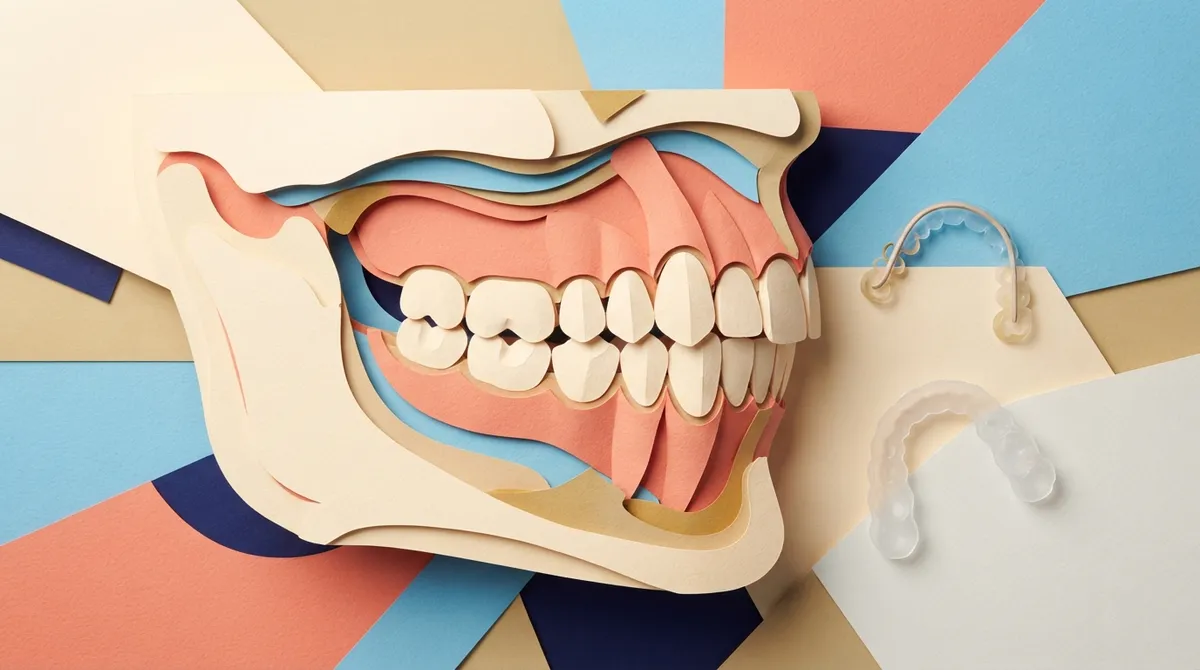
Clear aligners can treat many mild to moderate bite concerns, especially for teens and adults who want a discreet look. We offer Spark™ Clear Aligners, a more affordable alternative to Invisalign. To see how they work, check out how removable aligners straighten teeth.
Growth-Modifying Appliances for Kids
For growing children, certain appliances may help guide jaw growth while the bones are still flexible. Starting early can sometimes make later treatment simpler. Not every child needs this, which is why an early check-in is so helpful. Read more about phase one vs phase two orthodontics.
Jaw Surgery for Severe Cases
When the jaws themselves are significantly out of balance, orthodontics combined with corrective jaw surgery may be recommended. This is not common, and many people never need it. Your orthodontist will walk you through all options.
| Treatment Option | Best For | Key Benefit |
|---|---|---|
| Braces | Mild to complex bite issues, all ages | Precise, versatile control |
| Clear aligners | Mild to moderate cases, teens and adults | Discreet and removable |
| Growth-modifying appliances | Growing children | Guides jaw development |
| Orthodontics plus jaw surgery | Severe jaw discrepancies | Corrects the underlying jaw cause |
Not sure which path fits you? Our comparison of braces vs clear aligners can help you start the conversation.
What Age Is Best to Check Your Child’s Bite?
Many orthodontists suggest a first visit around age 7. At that age, a mix of baby and permanent teeth makes it easier to spot bite patterns early. It does not mean your child will need braces right away. Often, it just means we keep an eye on things.
If you are wondering about timing, our guide on age 7 vs waiting breaks it down in a parent-friendly way. Early looks can give you peace of mind and a clear plan.
What About Adults and Relapse Patients?
It is never too late to improve your bite. Many adults get treatment for the first time, and many others come back after earlier braces because their teeth shifted. Teeth can move over time, especially without steady retainer wear.
If your overjet or overbite has crept back, you are not failing. It is a common experience, and retreatment is a real option. Retainers help keep results in place, so see our tips on caring for your dental retainer.
What to Expect After Treatment
Once your teeth and bite are where they should be, retention begins. A retainer helps hold your new tooth positions steady. Skipping this step is one of the biggest reasons teeth drift back.
Your orthodontist will recommend the retainer type that fits your needs. If you want to compare, read about fixed vs removable retainers. Every treatment choice and expected result needs an individual exam, so your plan will be made just for you.
Why Choose Brockway Orthodontics?
At Brockway Orthodontics, Dr. Brockway is more than a qualified orthodontist in Clearwater, Florida. She listens to your concerns and goals, explains your options in friendly, easy language, and makes sure you feel comfortable from the first visit to the last. We care for the whole family, from kids to teens to adults, with braces and clear aligners tailored to your smile.
Curious what other families think? See what neighbors say when you visit us on Google — Brockway Orthodontics. You can also learn about our standards through professional groups like the Florida Association of Orthodontists and the American Dental Association.
Ready to Learn More About Your Bite?
Overjet and overbite may sound like complicated terms, but now you know the secret: one is out, and one is down. The best next step is a simple exam to see where your smile stands. There is no pressure, just clear answers and a plan that fits your life.
Ready to find out more? Book your appointment online and meet the Brockway Orthodontics team. If you have questions first, you are always welcome to contact us. We cannot wait to help you smile with confidence!
FAQs
Q: What is the difference between overjet and overbite?
A: Overjet is the horizontal distance your upper front teeth stick out past your lower front teeth. Overbite is the vertical overlap of the upper teeth over the lower teeth. Think of overjet as “out” and overbite as “down.”
Q: What is considered a normal overjet or overbite?
A: General patient guidance describes about 2 mm of horizontal projection and about 2 to 4 mm of vertical overlap as typical. Thresholds vary between sources, so these numbers are a guide and not a diagnosis. Your orthodontist will look at your whole bite to know what is healthy for you.
Q: Can an overjet or overbite be corrected in children without braces?
A: Sometimes! For growing kids, certain growth-modifying appliances may help guide jaw development before braces are needed. Whether this works depends on your child’s age, growth, and the cause of the bite issue, so an early exam is the best way to find out.
Q: When does an overjet or overbite require jaw surgery?
A: Jaw surgery is only considered for severe cases where the jaws themselves are significantly out of balance. In those situations, orthodontics is combined with corrective jaw surgery. Most people with an overjet or overbite never need surgery, and your orthodontist will review every option with you.
Our Service Area