Key Takeaways
-
Adults in their thirties can start orthodontic treatment; there is no upper age limit, and candidacy depends on healthy teeth, gums, and supporting bone rather than age.
-
Resolve gum disease, untreated cavities, and plaque buildup with your dentist or periodontist before any teeth are moved, since moving teeth with inflamed gums can cause more damage.
-
Adult treatment relies on tooth movement alone because jaw growth is finished, so bite complexity, past crowns or bridges, and missing teeth shape which option works.
-
Braces handle complex bites, while clear aligners offer a discreet look but require consistent daily wear; choose based on your bite complexity and lifestyle.
-
Median adult treatment length was about 22 months per the AAO's 2025 survey, though simple cases can finish sooner and missed visits or skipped aligner wear can slow progress.
-
Wear your retainer as directed from day one, since teeth can shift over time and relapse is a common reason adults return for another round of treatment.
So you’re in your thirties, and you’ve been quietly thinking about straightening your teeth. Maybe you catch your smile in a work video call and wince. Maybe your teeth have drifted since your teen years. Or maybe you never had braces at all, and now you’re ready. Good news: you are not too late!
Starting orthodontic treatment in your thirties is more common than ever. The American Association of Orthodontists (AAO) estimated about 1.91 million adults were in active treatment with its U.S. members in 2024, up from about 1.64 million in 2022. You are in very good company.
This friendly guide walks you through how to get started, step by step. We’ll cover what to check first, how to pick between braces and clear aligners, how long it takes, and how to protect your results for life. Let’s get you smiling with confidence.

Is Starting Orthodontic Treatment in Your Thirties Really Possible?
Yes, it is! There is no upper age limit for orthodontic care. Teeth move because of healthy bone and gum tissue, not because of your birthday. If your teeth, gums, and supporting bone are healthy, starting orthodontic treatment in your thirties is often a great option.
Age alone does not decide if you’re a good candidate. An orthodontist needs to look at your bite, your dental history, and your gum health. That exam is what really tells you what is possible.
Here is how adult treatment can differ from teen treatment:
- Jaw growth is finished. Teens can use growth to help guide their bite. Adults rely on tooth movement alone, and sometimes extra tools or a team of specialists.
- Gum health matters more. Adults are more likely to have gum concerns that need to be handled before treatment.
- Past dental work plays a role. Crowns, fillings, bridges, and missing teeth can shape your treatment plan.
- Motivation is usually high. Many adults are diligent about wearing aligners, keeping appointments, and brushing well.

How to Start Orthodontic Treatment in Your Thirties: Step by Step
Feeling a little unsure where to begin? Here is a simple path to follow.
- Get your dental health in order. Book a checkup with your general dentist. Active gum disease and untreated cavities should be handled before teeth are moved.
- Write down your goals. Do you want a straighter smile, a better bite, or both? Do you need something discreet for work? Clear goals help your orthodontist build the right plan.
- Schedule a consultation. A good orthodontic exam includes photos, scans or X-rays, and a talk about your bite and your goals. A free orthodontic consultation is a low-pressure way to learn your options.
- Compare treatment options. Ask about braces and clear aligners, how long each may take, and what each costs.
- Sort out the money side. Ask about payment plans, financing, and what your insurance may cover.
- Commit to the plan. Treatment works best when you show up for visits and follow instructions, including retainer wear at the end.
If you want help getting ready, this guide on how to prepare for your orthodontist consultation is a handy read.
Check Your Gum and Dental Health First
This step is the one most adults want to skip, but it is truly the foundation. Moving teeth while gums are inflamed or infected can make damage worse. Your orthodontist may ask you to see your dentist or a periodontist first.
Before treatment starts, expect to address:
- Active gum disease or bleeding gums
- Untreated cavities
- Heavy plaque and tartar buildup
- Old restorations that may need attention
You’ll also need to keep up with dental cleanings during treatment. Orthodontic appliances can make cleaning harder, which raises the risk of cavities, gum inflammation, and permanent marks on the enamel if plaque is not controlled. Not scary, just something to plan for. If you’re unsure how your teeth and gums affect your choices, read how dental health affects your braces or aligner options.
Choose Between Braces and Clear Aligners
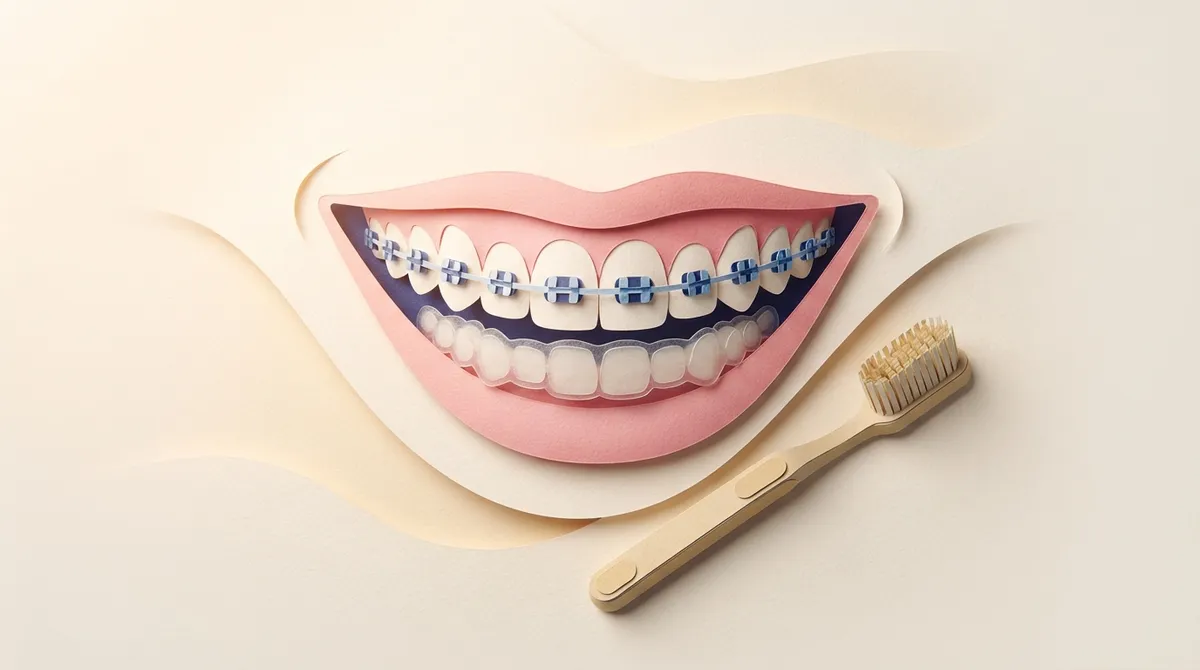
Adults in their thirties can often choose between fixed braces and clear aligners. The best option depends on how complex your tooth movements are and what fits your life. Aligners are not right for every case, and some bite problems respond better to braces.
At Brockway Orthodontics, we offer metal braces, ceramic (clear) braces, and Spark™ Clear Aligners, a more affordable alternative to Invisalign. Here is a simple comparison:
| Option | Looks | Best For | Things to Consider |
|---|---|---|---|
| Metal braces | Most visible | Complex bites and tooth movements | Food restrictions; brushing takes extra care |
| Ceramic (clear) braces | Blend with teeth | Adults wanting a discreet fixed option | Need careful cleaning; fixed in place |
| Spark™ Clear Aligners | Nearly invisible | Mild to moderate crowding, gaps, and some bite concerns | Removable, so wear time matters; not for every case |
Want a deeper comparison? Check out braces vs. clear aligners: which Clearwater choice wins, or learn about clear aligner options and how they work.
Questions to Ask Yourself
- How visible am I okay with my treatment being at work?
- Will I really wear removable aligners most of the day?
- Do I have bite problems that may need braces or extra tools?
- Do I have missing teeth, crowns, or bridges to plan around?
Know How Long Treatment Takes
Most adults want to know the timeline. The honest answer: it depends on you. The AAO’s 2025 member survey reported a median treatment length of 22 months, and a 2024 adult study reported a mean of 18.6 months for its sample. These are averages, not promises, but they give you a useful ballpark.
Your own timeline depends on:
- How complex your bite and tooth movements are
- Your treatment type
- How your body responds
- How well you wear aligners and keep appointments
Simple cases can move faster, and complex cases may take longer. Missed visits and skipped aligner wear can also slow things down. For more detail, see how long you have to wear braces and what decides braces treatment time.
Plan for Costs, Insurance, and Payment Options
Let’s talk money, because it matters. Adult orthodontic costs vary based on your treatment type, how long it takes, and how complex your case is. Insurance coverage for adults also varies a lot by plan. Some plans cover part of orthodontic care, and some do not cover adults at all.
Here are smart questions to ask before you begin:
- What is the total estimated cost, and what does it include?
- Are retainers included?
- Do you offer monthly payment plans?
- Will you help me check my insurance benefits?
These resources can help you plan: how to use dental insurance to help pay for braces and braces monthly payment plans. Planning ahead makes the whole thing feel much more doable.
Set Up Daily Habits That Protect Your Results
Your daily routine is a big part of treatment success. Good habits keep your teeth healthy and your plan on schedule.
- Brush after meals. Food gets trapped around brackets and under aligner trays.
- Floss daily. Floss threaders and water flossers can help with braces.
- Keep up with cleanings. Regular dental visits matter even more during treatment.
- Wear aligners as directed. This is the biggest factor in aligner progress.
- Go to every appointment. Even if you feel fine, checkups keep things moving.
Need a refresher on technique? Here’s a friendly guide on how to brush your teeth with braces, plus tips on brushing mistakes that wreck braces.
Busy professional? Treatment can fit your schedule with a little planning. Aligner wearers may also like these tips on fitting clear aligners into a busy adult schedule.
Understand the Risks Before You Begin
Orthodontic treatment is safe and effective when done under proper care, but every treatment has possible risks. Your orthodontist should talk through these with you honestly.
- Tooth decay and gum inflammation if plaque is not well controlled
- Permanent enamel marks from plaque left around brackets
- Root shortening in some patients
- Relapse, where teeth shift back after treatment
- Temporary soreness after adjustments or new aligner trays
Some cases also need teamwork between your orthodontist and a general dentist, periodontist, or oral surgeon. That is normal and often leads to the best outcome. Missing teeth do not necessarily rule you out either. Read can I get braces with missing teeth to learn more.
Plan for Retainers From Day One
Here’s the part many adults don’t expect: treatment doesn’t end when your braces come off or your last aligner is done. Retainers help hold your teeth in their new positions. Teeth can shift over time, so following your orthodontist’s retainer instructions is key.
If you’ve had braces before and your teeth have moved back, you are not alone. Relapse is a common reason adults return for a second round of care. Our guide on orthodontics for adults speaks to this situation.
To keep your retainer in great shape:
- Wear it exactly as directed, especially at first.
- Clean it daily with a soft brush and cool water.
- Keep it in its case when not in your mouth.
- Bring it to your appointments so it can be checked.
For more details, see how to care for your dental retainer the right way, or compare fixed vs. removable retainers.
Find the Right Orthodontist for You
The right orthodontist makes this whole journey feel easier. Look for someone who listens, explains things clearly, and makes you feel comfortable asking questions. You can verify credentials through professional groups like the American Dental Association and the Florida Association of Orthodontists.
At Brockway Orthodontics in Clearwater, Florida, Dr. Brockway takes time to hear your concerns and your dreams for your smile. We use modern tools like digital impressions instead of messy molds and 3D imaging for precise planning. In certain cases, same-day treatment can help busy adults start without lots of extra visits. You can also read what patients say when you visit us on Google — Brockway Orthodontics.
Want more tips for choosing? Try how to find the right adult orthodontist in Clearwater.
Ready to Take the First Step?
Starting orthodontic treatment in your thirties is a smart, doable move, and thousands of adults do it every year. Get your dental health checked, set your goals, compare your options, and plan for costs and retainers. Each step makes the next one easier.
You deserve a smile you love and a bite that feels great. If you’re ready to see what’s possible, book your appointment online and let’s talk about your goals. Prefer to chat first? You can always contact us, and our friendly team will be happy to help.
FAQs
Q: Is 30 too old to get braces or clear aligners?
A: Not at all! There is no upper age limit for orthodontic treatment. If your teeth, gums, and supporting bone are healthy, your thirties are a perfectly good time to start. An orthodontic exam will confirm what is best for you.
Q: How long does orthodontic treatment take for adults in their thirties?
A: It varies from person to person. The AAO’s 2025 member survey reported a median treatment length of 22 months, though simple cases may be shorter and complex ones longer. Your plan, your biology, and how well you follow instructions all play a part.
Q: Are braces or clear aligners better for adults?
A: Neither one wins for everyone. Clear aligners are popular for their discreet look, while braces can handle more complex bite problems. Your orthodontist will recommend the best fit after checking your teeth and bite.
Q: Can I get orthodontic treatment if I have gum disease or missing teeth?
A: Often yes, but gum disease needs to be treated first, because moving teeth with unhealthy gums can cause more damage. Missing teeth can usually be planned around, sometimes with help from your dentist or another specialist.
Q: Will I need to wear a retainer for life after treatment?
A: Teeth can shift over time, so retainers are needed to help hold your new smile in place. Your orthodontist will tell you how often and how long to wear yours. Following those instructions is the best way to protect your results.
Our Service Area