Key Takeaways
-
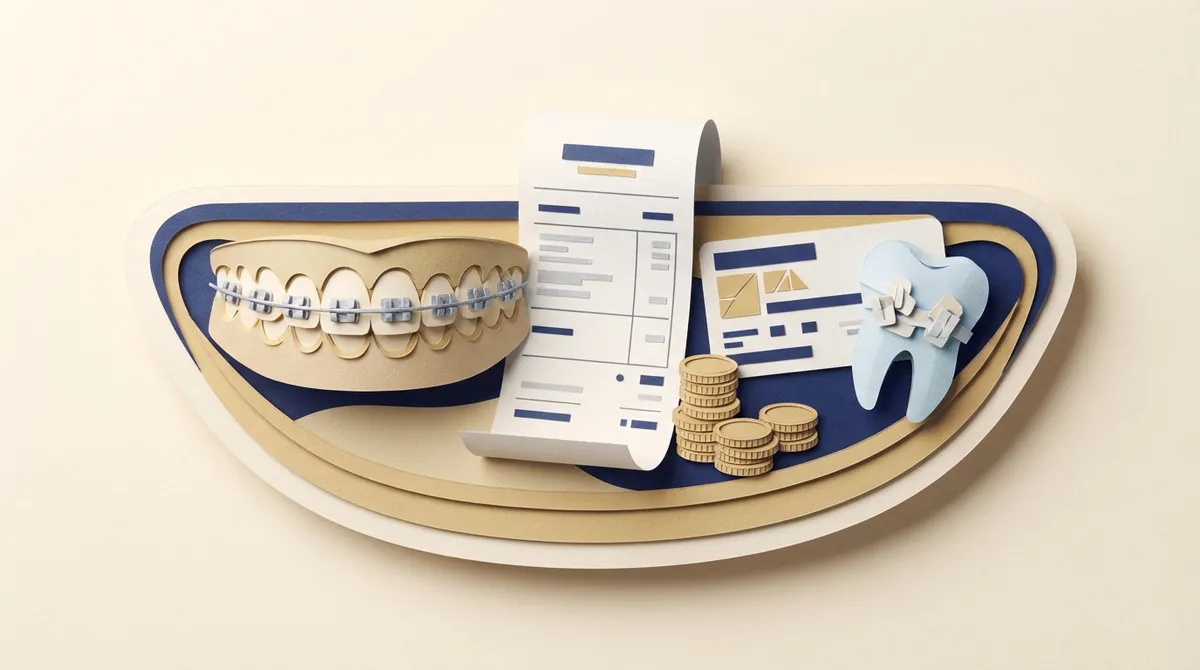
Traditional metal braces in the U.S. are commonly estimated at $3,000 to $7,000 before insurance, but this is a general range, not a quote; your exact price depends on your case.
-
Case complexity is often the biggest cost driver, since crowding, bite issues like overbites or crossbites, and jaw size differences require more planning and clinical time.
-
Always request a written, itemized estimate to confirm whether records, adjustments, emergency visits, removal, and retainers are included, since offices bundle services differently.
-
Dental insurance orthodontic benefits often have age limits, waiting periods, and lifetime maximums around $1,000 to $2,500, so it rarely covers the full bill; verify benefits and network status directly.
-
Many practices quote one comprehensive case fee, so a longer treatment may not add cost, but ask how extra adjustment visits are handled.
-
Payment plans, HSA or FSA funds, and third-party financing can spread braces costs over time, so confirm eligibility and terms before committing.
Let’s be honest: when you start thinking about braces, the big question usually pops up fast. “How much is this going to cost?” If that’s what’s on your mind, you’re in good company. Nearly every parent, teen, and adult who walks into an orthodontic office wants a clear answer.
Here’s the friendly truth. Traditional metal braces in the U.S. are commonly estimated at about $3,000 to $7,000 before insurance. That’s a wide range, and it’s not a quote. Your real price depends on several things, from how your teeth are lined up to what your quote actually includes.
In this guide, we’ll walk through every major factor that shapes the cost of metal braces in 2026. We’ll also share ways to compare estimates fairly and ways to pay over time. By the end, you’ll feel ready to ask smart questions and make a confident choice.

How Much Do Metal Braces Cost in 2026?
Most U.S. sources estimate traditional metal braces at roughly $3,000 to $7,000 before insurance. One broad average puts the typical cost around $5,000 to $6,000. These figures come from general cost guides, so treat them as a starting point, not a promise.
Why such a big gap? Because no two smiles are the same. Your orthodontist builds a plan around your teeth, your bite, and your goals. That plan drives the final fee.
Here’s a quick snapshot of what shapes the price:
| Cost Factor | How It Affects Your Fee |
|---|---|
| Case complexity | More complex bite or crowding issues may need more planning and clinical time |
| Treatment duration | Longer plans may involve more visits, though many offices quote one case fee |
| Location | Local cost of living and office overhead can raise or lower prices |
| Provider experience | Specialist training and expertise can influence pricing |
| What’s included | Records, adjustments, emergencies, and retainers may be bundled or billed separately |
| Insurance and payment options | Benefits and plans can reduce or spread out what you pay |
Let’s dig into each one so you know exactly what to expect.
Factor 1: Case Complexity
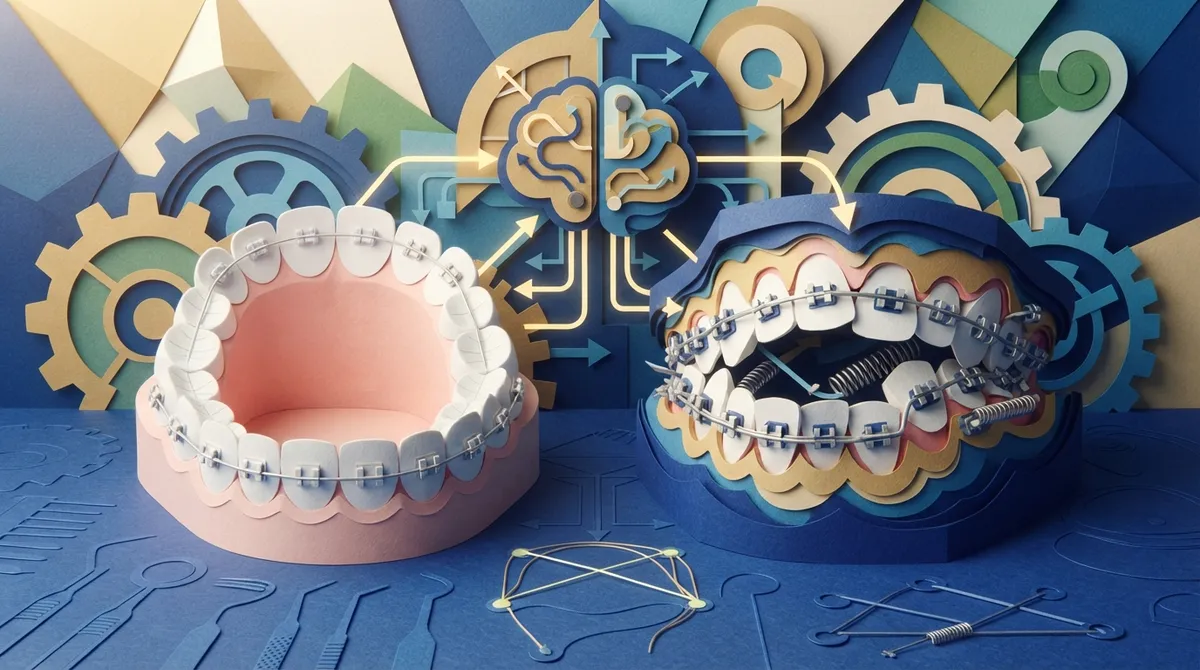
This is often the biggest driver. A mild case, like a small gap or slightly crooked front teeth, usually takes less planning and fewer appliances. A more involved case may need more time and attention.
Examples of what can add complexity:
- Significant crowding or spacing
- Overbites, underbites, or crossbites
- Jaw size differences
- Teeth that are impacted or slow to come in
- Extra appliances, such as expanders or elastics
Think of it like a home project. Painting one wall is simpler than remodeling the whole room. The more work your smile needs, the more planning and skill it takes.
If you’re curious about how this plays out, our guide on how treatment complexity affects orthodontic fees goes deeper.
Factor 2: Treatment Duration
How long you wear braces can also play a part. Some patients finish in about a year, while others need longer. Your timeline depends on your diagnosis and how your teeth respond.
Here’s a helpful note: don’t assume every extra month adds a new bill. Many practices quote one comprehensive fee for the whole case. Still, a longer plan may mean more adjustment visits, so it’s smart to ask how your office handles this.
Want a closer look? Read how treatment length affects orthodontic costs for the full picture.
Factor 3: Where You Live and Who You See
Geography matters more than most people expect. Prices can shift based on:
- The local cost of living
- Office overhead, like rent and staffing
- The provider’s training and experience
- The technology used in the office
An orthodontist is a dental specialist with extra years of training focused on tooth movement and bite correction. That expertise can influence pricing, but it also helps you get care that’s planned with precision. If you’re weighing the difference, check out what makes a specialist orthodontist different.
At Brockway Orthodontics in Clearwater, Florida, Dr. Brockway takes time to listen to your goals and explain your options in plain, friendly language. Modern tools like digital impressions and 3D imaging help plan your care with accuracy, and that means fewer surprises along the way.
Factor 4: The Type of Braces You Choose
Metal braces are generally less expensive than ceramic or lingual braces. They’re strong, reliable, and work well for a wide range of cases. That’s why they remain a favorite for kids, teens, and adults alike.
Here’s a simple comparison of common options:
| Option | Typical Cost Level | Visibility | Good To Know |
|---|---|---|---|
| Metal braces | Generally the lowest | Most visible | Durable and effective for many cases |
| Ceramic braces | Generally higher | Less noticeable | Tooth-colored brackets blend in |
| Lingual braces | Generally higher | Hidden behind teeth | Custom-made and more specialized |
| Clear aligners | Varies by case | Nearly invisible | Removable and best for suitable cases |
Your choice should come down to what fits your bite and lifestyle, not price alone. Brockway Orthodontics offers metal braces, ceramic (clear) braces, and Spark™ Clear Aligners, a more affordable alternative to Invisalign. Not sure which is right? Our post on metal vs ceramic braces can help you sort it out.
Curious about a sleeker metal look? Take a peek at rhodium braces, a discreet metal braces option.
Factor 5: What’s Included in Your Quote
Here’s where many families get tripped up. Two offices can quote very different numbers, and the gap may come down to what’s inside the fee. Some practices bundle everything. Others bill certain services separately.
Before you compare, ask whether the quote includes:
- Records and imaging, such as X-rays and scans
- Appliance placement (putting the braces on)
- Routine adjustment visits
- Emergency or repair visits
- Braces removal
- Retainers after treatment
Retainers deserve special attention. They protect all your hard work, and costs for them can vary. To plan ahead, see how to budget for retainer price after braces.
The best habit? Ask for a written, itemized estimate. It makes comparing offices much easier. We explain why in why a written orthodontic fee breakdown matters.
Factor 6: Dental Insurance Benefits
Insurance can take a bite out of your cost, but benefits vary a lot from plan to plan. Orthodontic coverage often comes with limits, such as:
- Age limits, since some plans only cover children or teens
- Waiting periods before benefits begin
- Exclusions for certain treatments
- A separate lifetime maximum for orthodontics
Reported lifetime maximums often land around $1,000 to $2,500, though your policy may differ. That means insurance usually helps, but it rarely covers the whole bill.
Always confirm your benefits directly with your insurer, and check whether the orthodontist is in your network. Our team can help you sort it out. Learn more in how to use dental insurance to help pay for braces, or peek at common orthodontic insurance mistakes so you can avoid them.
Ways to Pay for Braces Over Time
Good news: you don’t have to pay the whole amount at once. Many practices offer flexible options to keep braces affordable.
- Payment plans: Many offices spread the cost into monthly payments, sometimes with low or no interest.
- HSA or FSA funds: Eligible accounts may cover qualified orthodontic expenses. Check the rules with your plan administrator.
- Insurance benefits: Apply your orthodontic coverage toward the total.
- Financing programs: Third-party options may be available for qualified patients.
The American Association of Orthodontists notes that cost varies with appliance type, case complexity, and duration, and that many practices offer payment plans. If monthly budgeting is your style, explore braces monthly payment plans or learn whether CareCredit financing can make braces affordable.
How to Compare Braces Estimates Fairly
Comparing quotes is smart, but only if you compare apples to apples. A low headline price might leave out services that another office includes. Here’s a simple way to stay on track.
- Ask for a written, itemized estimate from each office.
- Check what’s included, like records, adjustments, emergencies, and retainers.
- Confirm the provider’s training. An orthodontist is a specialist, so verify credentials.
- Ask about payment options and any down payment.
- Verify insurance details with both your plan and the office.
- Trust the connection. Pick a team that listens and explains clearly.
A free first visit can make this easier. Many people find that a free orthodontic consultation pays off because you get answers without pressure. You can also review what to expect from a braces down payment so there are no surprises.
Are Metal Braces Worth the Cost?
For many families, yes. Metal braces are proven, sturdy, and often the most budget-friendly way to correct a wide range of bite and alignment issues. They work for crowding, gaps, overbites, and more.
A healthy, aligned smile can also make cleaning easier and support long-term oral health. And let’s not forget the confidence boost. Walking into school, work, or a big event with a smile you love is priceless.
Adults sometimes wonder if metal braces are still a good choice. They can be! Read whether adults can choose metal braces for helpful insight. And if you’re comparing against aligners, our breakdown of clear aligners vs. braces cost can guide your thinking.
Get Your Personalized Braces Estimate
The only way to know your true cost is to have a specialist look at your smile. General ranges are helpful, but your exam, scans, and goals will shape your real number.
At Brockway Orthodontics, Dr. Brockway and the team love helping Clearwater families understand their options. We’ll explain your plan in friendly, simple terms and talk through payment choices that fit your budget. You can also see what our Brockway Orthodontics patients say on Google to learn what the experience is like.
Ready to take the first step? Book your free consultation online and get a clear, written estimate. Have questions first? Just contact our team, and we’ll be happy to help. For general dental health guidance, the American Dental Association is a trusted resource, and you can find more about orthodontic care through the Florida Association of Orthodontists.
Your best smile is closer than you think, and we can’t wait to help you get there.
FAQs
Q: How much do metal braces cost without insurance?
A: Traditional metal braces in the U.S. are commonly estimated at about $3,000 to $7,000 before insurance, with some sources placing the average around $5,000 to $6,000. Your real price depends on your case, your location, and what the quote includes, so a written estimate from your orthodontist is the best way to know for sure.
Q: Does dental insurance cover metal braces?
A: It might! Some plans include orthodontic benefits, but many come with age limits, waiting periods, exclusions, or a separate lifetime maximum, often around $1,000 to $2,500. Check your policy with your insurer and confirm whether your orthodontist is in-network before you start.
Q: Does a longer treatment time cost more?
A: Not always. Many practices quote one comprehensive case fee, so extra months don’t automatically add a new charge. That said, longer treatment may mean more adjustment visits, so it’s a good idea to ask how your office handles timing and fees.
Q: Can I pay for metal braces monthly or use HSA or FSA funds?
A: Yes, in many cases! Lots of orthodontic offices offer monthly payment plans, sometimes with low or no interest. Eligible HSA or FSA funds may also cover qualified orthodontic expenses, so confirm the rules with your plan administrator.
Q: What should a metal braces quote include?
A: A good quote should spell out records and imaging, braces placement, routine adjustments, emergency visits, removal, and retainers. Offices bundle these differently, so always ask for a written, itemized estimate to compare offers fairly.
Our Service Area