Key Takeaways
-
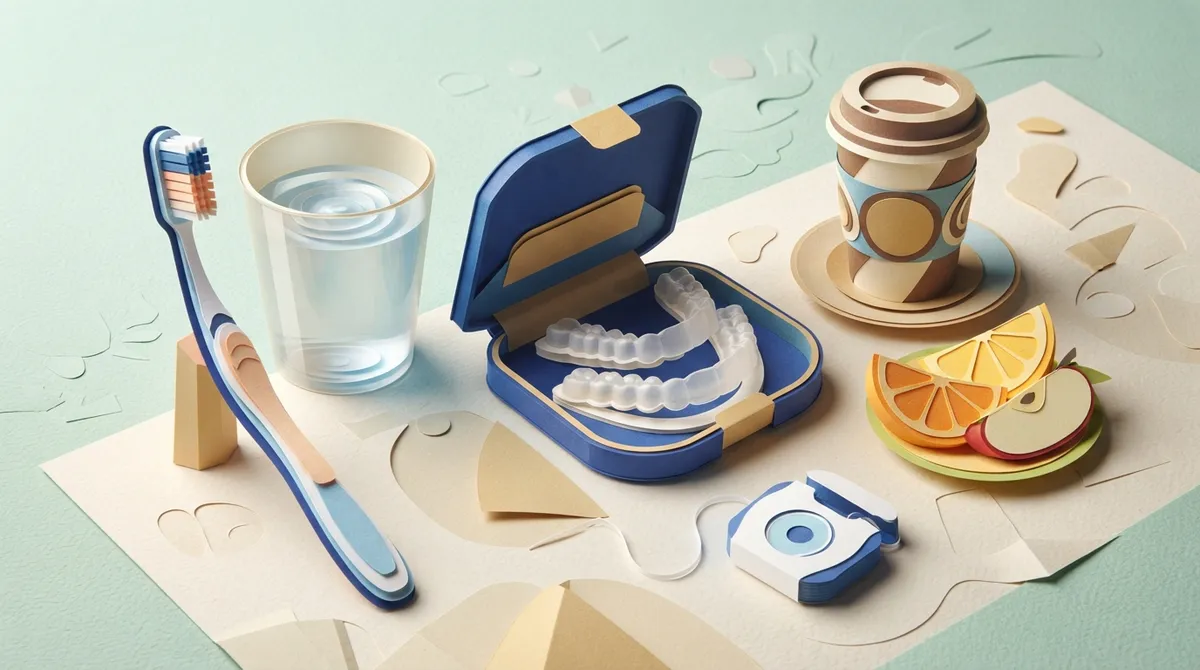
Wear your aligners about 20 to 22 hours a day, as your orthodontist directs; the FDA says at least 20 hours daily, with sleep counting toward the total.
-
Only drink plain water while aligners are in; remove them for coffee, tea, juice, soda, and meals, then brush or rinse before reinserting.
-
Clean trays daily with a soft-bristled toothbrush and lukewarm water; avoid hot water, which can warp the plastic, and skip homemade cleaners or bleach.
-
Brush and floss before reinserting aligners after eating, since trapped food and sugar against teeth can cause decay and white spots.
-
Always store aligners in their protective case, never in a napkin or pocket, and keep a spare case in your bag, car, or desk to prevent loss.
-
Call your orthodontist promptly if an aligner is cracked, lost, or no longer fits, or if pain lasts beyond the first day or two; don't attempt fixes yourself.
You finally started clear aligners, and your smile is on its way. That’s exciting! But here’s the thing nobody mentions on day one: the aligners themselves need a little daily love. Skip it, and you can end up with cloudy trays, funky smells, or even sore gums.
The good news? Looking after your trays is simple once it becomes a habit. This adult clear aligner maintenance checklist walks you through everything, from morning to bedtime. It also covers weekly and monthly habits, plus what to do when something goes wrong.
Whether you’re juggling meetings, travel, or family dinners, these steps fit real life. Let’s keep your trays clean, your teeth healthy, and your treatment right on schedule.
Why Aligner Maintenance Matters for Adults
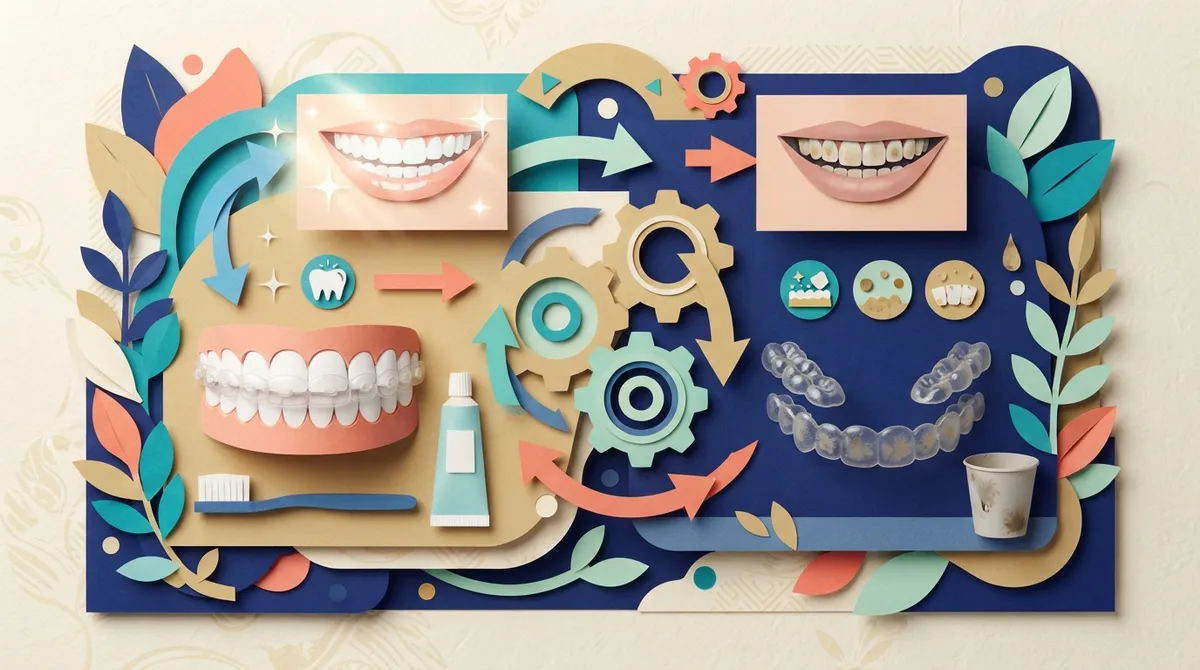
Clear aligners sit snugly against your teeth for most of the day. That means anything trapped under them, like food bits, sugar, or bacteria, stays pressed against your enamel. Over time, that can lead to cavities, gum irritation, or white spots on teeth.
Good care also protects your investment. Warped, cracked, or lost trays can slow your progress and add extra visits. A few minutes of daily care helps you finish on time and keep your results.
Adults often have extra things to think about, like crowns, fillings, or gum sensitivity. If you want to see how your dental history fits into treatment, this guide on using clear aligners with dental restorations is a helpful read.
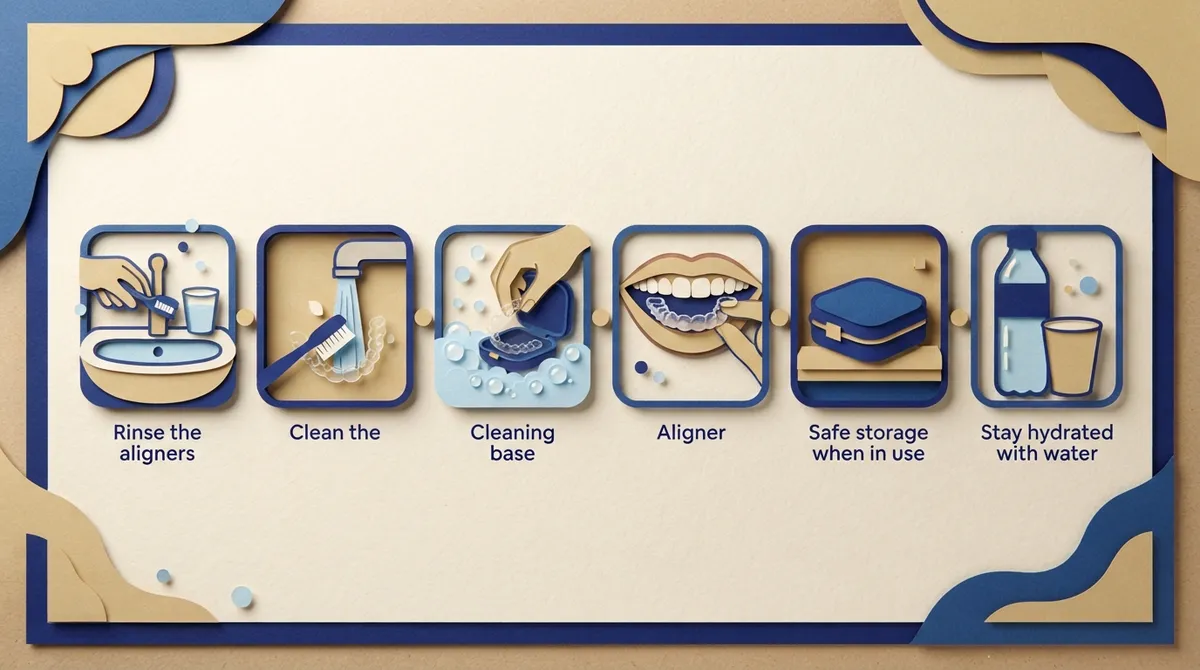
Your Daily Adult Clear Aligner Maintenance Checklist
Think of this as your everyday routine. Most of it takes only a few minutes, and it quickly becomes second nature.
Morning Steps
- Take out your aligners and rinse them with lukewarm water.
- Brush your teeth with fluoride toothpaste and floss before eating.
- Clean your trays gently with a soft-bristled toothbrush and lukewarm water.
- Store them in their case while you have breakfast.
- Brush again after eating, then put your aligners back in.
During the Day
Your orthodontist will tell you how many hours to wear your trays. Many plans call for about 20 to 22 hours a day, and the FDA notes at least 20 hours daily or as directed by your treating provider. That leaves just a couple of hours for meals, snacks, and cleaning.
Here are the daytime habits that matter most:
- Drink only plain water while your aligners are in.
- Remove your trays for coffee, tea, juice, soda, and meals.
- Always put them in the case, never in a napkin or your pocket.
- Carry a travel toothbrush and small floss pack in your bag or desk.
Evening Steps
- Take out your aligners after your last meal or drink.
- Brush and floss thoroughly for a full two minutes.
- Clean the trays with a soft brush and lukewarm water.
- Rinse well before putting them back in.
- Wear them overnight, since sleep time counts toward your daily total.
Want a deeper walkthrough? Our guide on how to clean clear aligners covers the details step by step.
The Right Way to Clean Your Trays
Cleaning sounds easy, but a few common habits can hurt your aligners. Here’s the quick rule: gentle and lukewarm always wins.
What to Use
- A soft-bristled toothbrush kept only for your aligners
- Lukewarm water
- Cleaning tablets or solutions your orthodontist or aligner maker recommends
What to Avoid
Hot water can bend the plastic, and a warped tray won’t fit the way it should. If you’re curious about the science, here’s why hot water can damage clear aligners.
Skip homemade cleaners, too. Also hold off on colored or alcohol-containing mouthwash unless your provider says it’s fine. Guidance can differ by product, so always follow your own treatment instructions. Not sure about toothpaste? Ask at your next visit, since some provider instructions differ.
| Do | Don’t |
|---|---|
| Rinse trays every time you remove them | Use hot or boiling water |
| Brush gently with a soft brush | Scrub hard with a stiff brush |
| Use approved cleaning tablets | Try improvised cleaners or bleach |
| Store them in their case | Wrap them in a napkin |
| Keep them away from pets | Leave them loose on a table |
Oral Hygiene: Your Teeth Need Care Too
Clean aligners on dirty teeth still trap bacteria. So your own brushing and flossing matter just as much as tray care.
Brush with fluoride toothpaste and floss before you put your aligners back in after eating. Trapped food, sugars, and acids can contribute to tooth decay or enamel demineralization, which can leave white marks behind. If you’d like a refresher on technique, our post on keeping a healthy smile during treatment has helpful ideas, and the habits carry over nicely to aligner wear.
Keep up with regular dental cleanings, too. Your general dentist and your orthodontist work as a team. The American Dental Association shares reliable tips on brushing, flossing, and checkups for every age.
Smart Storage: Where Your Aligners Go When They’re Out
Here’s a story that happens all the time. Someone wraps their trays in a napkin at lunch. The napkin goes in the trash. The aligners go with it. Don’t let that be you!
Follow these storage basics:
- Keep a sturdy case with you at all times.
- Put your trays in the case the moment they come out.
- Keep the case closed and away from heat, like a hot car dashboard.
- Store it out of reach of dogs and cats. Pets love chewing on them.
- Rinse and dry the case regularly so bacteria don’t build up.
A spare case in your car, desk, and gym bag is a small trick that saves a lot of stress.
Weekly and Monthly Maintenance Tasks
Some jobs don’t need to happen every day. Add these to your calendar and you’re covered.
Once a Week
- Soak your trays in an approved cleaning solution, following the product directions.
- Wash your aligner case with mild soap and warm water, then let it air dry.
- Check your trays for cracks, rough edges, or cloudy spots.
Every Tray Change
The FDA says patients typically wear each aligner for one to two weeks before moving to the next set. Your own plan may differ, so follow the schedule your orthodontist gives you.
- Switch trays only on the day you’re told to.
- Don’t jump ahead early to speed things up.
- Never try to make up for missed wear without asking your provider first.
It also helps to know whether to hang onto old sets. Here’s how to decide whether to keep previous aligner trays.
Every Checkup
Show up for your appointments. Your orthodontist checks that your teeth are moving as planned and that your trays still fit well. Learn more about why orthodontic checkups matter so much.
Quick-Reference Checklist Table
Print this, screenshot it, or stick it on your bathroom mirror.
| When | What to Do |
|---|---|
| Every time aligners come out | Rinse in lukewarm water and place in case |
| Before reinserting | Brush and floss your teeth |
| Morning and night | Gently brush trays with a soft brush |
| All day | Wear trays as prescribed (often 20 to 22 hours) |
| Weekly | Soak in approved cleaner and wash the case |
| Each tray change | Follow your schedule exactly |
| Every checkup | Attend appointments and ask questions |
Handling Busy Adult Life With Aligners
Work lunches, travel, and social events can all test your routine. A few tips make it easier.
- Meetings and desk life: Keep a toothbrush and case in your drawer so you’re never stuck.
- Business travel: Pack a spare case, your cleaning supplies, and your previous tray as a backup. If you’d like help planning, see our guide on fitting clear aligners into a busy adult schedule.
- Coffee and wine fans: Take your trays out first, then brush or rinse before putting them back in.
- Dining out: Excuse yourself, remove your trays, store them safely, and freshen up afterward.
You can even track your wear time with a simple phone reminder. Little nudges add up to big results.
Troubleshooting: When to Call Your Orthodontist
Even careful patients run into bumps. Most are easy to fix, but some need professional help. The FDA notes that clear aligners are prescription devices that need supervision by a licensed dental professional, so reach out rather than guessing.
Contact your orthodontist if:
- An aligner is cracked, lost, or damaged
- A tray no longer fits the way it should
- You have lasting pain or sore spots on your gums
- Your bite feels different or changes
- Your trays stay cloudy or smelly even after good cleaning
Some mild soreness for the first day or two with a new tray is normal. Pain that sticks around isn’t something to tough out.
Treatment sometimes needs extra trays too, and that’s okay. Here’s why refinement aligners may follow your original set.
Don’t Forget Retainers After Aligners
Your maintenance checklist doesn’t end when your last tray goes in the recycle bin. Teeth tend to drift back without support, so retainers are a must. Learn why you still need retainers after clear aligner treatment, and see our tips on how to care for your dental retainer.
Your Care Team in Clearwater
At Brockway Orthodontics, Dr. Brockway takes time to explain every step in plain language. She helps adults build easy habits that fit their daily lives. If you’re curious about options, we also offer Spark Clear Aligners, along with braces for every age. Prefer to hear from our patients first? See what our Brockway Orthodontics patients say on Google.
For more updates and smile tips, you can follow the practice on Facebook, and you can learn about the field through the Florida Association of Orthodontists.
Final Thoughts
Clear aligner care boils down to a handful of habits: wear your trays as prescribed, rinse and clean them daily, brush and floss before reinserting, and store them safely. Add a weekly deep clean, follow your tray schedule, and keep your checkups. That’s the whole adult clear aligner maintenance checklist.
Small steps done consistently lead to a smile you’ll love. And you don’t have to do it alone. If you have questions about your trays or want to explore treatment, book your appointment online and our friendly team will take it from there. You can also contact us any time with questions.
FAQs
Q: How many hours a day should adults wear clear aligners?
A: Many systems recommend about 20 to 22 hours a day, and the FDA says at least 20 hours daily or as your orthodontist directs. Only take them out for meals, drinks other than plain water, and brushing. Your own plan comes first, so follow what Dr. Brockway tells you!
Q: How should I clean my clear aligners every day?
A: Use a soft-bristled toothbrush and lukewarm water to gently clean them, then rinse before you put them back in. Skip hot water, since it can warp the plastic. If you’d like to use a cleaning product, check with your orthodontist first.
Q: Can I drink coffee while wearing clear aligners?
A: Plain water is the only drink that’s safe with your trays in. Coffee, tea, juice, and soda can stain them and trap sugar against your teeth. Just pop them out, enjoy your drink, then brush or rinse before putting them back.
Q: What should I do if I lose or damage an aligner?
A: Don’t panic, and don’t try to fix it yourself. Call your orthodontist right away so they can tell you whether to go back to your previous tray or get a replacement. Quick action helps keep your treatment on track.
Q: What is the safest way to store my aligners?
A: Always keep them in their protective case when they’re out of your mouth. Avoid napkins, pockets, or leaving them loose, and keep the case away from heat and pets. A spare case in your bag or car is a smart backup.
Our Service Area