Key Takeaways
-
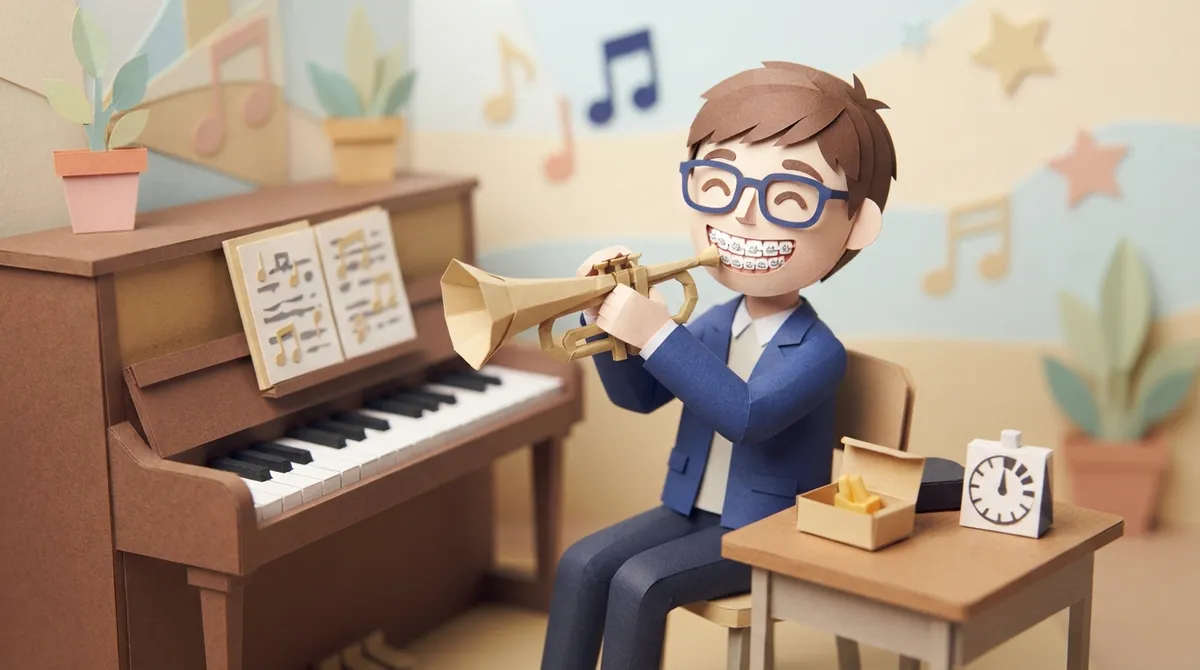
Braces rarely stop you from playing: most people can keep making music, though brass and wind players may need a 1-3 month adjustment period as lips and teeth adapt.
-
Orthodontic wax is the most common comfort aid; place a small piece over any bracket that rubs your lips or cheeks before practicing.
-
Start with short practice sessions of 10 to 15 minutes with breaks, then build up gradually, practicing a little every day rather than in long, rare sessions.
-
Ease up on mouthpiece pressure, since pressing harder tends to worsen soreness; focus on steady air support instead.
-
Instruments like piano, guitar, violin, and drums are largely unaffected, while brass instruments typically require the most adjustment because the mouthpiece presses lips against brackets.
-
Never bend or alter a poking wire or loose bracket yourself, and never remove a removable appliance for playing unless your orthodontist approves it.
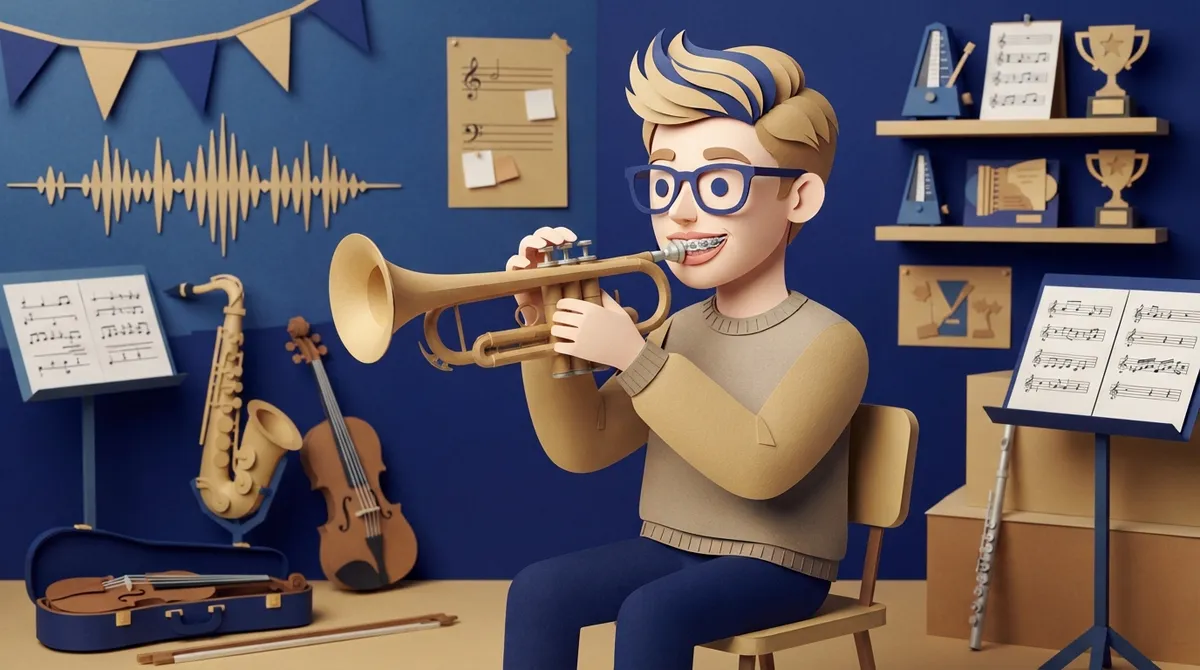
You have a recital coming up, a spot in the school band, or a trumpet you love dearly. Then your orthodontist says the word “braces,” and your mind jumps straight to one big question: can I still play? If that sounds familiar, take a deep breath. The short answer is yes, in most cases you can keep making music while wearing braces.
That said, playing a musical instrument with braces does come with a short learning curve. Brackets and wires change how your lips, cheeks, and teeth feel. For wind and brass players, those changes can affect comfort, tone, and range for a little while. The good news is that musicians adapt every day, and with a few smart habits, you can too.
In this friendly guide, we will walk through how braces affect different instruments, how long the adjustment usually takes, and what you can do to feel more comfortable. Whether you are a parent helping a young musician, a teen prepping for auditions, or an adult who plays on weekends, you will find practical tips here.
Why Braces Can Change How You Play
Many instruments rely on your mouth in a very specific way. The shape of your lips, the position of your teeth, and the pressure of the mouthpiece all matter. Musicians call this setup the embouchure, which simply means how your lips and mouth are positioned to produce sound.
When braces go on, a few things change right away:
- Your lips sit differently. Brackets add a little bulk to the front of your teeth, so lips rest in a slightly new spot.
- Mouthpiece pressure feels new. A mouthpiece can press your lips against the brackets, which may cause soreness at first.
- Your teeth feel tender. After placement and after adjustments, teeth can ache, and that can make steady pressure uncomfortable.
- Airflow and tone may shift. Some players notice small changes in tone, control, or range while they adapt.
None of this means you have to quit. It simply means your mouth needs time to learn its new normal. The British Orthodontic Society encourages musicians to talk with their orthodontist about their instrument and practice schedule before treatment begins. That is great advice for any age.

Which Instruments Are Easiest and Hardest With Braces?
Every player is different, so experiences vary. Still, there are some general patterns. Brass instruments tend to need more adjustment because the mouthpiece presses the lips firmly against the teeth. Many woodwind players adapt a bit faster, though it depends on the instrument and the appliance.
| Instrument Type | Examples | How Braces May Feel | What Helps |
|---|---|---|---|
| Brass | Trumpet, trombone, French horn, tuba | Mouthpiece presses lips on brackets; possible soreness and range changes | Orthodontic wax, short practice sessions, gradual build-up |
| Single-reed woodwinds | Clarinet, saxophone | Lower lip may feel irritated; many players adapt quickly | Wax, small embouchure adjustments, breaks |
| Flute | Concert flute, piccolo | Lip position and pressure may need tweaking | Slow practice, checking lip placement in a mirror |
| Double-reed woodwinds | Oboe, bassoon | Lips wrap around the reed, so comfort can vary | Wax and patience while lips adjust |
| Non-mouth instruments | Piano, guitar, violin, drums | Little to no direct effect on playing | Normal braces care |
If you play piano, drums, guitar, or strings, you can breathe easy. Braces will not change how you play. Singers may also feel a small difference at first, but most adapt quickly.
How Long Does It Take to Adjust?
This is the question every musician asks. A 2006 survey in the Journal of Clinical Orthodontics looked at wind-instrument players with orthodontic appliances. It found that woodwind players, especially reed players, commonly adjusted in less than a month. Brass players reported an average adjustment period of about one to three months.
Keep in mind that these are survey results, not a promise for any one person. Your timeline depends on your instrument, the type of braces you have, how often you practice, and your own mouth. Some players bounce back in days. Others need a few weeks of steady, patient practice.
Here is the encouraging part. Your embouchure is flexible. Musicians already adjust to new mouthpieces, new reeds, and even new teachers. Braces are just one more change your body can learn to handle.
9 Simple Tips for Playing With Braces
Ready for some practical help? These tips come from common orthodontic guidance and from what many musicians find useful.
- Talk to your orthodontist before treatment starts. Mention your instrument, how often you play, and any big performances on the calendar. Your orthodontist can plan around your music life.
- Use orthodontic wax. A tiny piece of wax over any bracket that rubs your lips or cheeks can make a big difference. In the survey mentioned above, wax was the most common comfort aid among wind players.
- Start with short practice sessions. Try 10 to 15 minutes at a time, with breaks in between. Slowly build up as your lips get comfortable.
- Practice a little every day. Gentle, regular practice helps you rebuild your embouchure faster than long, rare sessions.
- Check your setup in a mirror. Watching your lip and mouthpiece position helps you find a comfortable spot with your new brackets.
- Ease up on mouthpiece pressure. Pressing harder usually makes soreness worse. Focus on good air support instead.
- Tell your music teacher. A teacher can suggest small technique changes and help you stay patient while you adapt.
- Time big moments wisely. If you can, avoid getting braces or having major adjustments right before an audition, concert, or exam.
- Keep up your brushing. Clean teeth and healthy gums mean less irritation overall. Our guide on how to brush teeth with braces can help you build a good routine.
What About Soreness After Adjustments?
After braces are placed or tightened, your teeth may feel tender for a few days. That is normal, and it can make playing a little less fun during that window. Soft practice, wax, and short sessions can help you get through it.
If you want to understand why this happens and how to ease it, take a look at our post on how to ease tight braces after adjustments. It is a helpful read for young players and their parents.
If you ever have a poking wire or a loose bracket, do not try to bend or fix it yourself, and do not alter your appliance to play more comfortably. Call your orthodontist. Persistent pain, damage, or fit problems should always be checked by a professional.
Playing With Removable Appliances and Clear Aligners
Not every orthodontic plan uses fixed braces. Some patients wear clear aligners or other removable appliances, which can feel different for musicians. Aligners cover the teeth with a thin layer of plastic, so some players notice a change in how their lips and tongue move.
Here is the important part: removable does not always mean you can take it out whenever you like. Some appliances may be removed for playing, but only if your orthodontist approves. Treatment works best when you follow your prescribed wear time. Taking an appliance out too often can slow your progress.
If you do take it out for a rehearsal, store it safely in its case right away. Never wrap it in a napkin or leave it on a music stand, since lost and crushed appliances are far too common. Curious how aligners work in general? Our guide on how removable aligners straighten teeth explains the basics.
Choosing Braces When You Are a Serious Musician
If music is a big part of your life, it is worth asking your orthodontist which options might feel best for your instrument. Different brackets have different shapes and profiles, and your orthodontist can talk through what is available for your needs.
Some patients like smoother, lower-profile choices. Others prefer a particular type for looks or comfort. You can read more about the options in our comparison of metal vs ceramic braces, or explore braces vs clear aligners to see which approach fits your lifestyle.
At Brockway Orthodontics in Clearwater, Florida, Dr. Brockway takes the time to listen to your goals, including the ones that involve your trumpet case or your flute. We offer metal braces, ceramic (clear) braces, and Spark™ Clear Aligners, so we can help you find an option that works with your treatment needs and your music.
Tips for Parents of Young Musicians
If your child plays in the school band or orchestra, braces can feel like a big deal. Kids may worry about sounding different or falling behind in their section. A little support goes a long way.
- Reassure them. Let your child know that most players adjust and that sounding a bit different at first is normal.
- Pack a wax kit. Keep orthodontic wax in their instrument case so they can use it before practice.
- Share the news with the band director. A teacher who understands what is happening can be patient and encouraging.
- Plan around big events. Mention concerts and competitions at the first visit so we can help schedule thoughtfully.
- Keep snacks braces-friendly. Long rehearsals make kids hungry, and the right foods protect brackets. Check out these braces-friendly snacks for practice days.
Teens often feel extra self-conscious about braces and performance. Our post on questions teens should ask their orthodontist is a good conversation starter for the whole family.
What Happens When the Braces Come Off?
Here is something many musicians do not expect. After your braces are removed, you may need another short adjustment period. Your teeth are in new positions, and your mouth will feel different once again. Many players describe it as being smoother and more comfortable, but it can still change how the mouthpiece feels.
Give yourself some grace. Go back to short, steady practice sessions, and let your embouchure settle in. You will likely find your groove again soon.
Also remember that retainers come next. They protect the smile you worked so hard for, and some may affect how your mouth feels for a bit. If you have questions about wearing them, our guide on how to care for your dental retainer is a great place to start.
When to Call Your Orthodontist
A little soreness is normal. Some things are not. Reach out to your orthodontist if you notice any of the following:
- Pain that does not improve after a few days
- A wire that pokes or cuts your lip or cheek
- A broken or loose bracket
- A removable appliance that cracks, no longer fits, or feels wrong
- Ongoing trouble playing that seems to be getting worse
Fast attention can keep small problems from turning into bigger ones. If you are unsure whether something counts as urgent, read when you need an emergency orthodontist appointment for clear guidance.
Keep the Music Going
Braces and music can absolutely go together. Yes, there may be a few awkward notes and a little lip tenderness at the start, but most musicians find their footing within weeks. With wax, patient practice, open communication with your teacher, and the right orthodontic plan, you can keep playing while your smile transforms.
If you are thinking about braces or aligners and want a plan that works with your instrument, we would love to help. Book your free consultation online and tell us about your music, or contact our friendly team with any questions. You can also see what families are saying and visit us on Google — Brockway Orthodontics. For general oral health guidance, the American Dental Association is another helpful resource. Here is to a great smile and even better music!
FAQs
Q: Can you play a musical instrument with braces?
A: Yes, most people can keep playing with braces on! You may notice some soreness or a different feel at first, especially with wind and brass instruments, but most players adapt with a little patience and practice.
Q: Which instruments are easiest to play with braces?
A: Instruments like piano, guitar, violin, and drums are not affected much since they do not use your mouth. Many woodwind players, like clarinet and sax players, also tend to adjust faster than brass players.
Q: How can I protect my lips from braces while playing?
A: Orthodontic wax is your best friend! Press a small piece over any bracket that rubs your lips, keep practice sessions short at first, and ease up on mouthpiece pressure while you adjust.
Q: Can I take my removable braces out to play an instrument?
A: Only if your orthodontist says it is okay. Skipping wear time can slow your treatment, so always check with your orthodontist first and store your appliance safely in its case if you do remove it.
Q: Will playing feel different after my braces come off?
A: It might, and that is totally normal. Your teeth are in new positions, so your mouth may need a short adjustment period again. Go back to short, gentle practice and your embouchure will settle in soon.
Our Service Area