Key Takeaways
-
Retainer schedules vary because each patient's starting bite, tooth movements, retainer type, age, and daily habits differ, so orthodontists build personalized plans rather than one generic template.
-
Tooth changes greater than 2 mm, per the British Orthodontic Society, may justify long-term or even indefinite retention, so patients with larger movements often need more cautious plans.
-
Retainer type drives the schedule: removable clear retainers often start full-time then step down to nights, while fixed bonded wires stay in around the clock.
-
Teeth can keep drifting for at least a year after braces and slowly over the years, so retention is often not a short phase with a clear end date.
-
Never reduce retainer wear on your own; cutting back too early is one of the most common reasons teeth shift, so check with your orthodontist first.
-
Copying a friend's schedule can backfire because her bite, retainer, and relapse risk differ from yours; follow the plan built for your own case.
You finish braces, the brackets come off, and you walk out with a gorgeous new smile. Then your friend tells you she only wears her retainer once a week. Your cousin has a wire glued behind his teeth. And you? You were handed a clear retainer and told to wear it every night. It can feel confusing, even a little unfair. Did someone get the instructions wrong?
Here’s the good news: probably not. Why retainer schedules differ between patients comes down to one simple idea. Every mouth is different, and so is every orthodontic journey. Your starting bite, the movements your teeth made, the type of retainer you got, and even your daily habits all shape the plan that fits you best.
In this friendly guide, we’ll walk through the real reasons schedules vary, what a typical timeline can look like, and what to do if you’re ever unsure. Whether you’re a parent helping a teen stay on track, a young adult juggling a busy life, or a grown-up who wants to protect an investment, you’ll leave knowing exactly why your plan looks the way it does.

The Big Idea: Retention Is Personal
Retainers have one job. They hold your teeth in their new positions while the bone and gum tissue around them settle in. But how long that settling takes, and how much help your teeth need, is different for everyone.
Think of it like a freshly set cast on a broken bone. The healing time depends on the injury, the person, and how well they follow instructions. Orthodontics works the same way. Your orthodontist builds a plan around your teeth, not a generic template.
Research backs this up. A 2023 Cochrane review looked at many studies comparing retainer types and wear schedules. It found the evidence was low or very low in certainty for most comparisons. In plain terms, science has not found one perfect schedule that works for everyone. That’s exactly why a personalized plan from your treating orthodontist matters so much.
Why Teeth Want to Move After Braces
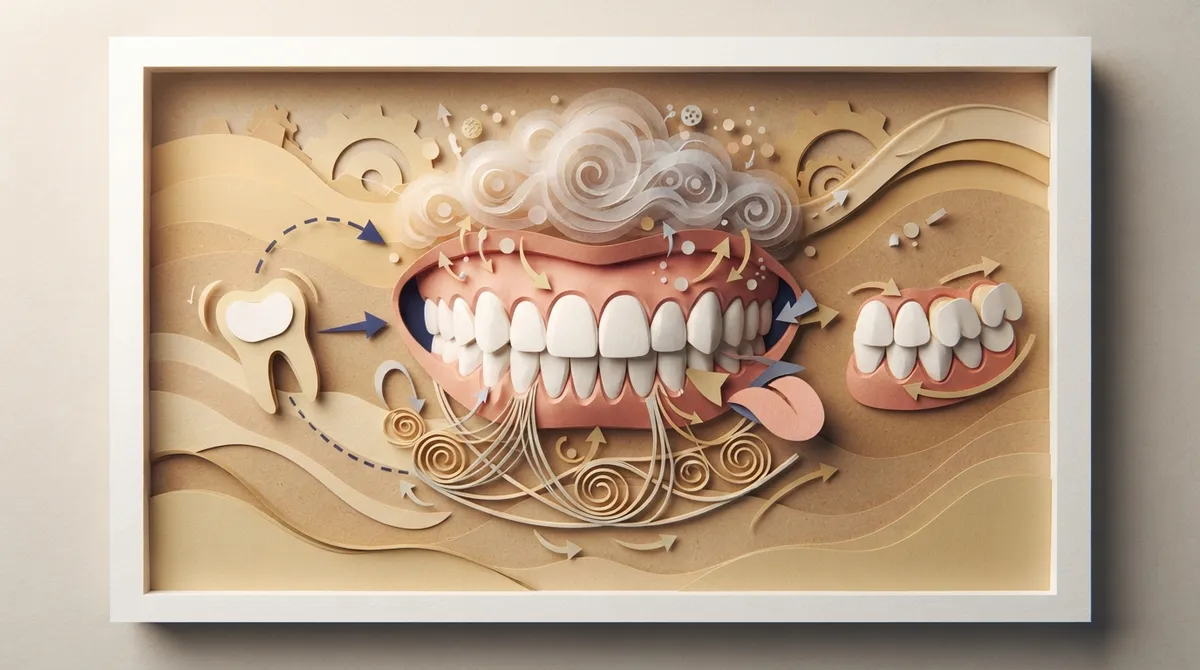
To understand schedules, it helps to know why teeth shift in the first place. After treatment, the fibers and bone that hold each tooth in place are still adapting. Teeth are most likely to drift in the first months after braces come off.
The British Orthodontic Society notes that this settling process can take at least a year. Even after that, teeth can keep moving slowly over time. Normal changes with age can nudge them, too. That’s why retention is not always a short phase with a clear finish line.
If you want a deeper look at why teeth drift, our guide on why teeth can shift years after braces breaks it down in a friendly, easy way.
7 Main Reasons Retainer Schedules Differ
Now for the heart of the matter. Here are the biggest factors that shape your retainer plan.
1. Your Starting Teeth and Bite
Some smiles begin with mild crowding. Others start with deep rotations, wide gaps, or a bite that needed a lot of correction. Teeth that traveled farther, or that were twisted a lot, tend to have a stronger urge to go back.
The British Orthodontic Society also points out that tooth changes greater than 2 mm are a reason to consider long-term or even indefinite retention. A patient with a big change may need a more cautious plan than someone with a small one.
2. The Type of Movement Your Teeth Made
Not all tooth movements are equally stable. Closing a large space, turning a rotated tooth, or widening the jaw can each carry different relapse risks. Your orthodontist looks at which movements you had and plans to protect the trickiest ones.
3. The Kind of Retainer You Have
This is a huge one. Different retainers work in different ways, so the schedule changes with the design.
- Removable clear retainers: Often worn full-time at first, then reduced to nights only.
- Hawley retainers: A wire-and-acrylic design, usually worn on a similar step-down plan.
- Fixed (bonded) retainers: A thin wire attached behind the teeth that stays in around the clock.
To compare these in detail, check out our article on fixed vs. removable retainers.
4. Your Age and Growth
Children and teens are still growing, and their jaws and teeth keep changing. A teen may need closer monitoring and a more consistent routine. Adults, on the other hand, may have teeth that shift more slowly but steadily over the years. Each group has its own needs.
5. Whether You Had Treatment Before
If you’ve had braces once and your teeth drifted, your orthodontist may build a stronger retention plan the second time around. Patients returning for retreatment often get a longer or more protective schedule, because their teeth have already shown a tendency to move.
6. Gum and Bone Health
Healthy gums and bone help hold teeth steady. If you have periodontal concerns, your orthodontist may adjust the plan and keep a closer eye on your teeth. Good oral health and a good retainer plan go hand in hand.
7. Your Daily Life and Habits
A plan only works if you can follow it. Your orthodontist considers whether you can wear a removable retainer reliably, whether you grind your teeth, and how well you can clean a fixed wire. Sometimes a bonded retainer makes more sense for a patient who struggles to remember a nightly one.
Quick Comparison: How Schedules Can Look
The table below shows general examples only. Your own plan may look different, and your orthodontist’s instructions always come first.
| Patient Situation | Possible Retainer Type | Example Schedule |
|---|---|---|
| Mild crowding, small movements | Removable clear retainer | Full-time at first, then nights only |
| Large rotations or big space closure | Fixed retainer, sometimes plus removable | Continuous wear, long-term monitoring |
| Teen still growing | Removable retainer | Consistent nightly wear with regular checkups |
| Adult returning for retreatment | Fixed and/or removable | Stronger, longer-term plan |
| Patient with gum concerns | Customized choice | Closely monitored schedule |
What a Typical Timeline Might Look Like
Many patients follow a step-down approach. The British Orthodontic Society gives a general example of nightly wear for the first 12 months, then slowly reducing to at least once a week for the long term. Keep in mind that this is an example, not a rule for everyone.
Here’s a simple way to picture the stages:
- Early phase: Your teeth are most eager to move, so you may wear your retainer more often, sometimes full-time at first.
- Settling phase: Bone and gum tissue adapt. Many patients shift to nighttime wear.
- Long-term phase: Wear gradually drops to a few nights a week or less, if your orthodontist approves.
- Lifelong maintenance: Many patients keep up some part-time wear to protect their results for years.
Notice the key phrase: if your orthodontist approves. Cutting back on your own is a common reason teeth slip. Always check first.
Why Copying a Friend’s Schedule Can Backfire
It’s tempting to compare notes. But your friend’s plan was built for her teeth, not yours. Her starting bite, retainer, and relapse risk are all different from yours.
Here are a few things that can go wrong when you copy someone else:
- Your teeth may need more support than hers did.
- You might cut back too early and notice shifting.
- You could skip a fixed retainer checkup because a friend never needed one.
- You may stretch the schedule without knowing your own risk.
The safest move is to follow the instructions from the orthodontist who knows your case. If you ever feel unsure, a quick question is always better than a guess.
Special Notes for Different Patients
For Parents of Kids and Teens
Teens are busy, and retainers get lost in lunch trays and gym bags. Help your child build a simple routine, like putting the retainer in right after brushing at night. A labeled case and a spot on the nightstand make a big difference. For more ideas, see our tips on how to care for your dental retainer the right way.
For Busy Adult Professionals
If your days are packed, a nighttime-only plan is often the easiest to stick with. A fixed retainer may also be worth discussing, since it works around the clock with no effort on your part. Just remember that bonded wires need good cleaning habits.
For Patients Who Had Treatment Before
If your teeth have moved after earlier braces, you’re not alone, and it’s not a failure. It simply means your teeth needed more support than the plan gave them. Our article on orthodontic relapse warning signs can help you spot early clues.
Signs Your Retainer Plan Needs a Check
Retainers are meant to feel snug, but not painful. Contact your orthodontist if you notice any of these:
- Your retainer feels unusually tight or no longer fits.
- The retainer is cracked, warped, or damaged.
- A fixed wire feels loose or has come off a tooth.
- You notice new gaps, crowding, or a changing bite.
- You’ve lost your retainer and need a replacement.
Please don’t force a tight retainer into place. It can stress your teeth. We explain why in why you should not force an ill-fitting retainer.
Keeping Your Retainer in Great Shape
Whatever your schedule, good care helps your retainer last. A few easy habits go a long way:
- Rinse it each time you take it out.
- Brush it gently with cool water and a soft brush.
- Keep it in its case, never wrapped in a napkin.
- Avoid hot water, which can warp plastic.
- Keep it away from pets, who love to chew them.
- Clean fixed retainers carefully with floss threaders or a water flosser.
Traveling soon? Our list of retainer care mistakes to avoid while traveling is a handy read.
Why Local, Personal Care Matters
Because retention is so individual, having an orthodontist who really knows your case matters. At Brockway Orthodontics in Clearwater, Florida, Dr. Brockway takes time to listen, explain your options, and build a plan that fits your smile and your lifestyle. We use digital impressions and 3D imaging to plan precisely, and we’re happy to walk you through every step of retention.
Curious what other families think? You can visit our Brockway Orthodontics location on Google and read patient reviews. For general oral health guidance, the American Dental Association is another helpful resource.
Final Thoughts: Your Smile, Your Schedule
So, why retainer schedules differ between patients? Because no two smiles start the same, move the same, or settle the same. Your teeth, your retainer type, your age, your history, and your lifestyle all shape the plan. A different schedule from your friend’s doesn’t mean something is wrong. It usually means your plan was built just for you.
The best thing you can do is follow your orthodontist’s instructions, keep your checkups, and speak up if anything feels off. Wearing your retainer as directed is the simplest way to protect the smile you worked so hard for.
Have questions about your own retainer plan? We’d love to help. Book your appointment online or contact our friendly team today, and let’s keep your smile looking great for years to come.
FAQs
Q: Why do some people wear retainers full-time while others only wear them at night?
A: It depends on how far your teeth moved, how likely they are to shift back, and the type of retainer you have. Some patients start with full-time wear and then step down to nights, while others begin with nighttime wear. Your orthodontist chooses the plan that fits your teeth best.
Q: Do I need to wear my retainer for life?
A: Many patients benefit from long-term, part-time wear, since teeth can keep shifting slowly over the years. The British Orthodontic Society notes that lifelong retention may be needed for some people. Your orthodontist can tell you what makes sense for your smile.
Q: Can I reduce my retainer wear schedule on my own?
A: It’s best not to. Cutting back too soon is one of the most common reasons teeth drift. Check with your orthodontist first, and they’ll let you know when it’s safe to wear it less often.
Q: What should I do if my retainer feels tight or no longer fits?
A: Please don’t force it into place. A tight or ill-fitting retainer can mean your teeth have shifted or the retainer is damaged. Call your orthodontist promptly so they can check it and recommend the right fix.
Q: Are fixed retainers better than removable ones?
A: Neither is better for everyone. Fixed retainers work around the clock but need careful cleaning, while removable ones are easy to clean but rely on you to wear them. Your orthodontist will recommend the option that best suits your teeth and lifestyle.
Our Service Area