Key Takeaways
-
Teeth never stop moving: braces reposition teeth, but the bone and ligaments keep teeth flexible, so shifting can happen years later even after a perfect result.
-
Orthodontic relapse, where teeth drift back toward their original positions, is the most common cause, and it is much more likely when retainers aren't worn as prescribed.
-
Check your retainer regularly: a fixed wire can loosen or break unnoticed, and a removable retainer that suddenly feels tight or won't seat means teeth may be moving.
-
Never force an ill-fitting retainer into place; keep it and any broken pieces, then book an orthodontic evaluation to find the cause and fix it early.
-
Habits like teeth grinding, clenching, tongue thrusting, and nail biting add steady pressure over time, so tell your orthodontist so they can factor them into your retention plan.
-
Shifted teeth can often be corrected with an adjusted retainer or short clear-aligner treatment, and catching movement early keeps the fix simpler.
You spent months, maybe even a couple of years, working toward that straight, confident smile. Then one day you glance in the mirror and notice something is off. A front tooth looks a little twisted. A small gap has crept back in. Your retainer feels snug, or worse, it doesn’t fit at all. If this sounds familiar, take a deep breath. You’re not alone, and it’s not your fault.
So why teeth can shift years after braces is one of the most common questions we hear from patients of every age. The short answer is that braces move teeth into a new position, but they don’t turn off the natural movement teeth experience for life. In this friendly guide, we’ll walk through what causes shifting, who is most at risk, how retainers help, and what your options are if your smile has started to drift. Whether you’re a parent helping a teen stay on track or an adult wondering about a second round of treatment, you’ll find practical answers here.
The Short Answer: Teeth Never Stop Moving
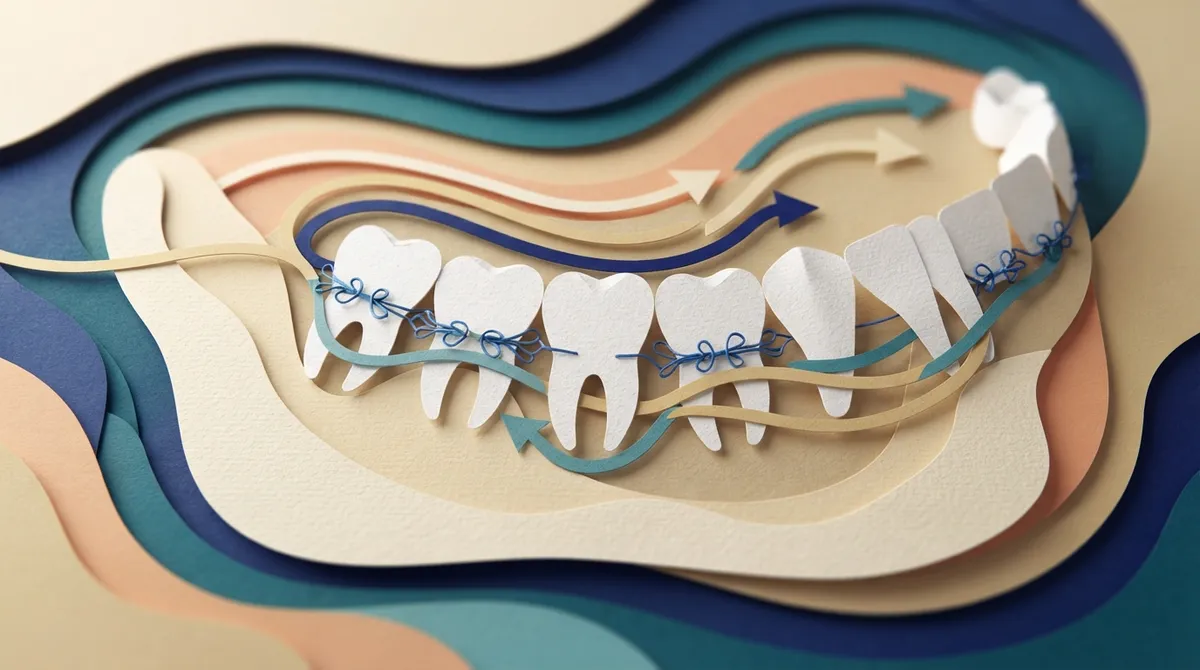
Here’s something surprising: teeth are not set in concrete. They sit in your jawbone, held in place by a network of ligaments and fibers. That system is alive and flexible. It’s the very reason braces work in the first place. Gentle, steady pressure lets your bone remodel so teeth can glide into better positions.
But that same flexibility means teeth can keep moving after treatment ends. Orthodontic treatment changes tooth position. It does not stop the normal, lifelong movement of teeth. Sometimes that later movement is slow and sneaky, showing up gradually over many years, even after a result that looked perfect on braces-off day.
Think of it like a freshly trimmed hedge. It looks sharp right after the trim, but it will slowly grow back toward its old shape unless you maintain it. Your smile isn’t quite that dramatic, but the idea is similar.
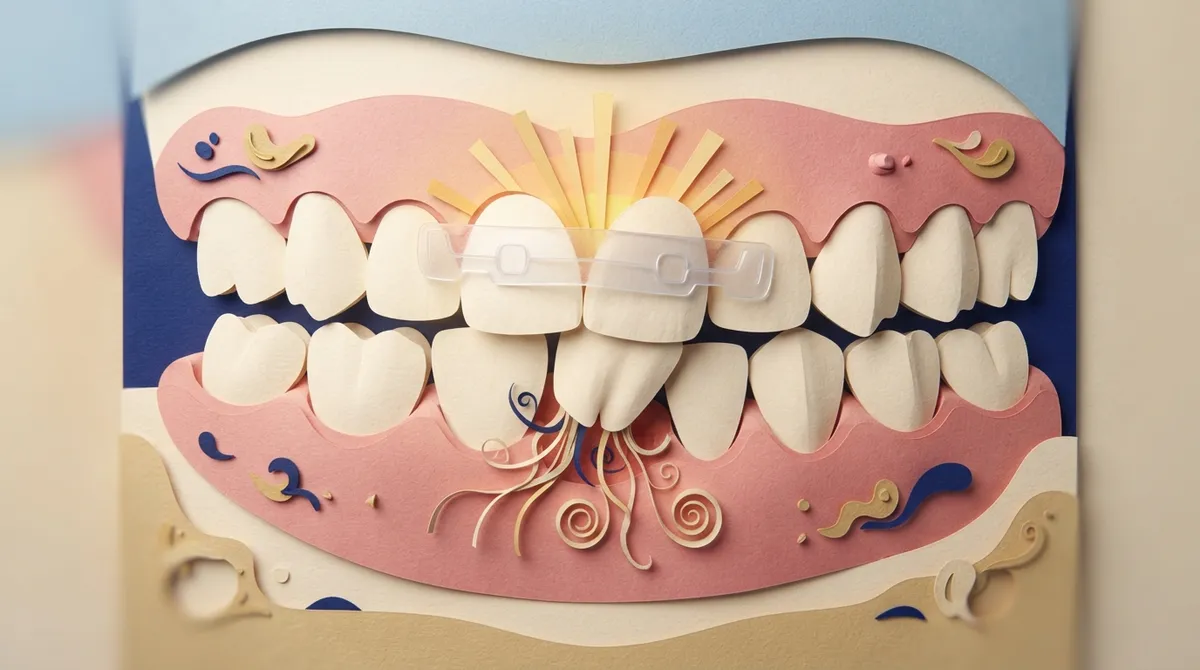
Reason 1: Orthodontic Relapse
Relapse is the term orthodontists use when teeth drift back toward their pre-treatment positions. It’s the most common reason people see changes after braces. Teeth have a kind of “memory,” and the fibers around them tend to pull them toward where they started.
Why the Bone and Gums Need Time
When braces come off, the bone and tissues around your teeth are still adapting to their new home. Those supporting structures need time to firm up and stabilize. That’s exactly why retainers are prescribed. They hold your teeth steady while everything settles in.
When Relapse Is More Likely
Relapse is more likely when:
- A retainer isn’t worn as prescribed
- A retainer is lost, cracked, or no longer fits well
- A fixed retainer wire breaks or comes loose without being noticed
- Treatment started with severe crowding, rotations, or large gaps
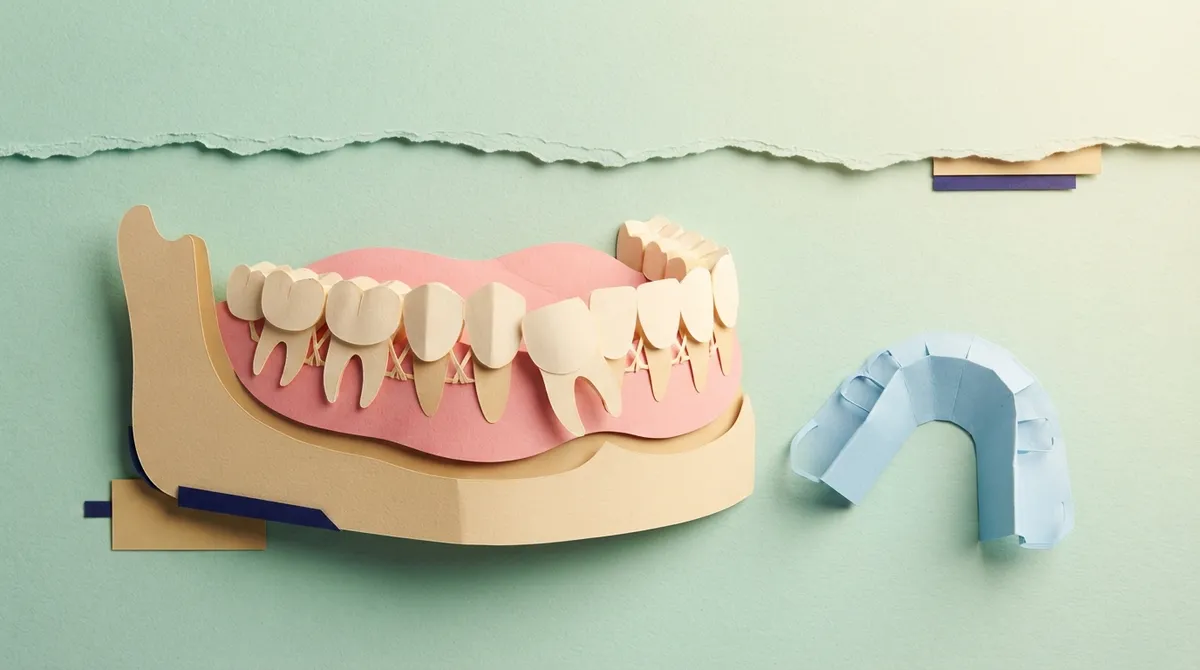
In some cases, teeth move enough that an old retainer can’t be seated safely. If that happens, please don’t force it. We’ll talk more about that below, and you can also read why you should not force an ill-fitting retainer.
Reason 2: Normal Age-Related Changes
Here’s the part that surprises many people: even if you never had braces, your teeth would likely shift a bit as you age. Gradual changes in tooth position are a normal part of life. The most common spot is the lower front teeth, which often become a little more crowded over time.
Why does this happen? Researchers and clinicians point to several everyday factors working together:
- Subtle changes in jaw growth and shape that continue into adulthood
- Ongoing pressure from lips, cheeks, and tongue
- Natural wear on teeth from chewing over many years
- Changes in gum and bone support as we age
This means some movement may happen on its own timeline, regardless of how great your braces result was. Retainers help guard against this too, which is why many orthodontists recommend long-term retention for people who want to keep their alignment. If you’re curious about the lower front teeth in particular, take a look at why bottom teeth shift most without a retainer.
Reason 3: Retainer Problems Nobody Notices
Sometimes the cause isn’t a mystery at all. It’s a retainer that quietly stopped doing its job. This is especially true for fixed retainers, the thin wires bonded behind your teeth. A fixed retainer can loosen or break without being obvious, and a tooth can start drifting before you notice anything.
Removable retainers have their own challenges. They can warp from heat, crack from being sat on, or simply get lost in a lunch tray or a pet’s mouth. Over time, normal wear can also make them less snug. A retainer that no longer fits well can’t hold your teeth in place the way it should. For tips on keeping yours in top shape, see how to care for your dental retainer the right way.
Reason 4: Habits and Daily Pressures
Everyday habits can nudge teeth, too. Because teeth respond to even light, repeated pressure, small habits add up over the years. Some common ones include:
- Clenching or grinding, especially during sleep
- Tongue thrusting or resting the tongue against the front teeth
- Nail biting or chewing on pens and ice
- Mouth breathing, which can affect tongue and jaw posture
You don’t need to panic if you do any of these. It simply helps to mention them to your orthodontist so they can factor them into your retention plan.
Reason 5: Other Life Changes
Life happens, and some of it affects your teeth. Wisdom teeth erupting, losing a tooth, or changes in gum health can all play a role in how your smile settles. Gum and bone changes can make teeth looser and easier to move. This is one reason regular checkups matter, because your orthodontist and dentist can spot early changes before they become bigger concerns. You can learn more about why orthodontic checkups matter so much.
Who Is Most Likely to See Shifting?
The honest truth is that anyone can experience shifting. We don’t have a reliable, one-size-fits-all percentage for how many people notice movement years after braces, so we won’t throw out a number we can’t back up. What we can say is that some situations raise the odds.
| Situation | Why It Raises the Risk | What Helps |
|---|---|---|
| Not wearing retainers as prescribed | Teeth drift while supporting tissues are still settling | Follow your orthodontist’s wear schedule |
| Lost or broken retainer | Nothing holds teeth in position | Get a replacement or repair promptly |
| Severe crowding or rotations before treatment | Teeth have a strong pull back toward old positions | Longer or more consistent retention |
| Grinding, clenching, or tongue habits | Ongoing pressure pushes teeth over time | Discuss habits with your orthodontist |
| Natural aging changes | Lower front teeth often crowd gradually | Long-term retainer wear and regular checkups |
Can Teeth Move Even If You Wear Your Retainer?
Yes, minor movement can still happen even with good retainer habits. Teeth are living structures, and tiny shifts are normal. The goal of a retainer isn’t to freeze your teeth forever, but to keep them stable and prevent larger changes.
What matters is how your retainer feels. If it suddenly feels tight, doesn’t fit, looks broken, or a fixed wire has come loose, that’s your cue to call your orthodontist or dentist. Don’t try to push it into place. You can read more about this in can teeth move with a retainer.
Do You Need to Wear a Retainer for Life?
This is one of the biggest questions we get, and the honest answer is: it depends on you. Long-term retention is commonly recommended for anyone who wants to maintain their alignment. Many general guidelines suggest nightly wear for the first year or so, then a reduced schedule over time. But protocols vary from provider to provider and case to case, so the best plan is the one your own orthodontist gives you.
Many patients find that wearing a retainer a few nights a week is an easy habit, like brushing your teeth. If you’d like to explore why many people choose lifelong retention, check out retainers for life and why your smile needs them.
Types of Retainers and How Each Helps
Retainers come in a few styles. Each has its own care needs and monitoring needs. Here’s a quick comparison to help you picture the options.
| Retainer Type | How It Works | Things to Watch For |
|---|---|---|
| Clear plastic (Essix-style) | Removable tray that fits over teeth | Cracking, warping, loss, wear over time |
| Wire-and-acrylic (Hawley) | Removable, with a wire across the front teeth | Breakage, loss, adjustments needed |
| Fixed (bonded) wire | Thin wire bonded behind teeth | Can loosen or break without being obvious |
Want to compare your choices more closely? Our guides on fixed versus removable retainers and Essix retainer tips can help you decide what fits your lifestyle.
Warning Signs Your Teeth May Be Shifting
Catching movement early makes it much easier to fix. Keep an eye out for these signs:
- Your retainer feels tighter than usual or no longer fits
- You notice new gaps or overlapping teeth
- Your bite feels different when you chew
- A front tooth looks rotated or tilted
- A fixed retainer wire feels loose, sharp, or looks broken
- Your teeth feel sore or sensitive in a new way
If you spot any of these, there’s no need to worry, but it is worth booking a visit. For a deeper look, see 9 orthodontic relapse warning signs.
What to Do If Your Teeth Have Shifted
Good news: shifted teeth can often be corrected, and the earlier you act, the simpler the fix tends to be. Here’s a friendly step-by-step approach.
- Stop and don’t force anything. If your old retainer doesn’t fit, don’t squeeze it in. That can stress teeth and damage the retainer.
- Keep your retainer and any broken pieces. Your orthodontist may be able to learn something from them.
- Schedule an evaluation. An orthodontist can look at the cause and extent of the movement.
- Talk through your options. Depending on your exam, this could mean a replacement or adjusted retainer, or further orthodontic treatment.
- Start a stronger retention plan. Once teeth are back where you want them, a retainer routine you can stick with keeps them there.
Can you use your old retainer to move shifted teeth back? Sometimes a small adjustment is possible, but only after a professional exam. If you’ve misplaced yours entirely, this guide on what to do when you lose a retainer can point you in the right direction.
Can Shifted Teeth Be Fixed Without Braces Again?
It depends on how far things have moved. Minor shifts may be addressed with a new or adjusted retainer, or a short course of clear aligners. Larger changes might call for more comprehensive treatment. Only an exam can tell you which path makes sense for your smile.
Many adults who return for retreatment are pleasantly surprised at how comfortable and discreet modern options are. If you’re weighing choices, you may enjoy reading adult orthodontic retreatment options for a shifted smile.
Tips to Protect Your Smile for the Long Haul
The best fix is prevention. A few simple habits go a long way:
- Wear your retainer exactly as your orthodontist instructs
- Store it in its case, never in a napkin or your pocket
- Keep it away from heat, hot water, and curious pets
- Check fixed retainers regularly by running your tongue over them and noticing any change
- Keep up with dental cleanings and orthodontic checkups
- Bring up habits like grinding or tongue pressure early
If your teen is finishing treatment, these habits are especially important. The first year after braces is when tissues are settling, so consistency matters most then.
How Brockway Orthodontics Can Help
At Brockway Orthodontics in Clearwater, Florida, Dr. Brockway believes a great smile should last. She takes time to listen, explain your options clearly, and build a plan that fits your life. Whether you need a replacement retainer, a quick evaluation, or a full smile refresh with braces or Spark™ Clear Aligners, our team is here to help patients of all ages without judgment. Modern tools like digital impressions and 3D imaging make planning precise and comfortable. You can also visit us on Google for Brockway Orthodontics to see what our Clearwater patients have to say.
For general guidance on oral health, the American Dental Association is a trusted resource, and the Florida Association of Orthodontists offers helpful information on orthodontic care across our state.
Final Thoughts: A Little Shift Isn’t the End of the World
If your teeth have moved since your braces came off, please be kind to yourself. Understanding why teeth can shift years after braces is the first step toward fixing it. Between normal lifelong tooth movement, relapse, retainer issues, and everyday habits, there are plenty of reasons it happens, and almost all of them have solutions.
Ready to find out where your smile stands? Book your appointment online and let Dr. Brockway take a look. If you have questions first, you’re always welcome to contact our friendly team. Your smile took effort to build, and we’d love to help you keep it.
FAQs
Q: Why are my teeth shifting years after braces?
A: Braces move your teeth, but they don’t stop the normal lifelong movement teeth experience. Shifting can come from relapse (teeth drifting back toward old positions), aging changes, habits like grinding, or a retainer that’s worn out or no longer fits. An orthodontist can pinpoint the cause for you.
Q: Can teeth move even if I wear my retainer?
A: Yes, small amounts of movement can still happen even with good retainer habits. A retainer helps keep your smile stable, but it won’t freeze teeth forever. If your retainer suddenly feels tight, loose, or broken, check in with your orthodontist instead of forcing it on.
Q: Do I need to wear my retainer for life after braces?
A: Long-term retention is commonly recommended if you want to keep your results, though the exact schedule depends on your case. Many people wear retainers nightly at first, then less often later on. Your orthodontist will give you a plan that fits your smile.
Q: What should I do if my retainer no longer fits?
A: Please don’t push it into place, since that can hurt your teeth or damage the retainer. Call your orthodontist or dentist for an evaluation. They can tell whether you need an adjusted or replacement retainer, or whether further treatment would help.
Q: Can shifted teeth be corrected without braces again?
A: Sometimes, yes. Minor shifts may be corrected with an adjusted retainer or a short course of clear aligners, while larger changes may need more treatment. The right option depends on a personal exam, so a quick visit is the best next step.
Our Service Area