Key Takeaways
-
In many private practices in the United States, you can book an orthodontic consultation directly without a dentist referral, but confirm the office's intake policy when you call.
-
A dentist referral, an orthodontic consultation, and insurance preauthorization are three separate steps; you may skip the referral yet still need preauthorization before insurance pays for braces.
-
Call the number on your insurance card to ask whether orthodontic care is covered, whether you need a referral or preauthorization, and whether the orthodontist must be in network.
-
Public systems differ: NHS orthodontics in England commonly starts with a general dentist referral, while Scotland usually refers but may allow direct access, so check your local service.
-
Ask your general dentist for a checkup first, since untreated cavities or gum disease should be handled before braces, and dentists can share X-rays with the orthodontist.
-
The American Association of Orthodontists recommends a child's orthodontic check-up by age 7, and no referral is needed to schedule that first visit.
You’ve noticed crooked teeth, a gap, or a bite that feels off. Now you’re wondering: do you need a dentist referral for an orthodontist, or can you just pick up the phone? It’s a fair question, and it trips up a lot of families. The good news is that the answer is often simpler than you’d think.
In many places, including much of the United States, you can book an orthodontic consultation on your own. A referral can be helpful, but it is not always required. The rules do vary by country, clinic, and how you plan to pay.
In this friendly guide, we’ll walk through eight clear facts. You’ll learn when a referral matters, when it doesn’t, and how insurance and public programs fit in. We’ll also share what to ask before you book and what to bring to your first visit. Let’s get you on the road to a smile you love.
1. In Many Places, You Can Book an Orthodontist Directly
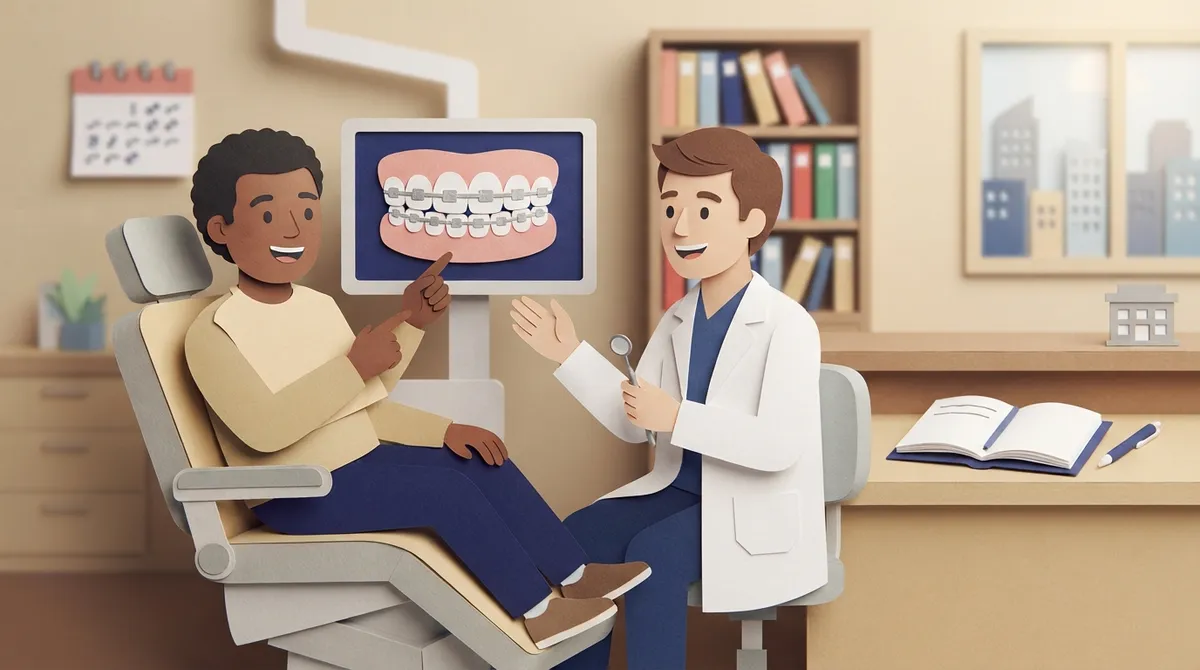
Here’s the short answer to the big question. In much of the United States, patients can contact an orthodontist directly to set up a first consultation. No paperwork from your dentist is needed to get started.
That surprises many people. They assume orthodontics works like some medical specialties, where a primary doctor must send you. In orthodontics, direct booking is common and welcome.
Of course, every office sets its own intake policy. Some clinics prefer a referral. Others happily see anyone who calls. The easiest way to know is to ask the front desk when you phone.
At Brockway Orthodontics, you can book an appointment online without a referral slip in hand. Dr. Brockway and her team are glad to meet you, listen to your goals, and explain your options in plain language.
For more on this exact topic, you may enjoy our post on why you don’t need a referral to see an orthodontist.
2. A Referral Is Not the Same as Insurance Approval
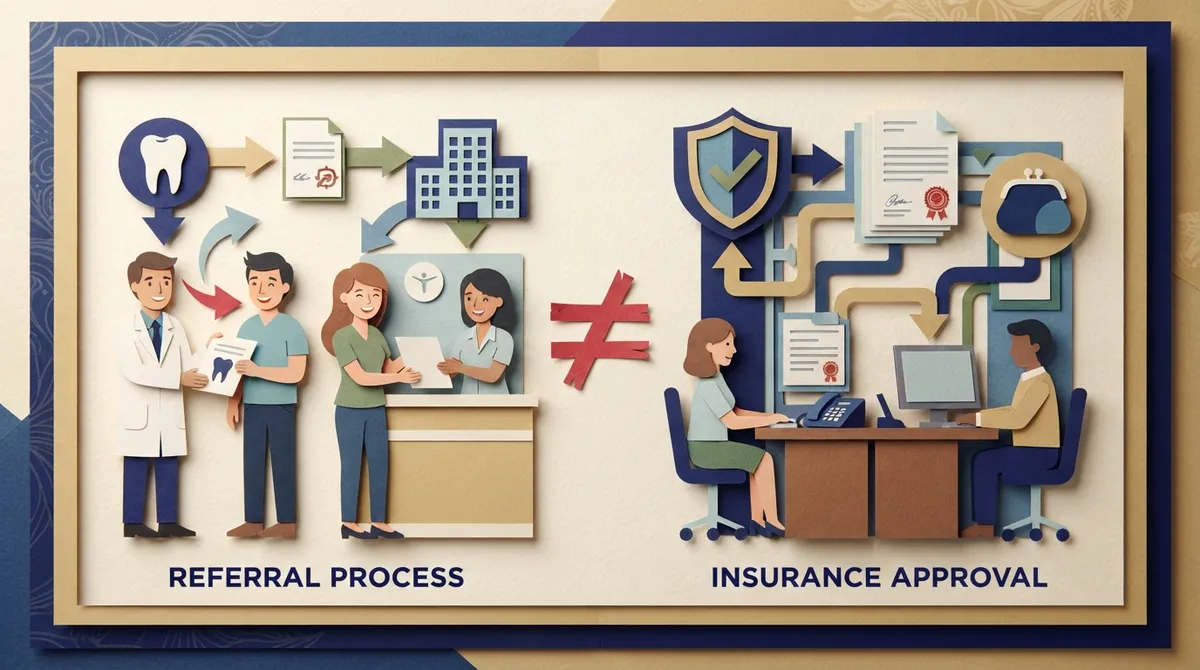
This is where people get tangled up. Three different things often get lumped together, but they are not the same.
- A dentist referral: A note or recommendation from your general dentist suggesting you see an orthodontist.
- An orthodontic consultation: Your first visit, where the orthodontist looks at your teeth and bite.
- Insurance preauthorization: Your plan’s approval before it agrees to pay for treatment.
You might be able to book a consultation without a referral. But your insurance plan could still ask for preauthorization before it pays toward braces. Those are two separate steps.
The same is true for publicly funded care. You may be able to book a visit directly, yet still need to meet program rules to get coverage. Keep these ideas apart in your mind, and the whole process gets much less confusing.
If insurance is on your mind, our guide on how to use dental insurance to help pay for braces breaks it down in simple steps.
3. Insurance Plans May Have Their Own Rules
Does dental insurance require a referral for braces? The honest answer is: it depends on your plan. Some plans let you see any in-network orthodontist directly. Others may want a referral, a preauthorization, or a treatment plan submitted first.
Many plans also have separate orthodontic benefits. These can include a lifetime maximum or an age limit. Those details matter more than the referral question for your wallet.
Here’s a quick way to sort it out:
- Call the number on the back of your insurance card.
- Ask whether orthodontic care is covered and under what limits.
- Ask whether you need a referral, preauthorization, or both.
- Ask whether the orthodontist must be in your network.
- Write down the date, the name of the person you spoke with, and what they said.
Our team can help you sort through the paperwork, too. We also have a helpful read on how to find an orthodontist that takes your insurance.
4. Rules Differ Across the UK and Other Countries
The answer to “do you need a dentist referral for an orthodontist” really does change depending on where you live. Our readers are mostly in Florida, but it helps to see how different systems work.
In Scotland, NHS inform says patients are usually referred by their dentist, though some may be able to seek orthodontic treatment directly. In England, NHS-funded orthodontics commonly starts with a referral from a general dental practitioner, following local referral pathways.
For NHS care in England, clinical need is assessed with a tool called the Index of Orthodontic Treatment Need, or IOTN. It looks at how much a problem affects health and function. It also considers oral health, willingness to go through treatment, and the ability to keep teeth clean.
Access routes and eligibility rules can differ across the UK and even from one area to the next. If you are using a public program anywhere, check with the relevant service or the orthodontic practice itself rather than assuming one rule fits all.
| Situation | Referral Often Needed? | What to Check |
|---|---|---|
| Private practice in the U.S. | Usually not required | The office’s intake policy |
| U.S. dental insurance | Depends on plan | Referral, preauthorization, network rules |
| NHS in Scotland | Usually yes, but direct access may be possible | Local NHS service |
| NHS in England | Commonly yes, through a general dentist | IOTN eligibility and local pathway |
5. Your Dentist Can Still Be a Big Help
Even when a referral isn’t required, your general dentist plays an important role. Think of them as your smile’s home base. They know your history and can spot things early.
A dentist’s check-up can find cavities, gum disease, or other issues that should be treated before braces go on. Straightening teeth is much smoother when your mouth is healthy first. You can learn more in our post on why cavities need attention before orthodontic treatment.
Your dentist can also share records or X-rays with the orthodontist. That can save time and sometimes spare you an extra image. It is a nice-to-have, though, not a must-have for a first consultation.
Not sure how the two roles differ? Our friendly breakdown of orthodontist vs. dentist explains it well. In short, dentists keep teeth healthy, while orthodontists specialize in moving teeth and fixing bites.
6. Kids Can Often See an Orthodontist Directly Too
Parents, this one’s for you. Can you take your child straight to an orthodontist? In many cases, yes.
The American Association of Orthodontists recommends that children have an orthodontic check-up by age 7. That is a suggestion for when to have a look, not a rule about getting a referral. By around age 7, enough permanent teeth have come in for an orthodontist to spot early signs of crowding, bite problems, or jaw growth issues.
A check-up at this age does not mean your child will get braces right away. Often it just means we watch and wait. Sometimes it means early treatment can make later care simpler. We explain the difference in how to understand why early evaluation isn’t treatment.
If you’re curious about timing, take a peek at age 7 vs. waiting for a clear look at both sides.
Here are signs a child might benefit from an early look:
- Teeth that look crowded or crooked
- Baby teeth lost very early or very late
- Trouble chewing or biting
- Thumb sucking or mouth breathing that continues
- A jaw that shifts or makes noise
7. Teens and Adults Can Start the Conversation on Their Own
Teens and adults often wonder if they need a referral for braces or clear aligners. In most private practices, the answer is no. You can reach out yourself.
Maybe you want straighter teeth before graduation or a big event. Maybe you wore braces years ago and your teeth have shifted. Or maybe you’re a busy professional who wants a discreet option. Either way, you are in the driver’s seat.
At Brockway Orthodontics, we offer metal braces, ceramic (clear) braces, and Spark™ Clear Aligners, a more affordable alternative to Invisalign. Teens and adults alike can explore which choice fits their life. If you’re weighing options, our guide on braces vs. clear aligners is a great place to start.
Adults who need retreatment after relapse are welcome too. Teeth can drift over time, and that is more common than people think. We’ll look at your bite and your goals and build a plan that fits you.
Whether you’re a parent or a patient, our post on 12 questions teens should ask their orthodontist can help you feel prepared.
8. Ask These Questions Before You Book
The smartest move is a quick call or message before your visit. A few simple questions can save you time and surprise bills. Here is a short checklist.
Questions for the Orthodontic Office
- Do you accept direct appointments, or do you need a referral?
- Is the first consultation free or paid?
- Do you take my insurance, and will you help with claims?
- What records or X-rays should I bring?
Questions for Your Insurer or Public Plan
- Does my plan cover orthodontics, and what are the limits?
- Do I need a referral, preauthorization, or both?
- Are there age limits or network rules?
- For public programs, what eligibility criteria apply?
It also helps to know about consultation costs. Some offices offer a complimentary first visit, which we cover in free vs. paid braces consultation.
What to Bring If You Don’t Have a Referral
No referral? No problem. You can still arrive ready. Here’s a simple list to bring along:
- Your insurance card and a photo ID
- A list of any medications or health conditions
- Any recent dental X-rays or records, if you have them
- Your questions, written down so you don’t forget
- A parent or guardian, if the patient is a minor
If you don’t have records, that’s fine. The orthodontist can take what’s needed at your visit. Our team uses modern tools like digital impressions instead of messy molds and 3D imaging to plan treatment with care. You can read more in our article on how to prepare for your orthodontist consultation.
Want a peek at what happens during that first appointment? Our guide to what to expect at the orthodontist walks you through it step by step.
Why Families Choose Brockway Orthodontics
We’re proud to be a go-to orthodontist in Clearwater, Florida. Dr. Brockway is more than a skilled specialist. She listens to your concerns and dreams for your smile, then explains your choices in a friendly, easy-to-follow way.
We treat the whole family, from kids and teens to adults. We also know life is busy, so in certain cases we can offer same-day treatment to help you get started without a pile of extra visits. If you’d like to see what neighbors say, you can visit us on Google — Brockway Orthodontics and read patient reviews.
It’s also smart to confirm your orthodontist’s training and standing. The Florida Association of Orthodontists is a helpful place to learn about the profession in our state. And for general oral health guidance, the American Dental Association is a trusted resource.
Curious about the person behind the care? Read about Dr. Brockway to see why so many local families feel at home here.
The Bottom Line
So, do you need a dentist referral for an orthodontist? Often, no. In many private practices you can book directly. But your insurance plan, your country’s public system, or a particular clinic’s policy might say otherwise. A quick call clears it up fast.
Whatever you decide, keep your regular dentist in the loop. A healthy mouth makes orthodontic treatment smoother and safer. And remember that a referral, a consultation, and insurance approval are three different things.
Ready to take the first step toward a smile you’ll love? We would be delighted to meet you. Book your appointment online today, or contact us with any questions. No referral slip needed to say hello!
FAQs
Q: Can I make an appointment with an orthodontist without seeing my dentist first?
A: Yes, in many places you can! Most private orthodontic offices, including ours, welcome direct bookings for a first consultation. Just give the front desk a call to confirm their policy.
Q: Does dental insurance require a dentist referral for braces?
A: It depends on your plan. Some plans want a referral or preauthorization, while others let you see an in-network orthodontist directly. A quick call to your insurer will tell you exactly what applies to you.
Q: Is a referral required for NHS orthodontic treatment?
A: Often yes, since NHS-funded care in England commonly starts with a referral from a general dentist and follows local pathways. In Scotland, patients are usually referred but may be able to seek care directly. Rules vary by area, so check with your local NHS service.
Q: Can I take my child directly to an orthodontist?
A: In many cases, absolutely! The American Association of Orthodontists recommends a check-up by age 7, and that is a suggestion about timing, not a referral rule. A first visit helps you learn whether your child needs treatment now or just a watchful eye.
Q: What should I bring to an orthodontist consultation if I don’t have a referral?
A: Bring your insurance card, a photo ID, a list of medications, and any recent dental X-rays if you have them. Having records is helpful but not required, because the orthodontist can take what’s needed at your visit.
Our Service Area