Key Takeaways
-
Active treatment (braces or clear aligners) moves teeth into better positions, while a retainer only holds them in place; a retainer cannot correct significant tooth movement.
-
Retainer wear should continue long term as directed, because teeth and surrounding tissues keep adjusting and can drift with age after treatment ends.
-
A retainer that feels tight or no longer fits likely means teeth have shifted; do not force it in, and schedule an orthodontic exam for a replacement or retreatment.
-
A 2023 Cochrane review found only low-to-very-low certainty evidence and no universal best retainer type, so the choice between fixed and removable should follow your orthodontist's advice.
-
Always follow your orthodontist's personalized wear schedule rather than a universal rule, and attach wearing it to a daily habit like brushing before bed.
-
Protect removable retainers by storing them in a case, keeping them away from hot water and pets, and bringing them to checkups for inspection.
Picture this: your braces just came off, and your teeth look amazing. Then someone hands you a retainer and says, “Wear this.” Wait, more orthodontic stuff? Many patients feel that way, and it is a fair question. If you have ever wondered how retainers versus active orthodontic treatment really compare, you are in good company.
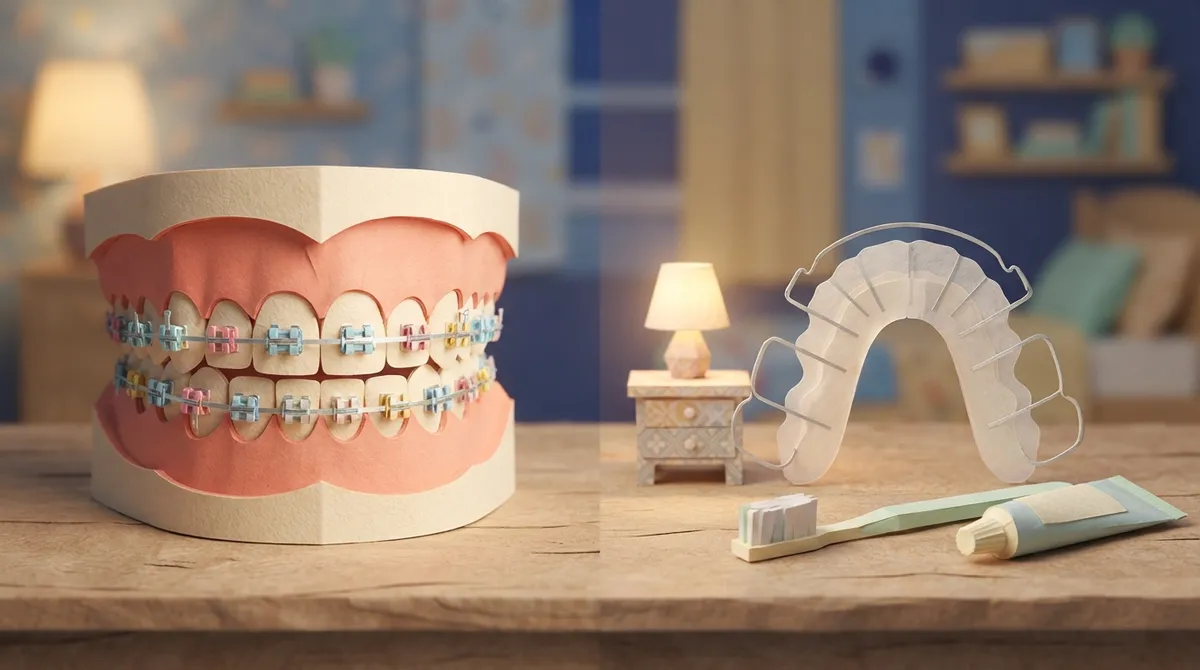
Here is the short version. Active treatment is the part where braces or clear aligners move your teeth. A retainer is what comes next. It helps hold your smile where it ended up. They do two very different jobs, and mixing them up can lead to frustration, extra costs, and shifted teeth.
In this friendly guide, we will walk through what each stage does, how they differ, and what to do if your teeth move after treatment. Whether you are a parent planning for your child, a teen eyeing graduation photos, or an adult thinking about a second round, you will find clear answers here.
What Is Active Orthodontic Treatment?
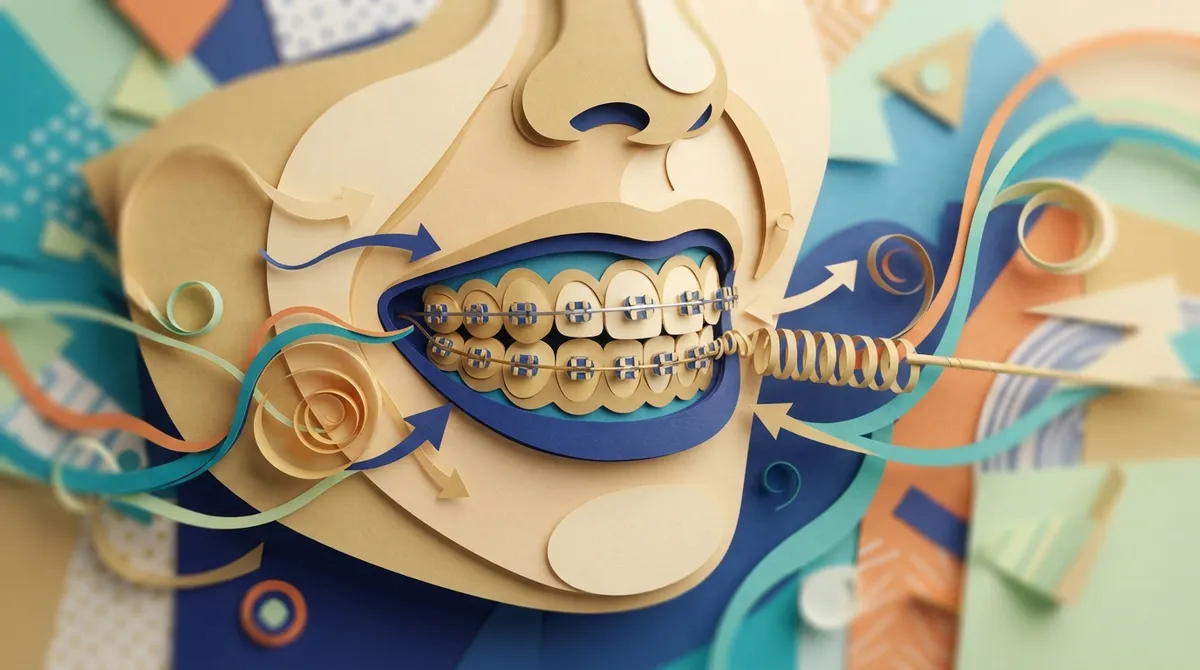
Active orthodontic treatment is the stage where your orthodontist uses appliances to move your teeth into better positions. Think of it as the construction phase of your smile. Gentle, steady pressure guides teeth where they need to go, and in many cases it also improves how your upper and lower teeth fit together.
The most common tools include:
- Metal braces: Brackets and wires that move teeth step by step.
- Ceramic (clear) braces: Tooth-colored brackets that blend in more.
- Clear aligners: Removable, nearly invisible trays that change in a planned series. Spark™ Clear Aligners are one option we offer.
Active treatment takes planning. Your orthodontist looks at your teeth, bite, and jaw to build a custom plan. If you want to know what that process looks like, our guide on how orthodontists fix smiles walks through it step by step.
What Is a Retainer?
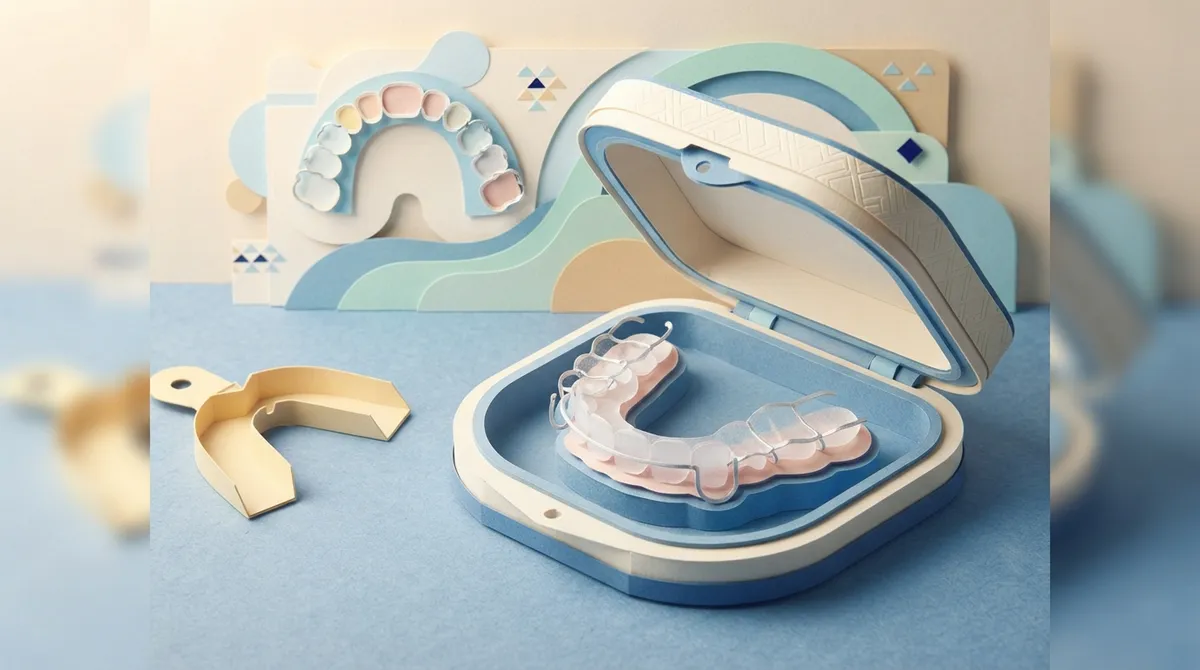
A retainer is a custom appliance that helps keep your teeth in their new positions after active treatment ends. Its main job is to hold, not to move. Think of it as the guardrail that protects all the hard work you just put in.
Retention usually begins right after your braces come off or your last aligner is done. Your teeth and the tissues around them need time to settle, and they can drift if nothing supports them. Retainers give that support while everything adapts, and often long after.
If you want a deeper look at how they work, check out how orthodontic retainers keep teeth straight.
Retainers vs. Active Orthodontic Treatment: Side-by-Side
The easiest way to see the difference is to put them next to each other.
| Feature | Active Treatment | Retainer |
|---|---|---|
| Main goal | Move teeth and improve bite | Hold teeth in place |
| When it happens | Before and during correction | After correction is finished |
| Tools used | Braces or clear aligners | Fixed wire or removable retainer |
| Length of use | Often many months to a couple of years | Long term, as your orthodontist advises |
| Can fix big changes? | Yes, that is its purpose | No, not meaningful movement |
| Patient role | Follow care and appointment plans | Wear it as directed, every time |
The key takeaway: a retainer is not a shortcut for braces. If a lot of tooth movement is needed, a retainer cannot do that job. It is built to maintain a result, not create one.
Why Retainers Matter After Active Treatment
Teeth are not set in concrete. After treatment, the bone and gum tissue around them are still adjusting. On top of that, teeth can keep changing slowly through life, including normal age-related shifts.
That is why long-term retention is commonly recommended. A retainer protects your investment of time, money, and effort. Plenty of patients skip it because their teeth look perfect, then notice crowding creeping back months or years later.
Curious about the lifelong angle? Our article on retainers for life explains why this habit is worth keeping.
Types of Retainers You May Be Offered
Not every retainer is the same. Your orthodontist will pick one based on your result, your oral health, how likely you are to wear it, and their own assessment.
Removable Retainers
These come out for eating and cleaning. Common styles include clear plastic trays and Hawley retainers, which use a wire and an acrylic plate. They are easy to clean, but they only work if you wear them. They can also be lost or damaged. You can learn more in 6 removable retainer facts every smile needs.
Fixed (Bonded) Retainers
A fixed retainer is a thin wire bonded behind your teeth. You do not have to remember to put it in. It does need careful cleaning, and you should have it checked for a loose or broken bond. Our guide on fixed bonded retainers covers the details.
| Retainer Type | Pros | Things to Watch |
|---|---|---|
| Clear removable | Discreet, easy to remove for meals | Can be lost, cracked, or forgotten |
| Hawley | Durable, adjustable by your orthodontist | More noticeable, needs consistent wear |
| Fixed bonded wire | Works around the clock, nothing to remember | Harder to clean, bond can loosen |
Wondering which is better? Research does not crown a universal winner. A 2023 Cochrane review found the evidence comparing retention methods to be of low to very low certainty, so it could not say one approach is best overall. In one trial it summarized, part-time clear removable retainers showed 0.92 mm more lower-front tooth irregularity than multistrand fixed retainers, but the review called that difference not clinically significant. Another study found a 0.60 mm difference in the lower arch between full-time clear removable and fixed retainers, also judged unlikely to matter clinically.
The review also noted that many studies were small, at risk of bias, or followed patients for less than a year. It called for better studies tracking stability and side effects over at least two years. In plain words: your orthodontist’s advice for your mouth matters more than any one-size-fits-all rule. For a closer look at this debate, see fixed vs. removable retainers.
How Long and How Often Should You Wear a Retainer?
This is the question we hear most. The honest answer is that wear schedules are individualized. Some patients start with full-time wear for a period and then move to nights only. Others follow a different plan. Always follow the schedule your orthodontist gives you instead of assuming a universal rule.
Here is a simple way to stay on track:
- Ask your orthodontist for your exact wear schedule before you leave the chair.
- Write it down or set a phone reminder.
- Pick a daily habit to attach it to, such as brushing before bed.
- Keep your case with you so the retainer never ends up in a napkin.
- Bring it to checkups so it can be inspected.
Stopping or wearing a removable retainer inconsistently can allow teeth to shift. If you are curious why plans differ from person to person, read why retainer schedules differ between patients.
What If Your Retainer Feels Tight or Does Not Fit?
Here is a moment that surprises many people. You skip your retainer for a few weeks, put it back in, and it feels snug or even painful. That tightness is a sign your teeth may have moved.
Please do not force it. Pushing a retainer that no longer fits can strain your teeth or damage the retainer. The better move is to call your orthodontist and have it assessed. Our article on why you should not force an ill-fitting retainer explains the risks in more detail.
Can a Retainer Straighten Teeth Again?
This is where the retainers versus active treatment question gets practical. A retainer is meant to maintain. It does not actively correct significant relapse or a new bite problem. If teeth have shifted a little, your orthodontist may be able to work with a replacement retainer. If movement is more noticeable, you may need something stronger.
After an exam, your orthodontist may suggest one of these paths:
- A new retainer to hold your current position.
- Limited retreatment with clear aligners or braces to move teeth back.
- A broader plan if your bite has changed in other ways.
The right choice depends on how much and what kind of movement has happened. If you are an adult wondering about a second round, you may like 9 adult orthodontic retreatment options for a shifted smile. And if you are unsure whether movement is happening, our list of orthodontic relapse warning signs can help you spot it early.
Which Stage Do You Need Right Now?
Use this quick guide to see where you might land. It is not a diagnosis, but it can help you know what to ask.
| Your Situation | Likely Next Step |
|---|---|
| Teeth have never been treated and look crooked or have bite problems | Active treatment with braces or aligners |
| Braces or aligners just finished | Start your retainer plan right away |
| Retainer fits well and teeth feel stable | Keep wearing it as directed |
| Retainer feels tight or is lost, broken, or ill-fitting | Orthodontic exam for a replacement or retreatment options |
| Teeth have visibly shifted | Evaluation to decide between a new retainer and retreatment |
Tips for Different Patients
For Parents of Kids and Teens
Teens are busy, and retainers get left in lunch trays and gym bags. Build a simple routine together and keep a spare case in the backpack. A little teamwork now protects the smile your child worked hard for. For ideas, see helping teens keep track of retainers.
For Young Adults and Professionals
Life gets hectic with school, work, and travel. A clear retainer is discreet, and a fixed retainer takes away the daily “did I wear it?” worry. Ask your orthodontist which fits your routine best, and consider carrying a travel case on trips.
For Anyone Whose Teeth Have Shifted
Relapse happens, and there is no shame in it. Many adults come back for a quick evaluation and leave with a clear plan. Acting early often keeps the fix simpler.
Caring for Your Retainer
A retainer that is clean, safe, and in good shape does its job better. A few basics help:
- Rinse removable retainers and brush them gently each day.
- Keep them away from hot water, which can warp plastic.
- Store them in a case, never wrapped in a napkin.
- Clean around fixed retainers carefully, and watch for a loose wire.
- Keep retainers away from pets, who love to chew them.
Our guide on how to care for your dental retainer gives you more daily tips. Also remember that retainers can wear out or crack. Replace them when they are damaged, lost, or no longer fit, and keep up with regular dental and orthodontic checkups so small issues get caught early.
Why Local, Personalized Care Makes a Difference
The right retainer, and the right plan if your teeth move, comes from a real exam by someone who knows your case. At Brockway Orthodontics, Dr. Brockway takes time to listen to your goals and explain your options in simple, friendly terms. We offer metal braces, ceramic braces, and Spark™ Clear Aligners for kids, teens, and adults, and we use digital impressions and 3D imaging to plan with precision. In certain cases, same-day treatments may be possible too.
Families in Clearwater often tell us they feel at ease here, and you can see what our Brockway Orthodontics patients say on Google. For general background on orthodontic and oral health, the American Dental Association is a trusted resource, and the Florida Association of Orthodontists shares helpful information for Florida patients. For the research behind retention, you can read the Cochrane review on retention methods.
The Bottom Line on Retainers vs. Active Treatment
Active treatment moves your teeth. Retainers keep them there. Both matter, and neither replaces the other. If your teeth are crooked or your bite is off, active treatment is the tool for the job. If your teeth are straight, a retainer is your best friend for keeping them that way.
Not sure which stage you are in? That is completely normal, and a quick visit can clear it up. Book your appointment online and let Dr. Brockway take a look. Prefer to talk first? You can contact us with any questions. We would love to help you protect your smile for the long run.
FAQs
Q: What is the difference between a retainer and braces or clear aligners?
A: Braces and clear aligners are active treatment. They move your teeth into better positions. A retainer comes after that and helps hold your teeth in their new spots, so it is not a replacement when real correction is needed.
Q: Can a retainer straighten my teeth if they have shifted?
A: A retainer is made to maintain your result, not to fix significant relapse. If your teeth have moved a lot, your orthodontist may suggest a new retainer or a short round of retreatment with aligners or braces after an exam.
Q: How long should I wear my retainer after braces?
A: It depends on you. Wear schedules are individualized, so follow the plan your orthodontist gives you. Many patients keep wearing a retainer long term because teeth can keep changing with age.
Q: What should I do if my retainer feels tight or no longer fits?
A: Please do not force it into place. A tight retainer can mean your teeth have shifted, so call your orthodontist to have it checked and talk through a replacement or other options.
Q: Are fixed or removable retainers better?
A: Neither one wins for everyone. A 2023 Cochrane review found low to very low certainty evidence and could not name a best method, so the right choice depends on your teeth, your habits, and your orthodontist’s advice.
Our Service Area