Key Takeaways
-
Do not switch to the next aligner tray early unless your orthodontist clearly approves it, since your personalized schedule is built step by step from your scans.
-
A loose or comfortable tray does not prove your teeth have finished moving; teeth may still be behind the planned path.
-
Check your wear time honestly first, since aligners are commonly worn about 20 to 22 hours a day, and insufficient wear is a reason to wear the current tray longer, not switch early.
-
Inspect for tracking problems such as gaps under the tray, lifted edges, or loose attachments, and call your office instead of rushing to the next tray.
-
Never force a tray that will not seat; contact your orthodontist for damaged, lost, or ill-fitting trays rather than improvising your own schedule.
-
Switching early often adds time, because teeth that lag behind may need extra refinement trays to correct the gap.
You look down at your current aligner tray and it feels loose. It slides on and off easily. Your teeth feel fine. So you wonder: is it okay to switch to the next set a few days early? It is a very common thought, and honestly, a very human one. Who does not want to finish sooner?
Here is the friendly truth. A tray that feels comfortable does not always mean your teeth are ready to move on. Before you change anything, it is smart to know what to ask. Knowing what to ask before changing aligner trays early can protect your results, save you time, and keep your treatment moving the way your orthodontist planned.
In this guide, we will walk through the questions to bring to your orthodontist, what your tray is really telling you, and what to do when something goes wrong. Whether you are a teen, a parent helping a teen, or an adult with a busy schedule, these tips will help you feel confident and in control.

Why Your Tray Schedule Is Personal
Your aligner schedule is not random. It was built just for you. Your orthodontist used scans of your teeth to plan each small step. Every tray is meant to move your teeth a tiny bit, and each step depends on the one before it.
Many plans use a change every one to two weeks. But that range is only a general idea. Your own schedule can be different based on your case, the aligner system, the planned movements, and your orthodontist’s judgment. A friend’s schedule is not your schedule.
Think of it like a staircase. Each tray is one step. If you skip ahead before your teeth reach the next step, you may stumble. That is why the first rule is simple: do not move to the next tray early unless your orthodontist clearly says it is okay.
Why a Loose Tray Is Not a Green Light
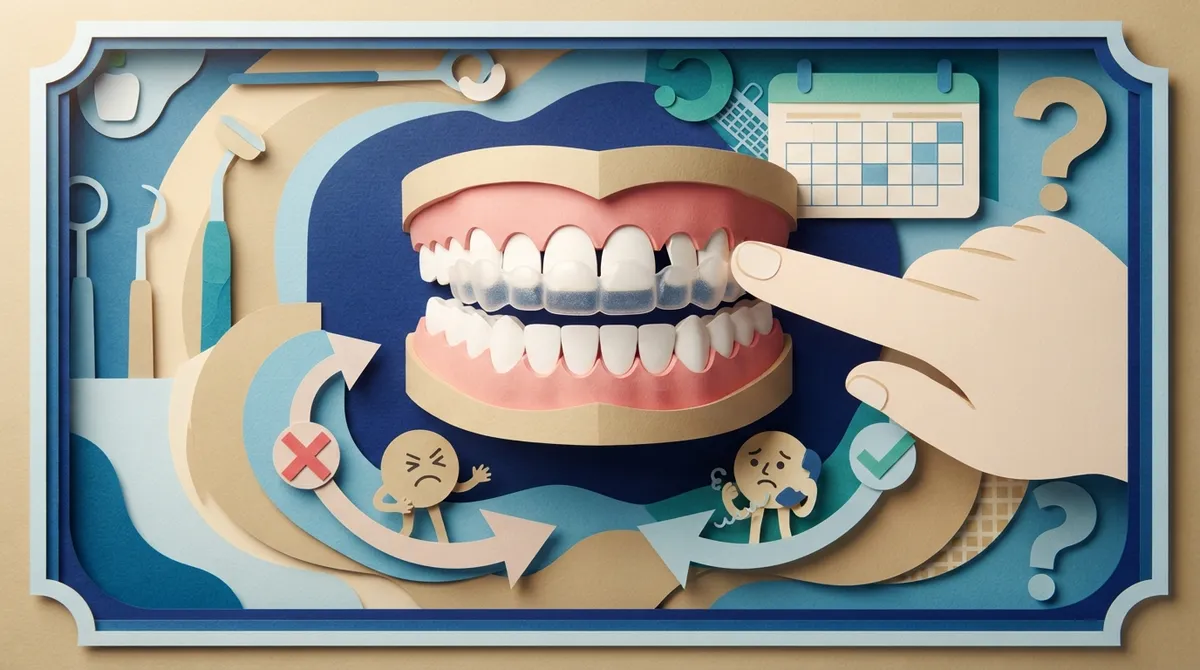
A loose or comfortable tray can feel like proof that your teeth have moved. Sadly, it is not a reliable sign. Trays can feel looser for many reasons. The plastic can soften slightly with wear. Your teeth may feel less sore as your mouth adjusts. None of that proves the planned movement is finished.
When you switch too soon, a few things can happen:
- Some teeth may fall behind the digital treatment plan.
- The next tray may not fit well.
- Your orthodontist may need to add extra trays or fix things later.
- Treatment can end up slower, not faster.
We cover this idea in more depth in our post on why not to skip ahead to a new aligner tray in 2026. The short version is that patience now often means a quicker finish overall.
The Core Questions to Ask Before Changing Aligner Trays Early
If you are tempted to move up your schedule, bring a short list of questions to your orthodontist. These are the questions to ask before changing aligner trays early. They keep the conversation clear and helpful.
- Is my current tray tracking properly? “Tracking” means your teeth are moving where the plan says they should. Ask if your tray fits snugly with no gaps.
- Has my progress been reviewed recently? Ask whether you or your orthodontist have checked recent photos or scans. A real look at your teeth beats a guess.
- Will the next tray seat fully? A tray that does not sit all the way down will not work well.
- What is my exact change date, and is there any flexibility? Some cases allow small adjustments. Others do not. Only your orthodontist can say.
- What are the risks for my case if I switch early? Ask what could go wrong for your specific teeth.
- What should I do if something feels off? Get a clear plan before you need one.
Writing these down before your visit helps. It also shows your care team that you are serious about doing treatment right. If you want a longer list for your appointments, our guide on 13 questions to ask at an orthodontic consultation is a great place to start.
Ask About Your Wear Time First
Before you ask about changing early, check your own habits. Aligners are commonly worn about 20 to 22 hours a day. Your orthodontist’s instructions for your plan come first, but that range is a good guide.
Why does this matter? If you have not worn your tray enough, your teeth may not be ready for the next one. In that case, switching early makes things worse. The better move may be to wear your current tray a bit longer, as your orthodontist advises.
Ask yourself these honest questions:
- Did I wear my trays most of the day and night?
- Did I take them out for long stretches during meals or social events?
- Did I miss days because of travel or a busy week?
No judgment here. Life gets busy! But your answers help your orthodontist guide you. You can read more in our post on why aligner wear time affects treatment progress in 2026.
What “Tracking” Really Means
Tracking is one of the most important words in aligner treatment. When your teeth are tracking, each one moves along the planned path. The tray fits closely with no big gaps, and the next tray will seat well.
When teeth are not tracking, you may notice signs like these:
- A visible gap between the tray and a tooth
- A tray that pops off or feels lifted at one spot
- Pain that lasts longer than the usual first days
- An attachment (the small tooth-colored bump) that looks loose or missing
If you spot any of these, do not rush to the next tray. Call your orthodontist instead. They may suggest wearing the current tray longer, using a chewie to help it seat, or booking a check-in.
How Orthodontists Check Your Progress
You do not have to guess how things are going. Orthodontists have good ways to check. Depending on your plan, this may include in-office visits, progress photos, or digital scans. Photos you send can help your team see whether your trays fit well.
Here is a simple comparison of how different clues can mislead you versus what your orthodontist can see.
| What You Notice | What It Might Mean | Is It Safe to Switch Early? |
|---|---|---|
| Tray feels loose | Could be normal wear or incomplete movement | Not on its own. Ask first. |
| No soreness | Your mouth may be used to the tray | Not a sign teeth are ready |
| Gap under the tray | Tooth may not be tracking | No. Contact your office. |
| Next tray won’t seat | Teeth may be behind plan | No. Do not force it. |
| Missed wear time | Teeth may lag behind | No. Ask about extending wear. |
For a deeper look at how check-ins work, see how to keep clear aligners on track with monitoring and our guide to orthodontic monitoring in 2026.
Step-by-Step: What to Do Before You Change Trays
Here is an easy routine you can follow each time a tray change is coming up. It keeps you safe and takes only a few minutes.
- Check the date. Look at your planned change day. Do not move it up on your own.
- Review your wear time. Think honestly about whether you wore your tray as directed.
- Inspect the fit. Look for gaps, lifted edges, or loose attachments.
- Take a quick photo. A clear photo of your teeth in the tray can help your orthodontist if you have questions.
- Ask before you switch. If you want to change early, message or call your office first.
- Test the next tray gently. On your normal change day, the new tray should click into place with firm but gentle pressure.
That last step matters. A new tray should feel snug and a little pressured. It should not feel like you are forcing it. If it will not seat, stop and call. Pushing too hard can hurt your teeth or crack the tray.
What to Do If Your Tray Is Damaged, Lost, or Won’t Fit
Sometimes the reason you want to change early is not impatience. It is a problem. Maybe your tray cracked. Maybe you lost one. Maybe the next one just will not fit. Do not improvise your own schedule in these cases.
Here is what to do in common situations:
- Cracked or damaged tray: Call your office. They may tell you to keep wearing it, move to the next one, or send a replacement.
- Lost tray: Do not just skip ahead. Ask your orthodontist whether to go back to the previous tray or move forward. If you are not sure, our guide on how to decide whether to keep previous aligner trays can help.
- Next tray will not seat: Do not force it. Contact your office for next steps.
- Ongoing pain or gaps: Reach out early. Small issues are easier to fix than big ones.
If something is bothering you and you are not sure it counts as urgent, take a look at how to know what aligner discomfort to report in 2026.
Why Teens, Parents, and Busy Adults Feel This Pressure
Wanting to move faster is normal, and the reasons vary by person.
Teens and young adults often have big dates on the calendar, like prom, graduation, or a wedding. The wish to finish before an event is strong. Instead of rushing trays, ask your orthodontist what is realistic. Your team can plan around your big day.
Parents may see a child’s tray looking loose and think it is time to switch. You are just trying to help! The best move is to message the office before changing anything. Kids may also forget to wear trays as much as needed, so a quick check on wear time helps.
Adult professionals often travel or work long hours, and aligners can slip out of routine. If you are behind on wear time, do not try to catch up by switching trays early. Tell your orthodontist so they can adjust the plan safely.
Patients returning after past treatment sometimes want to hurry because they have done this before. Every case is different, and relapse treatment can have its own steps. Trust the plan built for you now.
Will Changing Trays Early Actually Save Time?
It feels like it should. In reality, it often does the opposite. If your teeth are not ready, the next tray will not fit well and your teeth can lag behind the plan. Your orthodontist may then need to order extra trays, called refinements, to fix the gap. That can add weeks or even months.
Even research on schedules shows how much cases vary. A 2025 systematic review of clear-aligner treatment in growing patients, summarized in a search result, found that 12 included studies recommended weekly changes and 5 recommended changes every two or three weeks. That tells us there is no one-size-fits-all rule, and it applies to growing patients, not everyone. Your own schedule should come from your own orthodontist.
If you want to see why extra trays sometimes become part of care, read refinement aligners vs. original set: why more trays?
Setting Yourself Up for a Smooth Treatment
Good habits make tray changes easy. Try these simple tips:
- Set a phone reminder for your change day.
- Keep your trays in their case whenever they are out.
- Brush before putting your trays back in.
- Keep your next tray and your last tray safe in labeled bags.
- Save your orthodontist’s office number in your phone.
Small routines add up. For more on staying on schedule, see how to keep your clear aligner timeline on track in 2026.
Choosing a Team You Can Ask Anything
The best part of great orthodontic care is feeling comfortable asking questions. At Brockway Orthodontics in Clearwater, Florida, Dr. Brockway takes time to listen and explain your options in simple words. Our team offers Spark™ Clear Aligners, metal braces, and ceramic braces for kids, teens, and adults. We use modern tools like digital impressions and 3D imaging so your plan fits you precisely.
You can learn what other patients say when you visit us on Google — Brockway Orthodontics. For general guidance on orthodontic care, the American Dental Association is a trusted resource, and the Florida Association of Orthodontists shares helpful information for families across the state.
Quick Takeaways
- Do not change trays early unless your orthodontist says it is okay.
- A loose or comfortable tray does not prove your teeth are ready.
- Ask about tracking, wear time, fit, and recent progress review.
- Wear aligners about 20 to 22 hours a day, or as your plan says.
- Never force a tray that will not seat.
- Call your office for damaged, lost, or ill-fitting trays.
Ready to Feel Confident About Your Aligner Plan?
You do not have to guess when it comes to your smile. If you are unsure about your tray schedule, or you want to start clear aligner treatment the right way, we are here to help. Book appointment online and meet Dr. Brockway and the team, or contact us with any question about your trays. We would love to help you keep your treatment moving smoothly toward the smile you have been dreaming about.
FAQs
Q: Can I change my aligner trays early if they feel loose?
A: It is best not to. A loose tray does not prove your teeth have finished moving, and switching too soon can leave teeth behind the plan. Check with your orthodontist first so you stay on track.
Q: What should I ask my orthodontist before changing aligners early?
A: Ask whether your current tray is tracking properly, whether the next tray should seat fully, and if your progress has been reviewed lately. Also ask about your exact change date and any risks for your case. Your orthodontist can give you a plan that fits your teeth.
Q: Can changing aligner trays early delay treatment?
A: Yes, it can. If your teeth are not ready, the next tray may fit poorly and you may need extra trays to fix the gap. That can add time instead of saving it.
Q: What should I do if my next aligner tray does not fit?
A: Do not force it. Keep wearing your current tray and call your orthodontic office for guidance. Your team can check what is going on and tell you the safest next step.
Q: How many hours a day should I wear clear aligners?
A: Aligners are commonly worn about 20 to 22 hours a day. Your own instructions come first, so follow the wear-time plan your orthodontist gave you. Good wear time helps your teeth keep up with each tray.
Our Service Area