Key Takeaways
-
A bonded retainer is a thin wire glued to the tongue-facing side of your teeth, usually the lower front ones, so it works day and night without you having to remember to wear it.
-
Teeth can drift back after braces or aligners because they sit in bone and gum tissue that needs time to settle, and a retainer helps prevent this relapse.
-
Bonded retainers can loosen, break, or bend, so call your orthodontist promptly and never try to bend, trim, or remove the wire yourself.
-
Clean under the wire daily with a floss threader or interdental brush, brush the back of your teeth twice a day, and avoid chewing ice, hard candy, or pens.
-
A 2023 meta-analysis estimated an overall failure rate of about 35%, rising with longer follow-up, so regular orthodontist checkups are essential.
-
A bonded retainer only holds the teeth it is attached to, so your orthodontist may also recommend a removable retainer for added support and a backup.
You finally got your braces off or finished your last aligner tray. Your smile looks amazing, and you want it to stay that way. So what keeps your teeth from drifting back? For many patients, the answer is a small wire that sits quietly behind the teeth. If you have ever wondered what is a bonded retainer, you are in the right place.
A bonded retainer is a thin wire that your orthodontist glues to the back of your teeth. It does not come out, so you do not have to remember to wear it. That sounds simple, but there is more to know about how it works, how to clean it, and what can go wrong.
In this guide, we explain it all in plain language. You will learn who a bonded retainer is good for, how long it may last, and when to call your orthodontist. Whether you are a parent, a teen, or an adult thinking about a second round of care, we will walk you through it, one friendly step at a time.
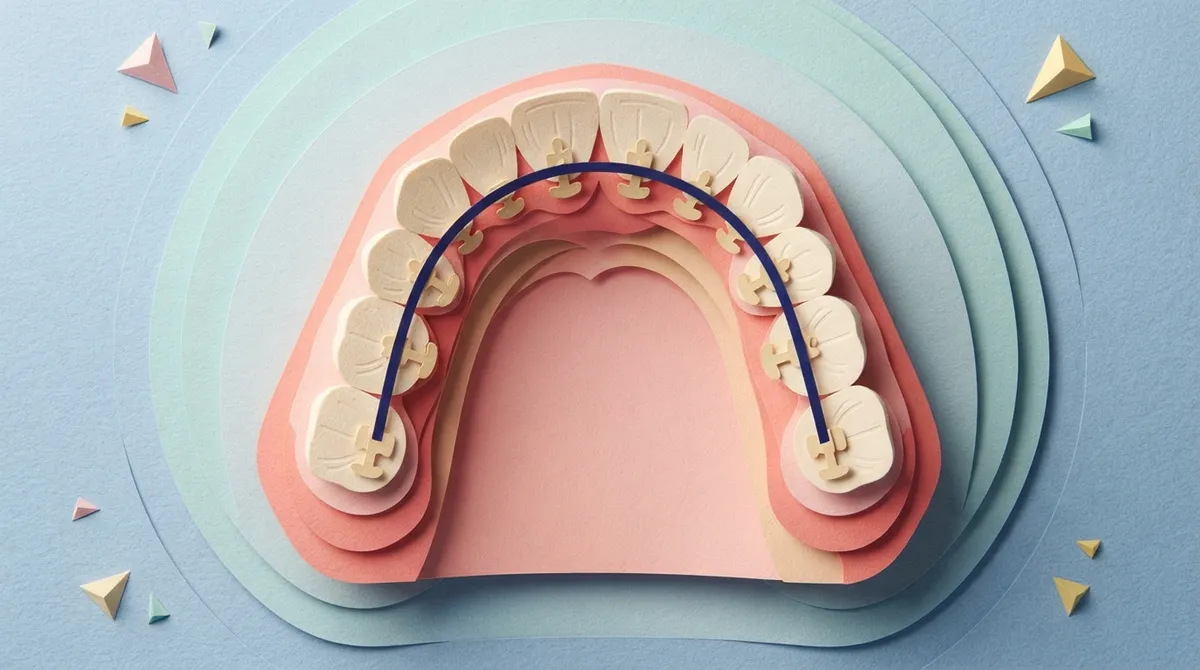
What Is a Bonded Retainer?
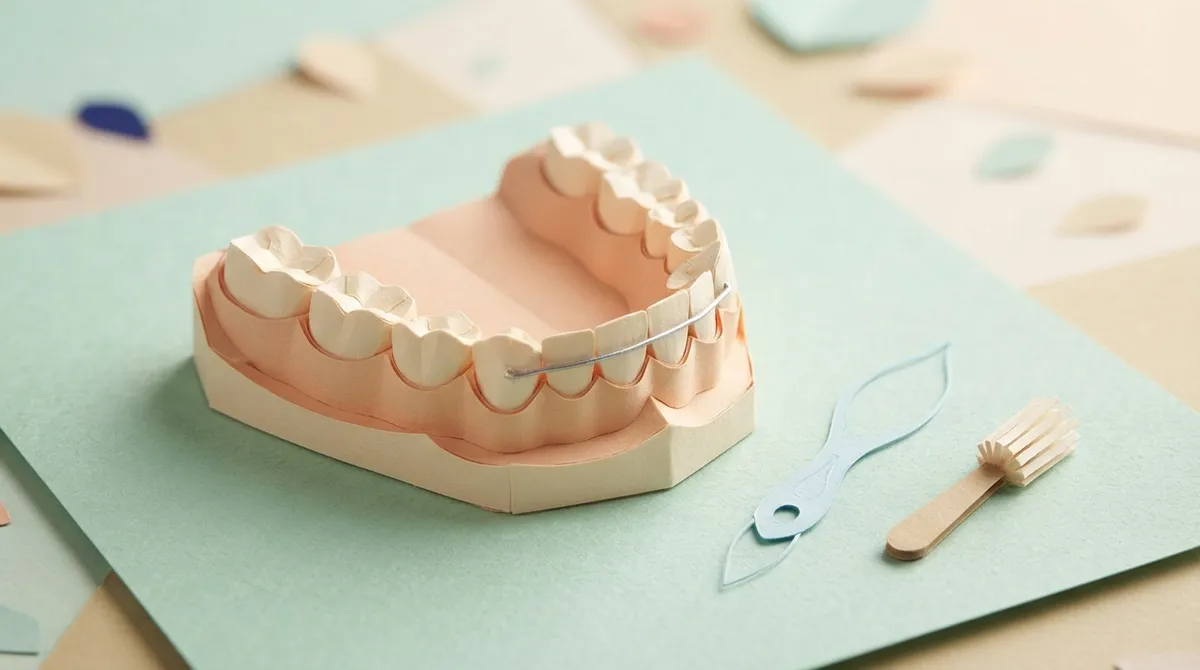
A bonded retainer is a thin wire attached to the tongue-facing side of your teeth. Your orthodontist uses dental bonding material to hold it in place. Many people also call it a fixed retainer, a lingual retainer, or a permanent retainer.
It is most often placed on the lower front teeth. Those teeth tend to shift the most after treatment, so they get a lot of attention. Some patients also have one on the upper front teeth, depending on their needs.
The wire is small and sits behind your teeth, so most people will not see it. You can smile, talk, and eat without anyone noticing. It simply stays there and quietly does its job.
Other Names You May Hear
- Fixed retainer
- Lingual retainer
- Permanent retainer
- Bonded wire retainer
These all describe the same basic idea. Your orthodontist may use one term or another, but the goal is the same: to hold your teeth steady after treatment.
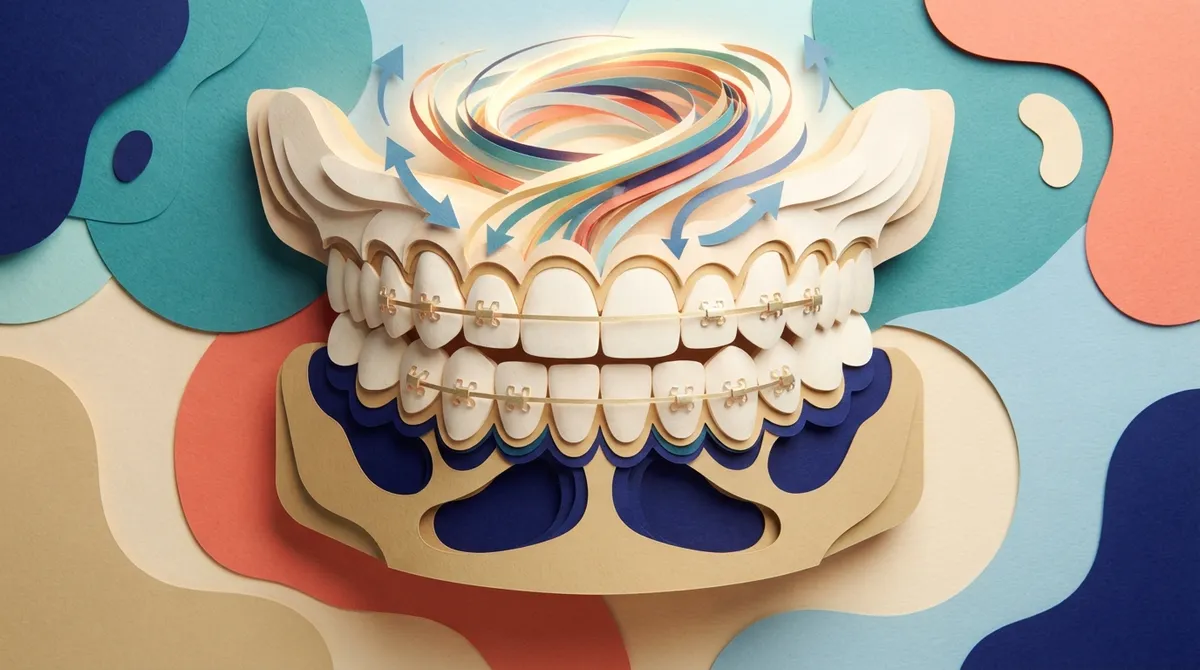
Why Do Teeth Need a Retainer at All?
Here is something that surprises many families. Teeth are not set in concrete. They sit in bone and gum tissue, and they can slowly move over time. After braces or aligners, your teeth want to drift back toward where they started.
A retainer gives the bone and gums time to settle around your new tooth positions. Without one, teeth can shift, crowd, or open up gaps again. This is often called relapse, and it is one of the most common reasons adults come back for a second round of care.
If you want to learn more about this, our guide on why bottom teeth shift most without a retainer explains the lower teeth in detail.
How Does a Bonded Retainer Work?
The idea is easy to picture. A thin wire runs along the back of your teeth. It is attached to the teeth with small dots of bonding material. Because the wire is fixed in place, those teeth cannot easily slide out of line.
Think of it like a tiny guardrail behind your smile. It does not push your teeth. It simply holds them where they are.
The Placement Process
Getting a bonded retainer is usually quick and painless. Here is what to expect:
- Your orthodontist cleans and dries the back surfaces of your teeth.
- The wire is shaped to fit your teeth closely.
- The teeth are prepared so the bonding material will stick well.
- The wire is placed and bonded to the teeth with a light-cured material.
- Your orthodontist checks your bite and smooths any rough spots.
Most patients feel pressure but no pain. Your tongue may feel the wire at first. Give it a few days, and your tongue will get used to it.
Bonded Retainer vs. Removable Retainer
Many patients ask which one is better. The honest answer is that it depends on your teeth, your habits, and your orthodontist’s advice. Each type has strengths.
| Feature | Bonded Retainer | Removable Retainer |
|---|---|---|
| Wear | Always in place | Taken in and out |
| Depends on you remembering? | No | Yes |
| Teeth it holds | Only the bonded teeth | Usually the whole arch |
| Cleaning | Harder, needs extra tools | Easier, rinse and brush |
| Can break or come loose | Yes, wire or bond | Can crack or get lost |
| Visibility | Hidden behind teeth | Clear or wire types vary |
A bonded retainer holds only the teeth it is attached to. Because of this, your orthodontist may suggest wearing a removable retainer too. That gives extra support for the other teeth and adds a backup.
Curious about the full comparison? Take a look at bonded vs. removable retainers for a closer side-by-side.
Who Is a Good Fit for a Bonded Retainer?
A bonded retainer can be a great choice for many people. It often makes sense if:
- You tend to forget or lose removable retainers.
- Your lower front teeth were very crowded before treatment.
- You had gaps that were closed and want to keep them closed.
- You want something hidden that does not need daily effort.
It may not be the best choice if you struggle with cleaning or have gum concerns. Your orthodontist will look at your teeth, your gums, and your daily routine before making a recommendation.
For Parents and Teens
Teens are busy. Between school, sports, and friends, a retainer case can end up forgotten in a gym bag. A bonded retainer takes that worry off the table. Parents often like knowing the retainer is always doing its job.
That said, teens need to be careful with brushing and flossing around the wire. A little coaching at home goes a long way. Our tips on helping kids build appliance care habits can make this easier.
For Adults and Relapse Patients
If you had braces years ago and your teeth have shifted, you are not alone. Many adults come back after a few years of skipping their removable retainer. If you finish a second round of treatment, a bonded retainer can help protect your investment. You can read more about orthodontic relapse warning signs to see if your teeth are moving.
The Design Matters: All Teeth or Just the Ends?
Not every bonded retainer is built the same way. In some designs, the wire is bonded to every tooth it crosses. In others, it is bonded only to the teeth at each end, with the wire floating across the middle.
A 2021 systematic review found that retainers bonded to all teeth were more effective at keeping teeth aligned than those bonded only at the ends. Still, the best design depends on the patient and the clinical situation. Your orthodontist will choose what fits your mouth best.
How Often Do Bonded Retainers Fail?
We believe in being open with you. A bonded retainer is helpful, but it is not maintenance-free. Studies show that these retainers can come loose or break, and the numbers vary quite a bit from study to study.
A 2023 systematic review and meta-analysis looked at 34 studies and 3,484 participants. After removing studies with a high risk of bias, it estimated an overall failure rate of 35.22%. The rate climbed with longer follow-up, as the table below shows.
| Follow-Up Period | Pooled Failure Estimate |
|---|---|
| Short-term | 24.18% |
| Medium-term | 40.09% |
| Long-term | 53.85% |
A separate 2021 review found failure rates ranging from 7.3% to 50% across studies. Many failures happened in the first 3 to 6 months. The wide range comes from differences in study methods, retainer designs, and how “failure” was defined.
These are group averages, not a prediction for you. Think of them as a reminder: a bonded retainer needs regular checks. It is not a “set it and forget it” device.
Common Problems to Watch For
Knowing the signs helps you act fast. Here are the issues to keep an eye on:
- A loose bond: One or more dots of glue let go, and the wire lifts away from a tooth.
- A broken wire: The wire snaps or frays.
- A bent wire: A distorted wire can cause unwanted tooth movement.
- Plaque buildup: Food and plaque collect around the wire and pads.
- Gum irritation: Poor cleaning can lead to red, puffy gums.
If anything feels off, call your orthodontist. Do not try to bend, trim, or remove the wire at home. A small problem can turn into a big one if teeth start moving unnoticed. Our article on what to do about a broken permanent retainer covers the next steps.
How to Clean a Bonded Retainer
Cleaning is the part most people find tricky. The wire creates a spot where plaque loves to hide. With a few simple habits, you can keep things fresh and healthy.
A Simple Daily Routine
- Brush all tooth surfaces, including the back where the wire sits, at least twice a day.
- Use a floss threader to slide floss under the wire and clean between each tooth.
- Try a small interdental brush to clean around the bonding pads.
- Rinse well to flush out loose food.
- Check the wire with your tongue and a mirror for rough or loose spots.
Always follow the exact instructions your orthodontist or dentist gives you. If you have braces experience, you may already know some of these tricks. Our guide to caring for a permanent retainer after braces goes into more detail.
Habits to Avoid
- Biting hard foods like ice or hard candy.
- Chewing on pens or fingernails.
- Pulling at the wire with your fingers or tongue.
- Skipping dental cleanings.
Regular cleanings matter even more with a bonded retainer. Hygienists can reach spots you cannot. They can also spot early trouble. See our tips in 14 retainer and dental cleaning tips for 2026.
Does a Bonded Retainer Last Forever?
Even though people call it a permanent retainer, it is not truly forever. The wire is permanent in the sense that you cannot take it out. But it may need repairs or a replacement over time.
Some patients keep the same wire for many years. Others need a fix after a few months. It depends on your bite, your habits, and how well you clean. Regular checkups let your orthodontist catch small issues before they grow.
If you want a longer look at the topic, our article on retainers for life explains why long-term retention matters.
What About Cost?
Cost varies from office to office. It can depend on whether the retainer is on the top, the bottom, or both. It may also depend on whether it is included in your treatment fee. Ask your orthodontist early, so there are no surprises later.
For budgeting help, read bonded retainer cost in 2026. You can also explore ways to plan ahead with our guide on how to budget for permanent retainer cost.
Pros and Cons at a Glance
| Pros | Cons |
|---|---|
| Works around the clock | Harder to clean |
| No daily wear to remember | Can loosen or break |
| Hidden behind the teeth | Holds only bonded teeth |
| Hard to lose | Needs ongoing professional checks |
Why Choose Brockway Orthodontics in Clearwater?
If you live in Clearwater, Florida, or nearby, you deserve care that feels personal. At Brockway Orthodontics, Dr. Brockway takes time to listen to your goals and explain your options in simple words. Families come to us for braces, ceramic braces, and Spark™ Clear Aligners, and we help each patient plan the right kind of retention afterward.
We use modern tools like digital impressions and 3D imaging. That means a more comfortable visit and a plan built around your smile. In some cases, we can even offer same-day treatments to fit your busy schedule. Curious what other families think? You can read feedback and visit us on Google — Brockway Orthodontics.
For general guidance on oral health, the American Dental Association is a trusted place to start. You can also connect with the Florida Association of Orthodontists to learn more about orthodontic care across the state.
Final Thoughts
So, what is a bonded retainer? It is a thin wire bonded to the back of your teeth that helps keep them steady after treatment. It works all day and night, hides from view, and does not rely on you remembering to wear it. It also needs careful cleaning and regular checkups to stay in good shape.
The best retainer plan is the one that fits your teeth and your life. Your orthodontist can help you decide whether a bonded retainer, a removable one, or a mix of both is right for you. Your smile took time and effort, so let us help you protect it.
Ready to talk about your retention plan? Book your free consultation online or contact us with any questions. We would love to meet you and help your smile stay strong for years to come.
FAQs
Q: What is a bonded retainer and how does it work?
A: A bonded retainer is a thin wire glued to the tongue side of your teeth, most often the lower front ones. Because it stays in place all day and night, it helps hold your teeth in their new positions without you having to remember to wear it.
Q: How long does a bonded retainer last?
A: There is no single answer, since it depends on your bite, habits, and cleaning routine. Some wires last for years, while others need a repair sooner, so regular checkups with your orthodontist are a smart way to keep it working well.
Q: What should I do if my bonded retainer comes loose or breaks?
A: Call your orthodontist or dentist right away, and please do not try to bend or remove the wire yourself. A loose or damaged wire can let your teeth move, so a quick visit helps protect your smile.
Q: How do you clean and floss around a bonded retainer?
A: Brush the front and back of your teeth carefully, then use a floss threader or a small interdental brush to clean under the wire and between each tooth. Follow the exact steps your orthodontist gives you, and keep up with regular dental cleanings.
Q: Is a bonded retainer better than a removable retainer?
A: Neither is better for everyone. A bonded retainer works without daily effort but holds only the teeth it touches, so many orthodontists pair it with a removable retainer for extra support.
Our Service Area