Key Takeaways
-
Teeth often feel unusually smooth or slippery after braces come off because your tongue has adapted to brackets and wires; this sensation typically fades within days as your mouth adjusts.
-
Mild sensitivity to cold, heat, or sweet foods is common; choose lukewarm foods, brush gently with a soft-bristled brush, and ask your orthodontist about sensitivity-friendly toothpaste.
-
Wearing your retainer exactly as prescribed is the most important step in protecting your results, since teeth can drift back toward old positions without consistent use.
-
A slightly snug retainer may reflect minor tooth movement, but never force it; if it hurts, will not seat fully, or no longer fits, contact your orthodontist.
-
Call your orthodontist promptly if a tooth feels very loose, pain or swelling persists or worsens, your bite changes noticeably, or your teeth appear to be shifting.
-
Keep brushing and flossing daily even if gums feel tender, and eat softer foods like pasta, soups, and yogurt during the first few days while biting feels sore.
The day your braces come off is a big one. You finally get to see your new smile, run your tongue across your teeth, and… wait. Why do they feel so strange? If that sounds familiar, you are not alone. Many people are surprised by what teeth may feel like after braces, even when they have been looking forward to this moment for months or years.
The good news is that most of these sensations are normal and tend to settle as your mouth adjusts. Still, it helps to know what to expect, what is routine, and what deserves a quick call to your orthodontist. Below, we walk through 12 common feelings, plus tips to stay comfortable and protect your results.
At Brockway Orthodontics, Dr. Brockway believes an informed patient is a confident patient. Think of this guide as a friendly heads-up from our team to yours. Individual experiences vary, so always follow your own orthodontist’s advice.
Quick Look: What to Expect After Braces Come Off
Before we dive in, here is a simple snapshot of the most common sensations and what usually helps.
| Sensation | How Common It Is | What Usually Helps |
|---|---|---|
| Teeth feel smooth or slippery | Very common | Give your tongue a few days to adjust |
| Mild tooth sensitivity | Common | Soft foods, gentle brushing |
| Tender gums | Common | Gentle cleaning, patience |
| Teeth feel slightly loose | Sometimes | Wear your retainer as directed |
| Bite feels different | Sometimes | Mention it at your follow-up |
| Retainer feels snug | Sometimes | Never force it; call your orthodontist |
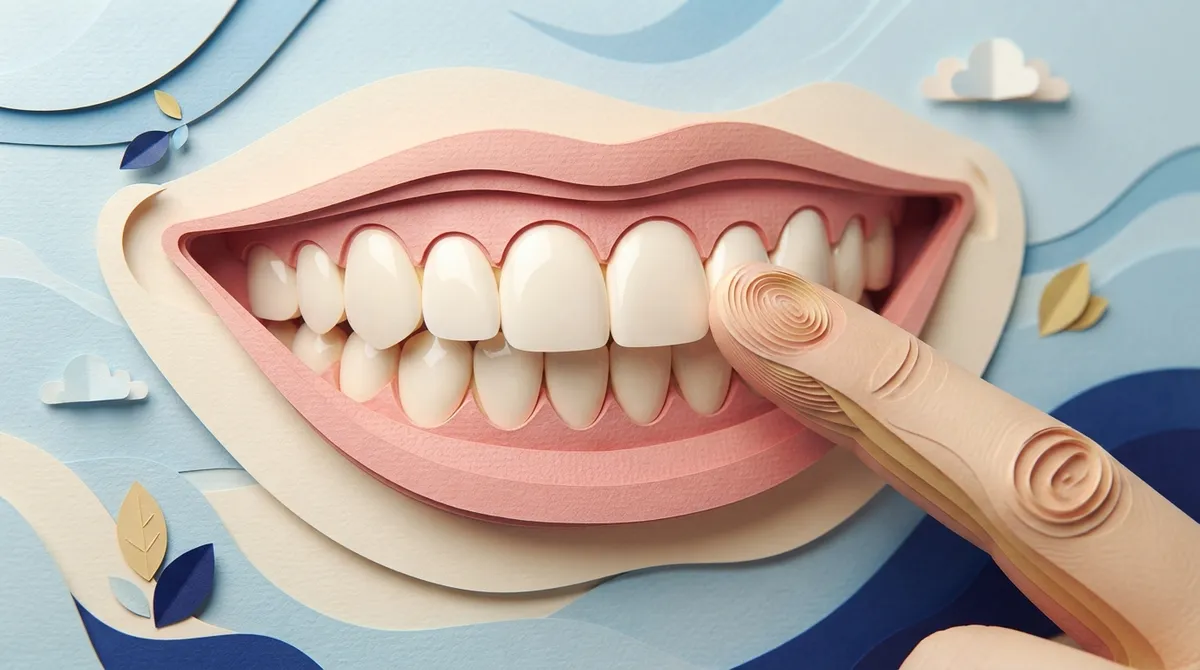
1. Your Teeth Feel Unusually Smooth
This is the number one surprise. For a long time, your tongue has been bumping into brackets, wires, and bands. Once they are gone, your teeth can feel slippery, flat, or almost too smooth.
That is because the surface your tongue has learned to expect is no longer there. This unfamiliar feeling generally fades as your mouth adjusts. Many patients say they cannot stop touching their teeth for the first few days, and that is perfectly fine.
2. Your Teeth Feel “Different” Overall
Even if nothing hurts, your teeth may simply feel new. Your tongue, lips, and cheeks have spent months or years working around hardware. Now they have more room to move.
You might notice that your lips rest differently or that your tongue wanders to new spots. This is your mouth getting used to its new normal, and it is a good sign that your treatment did its job.
3. Mild Tooth Sensitivity
Some patients notice a little sensitivity to cold, heat, or sweet foods. Cleaning off leftover bonding adhesive and the natural adjustment of your teeth can both play a role.
The American Association of Orthodontists describes mild sensitivity after braces removal as common, though there is no single timeline that fits everyone. If it is mild and temporary, a few simple habits can help:
- Choose lukewarm foods and drinks for the first few days
- Brush gently with a soft-bristled toothbrush
- Ask your orthodontist about a sensitivity-friendly toothpaste
- Skip very icy or very hot items until things calm down
4. Tenderness When You Bite
Your teeth have been gently moved for a long time, and the tissues around them are still settling. Because of this, biting into firm foods can feel tender for a short while.
If this sounds like you, the first few days may be more comfortable with softer foods. This is similar to the soreness many people feel after adjustments. If you want to understand why that soreness happens, our guide on why teeth feel sore after braces are tightened explains it nicely.
5. Tender or Sensitive Gums
Gums can feel a little puffy, tender, or sensitive right after braces come off. They have been working around brackets and wires, and now they are adjusting to a cleaner, more open landscape.
Gentle, thorough cleaning is your best friend here. Keep brushing and flossing every day, even if your gums feel a bit sensitive. Healthy habits help your gums settle faster. For a refresher, check out our tips on how to brush teeth with braces and keep your smile healthy, since the same gentle approach applies after treatment too.
6. Teeth That Feel Slightly Loose
This one worries people, but it can be part of the process. Some patients perceive their teeth as a little loose while the tissues and bone around them adapt to their new positions.
A slight, temporary sense of looseness is not unusual. However, a markedly loose tooth is a different story. If a tooth feels very loose, or the looseness is getting worse, call your orthodontist so they can take a look.
7. A Bite That Feels a Little Different
After braces, your teeth meet in new positions. Some people feel like their bite is “off” for a short time, even when the final result is exactly what was planned.
Your jaw muscles and teeth need a little time to learn the new fit. Mention any bite changes at your follow-up visit so your orthodontist can check things out. If you want to know more about why this happens, read about reasons your bite changes during orthodontic treatment.
8. Residual Rough Spots or Texture
After brackets are removed, your orthodontist polishes away leftover bonding material. Most of the time, your teeth feel smooth afterward. Occasionally, you may notice a spot that feels slightly different.
If you feel anything rough that does not go away, let your orthodontist know. They can check it quickly and smooth it if needed. Do not try to scrape it off yourself.
9. Relief and Comfort (Yes, Really)
Not every sensation is odd. Many patients describe a wonderful feeling of freedom. No more food getting trapped, no more poking wires, and no more wax.
Brushing and flossing also become much easier. You may notice your teeth feel cleaner after a regular brushing than they did for months. Enjoy that win!
10. Your Retainer Feels Snug at First
Retainers are a key part of post-treatment care because teeth can shift after braces. When you first wear yours, it may feel tight or a bit strange, especially if it is a new appliance.
A mildly snug fit can reflect slight tooth movement. But a retainer that causes pain, will not seat fully, or no longer fits should never be forced. Our post on why you should not force an ill-fitting retainer explains the risks. Call your orthodontist for advice instead.
Why Retainers Matter So Much
Without consistent retainer wear, teeth can drift back toward old positions. A 2024 systematic review of patient perceptions of retainers noted that evidence is limited, but also pointed to an association between part-time retainer use and a higher risk of relapse. That does not give a single relapse rate for everyone, but it does show why following your schedule matters.
Wear instructions vary by patient and appliance, so follow the plan your orthodontist gives you. To keep your appliance in great shape, see how to care for your dental retainer the right way.
Fixed Retainers Can Feel Different, Too
If you have a thin wire bonded behind your teeth, you may notice it with your tongue at first. Research on one specific type of fixed retainer, a mandibular multistranded stainless-steel design, reported a 40% failure rate after two years in a systematic review. The review notes that results vary and should not be applied to all retainer types or patients.
The takeaway is simple. If a fixed retainer feels loose, sharp, or different, call your orthodontist. You can learn more in our guide to fixed vs. removable retainers.
11. Teeth May Feel Like They Are Shifting
Sometimes patients feel like their teeth are moving in the weeks or months after braces. A tiny bit of settling can be part of the normal process, which is exactly why retainers matter.
But if your teeth appear to be shifting noticeably, or your retainer no longer fits, do not wait. Early attention can make a fix much easier. If you are curious about the warning signs, our article on orthodontic relapse warning signs is a helpful read.
12. Sensations That Are NOT Normal
Most after-braces feelings are mild and short-lived. Still, some symptoms deserve a call. Do not assume severe or worsening symptoms are a normal part of braces removal.
Contact your orthodontist if you notice any of the following:
- A tooth that feels very loose
- Pain or swelling that persists or gets worse
- A bite that changes noticeably
- Teeth that appear to be shifting
- A retainer that is lost, damaged, or does not fit
Calling is never an overreaction. Your care team would much rather hear from you early than have a small issue grow into a big one.
How to Feel More Comfortable After Braces
You do not have to simply wait it out. A few small habits can make the adjustment period smoother.
Eat Gently at First
If biting feels tender, stick with softer foods for the first few days. Think scrambled eggs, pasta, soups, yogurt, and mashed potatoes. As the tenderness fades, you can bring back your favorites. If you are looking for ideas, our list of soft foods for the first week of braces works well for this stage too.
Keep Up Your Daily Routine
Brush twice a day and floss daily. Clean teeth and healthy gums make everything feel better. Follow your orthodontist’s guidance on oral hygiene and any sensitivity care.
Wear Your Retainer as Prescribed
This is the single most important thing you can do to protect your smile. Put it in when you are supposed to, store it safely, and bring it to your appointments. Lost or damaged? Our guide on what to do when you lose your retainer walks you through the next steps.
Plan Ahead for Removal Day
Knowing what is coming makes the day less stressful. Our tips for preparing for braces removal day cover what to bring and what to expect in the chair.
Tips for Different Patient Groups
Everyone’s journey looks a little different, so here are a few notes for specific groups.
- Parents of kids and teens: Help your child stick to their retainer schedule. Kids and teens often forget, and a simple routine, like putting the retainer in right after brushing, builds the habit.
- Teens and young adults: Retainers are the secret to keeping that graduation-ready smile. Keep a case in your bag so your retainer never ends up in a lunch tray.
- Busy adult professionals: Tie retainer wear to something you already do every day, such as your evening routine, so it does not get lost in a hectic schedule.
- Previous braces patients: If your teeth have shifted over time, an evaluation can help. Many adults successfully retreat their smiles, and an early look keeps options open.
- Health-conscious patients: Pay extra attention to gum health and keep up regular dental cleanings after treatment.
Why Dr. Brockway Cares About Your Aftercare
Getting your braces off is not the finish line. It is the start of a new chapter where you protect the results you worked hard for. Dr. Brockway takes time to listen, explain, and make sure you feel comfortable at every step, including after your braces are removed.
Our Clearwater team offers braces, ceramic braces, and Spark™ Clear Aligners for patients of all ages, and we help every patient plan for life after treatment. If you ever want to see what other families are saying, you can see what our Brockway Orthodontics patients say on Google.
For general oral health guidance, the American Dental Association is a trusted resource, and you can find professional information through the Florida Association of Orthodontists. For patient education on life after treatment, the American Association of Orthodontists also offers helpful guidance on retainers and life after braces.
Conclusion: Your New Smile Is Worth Protecting
So, what do teeth feel like after braces? Usually smooth, a little unfamiliar, and sometimes mildly sensitive. Most of these sensations settle as your mouth adjusts, and the rest are easy to manage with simple habits and your retainer.
If anything feels severe, worsening, or just plain wrong, trust your instincts and reach out. Your orthodontist is there to help, not to judge. Questions about life after braces, or thinking about starting treatment? We would love to meet you. Book your appointment online or contact us and let Dr. Brockway and the team help you keep that smile shining.
FAQs
Q: Do teeth feel sensitive after braces are removed?
A: They can, and that is usually nothing to worry about. Mild, temporary sensitivity to cold, heat, or sweet foods is common as your teeth and gums adjust. If the sensitivity is severe or does not improve, give your orthodontist a call.
Q: Is it normal for teeth to feel loose after braces come off?
A: A slight, temporary sense of looseness can happen while the tissues and bone around your teeth adapt to their new positions. However, a tooth that feels very loose, or looseness that keeps getting worse, should be checked by your orthodontist right away.
Q: Why do my teeth feel smooth or strange after braces?
A: Your tongue got used to brackets and wires, so without them your teeth can feel unusually smooth or slippery. This unfamiliar feeling generally settles within a short time as your mouth adjusts to its new normal.
Q: What should I do if my retainer feels tight or does not fit?
A: A mildly snug retainer may reflect slight tooth movement, but never force it into place. If it hurts, will not seat fully, or no longer fits, contact your orthodontist for advice before wearing it again.
Q: When should I call my orthodontist after braces removal?
A: Reach out if a tooth feels very loose, pain or swelling persists or worsens, your bite changes noticeably, your teeth seem to be shifting, or your retainer is lost, damaged, or does not fit. It is always better to call early than to wait.
Our Service Area