Key Takeaways
-
An underbite can stem from tooth position, jaw size, jaw growth, or a combination, so a careful exam is needed to identify the cause before choosing any treatment.
-
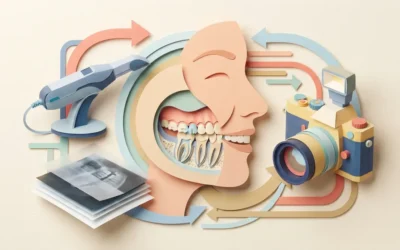
The orthodontist may use photos, digital scans, and X-rays to determine whether the underbite is mainly dental or skeletal and whether the patient still has growth left.
-
The AAO recommends an initial orthodontic check by age 7, an evaluation visit rather than a sign that treatment is needed, with early correction considered for some anterior crossbites.
-
Braces or clear aligners may help tooth-position problems, while skeletal underbites may require growth-guidance appliances in children or orthodontics combined with jaw surgery in severe adult cases.
-
Adults can be evaluated and treated for underbites, though a significant jaw discrepancy may call for a combined orthodontic and surgical plan.
-
When choosing a Clearwater orthodontist, confirm the office is local, check for specialist credentials, and ask upfront about records, treatment length, and costs to avoid surprises.
Ever notice that your lower front teeth sit in front of your upper ones? Or maybe you spotted it in your child’s smile and wondered what it means. You are not alone, and you are in the right place. Finding a Clearwater orthodontist for underbite evaluation is the first step toward clear answers.
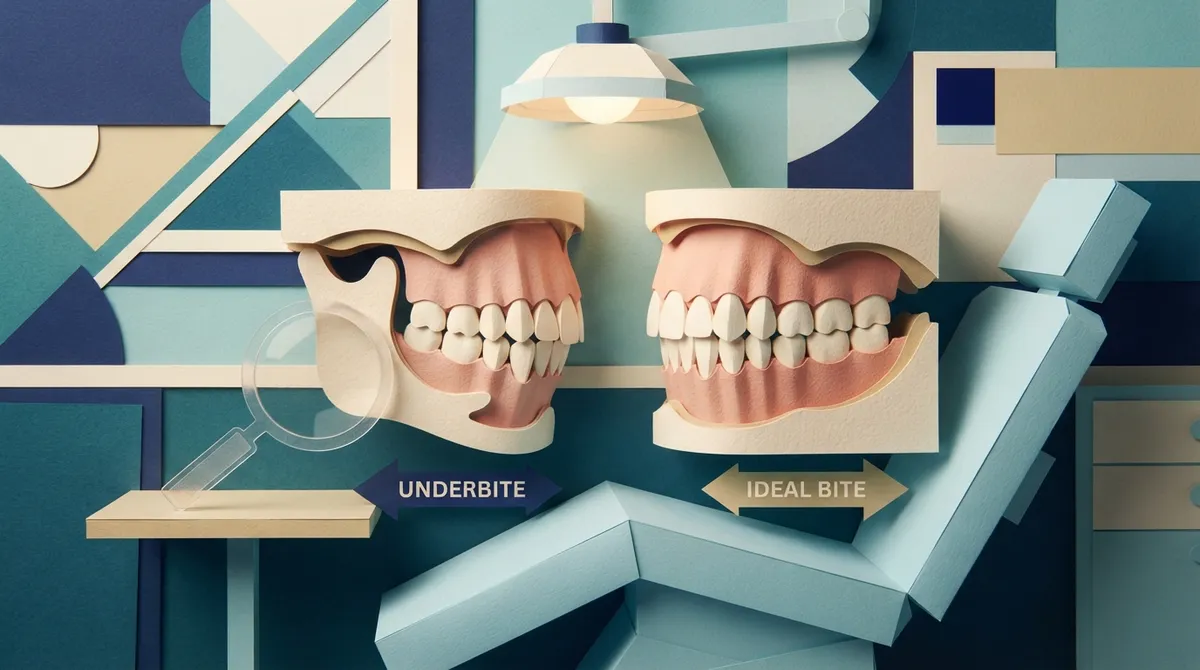
An underbite is a bite pattern where the lower front teeth sit ahead of the upper front teeth. It can come from tooth position, jaw size, jaw growth, or a mix of all three. The good news? A careful exam can sort out which one is at play, and that guides every choice after it.
In this friendly guide, we walk through six steps of a typical evaluation. You will learn what an orthodontist looks for, what records may be taken, and which questions are worth asking. Whether you are a parent, a teen, or an adult thinking about a change, this guide is for you. Let’s get started!
Step 1: Understand What an Underbite Really Is
Before the exam, it helps to know the basics. An underbite is a type of malocclusion, which is just a fancy word for a bite that does not fit together the way it should. In an underbite, the lower front teeth overlap the upper front teeth when you close your mouth.
Some underbites are mild and only involve a few teeth. Others involve the whole jaw relationship. That difference matters a lot, and it is why a one-size-fits-all answer does not exist. If you want a deeper primer, our post 9 Things to Know About What an Underbite Is (2026) covers the basics in a simple way.
Dental vs. Skeletal Underbites
Orthodontists often think of underbites in two broad groups. Knowing the difference helps you follow the conversation at your visit.
- Dental underbite: The teeth are tipped or positioned in a way that creates the underbite, while the jaws are in a fairly normal relationship.
- Skeletal underbite: The lower jaw is larger, the upper jaw is smaller, or both. The bite problem comes from the bones, not just the teeth.
- Combination: Many people have a mix of tooth and jaw factors, which is why records matter so much.
How Common Is It?
Underbites are not very common, but they are far from rare. A 2019 systematic review pooling 53 studies reported a global Class III malocclusion distribution of 5.93% in permanent teeth. A 2022 review of children and teens reported a mean prevalence of 6.5%, with wide variation between studies. Those numbers are population-level estimates, not Clearwater-specific rates, but they show that many families face this question.

Step 2: Share the Medical and Dental History
Your visit starts with a friendly chat. The orthodontist asks about your health, your dental history, and what bothers you most. This is your moment to speak up about anything that worries you.
Good things to mention include:
- Trouble biting into foods or chewing comfortably
- Jaw soreness, clicking, or fatigue
- Speech concerns
- Family members who have had underbites
- Past orthodontic treatment, injuries, or dental work
- Habits like thumb sucking or mouth breathing
Dental history truly shapes the plan. If you want to know why, take a peek at Why Do Orthodontists Review Your Dental History? It explains how past care informs present choices.
Parents, bring a short list of questions for your child’s visit. Kids sometimes forget what they wanted to ask once they sit in the chair! A quick note on your phone works wonders.
Step 3: Get a Careful Bite and Jaw Exam
Next comes the hands-on part. The orthodontist looks at how your teeth meet, how your jaws line up, and how your face and profile balance. This is not scary at all. It is mostly looking, gentle checking, and asking you to bite down a few times.
Here is what the exam often includes:
- Bite check: How the upper and lower teeth meet from the front and the sides.
- Jaw movement: Whether your jaw glides smoothly or shifts when you close.
- Facial profile: How the upper and lower jaws relate to each other when viewed from the side.
- Tooth position: Whether any teeth are tipped, rotated, or out of line.
- Growth stage: For kids and teens, how much growing may be left.
Want a closer look at how this works in practice? Our article What Happens During a Bite Evaluation in Clearwater? walks through it step by step.
Step 4: Take the Right Diagnostic Records
To see the whole picture, an orthodontist may collect records. Which ones you need depends on your case, and nobody should take more than necessary. These records help show whether the problem is mostly dental or skeletal, and whether growth remains.
| Record | What It Shows | Why It Helps |
|---|---|---|
| Photos | Face, smile, and teeth from several angles | Tracks your profile and smile before treatment |
| Digital scans or models | The exact shape and fit of your teeth | Helps plan tooth movement and appliance design |
| X-rays | Tooth roots, jaw bones, and unerupted teeth | Helps tell dental from skeletal causes |
At Brockway Orthodontics, the practice uses modern tools like digital impressions instead of messy molds, plus 3D imaging to plan treatment precisely. Curious about what a scan involves? Check out 10 Facts About Medit Intraoral Scanning for Ortho (2026). You can also learn what imaging can reveal in What Orthodontic X-Rays Can Help Evaluate in 2026.
Step 5: Talk Through Treatment Options
Once the orthodontist has the full picture, it is time to talk options. The right choice depends on the cause, how severe the underbite is, your age, and your growth stage. No single approach fits every underbite, and a good orthodontist will say so.
Options That May Be Considered
- Braces: Metal or ceramic (clear) braces may help selected tooth-position problems. They give precise control over tooth movement.
- Clear aligners: For some milder tooth-based cases, aligners may be a fit. Brockway Orthodontics offers Spark™ Clear Aligners, a more affordable alternative to Invisalign.
- Growth-guidance appliances: For some growing children, certain appliances may help guide how the jaws develop.
- Orthodontics plus jaw surgery: For some adults and severe skeletal cases, braces are coordinated with jaw surgery to correct the jaw relationship.
Not sure which path fits? Our guide How to Fix an Underbite: Your Guide to Correction Options goes deeper. And if you are weighing hardware choices, see Braces vs. Clear Aligners: Which Clearwater Choice Wins?
Timing Matters for Kids
Here is where age comes in. The American Association of Orthodontists recommends an initial orthodontic check by age 7. That is an evaluation recommendation, not a claim that every child needs treatment at that age. The AAO also notes that an anterior crossbite, where the upper front teeth sit behind the lower front teeth, may be considered for early correction in some children.
In plain terms, early checks give the orthodontist a chance to watch growth and step in at a helpful time if needed. Parents can learn more in Age 7 vs. Waiting: When Should a Child See an Orthodontist? It is also worth reading How to Understand Why Early Evaluation Isn’t Treatment so a first visit feels low-pressure.
What About Adults?
Yes, adults can absolutely be evaluated and treated! Whether braces or aligners alone can address an adult underbite depends on the jaw relationship and your goals. A significant skeletal difference may call for a combined orthodontic and surgical plan. Many adults are surprised by how many choices they have. You can read more in Is Orthodontics for Adults in Clearwater Right for You?
Step 6: Ask Smart Questions and Plan Next Steps
The last step is making a plan you feel good about. A great consult leaves you informed, not rushed. Dr. Brockway is known for listening to your concerns and goals and explaining things in a friendly, easy-to-follow way.
Here are questions worth bringing along:
- Is my underbite mainly dental, skeletal, or both?
- Is there growth left, and does that change the timing?
- Which options fit my diagnosis, and why?
- About how long might treatment take?
- What records are included in the first visit?
- How are fees, insurance, and payment plans handled?
- How often are follow-up visits, and what happens after braces come off?
For a ready-made checklist, try 13 Questions to Ask at an Orthodontic Consultation (2026). Cost questions? How Treatment Complexity Affects Orthodontic Fees in 2026 explains why a more involved bite problem can change the price. And if you want to avoid common slip-ups, read 13 Underbite Treatment Mistakes to Avoid in 2026.
How to Choose a Clearwater Orthodontist for Underbite Evaluation
Searching for a Clearwater orthodontist for underbite evaluation can feel like a lot. Reviews, websites, and ads all compete for your attention. Here is a simple way to cut through the noise.
- Confirm they serve Clearwater. Make sure the office is local to you, so follow-up visits are easy.
- Ask who they treat. Do they see growing kids, teens, and adults?
- Check credentials. Look for a specialist orthodontist. Our post 8 Orthodontist Credentials to Check Before You Book can help.
- Look for clear communication. You should leave understanding the plan.
- Ask about records and costs up front. No surprises is the goal.
You can also verify local resources through the Florida Association of Orthodontists and learn general oral health basics from the American Dental Association. For deeper reading on how bite problems develop, the research summary Developing Class III malocclusions: challenges and solutions is a solid, science-based resource.
Looking for a practice that treats the whole family? Brockway Orthodontics welcomes everyone, from teens getting first braces to adults who want a discreet smile change. In some cases, same-day treatments are even possible so you can start without juggling multiple visits. Learn more about the practice in Who Is the Brockway Orthodontist in Clearwater, FL?
Why Local, Personal Care Makes a Difference
An underbite is rarely a quick fix. Treatment often means regular visits over many months, so a friendly, nearby team matters. Dr. Brockway has a real passion for the Clearwater community and loves building lasting relationships with families.
That personal touch shows up in small ways. You get time to ask questions. You get plain-English answers. You get a plan that fits your life, not just your chart. If you want to see what other families say, you can read feedback and see what our Brockway Orthodontics patients say on Google.
Hoping to stay connected between visits? Follow along with the team on Facebook for updates and smile stories.
Your Next Move
An underbite evaluation does not have to feel stressful. It is a friendly conversation, a careful exam, and a chance to learn what is really going on with your bite. With the right records and the right questions, you can make a confident choice for yourself or your child.
The best next step is an in-person visit with an orthodontist who serves the Clearwater area. If you are ready, book an appointment online with Brockway Orthodontics and take the first step toward a bite that feels and looks great. Prefer to talk first? Feel free to contact our friendly team and ask anything at all. We would love to meet you!
FAQs
Q: What is an underbite, and how can I tell if I have one?
A: An underbite is when your lower front teeth sit in front of your upper front teeth when you bite down. A quick look in the mirror can give you a hint, but only an orthodontist can tell whether it comes from tooth position, jaw size, or both. A friendly exam will sort it out!
Q: What happens during an underbite evaluation in Clearwater?
A: The orthodontist reviews your health and dental history, checks your bite and jaw relationship, and may take photos, digital scans, or X-rays. Those records show whether the cause is mostly dental or skeletal and whether growth remains. Then you talk through options together.
Q: At what age should a child be evaluated for an underbite?
A: The American Association of Orthodontists recommends an initial orthodontic check by age 7. That is just a look-and-learn visit, not a promise that treatment is needed. Early checks simply give your orthodontist a chance to watch growth and speak up if timing matters.
Q: Can braces or clear aligners correct an underbite?
A: For some tooth-position problems, braces or clear aligners may help. If the cause is mainly in the jaw bones, other approaches may be needed, and a few severe cases involve coordinated jaw surgery. A consultation is the only way to know which path fits you.
Q: Can adults get treatment for an underbite?
A: Absolutely, adults can be evaluated and treated! Whether orthodontics alone can do the job depends on the jaw relationship and your goals. Larger skeletal differences may call for a combined orthodontic and surgical plan, which your orthodontist can explain.
Our Service Area