Key Takeaways
-
Published U.S. guides typically place a full course of ceramic braces at about $4,000 to $8,000, but only an exam and a written, itemized estimate can reveal your actual price.
-
Case complexity is the biggest cost driver: mild alignment issues cost less than heavy crowding, rotated teeth, or bite problems that need extra appliances and monitoring.
-
Ceramic brackets usually cost more than metal because tooth-colored materials are pricier, though the price gap varies by practice, so ask your orthodontist to compare both options.
-
Confirm whether your quote covers the full treatment length, retainers, repairs, and extras like expanders, extractions, or diagnostic records before comparing offers.
-
Insurance rarely covers the whole bill; check age limits, deductibles, waiting periods, and lifetime maximums, and get written estimates from both your orthodontist and insurer.
-
Ask for payment options such as a down payment with monthly installments or HSA/FSA funds, and read the terms closely for interest, fees, and costs if treatment runs longer.
Thinking about ceramic braces? You are in good company. Many teens, parents, and busy adults love the idea of a straighter smile with brackets that blend in. But then the big question pops up: what will it actually cost?
Here is the honest answer. Published price guides in the United States often place a full course of ceramic braces at about $4,000 to $8,000, and some estimates run higher. That is a wide range, and it is not a personal quote. Your final fee depends on your smile, your plan, and your orthodontist.
In this friendly guide, we walk through the seven ceramic braces cost factors that matter most in 2026. You will learn what moves the price up or down, what to ask about, and how to compare quotes with confidence. Think of it as a chat with a friend who happens to know a lot about braces. Let’s dive in.

Quick Look: Typical Ceramic Braces Price Ranges
Before we get into the details, here is a snapshot of what published guides say. Remember, these are broad estimates, not promises about your own treatment.
| Source Type | Reported Range or Average | What It Means for You |
|---|---|---|
| Common U.S. consumer and provider guides | About $4,000 to $8,000 | A general starting point for budgeting |
| Some higher-end estimates | Up to $8,500 or more | Complex cases may land here |
| 2026 financing guide average | $5,834 (range $4,480 to $11,312) | Source-specific, not a national price |
| 2026 insurance guide | $4,000 to $8,000 | Matches the common range above |
Notice how the numbers differ from source to source. That is normal. The only way to know your price is an exam and a written, itemized estimate.
1. The Complexity of Your Case
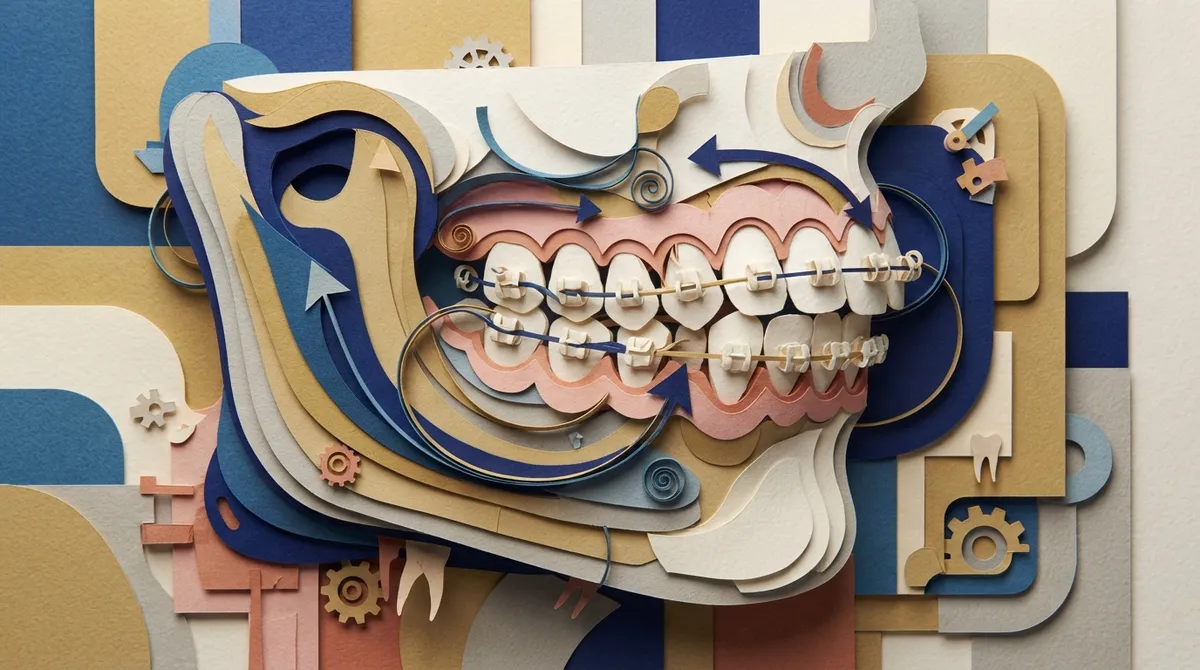
This is the biggest cost driver. Not every smile needs the same amount of work.
A mild case might involve a few slightly crooked front teeth. A more complex case could include heavy crowding, rotated teeth, or a bite that does not line up. Those cases often need more planning, more appliances, and more visits.
Here is how complexity can shape your fee:
- Mild alignment concerns: Often need less planning and fewer adjustments.
- Moderate crowding or gaps: Usually fall in the middle of the pricing range.
- Bite problems or severe crowding: May need extra tools and more careful monitoring.
Want to go deeper? Our guide on how treatment complexity affects orthodontic fees in 2026 explains this in plain language.
2. How Long Your Treatment Lasts
Time matters when it comes to cost. Longer treatment often means more appointments, more adjustments, and more care from the team.
Some practices include every visit in one total fee. Others charge in a different way. That is why you should always ask whether your quote covers the full planned course of treatment.
Treatment time depends on things like:
- How far your teeth need to move.
- How your teeth and jaw respond to treatment.
- How well you follow care instructions, like wearing elastics and keeping appointments.
- Whether any surprises pop up along the way, like a broken bracket.
Curious about timelines? Check out how treatment length affects orthodontic costs in 2026 for a closer look.
3. The Ceramic Materials Themselves
Why do ceramic braces often cost more than traditional metal braces? It comes down to the brackets.
Ceramic brackets are made from tooth-colored or clear materials. These materials usually cost more than the stainless steel used in metal braces. They can also need more careful handling during treatment.
The price gap varies from one practice to the next. Some offices charge only a little more for ceramic. Others charge a larger difference. Your orthodontist can tell you exactly how the two options compare for your case.
If you are weighing your choices, our comparison of metal vs ceramic braces can help you decide which style fits your smile and budget.
4. Where You Live and Where You Go
Location plays a quiet but real role in pricing. The cost of living in your area affects what it costs a practice to run its doors. Staffing, rent, equipment, and technology all add up.
Two practices can offer very similar treatment and still charge different fees. The pricing model matters too. Some offices bundle everything together. Others itemize each part.
That is why it helps to compare quotes from local offices. Our article on braces cost in Clearwater gives local families a helpful starting point.
5. Extra Appliances and Services
Sometimes your plan needs more than brackets and wires. Extra pieces can change the total.
Here are some add-ons that may affect your price:
- Diagnostic records: X-rays, photos, and digital scans that help plan your care.
- Expanders: Used to create room when a jaw is narrow. Learn more in our palatal expander guide.
- Extractions: Sometimes needed when space is very tight.
- Repairs: Broken brackets or poking wires may add visits.
- Retainers: Needed after braces to keep your results.
The key question to ask is simple: which of these are already included in my quote? Retainers especially are worth confirming. Our guide on how to budget for retainer price after braces can help you plan ahead.
6. Your Insurance Benefits
Insurance can lower what you pay out of pocket, but it rarely covers the whole bill. Orthodontic coverage depends on your specific plan.
One 2026 insurance guide notes that where orthodontic benefits apply, coverage is commonly described as 25% to 50%, often with limits. The same guide mentions that plan maximums are often around $1,500. Your plan may be different, so always check your own policy.
Things that can affect your benefits include:
- Age limits, since some plans only cover children or teens.
- Deductibles you must meet first.
- Waiting periods before orthodontic benefits begin.
- A lifetime maximum, which caps what the plan pays.
Do not assume a coverage percentage applies to your entire fee. Ask both your orthodontist and your insurer for a written estimate. Our walkthrough on how to use dental insurance to help pay for braces makes the process easier.
7. Payment Plans and Financing Choices
The way you pay does not always change the total price, but it changes how comfortable the cost feels. A strong payment plan can turn a big number into manageable monthly pieces.
Many families use a mix of tools, such as:
- A down payment followed by monthly installments.
- Third-party financing options.
- HSA or FSA funds, if your plan allows them.
Always read the terms closely. Ask about interest, fees, and what happens if your treatment runs longer than planned. For ideas, see 7 braces monthly payment plans near me for 2026 and our guide on whether financing can make braces affordable.
How Ceramic Braces Compare to Other Options
It helps to see ceramic braces in context. This table shows the general trade-offs. Exact prices vary by practice and case.
| Option | Look | General Cost Position | Best For |
|---|---|---|---|
| Metal braces | Visible silver brackets | Often the lower price point | Budget-minded patients and complex cases |
| Ceramic braces | Clear or tooth-colored brackets | Often higher than metal | Those who want a more discreet look |
| Clear aligners | Removable clear trays | Varies widely by practice | Mild to moderate cases and flexible lifestyles |
Not sure which path fits you? Read clear aligners vs braces cost for a helpful side-by-side view.
Who Should Think Hardest About These Costs?
Every patient group sees cost a little differently. Here is how it often plays out.
- Parents of kids and teens: Age limits on insurance and the timing of treatment matter most. Starting at the right age can help avoid longer, costlier care later.
- Teens and young adults: Ceramic braces can feel like a nice middle ground. They look subtle for graduations, photos, and big life moments.
- Adult professionals: A discreet look matters at work. Appointment schedules and total treatment time also play into the decision.
- Relapse patients: If your teeth shifted after earlier treatment, you may need a fresh plan. Retention costs deserve extra attention this time.
- Health-conscious patients: If you have gum concerns or complex dental needs, your plan may need extra care. That can shape both timing and price.
Adults weighing ceramic braces may enjoy 14 things adults should know before choosing ceramic braces. And if you want to keep your clear brackets looking fresh, our guide on whether ceramic brackets stain is worth a read.
How to Compare Ceramic Braces Quotes
Comparing quotes can feel tricky when each office writes things differently. Here is a simple way to make it fair.
- Ask for a written, itemized estimate. You want to see what is included, not just a single number.
- Confirm the treatment length. Ask how long the quote covers.
- Check for retainers. Find out whether they are part of the fee.
- Ask about repairs and missed visits. Learn what is covered and what costs extra.
- Request the payment options. Compare down payments, monthly amounts, and any fees.
Our article on why a written orthodontic fee breakdown matters shows exactly what to look for. You can also read 12 questions to ask when comparing orthodontic quotes before your consultation.
Why Start With a Consultation?
Price guides are helpful, but they cannot see your teeth. Only an exam can show what your smile needs and what that will cost. A good first visit gives you answers, a plan, and a clear estimate.
At Brockway Orthodontics, Dr. Brockway takes time to listen to your goals and explain your choices in simple terms. We offer metal braces, ceramic braces, and Spark™ Clear Aligners, so you can compare real options in one place. Our team also uses digital impressions and 3D imaging to plan with care. You can even visit us on Google — Brockway Orthodontics to see what local families say about their experience.
Want to feel prepared? Take a look at how to prepare for your orthodontist consultation and our overview of a free vs paid braces consultation. For extra background on choosing safe, qualified care, the American Dental Association offers trusted oral health resources, and the Florida Association of Orthodontists shares helpful information about orthodontic care in our state.
Final Thoughts
Ceramic braces cost depends on seven big things: case complexity, treatment length, materials, location, extra services, insurance, and payment choices. The common U.S. range of about $4,000 to $8,000 is a helpful guide, but your real number comes from a personal exam and a written estimate.
The good news? You do not have to figure it out alone. A friendly conversation can clear up the numbers fast and help you see what fits your life and budget.
Ready to take the first step toward a smile you love? Book your appointment online and let our team walk you through your options. You can also contact us with any questions. We cannot wait to meet you.
FAQs
Q: How much do ceramic braces cost in the United States?
A: Published guides commonly place a full course of ceramic braces at about $4,000 to $8,000, with some estimates running $8,500 or more. These are broad numbers, not a personal quote. A quick exam and a written estimate will show your real price.
Q: Are ceramic braces more expensive than metal braces?
A: Often, yes. Ceramic brackets use pricier tooth-colored or clear materials and may need more careful handling. The size of the gap changes from practice to practice, so ask your orthodontist to compare both options for your case.
Q: Does dental insurance cover ceramic braces?
A: It depends on your plan. Some plans help with orthodontics, often with age limits, deductibles, waiting periods, and a lifetime maximum. Ask for a written estimate from both your orthodontist and your insurer so there are no surprises.
Q: Are retainers and repairs included in the ceramic braces price?
A: Not always, and that is a great question to ask up front. Some offices include retainers and routine visits, while others charge separately. Make sure your itemized estimate spells out exactly what is covered.
Q: Can I pay for ceramic braces in monthly installments?
A: Many families do! Practices often offer a down payment plus monthly installments, and some patients use HSA or FSA funds if their plan allows. Always read the terms closely, including any interest or fees.
Our Service Area