Key Takeaways
-
An underbite means the lower front teeth sit ahead of the upper front teeth, and it can come from tooth position, jaw size or position, a functional forward shift, or a mix of these.
-
The American Association of Orthodontists recommends a first orthodontic evaluation by age 7, but this is an assessment milestone, not a promise that braces are needed at that age.
-
An underbite is a front-tooth problem that can reflect a bigger jaw relationship, so it differs from a crossbite, which can involve just one or a few teeth.
-
During the exam, watch for whether the jaw slides forward when biting, since a forward shift may signal a different problem than jaws that are simply out of balance.
-
Determining whether the underbite is dental, skeletal, functional, or mixed shapes the entire plan, and Class III growth can continue for years and is hard to predict.
-
Early treatment can reduce the size of the bite problem but cannot guarantee that later braces or jaw surgery will be avoided, so regular rechecks are essential if you choose to wait.
You notice your child’s lower front teeth sit in front of the upper ones. Maybe a dentist mentioned it, or maybe a photo made you pause. Now you have questions, and that is completely normal. An underbite evaluation for children is the best way to get clear answers, and it is a lot less scary than it sounds.
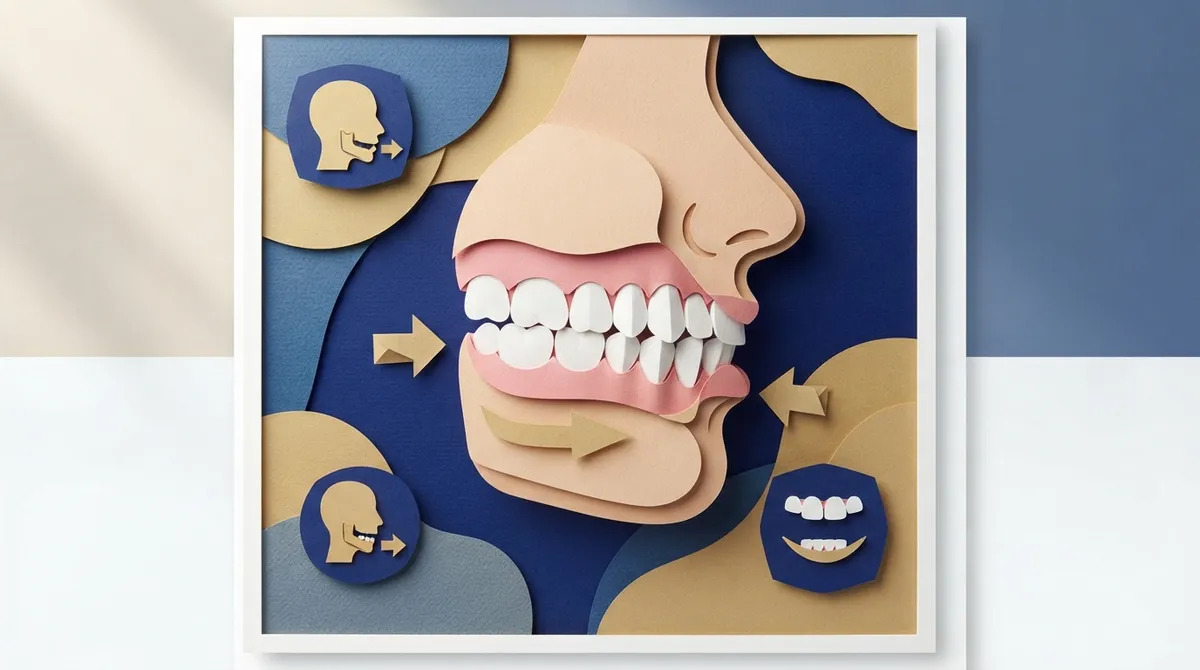
An underbite means the lower front teeth meet ahead of the upper front teeth. Orthodontists often call it a Class III bite. Sometimes it comes from tooth position. Sometimes the jaws are the cause. Often it is a mix of both.
Here is the good news. Seeing an orthodontist early does not mean your child must start treatment right away. It means you learn what is going on and what timing makes sense. This friendly guide walks you through seven steps of a typical evaluation, so you know exactly what to expect and what to ask.
Step 1: Know What an Underbite Really Is
Before the visit, it helps to understand the basics. A normal bite has the upper front teeth resting slightly in front of the lower ones. With an underbite, that pattern flips.
An underbite is not the same as a crossbite. A crossbite can involve just one tooth or a few teeth, front or back. An underbite is a front-tooth problem that can reflect a bigger jaw relationship. If you want to learn more about the other kind, our guide on crossbite treatment explains the difference well.
Here are the main things an orthodontist considers:
- Tooth position: The front teeth may simply tilt the wrong way.
- Jaw size or position: The lower jaw may be larger or more forward, or the upper jaw may be small.
- Functional shift: Your child may slide the lower jaw forward to bite down.
- A combination: Many children have more than one factor at play.
Knowing these terms makes the whole visit feel friendlier. You will understand what the orthodontist is looking for.
Step 2: Pick the Right Time for the First Visit
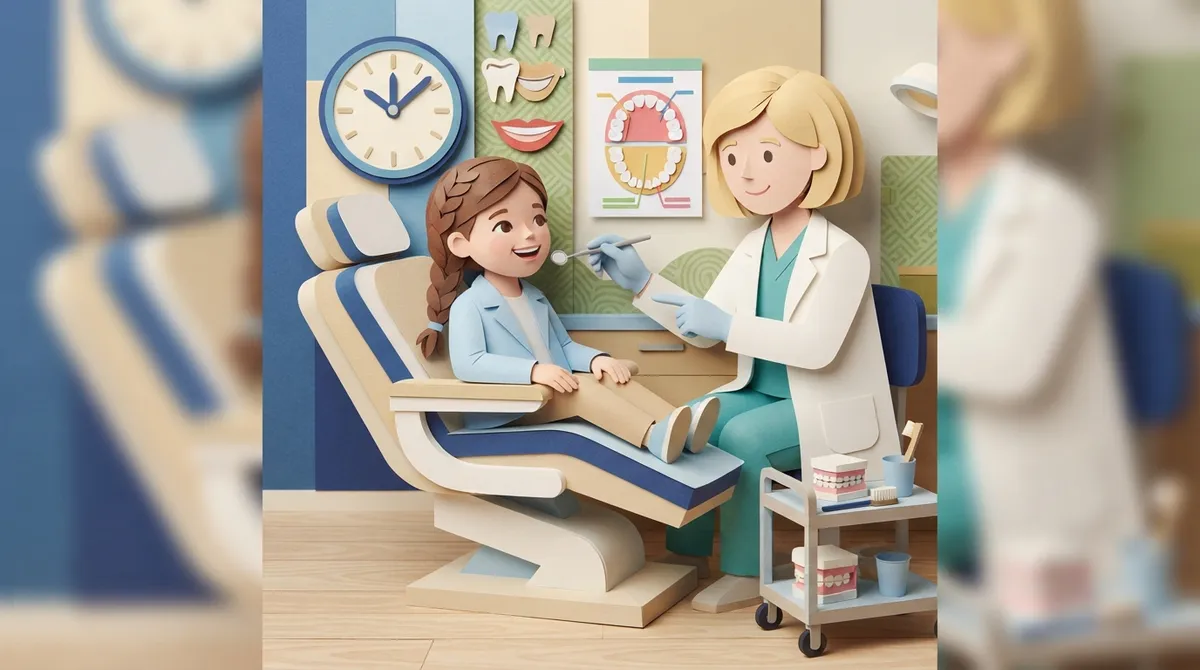
The American Association of Orthodontists recommends an initial orthodontic evaluation by age 7. That is an assessment milestone. It is not a promise that your child will need braces at that age.
By age 7, your child has a mix of baby and permanent teeth. That mix gives an orthodontist a lot of clues about how the bite is developing. If the underbite looks pronounced, an earlier visit can make sense.
Some parents wonder whether waiting is smarter. We cover that question in detail in Age 7 vs. Waiting: When Should a Child See an Orthodontist?. The short answer is that an early look gives you information, and information is powerful.
Signs you may want to book sooner include:
- The lower front teeth clearly sit in front of the upper teeth.
- Your child slides their jaw forward to close their mouth.
- Chewing or biting seems awkward.
- A relative has a strong underbite or needed jaw surgery.
Step 3: Prepare for the Visit
A little prep helps your child feel calm and helps you get more from the appointment. Think of it as packing for a short, friendly trip.
Here is a simple prep list:
- Bring any past dental records or X-rays your child’s dentist has.
- Jot down your questions ahead of time.
- Note any habits, such as thumb sucking or mouth breathing.
- Share family history of bite or jaw problems.
- Tell your child it is just a “tooth check,” with no shots.
Our article on how to prepare for your first visit to an orthodontist has more tips. Our first visit page also shows what the day looks like.
Step 4: The Clinical Exam
The hands-on exam is the heart of an underbite evaluation for children. The orthodontist looks closely at how your child’s teeth and jaws fit together. Most kids find it quick and easy.
During the exam, the orthodontist usually checks:
- How the upper and lower front teeth meet
- How the back teeth fit together
- The side view of your child’s face, called the profile
- How the jaw moves when your child opens and closes
- Whether the jaw slides forward during biting
- Which baby and permanent teeth have arrived
That jaw-movement check matters a lot. A child who slides forward into the underbite may have a different problem than a child whose jaws are simply out of balance. Spotting that difference helps shape the plan.
Step 5: Records and Imaging
Sometimes a visual exam is enough to get started. In many cases, the orthodontist also wants records to see what is happening under the surface. AAPD guidance notes that a full clinical exam plus the right diagnostic records support a sound diagnosis and treatment plan.
Records may include:
- Photos of the face and teeth
- Digital scans of the teeth
- X-rays that show jaw and tooth positions
- 3D imaging in selected cases
At Brockway Orthodontics, we use modern tools like digital impressions instead of messy molds. Our posts on what orthodontic X-rays can help evaluate and intraoral scanning explain how these tools work. Kids often like the scans because they are quick and comfortable.
Step 6: Sorting Out the Cause
Now the orthodontist puts the clues together. The big question is whether the underbite is dental, skeletal, functional, or mixed. That answer shapes everything that follows.
| Type of Underbite | What It Means | What It May Suggest |
|---|---|---|
| Dental | Teeth tilt or sit in the wrong position, but the jaws are balanced | Often simpler to correct with appliances or braces |
| Skeletal | The jaws are out of balance in size or position | Needs careful growth monitoring and a longer-term plan |
| Functional | The child shifts the lower jaw forward to bite together | May respond well to early guidance |
| Mixed | A blend of tooth, jaw, and movement factors | Needs a customized, step-by-step plan |
Growth matters here too. Class III growth can continue for a long time and can be less predictable than other bite patterns. That is why a good orthodontist watches how your child grows, not just how the teeth look today. Our post on jaw growth and bite development digs deeper into this.
Step 7: Review the Plan, Including the Option to Wait
This is where it all comes together. A good evaluation ends with a clear, honest plan. The orthodontist should explain the diagnosis, the goals, the timing, and what cooperation looks like for your child and family.
Here is something that surprises many parents: the best plan may be to monitor, not treat. AAPD guidance stresses that timing is individualized. It depends on the diagnosis, dental development, growth, and the risks and benefits of treating or waiting, along with family preferences.
If treatment makes sense, options for a growing child may include:
- Maxillary protraction therapy: Guides the upper jaw forward, sometimes paired with rapid palatal expansion.
- Palatal expanders: Widen the upper jaw to improve how the teeth fit. Read our palatal expander guide for details.
- Functional appliances: Help guide the bite while the child grows.
- Interarch elastics: Small bands that help shift the bite.
- Braces: Fine-tune tooth positions, often later on.
For a closer look at correction paths, see how to fix an underbite and your best options for underbite treatment. You can also avoid common slip-ups by reading 13 underbite treatment mistakes to avoid.
What Early Treatment Can and Cannot Promise
Let’s keep it real. Early treatment can help in the right case. It may improve the bite, how the back teeth fit, function, and your child’s appearance. It can make the discrepancy smaller while your child is still growing.
But it cannot guarantee that your child will skip later treatment or jaw surgery. Some children with a Class III pattern keep growing in a way that is hard to predict. Some need comprehensive orthodontics later. A few need orthognathic surgery after growth finishes.
That is not bad news. It just means an honest orthodontist will set realistic expectations. Our guide on why early evaluation isn’t treatment and our tips for asking the right questions about early treatment can help you feel confident either way. If you want to understand the two-stage approach, see Phase One vs Phase Two facts.
Questions to Ask at the Visit
You are your child’s best advocate. Do not be shy about asking. Here are some good starters:
- Is this underbite dental, skeletal, functional, or mixed?
- Does my child need treatment now, or can we monitor?
- If we treat, what are the goals and the expected timeline?
- What will my child need to do each day?
- When should we come back to recheck growth?
- What costs and payment options should we plan for?
If money is on your mind, our posts on how treatment complexity affects fees and braces payment plans for Clearwater families can help you plan ahead.
How Often to Recheck if You Wait
If the plan is to watch and wait, do not skip the follow-ups. Growth can change the picture over time. Your orthodontist will tell you how often to return, and regular checkups are how small changes get caught early. See why orthodontic checkups matter so much.
Many families also want to explore related topics, like early treatment and adolescent treatment, as their child grows. Knowing the path ahead makes each step feel lighter.
Why Families Choose Brockway Orthodontics
Families across Clearwater trust Dr. Brockway because she listens first. She takes time to hear your concerns and explains things in plain, friendly language. Brockway Orthodontics offers care for the whole family, with metal braces, ceramic braces, and Spark™ Clear Aligners, a more affordable clear option. In certain cases, same-day treatment is available too.
Want to see how other families feel? You can visit us on Google — Brockway Orthodontics and read what our Clearwater patients say. For general guidance on keeping your child’s mouth healthy, the American Dental Association is a trusted resource, and the Florida Association of Orthodontists shares helpful information for Florida families.
Ready to Take the Next Step?
An underbite evaluation for children gives you answers, not pressure. You will learn what is causing the bite, what your options are, and whether now is the right time. Whether the plan is to treat or simply to watch, you will walk out knowing exactly where you stand.
If your child has an underbite or you just want peace of mind, book an appointment online and meet our friendly team. Have questions first? Feel free to contact us anytime. We would love to help your child smile with confidence.
FAQs
Q: What is an underbite, and how is it different from a crossbite?
A: An underbite means the lower front teeth sit ahead of the upper front teeth, and it often involves the jaws. A crossbite can involve just one or a few teeth, in the front or back. Your orthodontist can tell which one your child has during a simple exam.
Q: When should a child with an underbite see an orthodontist?
A: The American Association of Orthodontists recommends a first evaluation by age 7. If the underbite is clear and pronounced, an earlier visit can make sense. It is just a check-in, so you will not be pushed into treatment.
Q: Does every child with an underbite need early treatment?
A: Not at all! Some children do well with early care during growth, while others are best watched or treated later. Your orthodontist will look at the cause, your child’s growth, and your family’s wishes before suggesting a plan.
Q: Can early underbite treatment prevent jaw surgery later?
A: Early treatment can reduce how big the bite problem is, which is great news. But it cannot promise that later treatment or surgery will be avoided, because Class III growth can continue and is hard to predict. Regular rechecks help keep your plan on track.
Our Service Area