Key Takeaways
-
Age alone is generally not a reason to rule out orthodontic treatment; candidacy depends on your teeth, gums, bone health, and goals, so get evaluated rather than assuming.
-
Address gum inflammation or uncontrolled periodontal disease before teeth are moved, and be honest with your orthodontist about bleeding, tenderness, or loose teeth.
-
Bring a written list of medications, supplements, chronic conditions, past jaw or mouth surgeries, and allergies (including metals and latex) to your evaluation.
-
Tell your orthodontist about existing crowns, bridges, implants, and missing teeth, since these affect which teeth can move and how the plan is built.
-
Expect adult treatment to take longer than comparable teen treatment because adults can't rely on growth modification, so ask for a personal timeline.
-
Plan for retainers from the start, since teeth can drift back without them, and ask about retention and payment options during your first visit.
Have you ever looked in the mirror and thought, “Maybe it’s too late for me to fix my smile”? You are not alone. Many people in their 50s, 60s, 70s, and even 80s wonder the same thing. The good news is that age alone is generally not a reason to rule out orthodontic care. What matters most is the health of your teeth, gums, and bone, along with your goals.
An orthodontic evaluation for older adults is the first step. It helps answer one simple question: can your teeth be moved safely and realistically? But many older adults make small mistakes before or during this visit that cause delays, confusion, or missed opportunities.
The American Association of Orthodontists reports that about one in four orthodontic patients is an adult. So you would be in good company. In this friendly guide, we will walk through nine common mistakes, what a good evaluation includes, and how to get the most from your visit. Let’s get started!
Why an Orthodontic Evaluation Matters After Age 50
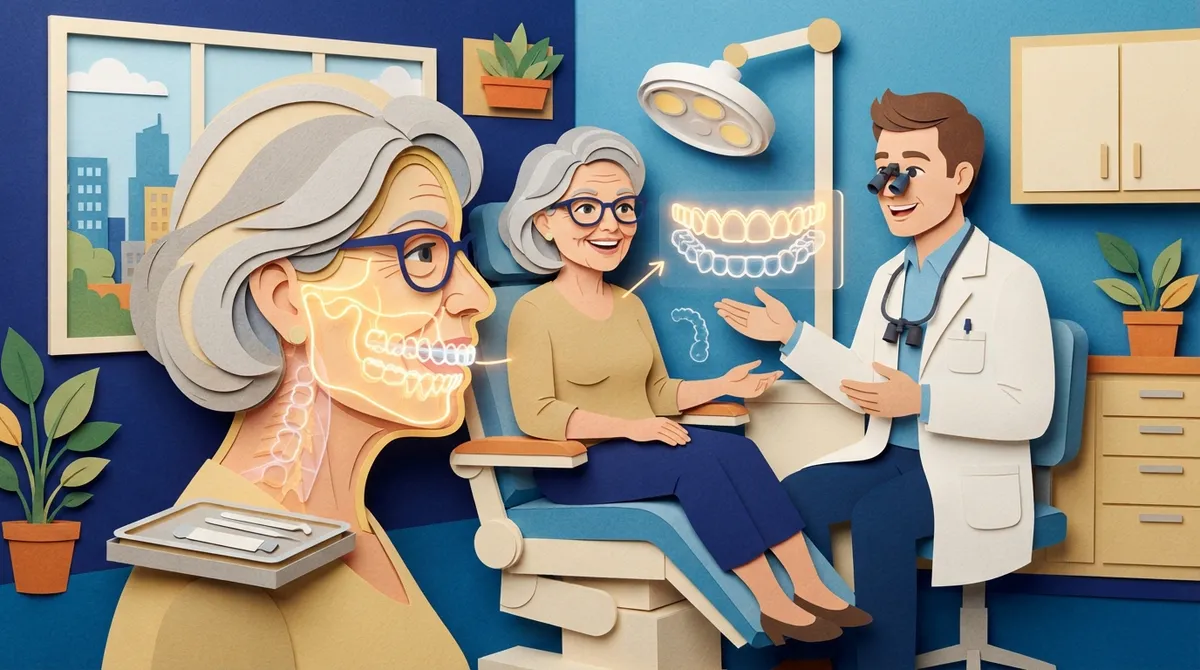
As we age, our mouths change. Teeth drift. Gums recede. Some teeth get crowns or bridges. Others go missing. All of this affects how tooth movement can be planned.
A thorough evaluation looks at the whole picture, not just crooked teeth. It checks whether your gums and bone can support movement. It also reviews your medical history, your past dental work, and what you hope to achieve.
Think of it like a home inspection before a remodel. You would not start moving walls without checking the foundation first. Your orthodontist does the same thing with your smile.
What Happens During an Orthodontic Evaluation for Older Adults
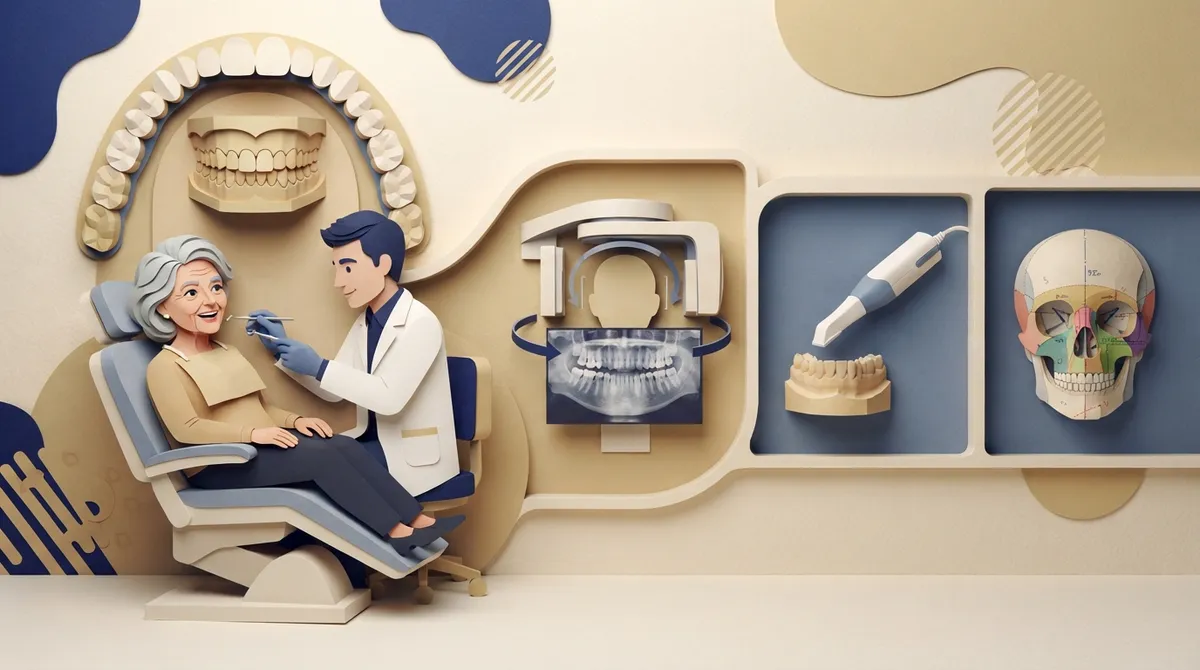
Knowing what to expect can ease any nerves. A typical visit often includes the following steps:
- A friendly conversation. You share your concerns, goals, and what bothers you most about your smile or bite.
- A medical and dental history review. This covers health conditions, medications, and past dental treatment.
- A bite and alignment exam. Your orthodontist checks how your teeth fit together and how they are positioned.
- A gum and bone check. Healthy support tissue is key for safe tooth movement.
- Records or imaging, as needed. This may include digital scans, photos, or X-rays to plan care.
- A treatment discussion. You talk through options, timelines, and next steps.
At Brockway Orthodontics, we take time to listen first. Digital scanning also means no messy molds, which many older patients appreciate.
Mistake 1: Assuming You Are Too Old for Braces
This is the biggest myth out there. Chronological age alone is generally not a reason to rule out treatment. Candidacy depends more on your oral and general health, your goals, and whether your teeth and supporting tissues can stay healthy.
Many adults in their 60s and 70s have successful treatment. If you have wondered about this, our article on 14 facts that prove adults can get braces in 2026 is a helpful read. And if you are curious about starting later in life, see 15 things to know about starting orthodontic treatment in midlife.
The only way to know for sure is to be evaluated. Do not let a number decide for you.
Mistake 2: Ignoring Gum Health Before Treatment
Healthy gums are the foundation of safe tooth movement. Active gum inflammation or uncontrolled periodontal disease should be addressed before any teeth are moved.
Here is what that may look like in real life:
- Bleeding gums when you brush or floss
- Gums that look red, puffy, or tender
- Teeth that feel loose or have shifted
- Persistent bad breath
If you have a history of gum disease, you may need coordinated care with a dentist or periodontist. You may also need closer maintenance visits during treatment. Learn more in why gum health matters before adult braces in 2026.
The takeaway? Do not hide gum concerns from your orthodontist. Honesty helps us build a safer plan for you.
Mistake 3: Leaving Out Your Medical History and Medications
Your general health matters just as much as your teeth. Many older adults skip over this part because it feels unrelated. It is not.
Certain conditions and medications can affect bone, gums, and healing. Be ready to share:
- A list of all current medications and supplements
- Any chronic health conditions
- Past surgeries or treatments involving the jaw or mouth
- Allergies, including to metals or latex
Bringing a written list makes this easy. Your orthodontist may also coordinate with your physician or dentist when needed.
Mistake 4: Forgetting to Mention Crowns, Bridges, and Implants
Many older adults have dental work already in place. Crowns, bridges, implants, worn teeth, and missing teeth can all shape the plan.
For example, dental implants do not move the way natural teeth do. A bridge may limit which teeth can shift. These details help decide which teeth can be moved and whether other specialists should be involved.
Curious about specific situations? Read can I get braces with missing teeth? and can you use clear aligners with dental restorations?
Mistake 5: Skipping Your Regular Dentist First
Your general dentist is an important teammate. Untreated cavities, old infections, or damaged teeth should be handled before orthodontic care starts. Our post on why cavities need attention before orthodontic treatment explains why.
It also helps to understand who does what. See orthodontist vs. dentist: which one do you actually need? for a simple breakdown.
A good rule is to bring your latest dental records or X-rays if you have them. This saves time and may reduce repeat imaging.
Mistake 6: Expecting the Same Timeline as a Teenager
Teens are still growing. Adults are not. That means orthodontic treatment for adults cannot rely on growth modification the way it can for children.
Treatment time depends on how complex your case is and how your body responds. It may take longer than comparable treatment in younger patients. Some people need only limited treatment, such as fixing a few front teeth. Others need a full correction.
For realistic timeframes, check out 7 timelines that answer how long braces really take. Setting honest expectations makes the whole journey more enjoyable.
Mistake 7: Choosing a Treatment Type Before the Exam
It is tempting to decide on braces or clear aligners before you walk in. But the best choice depends on your bite problem, dental condition, and personal preferences.
Here is a quick comparison to help you think it through:
| Option | Often a Good Fit When | Things to Consider |
|---|---|---|
| Metal braces | Bite issues are more complex | More visible; some find them effective and durable |
| Ceramic (clear) braces | You want a less noticeable fixed option | Need careful cleaning to avoid staining |
| Spark™ Clear Aligners | You want a discreet, removable option | Requires wearing trays consistently |
Brockway Orthodontics offers all three, including Spark™ Clear Aligners, a more affordable alternative to Invisalign. Want to compare? Read braces vs. clear aligners: which Clearwater choice wins? or can adults choose metal braces?
Mistake 8: Not Asking Enough Questions
Your first visit is a two-way conversation. Many older adults feel shy about asking questions. Please do not! No question is too small.
Here are some great ones to bring along:
- Am I a good candidate for treatment, and why?
- Do I need any gum or dental care first?
- Which option fits my bite and my lifestyle?
- About how long will treatment take?
- What will it cost, and what payment options exist?
- What kind of retainer will I need afterward?
For more ideas, see how to prepare Brockway Orthodontics first appointment questions. Writing your list down ahead of time keeps you calm and focused.
Mistake 9: Forgetting About Retention and Follow-Up
Finishing braces is not the finish line. Retainers are generally needed after active treatment to help hold teeth in their new positions. Without them, teeth can slowly drift back.
Good oral hygiene and steady follow-up visits matter throughout treatment, too. For older adults with a history of gum issues, check-ins may be even more important.
Plan for retention from day one. Our guides on fixed vs. removable retainers and how to care for your dental retainer can help you get ready.
Is Orthodontic Treatment Common for Older Adults?
Many older adults feel like the only one in the waiting room. Statistics tell a more careful story. A 2023 analysis of U.S. survey data from 2016 to 2018 found that orthodontic use among people aged 65 and older was about 1.2% in its weighted sample. That reflects reported use in that dataset and is not a current share of older adults in treatment.
Meanwhile, adults overall make up about one in four orthodontic patients, according to the American Association of Orthodontists. So while treatment in later years is less common, it is absolutely possible when the right conditions are met.
Want to see what’s driving the trend? Read why are so many adults getting orthodontic treatment in 2026?
Can Orthodontics Fix Teeth That Shifted Over Time?
Often, yes. Teeth can shift after tooth loss, gum disease, or years without a retainer. An evaluation can show whether tooth movement can help close gaps, ease crowding, or improve your bite.
Bite problems can also affect how you chew and how your teeth wear. Learn more in why does dental misalignment happen, and what helps? and how to fix bite alignment problems at any age.
If you had braces years ago and your smile has changed, you may be a retreatment candidate. See 9 adult orthodontic retreatment options for a shifted smile.
Getting Ready for Your Visit: A Simple Checklist
A little preparation goes a long way. Before your appointment, try to gather:
- A list of your medications and health conditions
- Recent dental X-rays or records, if available
- Your dental insurance information
- Your written questions and goals
- A family member or friend, if you would like extra support
Our team at Brockway Orthodontics in Clearwater, Florida, is here to make it easy. Dr. Brockway takes time to listen to your concerns and dreams for your smile, so you feel comfortable and informed from start to finish. You can also read the Brockway Orthodontics reviews on Google to see what our patients say.
Cost and Insurance: What to Know
Cost is a real concern, and that is perfectly normal. Fees vary with the type and length of treatment. A written breakdown helps you compare clearly. Read how to get answers to adult orthodontic insurance questions and braces payment plans near me.
Many offices offer flexible payment options so care fits your budget. Ask about them during your visit.
Your Next Step Toward a Healthier, Happier Smile
An orthodontic evaluation for older adults is not about age. It is about health, goals, and finding a plan that truly fits you. By avoiding these nine mistakes, you can walk into your visit feeling prepared and confident.
You can also learn more from trusted sources like the American Dental Association and the Florida Association of Orthodontists.
Ready to find out what is possible for your smile? Book your appointment online with Brockway Orthodontics today, or contact us with any questions. We would love to meet you and help you smile with confidence at any age.
FAQs
Q: Can adults in their 60s, 70s, or 80s get braces?
A: Yes, many can! Age alone is generally not a reason to rule out treatment. What matters most is the health of your teeth, gums, and bone, plus your goals. An evaluation will tell you if it is a good fit.
Q: Do I need to treat gum disease before starting orthodontic treatment?
A: Yes. Active gum inflammation or uncontrolled periodontal disease should be addressed before any teeth are moved. Your orthodontist may work with your dentist or a periodontist to keep your gums healthy during treatment.
Q: Are clear aligners or braces better for older adults?
A: It depends on your bite, your dental condition, and your preferences. Some people do well with clear aligners, while others need braces for more complex bite changes. Your evaluation helps point you to the right choice.
Q: How long does orthodontic treatment take for older adults?
A: Treatment time varies with how complex your case is and how your body responds. It may take longer than comparable treatment in younger patients. Your orthodontist can give you a personal estimate after your exam.
Our Service Area