Key Takeaways
-
A permanent tooth erupting more than about six months ahead of its matching partner on the other side is the classic screening sign that warrants an orthodontic check.
-
The American Association of Orthodontists recommends an initial orthodontic check no later than age 7, which is an assessment opportunity rather than a commitment to treatment.
-
A retained baby tooth with an adult tooth behind it, or a visible 'double row' of teeth, often on the lower front, should prompt a professional evaluation.
-
Around ages 10 to 11, a missing or oddly placed bulge in the gum where the upper canine should emerge can signal that the tooth is off course.
-
Many cases need only watchful waiting, while early steps like creating space, removing obstructions, or guiding teeth can prevent bigger problems later.
-
Imaging such as dental X-rays is used only when needed to confirm whether a missing tooth is present, where it sits, and what is blocking it.
Every parent remembers those first wobbly teeth. But what happens when your child’s smile seems to be growing in a little lopsided? Maybe one front tooth popped through months ago while its partner is still hiding. Maybe a baby tooth just will not budge. Take a deep breath. A bit of variation is very common, and in many cases it is nothing to worry about.
Still, uneven tooth eruption and orthodontic assessment go hand in hand for a reason. A quick, friendly check can tell you whether your child’s teeth are simply on their own schedule or whether something needs a closer look. In this guide, we walk you through nine signs worth noticing, what causes them, and what an orthodontic visit really involves. At Brockway Orthodontics, we love helping families feel calm and informed, so let’s get started together.
What Uneven Tooth Eruption Really Means
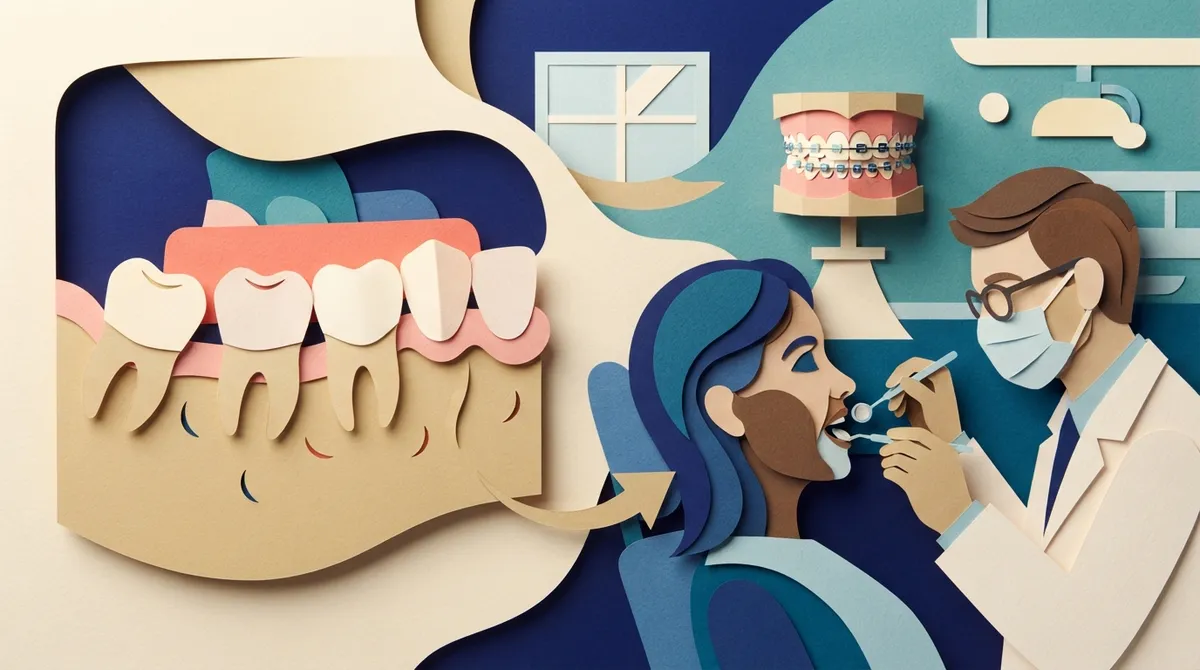
Uneven tooth eruption means teeth come in at different times, in an unusual order, or in the wrong spot. Some variation is normal. Kids are not little clocks, and every mouth grows at its own pace.
The key is context. A clinician looks at your child’s age, dental development, and overall pattern. One late tooth in an otherwise healthy mouth is very different from a clear side-to-side gap or a tooth that never shows up at all.
The good news is that early awareness gives you options. Many cases need only watchful waiting. Others benefit from simple, early steps that prevent bigger problems later.
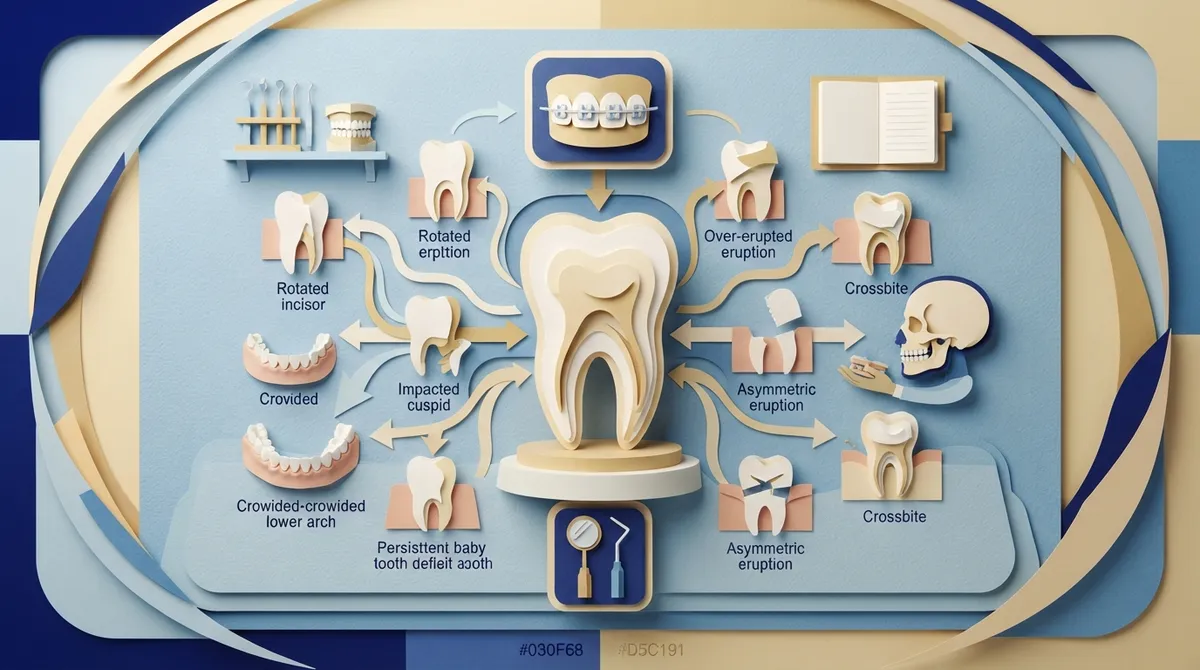
9 Signs of Uneven Tooth Eruption to Watch For
Here are the nine signs that most often lead families to ask for an orthodontic opinion. Having one of these does not mean something is wrong. It simply means a check-up is a smart idea.
1. One Tooth Erupts Months Before Its Partner
This is the classic screening sign. When one tooth comes in more than about six months before the matching tooth on the other side of the mouth, it deserves a look. Dental guidance commonly uses this six-month gap as a reason to investigate. It is read alongside your child’s overall eruption pattern, so it is a clue, not a diagnosis.
2. Teeth Appear in an Unusual Order
Permanent teeth tend to follow a general sequence. When teeth show up in a very different order, it can point to crowding, limited space, or a tooth taking an odd path. A different order is not always a problem, but it is a good reason to ask questions.
3. A Baby Tooth Will Not Let Go
A retained primary tooth can sit in place while a permanent tooth tries to squeeze in behind it. You might see a “double row” of teeth, often on the lower front. If this sounds familiar, our guide on retained baby teeth questions parents ask goes into helpful detail.
4. A Missing or Unusual Bump Where the Canine Should Be
Around ages 10 to 11, a clinician can often feel a small bulge in the gums where the upper canine is getting ready to come in. If that bump is missing on one side, or sits in an odd place, it can hint that the tooth is off course.
5. Crowding or Not Enough Space
Tight spacing is one of the most common reasons teeth erupt unevenly. When there is not enough room, a tooth can come in crooked, late, or twisted. If you are curious about why this happens, see what causes crowding in children’s developing teeth.
6. A Visible or Feelable Swelling in the Gums
A bump you can see or feel in the gum may be a tooth pushing up from below. It may also point to something blocking the way. Either way, it is worth having a professional take a look.
7. Neighboring Teeth Start to Shift
When one tooth is late or stuck, nearby teeth sometimes drift into its space. This can close off the room that the missing tooth needs. Catching this early can make a real difference.
8. A Midline That Looks Off
If the center of the upper and lower teeth no longer line up, uneven eruption or early tooth loss may be part of the story. Our article on why dental midlines may not match explains the common causes.
9. A Tooth That Simply Never Appears
Sometimes a permanent tooth does not erupt at all. It might be stuck beneath the gum, in the wrong position, or in rare cases not developed. Only imaging and an exam can tell which one it is.
Why Teeth Erupt Unevenly: Common Causes
No single finding explains everything. Several factors can be at play, and an orthodontist weighs them together.
- Crowding or limited arch space: Teeth compete for room and come in late or tilted.
- An ectopic path: A tooth grows in a direction that does not lead to its proper spot.
- Retained primary teeth: A baby tooth blocks or redirects the permanent one.
- Extra teeth (supernumeraries): An additional tooth gets in the way.
- Odontomas or other obstructions: Small growths can physically block eruption.
- Trauma: A bump to a baby tooth can affect the permanent tooth below.
- Developmental absence: Some teeth simply do not form.
- Ankylosis or primary failure of eruption: Less common conditions where a tooth fails to move into place.
Notice that most of these can be spotted early. That is why a timely visit is so valuable.
The Teeth Most Worth Watching
Permanent upper canines and front teeth deserve extra attention. When they erupt late or in the wrong place, they can affect neighboring teeth and the space available for the rest of the smile.
The numbers help put this in perspective. The Royal College of Surgeons of England guideline reports that about 1.5% of people have an impacted upper canine, though estimates vary by population and study. A 2021 systematic review found upper canine impaction in roughly 0.2% to 2.3% of orthodontic patients. So it is not rare, but it is also not the norm, and it is very manageable when found early.
What Happens During an Orthodontic Assessment
Many parents feel nervous before a first visit. Here is the good news: an assessment is gentle, friendly, and usually pretty quick. Dr. Brockway takes time to listen to your concerns and explain everything in plain language. If you would like a preview, see what to expect at the orthodontist.
A typical assessment follows these steps:
- Medical and dental history. We ask about baby teeth that were lost early, injuries, family patterns, and anything you have noticed at home.
- Clinical examination. We check eruption order, retained baby teeth, available space, bite, and tooth position. We may also gently feel the gums for the canine bulge.
- Imaging when it is needed. If a tooth has not appeared, dental X-rays can confirm whether it is present, where it sits, and whether something is blocking it. Imaging is chosen based on the specific question and the patient’s needs, never automatically.
- A clear explanation and plan. We talk through what we found and whether the best path is monitoring, early treatment, or coordinated care.
Modern tools make this even easier. Our practice uses digital impressions instead of messy molds, plus 3D imaging that helps us plan precisely. You can read more about how scanners help in 10 facts about Medit intraoral scanning for ortho.
Assessment Findings and Typical Next Steps
Every child is different, so the table below is a general guide only. Your orthodontist will tailor the plan to your child’s age, development, and available space.
| What We Find | What It May Suggest | Possible Next Step |
|---|---|---|
| One tooth is slightly ahead of its partner | Normal variation | Watch and recheck |
| Baby tooth still in place with adult tooth behind it | Retained primary tooth | Monitor or remove the baby tooth when indicated |
| Tight spacing, twisted or late tooth | Crowding or lack of space | Guide growth or create space |
| Missing canine bulge on one side | Possible ectopic canine | Imaging and early planning |
| Tooth blocked by an extra tooth or growth | Physical obstruction | Coordinated surgical and orthodontic care |
| Tooth never appears | Impaction or developmental absence | Imaging to confirm, then a tailored plan |
Treatment Options: From Watching to Guiding Teeth
The right treatment depends on the cause, the position of the tooth, your child’s age, and the space available. Here are the most common approaches:
- Observation. Many children simply need regular check-ups while their teeth catch up on their own.
- Creating space. Sometimes a little room is all a stuck tooth needs. Tools like expanders can help, and our palatal expander guide explains how.
- Removing an obstruction or retained baby tooth. When something is in the way, clearing the path can allow the permanent tooth to move into place.
- Surgical exposure with orthodontic guidance. For an impacted tooth, a small procedure can expose it so braces can gently guide it down. This is a team effort between the orthodontist and an oral surgeon.
For some families, early help is the best way to avoid a more complex problem later. If you are weighing options, our article on phase one vs. phase two orthodontics can help you picture how treatment might unfold.
When Should Your Child Have a First Orthodontic Check?
The American Association of Orthodontists recommends an initial orthodontic check no later than age 7. Here is the part that eases many worries: this is an assessment opportunity, not a promise that treatment will start. Most children only need to be monitored at that age.
By age 7, a mix of baby and adult teeth is present, which gives an orthodontist a great window into how things are developing. Curious how this compares with waiting? Take a look at age 7 vs. waiting and our friendly guide on when your child should first see an orthodontist.
Tips for Parents Before the Visit
A little preparation makes the appointment smoother and more useful. Try these simple steps:
- Jot down which teeth came in, and roughly when, if you remember.
- Note any injuries, early tooth loss, or habits like thumb sucking.
- Write down questions so nothing gets forgotten in the moment.
- Bring any past dental records or X-rays from your family dentist.
- Let your child know it will be a quick, gentle, no-pain visit.
For more ideas, see how to prepare for your orthodontist consultation in Clearwater. You can also learn what an appointment looks like for younger kids in our post about your child’s first orthodontic visit.
It Is Not Just for Kids
If you are a teen or adult reading this, you may notice a tooth that never came in, or one that has shifted over time. Adults can have unerupted or impacted teeth too, and many people are surprised to learn that treatment is still possible. Whether you are an adult professional hoping for a discreet fix or someone returning after past treatment, an assessment is a great first step.
For general background on oral health and care, the American Dental Association is a trusted resource. To learn more about orthodontic care in our state, you can visit the Florida Association of Orthodontists.
Ready for Answers? We Are Here to Help
Uneven eruption can feel confusing, but you do not have to figure it out alone. At Brockway Orthodontics, we are proud to be Clearwater’s go-to choice for gentle, personalized care. Dr. Brockway offers treatment for the whole family, including metal braces, ceramic (clear) braces, and Spark™ Clear Aligners, a more affordable alternative to Invisalign. In certain cases, we can even provide same-day treatments to keep busy families moving.
You can also visit us on Google — Brockway Orthodontics to see what our Clearwater patients and families say about their experience.
Ready to take the next step? Book your free consultation online and let our friendly team take a look at how your child’s smile is growing. Prefer to chat first? Just contact us and we will be happy to help.
FAQs
Q: When should I worry that a child’s permanent tooth is erupting late?
A: A good rule of thumb is when one tooth comes in more than about six months ahead of its partner on the other side. Other clues include a baby tooth that will not loosen, a missing canine bump, or neighboring teeth shifting. If you spot any of these, a quick orthodontic check will give you clear answers.
Q: Is it normal for one side of the mouth to lose or erupt teeth before the other?
A: A little difference is very normal, since every child develops at their own pace. It becomes worth a closer look when the gap is large, usually more than six months, or when the order of eruption seems unusual. Your orthodontist will read it in the context of your child’s age and overall development.
Q: Does a child need an X-ray if a permanent tooth has not erupted?
A: Often, yes. A dental X-ray can show whether the tooth is present, where it is sitting, and whether something is blocking its path. We choose imaging based on your child’s specific needs, so it is only used when it will genuinely help.
Q: Can orthodontic treatment help an impacted tooth erupt?
A: Yes, in many cases it can. Treatment may involve creating space, removing an obstruction or retained baby tooth, or a small surgical exposure followed by braces that gently guide the tooth into place. The best approach depends on the tooth’s position and your child’s age.
Q: At what age should a child have their first orthodontic assessment?
A: The American Association of Orthodontists recommends an initial check no later than age 7. This is a chance to see how things are developing, not a sign that treatment must begin. Many children are simply monitored and need nothing more for years.
Our Service Area