Key Takeaways
-
A new or widening gap in an adult should be evaluated by a dentist first, because the cause determines the treatment and closing a gap over active gum disease can make things worse.
-
Common causes include gum disease, orthodontic relapse from skipped retainer wear, a missing tooth, tooth-to-jaw size mismatch, tongue thrusting, and a prominent frenum.
-
Seek prompt dental care if a gap comes with a loose tooth, bleeding or swollen gums, gum recession, food trapping, discomfort when biting, or a change in bite.
-
Gum disease should be treated and stabilized before braces or aligners are used, since orthodontic pressure can be risky when bone support is weakened.
-
Once gums are healthy and the cause is known, braces or clear aligners can often close or redistribute spacing, and adults can be retreated after relapse.
-
Wear your retainer exactly as instructed after treatment, since skipping it is the most common reason gaps return, and avoid DIY fixes like rubber bands or tape.
You glance in the mirror one morning and notice it: a little space that was not there before. Gaps developing between adult teeth can feel confusing, and maybe a bit worrying. Your teeth were fine for years. So what changed?
Here is the good news. You are not alone, and there are clear steps you can take. Gaps can come from simple things like natural shifting, an old retainer habit, or a tongue habit. But sometimes a new or widening gap is a sign that your gums or the bone around your teeth need attention.
That is why the order of your steps matters so much. In this friendly guide, we will walk through why gaps appear, how to tell when it is urgent, what an evaluation looks like, and how treatment works. If you live near Clearwater, Florida, Brockway Orthodontics is happy to help you sort it all out, with Dr. Brockway guiding you every step of the way.
Why Are Gaps Developing Between Adult Teeth?
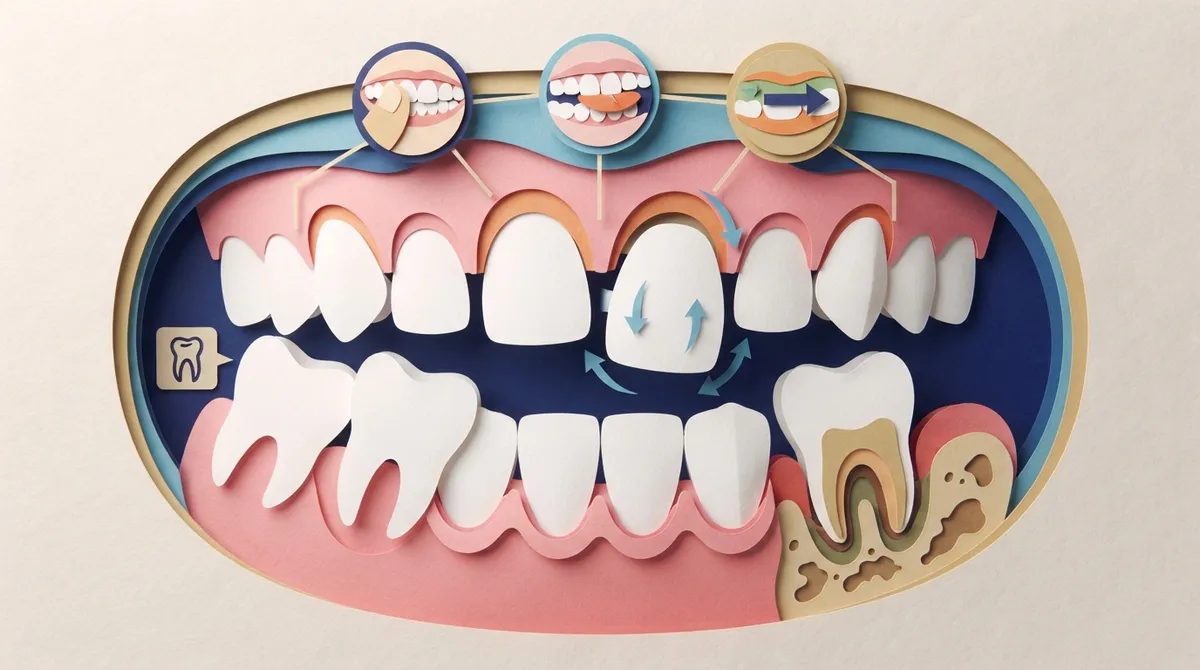
A gap between teeth is often called a diastema, especially when it is between the upper front teeth. Spacing can affect one pair of teeth or show up across several teeth at once. In adults, gaps usually come from one of a handful of causes.
Knowing the likely cause helps you pick the right fix. Here are the most common reasons gaps develop in adults:
- Gum disease: Periodontal disease can damage the gums and bone that hold teeth in place, letting teeth loosen or drift.
- Orthodontic relapse: Teeth can slowly move back after braces or aligners, especially if retainer wear stopped.
- Missing or lost teeth: A gap in one spot lets neighboring teeth lean and spread.
- Tooth size and jaw size mismatch: Smaller teeth in a larger jaw can leave natural spaces.
- Natural shifting with age: Teeth keep moving a little throughout life.
- Habits: Tongue thrusting or constant pressure on teeth can push them apart.
- A prominent frenum: The tissue between the upper front teeth can contribute to a front-tooth gap.
For a deeper look at these causes, you can read our guide on what causes gaps between teeth.
Why a New Gap Deserves a Quick Check
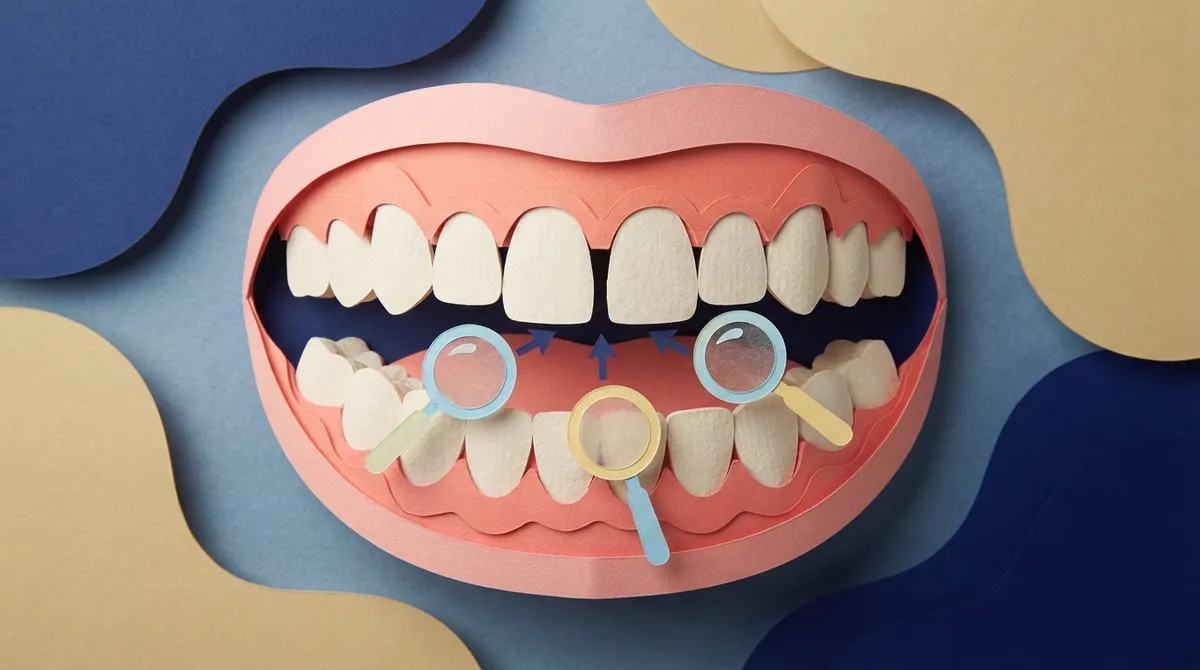
Many people want to jump straight to closing the space. That is understandable! But a new or widening gap in an adult should be assessed by a dentist first. The reason is simple: the cause changes the treatment.
If the cause is gum disease, closing the gap with braces or aligners alone could make things worse. Teeth that have lost support need that support stabilized before they are moved. Think of it like straightening a picture frame on a wall that is crumbling. You fix the wall first.
If instead the cause is relapse or natural spacing, then orthodontic care is often a great path forward. An evaluation tells you which road you are on.
Signs That Mean You Should Be Seen Promptly
Some symptoms alongside a new gap are a signal to book a visit soon. They do not give a diagnosis on their own, but they do deserve a professional look:
- A tooth that feels loose or wiggly
- Bleeding or swollen gums
- Gum recession, where teeth look longer
- Food getting trapped in the new space
- Discomfort when you bite or chew
- A change in how your bite fits together
If you notice any of these, do not wait and hope it passes. Early attention usually means simpler care.
How to Handle Gaps Developing Between Adult Teeth: Step by Step
Here is a simple plan you can follow from the moment you spot a new space. Each step builds on the one before it.
- Take note of what changed. Write down when you first noticed the gap, which teeth are involved, and whether it is getting bigger. Snap a quick photo today so you can compare later.
- Check for warning signs. Look for bleeding gums, loose teeth, or bite changes from the list above. Mention anything you find at your visit.
- Gather your history. Think about past braces, retainer use, lost teeth, dental work, or habits like nail biting or tongue pressing.
- Schedule a dental and gum evaluation. Start with a visit where the dentist checks your gums and bone support. This is the safest first move.
- Get an orthodontic assessment. Once your gum health is known, an orthodontist reviews your alignment, bite, and options.
- Treat gum issues first, if needed. Active gum disease should be managed and stabilized before any orthodontic or cosmetic closure.
- Choose your treatment and follow your retention plan. After the gap is addressed, wearing your retainer as directed helps keep the result.
That is the whole journey in seven steps. Let us look closer at the key parts.
What Happens During an Evaluation?
Walking into an evaluation can feel intimidating, so here is what to expect. It is usually friendly and straightforward.
A typical evaluation may include:
- A dental and gum examination to check for signs of gum disease
- A review of your bite and how your teeth line up
- Imaging when needed to look at bone support, missing teeth, or impacted teeth
- A conversation about your goals and what you want your smile to look like
An orthodontist can then assess alignment and treatment options, often working together with your general dentist or a periodontist. At our practice, we use modern tools like digital impressions instead of messy molds and 3D imaging, which helps us plan with real precision. You can learn more about what orthodontic X-rays can help evaluate before your visit.
Dentist or Orthodontist First?
This is a very common question. A general dentist is a great first stop because they can check your gums and bone health right away. An orthodontist then focuses on how your teeth move and fit together. Many patients see both, and the two work as a team. If you are curious about the difference, our post on orthodontist vs. dentist explains it nicely.
How Do the Causes Compare?
This quick table shows common causes, what they often look like, and the usual path forward. It is a general guide, not a diagnosis.
| Possible Cause | What You Might Notice | Typical Next Step |
|---|---|---|
| Gum disease | Loose teeth, bleeding or swollen gums, recession | Dental evaluation and gum treatment before orthodontics |
| Orthodontic relapse | Teeth slowly drifting after past braces or aligners | Orthodontic assessment, possible retreatment, retainer plan |
| Missing or lost tooth | Neighboring teeth leaning into or away from a space | Multidisciplinary planning with your dentist |
| Tooth and jaw size mismatch | Even spacing between several teeth | Braces or aligners to close or redistribute space |
| Tongue thrust or habits | Front teeth pushed forward or apart | Habit assessment and orthodontic correction |
| Prominent frenum | Gap between upper front teeth | Orthodontic and dental review of options |
Can Braces or Aligners Close Gaps in Adult Teeth?
Yes, in many cases they can. Once your gums are healthy and the cause is understood, orthodontic treatment may close or redistribute spaces. Adults get braces and aligners all the time, and results can be wonderful.
At Brockway Orthodontics, we offer metal braces, ceramic (clear) braces, and Spark™ Clear Aligners, a more affordable alternative to Invisalign. Each has its strengths:
- Metal braces: Reliable and effective, even for more complex spacing.
- Ceramic braces: Tooth-colored brackets that blend in for a more discreet look.
- Spark Clear Aligners: Nearly invisible, removable, and a great fit for busy professionals.
Not sure which is right for you? Our comparison of braces vs. aligners for teeth gap closure can help you weigh your choices. You can also explore teeth spacing correction to see what the process looks like.
When Treatment Needs a Team
Sometimes a gap is not only about moving teeth. If a tooth is missing or teeth are smaller than average, closing the space may require restorative or multidisciplinary planning. That might mean your orthodontist, dentist, and sometimes a gum specialist working together on one plan. It is a bit more coordination, but it leads to a result that lasts and looks natural.
Why Do Gaps Come Back After Braces or Aligners?
This one surprises people. You finish treatment, love your smile, and then a few years later a little space sneaks back. That is orthodontic relapse, and it is more common than you might think.
Teeth have a natural tendency to drift toward where they started. Retainers are commonly needed after orthodontic treatment to help hold teeth in place and reduce relapse. The key is to follow your clinician’s instructions for wear. Skipping retainers is the most common reason gaps return.
If this sounds like your story, take heart. Adults who had braces before can often be treated again, and many people do exactly that. Our post on orthodontic relapse warning signs can help you spot early clues, and you can learn how to care for your dental retainer the right way to protect your results.
Does Age Alone Cause Teeth to Shift?
It can contribute. Teeth keep moving a little throughout life, which is why a smile that looked perfect at 25 may look slightly different at 45. Changes in the gums, bone, and bite over the years can all play a role.
Natural shifting is usually slow. A gap that appears suddenly or widens quickly is more likely to point to something else, like gum changes, and deserves a prompt check. For more on this topic, see 7 reasons teeth shift with age.
What About Gum Health and Orthodontic Treatment?
Healthy gums and bone are the foundation for moving teeth safely. Braces and aligners work by applying gentle pressure that remodels bone around the teeth. If the supporting tissue is already weakened by active gum disease, that pressure can be risky.
That is why gum disease, if present, should be managed before orthodontic or cosmetic treatment. Once your gums are stable, orthodontic care can often move forward with confidence. If you have periodontal concerns or complex needs, this careful approach is especially important. Our article on how dental health affects your braces or aligner options goes into more detail.
Tips to Protect Your Smile While You Wait for Your Visit
While you line up your appointment, a few simple habits can help you stay on track:
- Brush gently twice a day and floss daily, including around the new gap.
- Avoid pushing on the teeth with your tongue or fingers.
- Skip chewing on hard items like ice or pen caps.
- Keep wearing any retainer you still have, if it fits comfortably.
- Do not try do-it-yourself fixes like rubber bands or tape. These can harm teeth and gums.
Curious why quick home fixes are risky? Read about DIY smile fixes vs. finding an orthodontist.
What Will It Cost, and Is It Worth It?
Cost depends on the cause, the treatment type, and how long care takes. Simple spacing may need a shorter treatment than a case that involves multiple specialists. We believe in being upfront, and we offer flexible options to help families and adults fit care into their budget. You can read about how treatment length affects orthodontic costs or explore braces monthly payment plans to plan ahead.
Many adults tell us the confidence boost is worth every bit of it. A closed gap can mean easier cleaning, a more comfortable bite, and a smile you love showing off.
Ready to Take the Next Step?
Gaps developing between adult teeth can feel like a puzzle, but you do not have to solve it alone. The best first move is a proper evaluation so you know the cause before choosing a fix. Whether it turns out to be simple spacing, old relapse, or something that needs gum care first, there is a clear path forward.
At Brockway Orthodontics, Dr. Brockway takes the time to listen to your concerns and explain your options in plain, friendly language. Curious what other patients say? You can visit our Brockway Orthodontics location on Google to read reviews. You can also check the American Dental Association for general oral health resources, or look up trusted specialists through the Florida Association of Orthodontists.
Ready to find out what is behind your new gap? Book your appointment online and let us help you take the first step toward a smile you feel great about. Prefer to chat first? Feel free to contact us with any questions.
FAQs
Q: Why are gaps suddenly developing between my adult teeth?
A: There are a few friendly culprits: natural shifting, relapse after past braces, a missing tooth, tongue habits, or changes in the gums and bone that support your teeth. Because a sudden gap can sometimes signal gum disease, it is smart to have a dentist take a look before trying to close it.
Q: Can gum disease cause gaps between teeth to widen?
A: Yes, it can. Periodontal disease can damage the tissue and bone that hold teeth steady, which lets them loosen or drift apart. If gum disease is present, it should be treated and stabilized before any orthodontic or cosmetic work begins.
Q: Can clear aligners or braces close gaps in adult teeth?
A: Often, yes! Once your gums are healthy and the cause is understood, braces or clear aligners can close or redistribute spaces. Your orthodontist will help you choose the option that fits your smile and lifestyle.
Q: Will a gap come back after braces or aligners?
A: It can if retainers are skipped, because teeth naturally want to drift back. Wearing your retainer exactly as your clinician instructs is the best way to keep your new smile in place for the long run.
Q: What symptoms with a new gap need prompt dental attention?
A: Please book a visit soon if you notice loose teeth, bleeding or swollen gums, gum recession, food trapping, discomfort when biting, or a change in your bite. These signs do not give a diagnosis on their own, but they are worth checking right away.
Our Service Area