Key Takeaways
-
Tight, sore teeth after an adjustment are normal: the new pressure triggers the inflammation and bone remodeling that moves teeth, so the feeling signals progress rather than harm.
-
Soreness typically peaks within the first 24 to 48 hours, eases noticeably by days 3 to 5, and usually fades within about a week.
-
Soft foods like yogurt, mashed potatoes, soup, and pasta help during the first few days, while hard, chewy, or sticky foods like nuts, crusty bread, and caramel should be avoided.
-
A cold compress on the cheek, a warm salt-water rinse (about half a teaspoon of salt per cup), and orthodontic wax on rubbing wires or brackets can ease discomfort.
-
Schedule adjustments a few days before big events or busy days so the toughest 24 to 48 hours don't coincide with important commitments.
-
Call your orthodontist if pain is severe or worsening, lasts longer than about a week, or if you notice a broken or loose bracket, a poking wire, or marked swelling.
You leave your orthodontist’s office smiling, and a few hours later your teeth feel snug, sore, and a little bit grumpy. Sound familiar? You’re not alone, and it’s not a sign that anything went wrong. In fact, it usually means your braces are doing their job.
Understanding why braces feel tight after adjustments can take away a lot of the worry. When you know what’s happening inside your mouth, the soreness feels less scary and a lot more manageable. Parents get peace of mind, teens know what to expect before prom or practice, and adults can plan their busy weeks with less stress.
In this friendly guide, we’ll walk through what causes that tight feeling, how long it lasts, and simple steps to feel better fast. We’ll also cover when to call your orthodontist. Think of this as a chat with a friend who has been through it, with a little extra expertise from the team at Brockway Orthodontics.
Why Braces Feel Tight After Adjustments
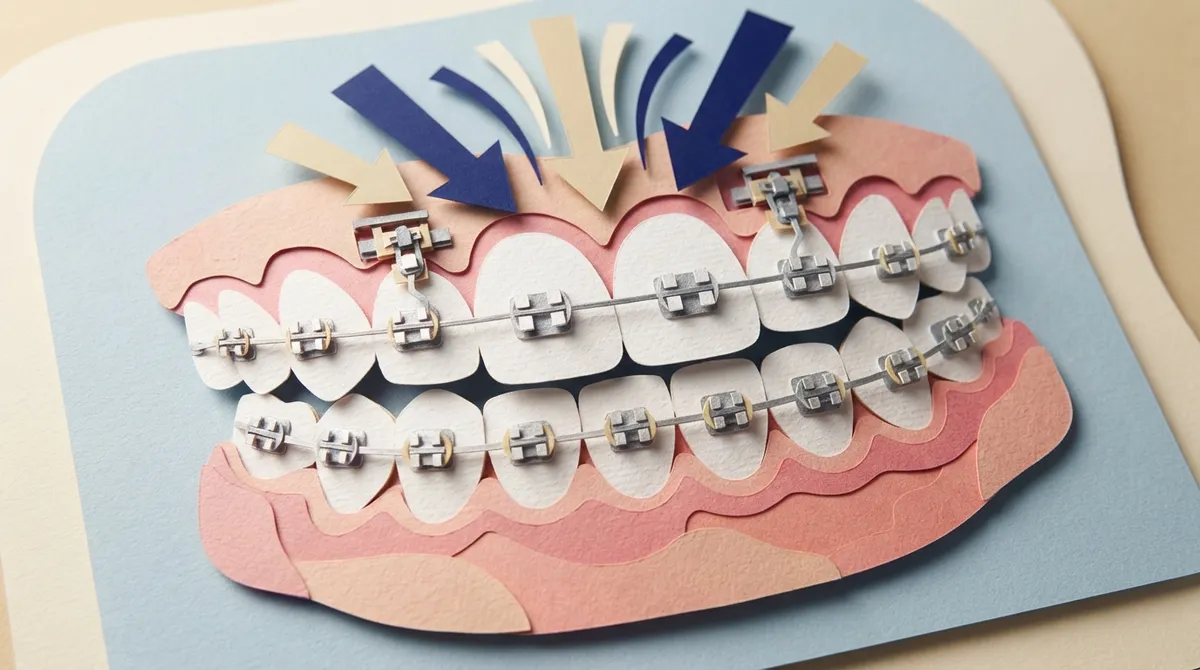
Here’s the short answer. At an adjustment visit, your orthodontist renews or changes the gentle forces that guide your teeth toward their planned positions. That often means changing or adjusting an archwire, swapping elastic ties, or adding new parts like rubber bands. Your teeth then start responding to that fresh pressure.
That tight feeling is the sign of your body adapting. It does not mean a tooth is being harmed. It simply means the movement has started again.
What’s Happening Under the Surface
Each tooth is held in place by a tiny tissue called the periodontal ligament. When your braces apply new pressure, this tissue responds. It triggers a normal inflammatory and bone-remodeling process, which is how teeth slowly move through the jawbone.
Because that area is a little inflamed, your teeth can feel tender, especially when you bite or chew. It’s a bit like the achy feeling in your muscles after a new workout. The soreness is real, but it’s also a sign of progress.
Why Some Visits Feel Tighter Than Others
Not every adjustment feels the same. The amount of soreness depends on a few things:
- The type of change: Moving to a stiffer wire may feel different from a routine visit.
- New components: Adding elastics (rubber bands) can bring a fresh wave of pressure.
- Your personal sensitivity: Some people barely notice adjustments, while others feel them more.
- Where you are in treatment: Early visits often feel tighter than later ones.
If you want a deeper look at how often these visits happen, check out 15 Things to Know About How Often Braces Are Adjusted.
How Long Does the Tightness Last?
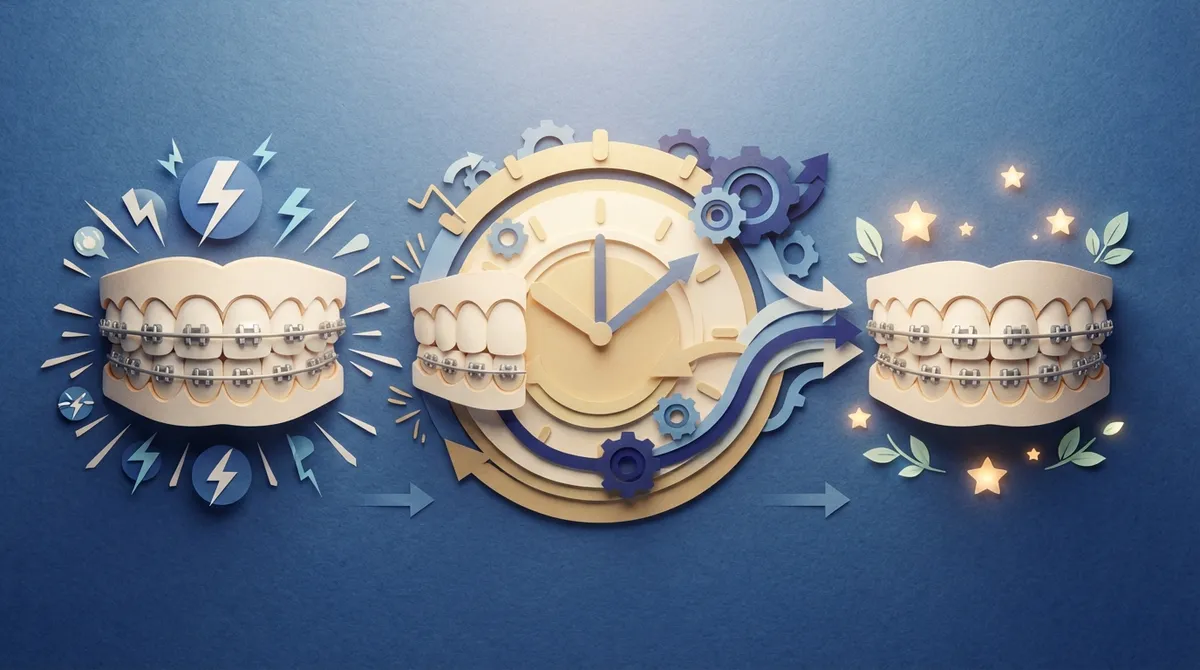
This is the question every patient asks. The good news is that the tight feeling is temporary. Most people follow a pretty predictable pattern.
| Timeframe | What You May Feel |
|---|---|
| First few hours | A dull pressure or snug feeling begins |
| 24 to 48 hours | Soreness is often strongest, especially when chewing |
| Days 3 to 5 | Tenderness eases up noticeably |
| Up to about a week | Mild tenderness may linger, then fades |
The American Association of Orthodontists notes that adjustment-related soreness is generally manageable and fades within a few days, with discomfort often strongest in the first 24 to 48 hours.
Research backs this up too. A 2023 systematic review of randomized trials on fixed appliances found average pain scores of about 42.4 on a 100-point scale on day one, dropping to about 9.0 by the end of the first week. Keep in mind that this data focused on the very first appliance placement and early alignment, not every single adjustment visit. Still, it shows the same pattern: sore at first, then much better within days.
How to Ease Tight Braces After an Adjustment
Now for the part you’ve been waiting for. Here are simple, practical steps to feel more comfortable while your teeth settle in. Try the ones that sound helpful and skip the rest.
- Start with soft foods. Think yogurt, mashed potatoes, soup, scrambled eggs, smoothies, and pasta. Your teeth will thank you.
- Skip hard and chewy foods for a few days. Crunchy apples, tough bread, nuts, and sticky candy can make soreness worse and may damage your braces.
- Use a cold compress. Holding a cool pack against your cheek for a few minutes can calm that achy feeling.
- Try orthodontic wax. If a bracket or wire rubs your cheeks or lips, a small piece of wax creates a smooth cushion.
- Rinse with warm salt water. Mix about half a teaspoon of salt in a cup of warm water and swish gently. It can soothe minor mouth irritation.
- Keep brushing gently. Don’t skip your routine. Use a soft brush and a light touch around sore areas.
Need a refresher on keeping things clean while you’re tender? Our guide on how to brush teeth with braces walks you through it step by step.
What About Pain Relievers?
Over-the-counter pain medicine may help some people, but it’s not necessary for everyone. If you choose to use it, follow the directions on the product label. If you have a health condition, take other medicines, or aren’t sure what’s right for you, ask your doctor or pharmacist first. For kids and teens, parents should check with a clinician before giving any medication.
Best Foods for the First Few Days
Eating can feel like the hardest part when your teeth are tender. The right foods make a big difference. Here’s a quick guide to what usually works well and what to hold off on.
| Easy on Sore Teeth | Better to Avoid for Now |
|---|---|
| Yogurt and smoothies | Hard candy and nuts |
| Mashed potatoes and soft pasta | Crunchy chips and popcorn |
| Oatmeal and soups | Chewy caramels and taffy |
| Scrambled eggs and soft fish | Tough steak and crusty bread |
| Bananas and applesauce | Whole raw apples and carrots |
Need more ideas? Our list of 15 soft foods for the first week of braces and our guide on what you can eat with braces are both great places to start.
Tips for Different Patients
Everyone’s life looks a little different, so here are some tailored ideas for the folks we see every day at our Clearwater practice.
For Parents of Kids and Teens
Kids often don’t know how to describe the feeling, so they may just say their mouth “feels weird” or refuse their favorite crunchy snack. Plan a soft dinner on adjustment night. Pack easy lunches for the next day or two. A little extra patience goes a long way. For more ideas, see our post on ways parents can support teen oral hygiene with braces.
For Teens and Young Adults
Big event coming up? Try to schedule your adjustment a few days before it, not the day of. That gives your teeth time to settle before photos, games, or dates. And remember, most of that soreness is gone within a few days.
For Busy Adult Professionals
Planning ahead is your best friend. If you have a big presentation or a client lunch, book your visit earlier in the week so the toughest 24 to 48 hours don’t land on your busiest day. Keep soft snacks at your desk and a small pack of orthodontic wax in your bag.
For Retreatment Patients and Health-Conscious Patients
If you’ve worn braces before, you may remember the soreness. Many adults find it feels a bit different the second time around, especially with newer wires and techniques. Stay on top of gentle brushing and flossing too, since healthy gums help your whole treatment run smoothly.
Do Adjustments Get Less Uncomfortable Over Time?
For many people, yes. The first few visits often feel the most noticeable because your mouth is brand new to the pressure. As treatment moves along, many patients find routine adjustments easier to handle.
That said, it isn’t a perfect straight line. A change to a new wire or the addition of rubber bands can bring a fresh round of tenderness, even later in treatment. That’s completely normal. If you’re curious about the big picture, our article on what to expect with braces at every step can help you see the road ahead.
When to Call Your Orthodontist
Most tightness is routine, but sometimes your body is asking for a closer look. Reach out to your orthodontist if you notice any of these:
- Pain that is severe or getting worse instead of better
- Soreness that lasts longer than about a week
- A broken or loose bracket
- A wire that pokes or digs into your cheek or gums
- Marked swelling or other symptoms that worry you
Your orthodontist can tell the difference between normal pressure soreness and a problem that needs attention. If something feels off, don’t tough it out. A quick call can save you stress. For help sorting out what counts as urgent, see when you need an emergency orthodontist appointment and our guide to orthodontic emergency fixes to try before panicking.
If you want to learn more about pain in general, our post on truths about braces pain covers it in more detail.
Why Brockway Orthodontics Is Here to Help
At Brockway Orthodontics in Clearwater, Florida, Dr. Brockway believes that feeling informed makes treatment feel easier. We take time to explain what each adjustment does and what you can expect afterward, so there are no surprises. We use modern technology like digital impressions and 3D imaging to plan your care with precision and comfort in mind.
Whether you’re a parent supporting a nervous child, a teen counting down to a big event, or an adult balancing work and life, our team is happy to walk you through every step. You can also see what other families have to say by visiting our Brockway Orthodontics location on Google.
For general oral health guidance, the American Dental Association is a trusted resource, and the Florida Association of Orthodontists offers helpful information for patients across the state. You can also follow us on Facebook for tips and smile stories.
Final Thoughts
That snug, achy feeling after an adjustment is a normal part of the braces journey. It shows your teeth are responding and moving toward the smile you’re working for. Most of the time it peaks within a day or two, then fades over several days.
With soft foods, a cold compress, a little wax, and some patience, you can get through those first days comfortably. And if something doesn’t feel right, we’re always here to help.
Have questions about your own braces or want to see if treatment is right for you? Book an appointment online and let’s chat about your smile goals. We can’t wait to meet you!
FAQs
Q: Why do my teeth feel tight after braces are adjusted?
A: Your orthodontist renews or changes the gentle forces on your teeth during an adjustment. The tissue around each tooth responds with a normal, temporary inflammation as teeth start to move, which makes them feel snug and tender. It’s a sign your braces are working!
Q: How long does soreness last after braces are tightened?
A: Soreness usually begins within hours, is often strongest during the first 24 to 48 hours, and then eases over several days. Mild tenderness can linger for about a week. Everyone is a little different, so don’t worry if your timeline varies slightly.
Q: Is it normal for braces to hurt when I bite down after an adjustment?
A: Yes, tenderness when biting or chewing is very common right after an adjustment. Sticking with soft foods for a couple of days usually helps a lot. If biting pain gets worse instead of better, give your orthodontist a call.
Q: What helps relieve braces soreness after an adjustment?
A: Soft foods, a cold compress, a warm saltwater rinse, and orthodontic wax for any rubbing can all help. Over-the-counter pain medicine may help some people too, but follow the label and check with a clinician or pharmacist if you’re unsure. You don’t have to use medication unless you feel you need it.
Q: When should I call my orthodontist about pain after an adjustment?
A: Call if the pain is severe, getting worse, or lasts beyond about a week. You should also reach out if you have a broken or loose bracket, a poking wire, or noticeable swelling. Your orthodontist can tell whether it’s normal pressure or something that needs a quick fix.
Our Service Area