Key Takeaways
-
Teens aged 11 to 14 are often ideal for orthodontic treatment since most permanent teeth are in and growth can help correct bite problems, though a personal evaluation determines the right timing.
-
Metal braces suit busy teens who might forget removable trays, since they stay on the teeth and treat a broad range of alignment and bite problems.
-
Clear aligners are discreet but require wearing about 20 to 22 hours a day and only work for selected cases, so an orthodontist must confirm they fit your teen's needs.
-
Ceramic braces offer a subtler look than metal with the same fixed design, but they need careful brushing around brackets and wires to avoid problems.
-
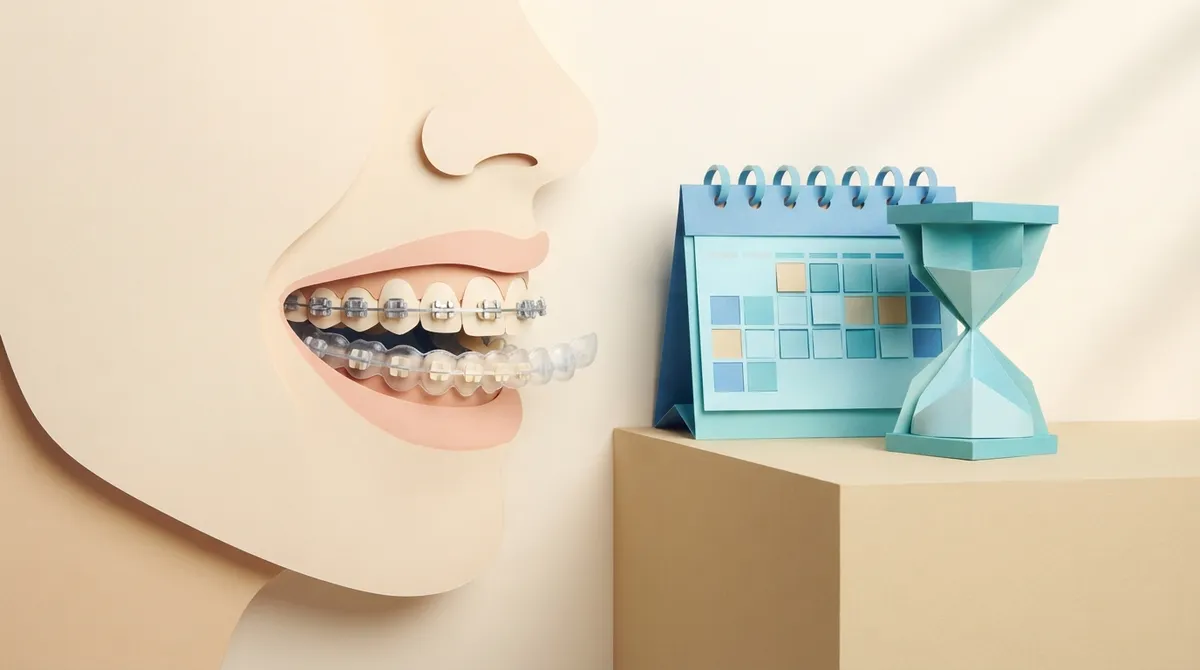
Treatment length varies: estimates of 12 to 24 months for braces are not guarantees, and missed appointments, broken brackets, or skipped aligner wear can extend the timeline.
-
Ask about cost, insurance coverage, and payment plans at the consultation, since fees and benefits differ by plan and family.
If you’re a parent in Clearwater, you’ve probably noticed it: your teen’s smile is changing fast. Maybe a few teeth are crowding together. Maybe the bite looks a little off. Or maybe your teenager just came home and said, “Mom, Dad, I think I want braces.” First of all, congratulations on raising a kid who cares about their smile!
The next question is usually the big one: what are the choices? Today’s teen orthodontic treatment options in Clearwater are better and more varied than ever. There are classic metal braces, tooth-colored ceramic braces, and nearly invisible clear aligners. Some teens may even need a helper appliance to guide jaw growth.
In this friendly guide, we’ll walk through each option in plain English. You’ll learn who it fits best, what daily life looks like, and how to choose with confidence. Whether you’re a parent planning ahead or a teen doing your own research, you’re in the right place. Let’s get started!
Why the Teen Years Are a Big Moment for Orthodontics
The teen years are often prime time for straightening teeth. By around ages 11 to 14, many kids have most of their permanent teeth. That gives an orthodontist a clear picture of how the smile is developing.
Teens are also still growing. That can be a real advantage when treating bite problems. It’s a general pattern, though, not a rule for every child. Every teen is different, and a personal evaluation is the best way to know the right timing.
The American Association of Orthodontists suggests a first check-up by age 7. That’s a screening visit, not a signal to start treatment. If your teen skipped that early visit, no worries at all. Plenty of great smiles begin in the teen years. For more on early visits, see Age 7 vs. Waiting: When Should a Child See an Orthodontist?
What Are the Main Teen Orthodontic Treatment Options in Clearwater?
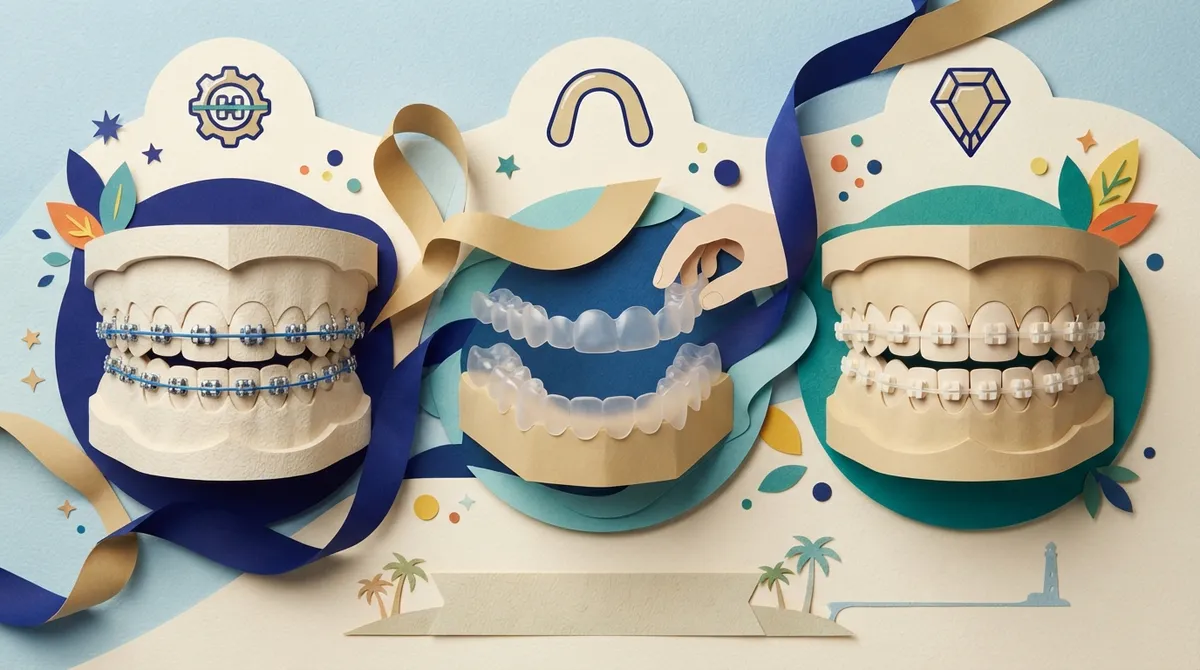
Here’s the quick version. Most Clearwater teens will be looking at one of these paths:
- Traditional metal braces: fixed brackets and wires that treat a wide range of cases.
- Ceramic (clear) braces: fixed braces with tooth-colored brackets for a subtler look.
- Clear aligners: removable, nearly invisible trays for selected cases.
- Additional appliances: expanders or growth-guiding devices used alone or with braces or aligners.
The right choice depends on your teen’s bite, tooth development, goals, oral health, and habits. Let’s look at each one.
Metal Braces: The Tried-and-True Choice
Metal braces are the classic for a reason. Small brackets are bonded to the teeth and joined by a wire. Your orthodontist adjusts the wire over time to guide teeth into place.
Because they stay on the teeth, metal braces don’t depend on your teen making daily choices about wearing them. That makes them a strong fit for busy teens who might forget a removable tray. They can also address a broad range of alignment and bite problems.
And here’s some fun news: braces aren’t just silver anymore. Teens can often pick colored bands to show off their personality. School colors, favorite holidays, you name it. Many teens end up loving this part! Curious about how they stack up? Check out Metal vs Ceramic Braces: Which Is Right for You? (2026).
Ceramic Braces: A Subtler Look
Ceramic braces work just like metal braces. The difference is the brackets. They’re tooth-colored or clear, so they blend in more with your teen’s smile.
This can be a nice middle ground for a teen who wants fixed braces but feels a little shy about metal. They stay on the teeth the whole time, so there’s no tray to keep track of.
One thing to know: they need careful cleaning around the brackets and wires. Good brushing habits matter a lot here. Learn more in 7 Ceramic Braces Clearwater Facts You’ll Love in 2026.
Clear Aligners: Discreet and Removable
Clear aligners are custom-made, see-through trays. Your teen switches to a new set every so often, and the teeth move bit by bit. Many teens love how discreet they look. Photos, sports, and school events feel a bit easier.
But aligners come with a big job. They’re often worn about 20 to 22 hours a day. Your teen takes them out to eat and brush, then puts them right back in. Your orthodontist gives the exact instructions for the plan.
Aligners can work well for selected cases, but not every bite problem is a match. An orthodontist has to decide whether aligners can handle your teen’s specific needs. At Brockway Orthodontics, we offer Spark™ Clear Aligners, a more affordable alternative to Invisalign. If you’re wondering how they fit a teen’s lifestyle, see How to Know If Invisalign Teen Fits Your Teenager.
Expanders and Other Helper Appliances
Sometimes braces or aligners aren’t the whole story. Some teens need extra help with space or jaw development. That’s where appliances like palatal expanders or functional appliances come in.
An expander gently widens the upper jaw to create room. A functional appliance can help guide how the jaws grow together. These may be used alone, or alongside braces or aligners, depending on the diagnosis.
If your teen’s orthodontist suggests one, don’t worry. It’s a common tool, and it often sets the stage for a smoother treatment later. You can read more in Palatal Expander Guide: Widen Your Smile the Right Way.
Braces vs. Aligners: A Quick Side-by-Side
Here’s a simple comparison to help you and your teen talk it through.
| Feature | Metal Braces | Ceramic Braces | Clear Aligners |
|---|---|---|---|
| Fixed or removable | Fixed | Fixed | Removable |
| How noticeable | Most visible | Less visible | Nearly invisible |
| Depends on daily wear | No | No | Yes (about 20–22 hours a day) |
| Range of cases | Broad | Broad | Selected cases |
| Cleaning | Brush around brackets and wires | Brush carefully around brackets and wires | Remove to brush; clean trays |
| Fun factor | Colored bands | Subtle look | Discreet look |
Want a deeper dive? Take a look at Braces vs. Clear Aligners: Which Clearwater Choice Wins?
How to Choose the Right Option for Your Teen
There’s no single “best” choice. There’s only the best fit for your teen. Here’s a simple way to work through it together.
- Start with a professional evaluation. An orthodontist checks alignment, bite, and jaw development. This tells you what’s even possible.
- Talk about goals. Is your teen focused on looks, comfort, or speed? Be honest about priorities.
- Be real about habits. If your teen forgets a retainer or a water bottle weekly, fixed braces may be safer. If they’re super organized, aligners might shine.
- Think about lifestyle. Sports, music, and school events can all play a part. Ask the orthodontist about each.
- Ask about timing and cost. Fees, insurance, and payment plans vary, so get a clear picture early.
A little teamwork goes a long way. Teens who help choose their treatment tend to feel more ownership. That often makes the whole journey smoother. If your teen has questions, share 12 Questions Teens Should Ask Their Orthodontist in 2026.
What Happens at a Teen Orthodontic Consultation?
The first visit is often the part families worry about most. Good news: it’s usually relaxed and friendly. A consultation typically looks at your teen’s tooth alignment, bite, and jaw development.
From there, the orthodontist talks through whether treatment is needed, when to start, and which options might fit. It’s also your time to ask anything on your mind. Nothing is too small or silly to ask!
Here are a few things worth bringing up:
- Which option fits my teen’s specific bite?
- How long might treatment take?
- What will daily care look like?
- What does the cost include, and what payment options exist?
- How often will we need appointments?
To get ready, read What Happens at a Teen Orthodontic Consultation? You might also like How to Prepare for Your Orthodontist Consultation Clearwater.
How Long Does Teen Orthodontic Treatment Take?
Everyone wants to know this one! The honest answer: it depends. Some Clearwater-area provider pages list estimates like 12 to 24 months for metal or ceramic braces. Some list shorter ranges for certain clear aligner plans, such as 6 to 18 months.
But those are estimates, not promises. Your teen’s actual timeline depends on how complex the case is, how teeth respond, and how well they follow instructions. Missed appointments, broken brackets, or skipped aligner wear can all add time.
The good news is that good habits help. Showing up on time, brushing well, and wearing elastics or aligners as directed all keep things moving. Want to see what really shapes the clock? Read 6 Things That Decide Braces Treatment Time in Clearwater (2026).
Everyday Life With Braces or Aligners
Let’s be real: the first week can feel a bit strange. Teeth may feel sore as they adjust. That’s normal, and it usually fades. Soft foods and a little patience go a long way.
After that, most teens settle into a groove. Here are some easy tips to share:
- Brush after meals. Food gets trapped around brackets fast. A travel toothbrush in the backpack is a great trick.
- Floss daily. Floss threaders or small brushes make it much easier with braces.
- Watch the food list. Skip very sticky, hard, or chewy snacks that can break brackets.
- Protect the smile in sports. Ask about a mouthguard that fits over braces.
- Keep the retainer safe. A case in the bag beats a napkin on the lunch tray every time!
Good habits protect both teeth and results. Parents can help too. See 7 Ways Parents Can Support Teen Oral Hygiene With Braces and 14 Braces-Friendly Snacks for Sports Practice (2026).
What About Cost and Insurance?
It’s smart to talk money early. Fees for braces and aligners vary based on the treatment type, the complexity, and the length of care. Insurance may help with part of the cost, but coverage differs from plan to plan, so it’s worth checking your benefits.
Many practices offer payment plans to spread the cost into manageable pieces. Always confirm the fees, coverage, and timelines during a consultation, since those details are personal to each family. For budgeting help, see How to Budget for Teen Orthodontic Treatment in 2026 and How to Use Dental Insurance to Help Pay for Braces.
Why Families Choose Brockway Orthodontics
Choosing an orthodontist is a big decision, and we get that. At Brockway Orthodontics, Dr. Brockway takes the time to listen to your teen’s concerns and dreams for their smile. You’ll always know what to expect, explained in a friendly, easy-to-follow way.
We offer metal braces, ceramic (clear) braces, and Spark™ Clear Aligners. We also use modern tools like digital impressions instead of messy molds, plus 3D imaging to plan treatment with care. In certain cases, same-day treatment may be available too, which helps busy families.
Want to learn more about the doctor behind the smiles? Read Who Is the Brockway Orthodontist in Clearwater, FL? You can also see what neighbors are saying: read Brockway Orthodontics reviews on Google. For trusted background reading, the American Dental Association and the Florida Association of Orthodontists both offer helpful oral health resources, and you can follow our community on Facebook.
Ready to Find the Right Fit for Your Teen?
The best teen orthodontic treatment options in Clearwater all share one thing: they work best when matched to your teen’s unique smile and lifestyle. Metal braces, ceramic braces, clear aligners, and helper appliances each have their place. The key is a personal evaluation and an honest chat about your goals.
You don’t have to figure it out alone. Our friendly team is here to answer questions and help your teen feel excited about the journey. Your teen’s confident smile is closer than you think!
Ready to take the first step? Book your teen’s consultation online today, or contact us with any questions. We can’t wait to meet you!
FAQs
Q: What orthodontic treatment options are available for teens in Clearwater, Florida?
A: Teens in Clearwater can often choose from traditional metal braces, tooth-colored ceramic braces, and removable clear aligners. Some teens also need extra appliances, like expanders, to help with space or jaw growth. An orthodontic evaluation will show which option fits your teen best.
Q: Are braces or clear aligners better for my teenager?
A: Neither is better for everyone! Braces are fixed in place and treat a broad range of cases, which is great if remembering a removable tray feels tough. Clear aligners are more discreet but need steady daily wear, often about 20 to 22 hours a day, and only suit selected cases.
Q: At what age should a teenager start orthodontic treatment?
A: Many teens begin full treatment around ages 11 to 14, once many permanent teeth have come in. That’s a general pattern, not a hard rule. The American Association of Orthodontists suggests a check-up by age 7 as a screening, and your orthodontist will help set the best start time for your teen.
Q: How long does teen orthodontic treatment usually take?
A: It varies from teen to teen. Some local providers estimate about 12 to 24 months for metal or ceramic braces and shorter times for certain aligner plans, but these are only estimates. Your teen’s bite, goals, and how closely they follow instructions all play a part.
Q: What happens at a teen’s first orthodontic consultation?
A: The orthodontist looks at your teen’s tooth alignment, bite, and jaw development. Then you’ll talk about whether treatment is needed, when to start, and which options might work. It’s also a great time to ask about costs, insurance, and payment plans.
Our Service Area