Key Takeaways
-
Get a crossbite evaluation by age 7, when most children have mixed baby and adult teeth, so an orthodontist can assess bite and jaw development while there is still room to act.
-
Watch for a functional jaw shift, where the lower jaw slides sideways to close; the American Academy of Pediatric Dentistry advises addressing posterior crossbites with this shift as soon as clinically possible.
-
Know the cause: a dental crossbite stems from tooth position, a skeletal crossbite from jaw width or position, and combined cases involve both, which determines whether a small appliance or expander is needed.
-
Disclose habits such as thumb sucking, pacifier use, mouth breathing, and tongue thrusting, plus any chewing trouble, jaw clicking, or snoring, since they shape jaw and tooth development.
-
Bring written questions, such as whether the crossbite is dental or skeletal and whether to treat now, monitor, or re-check later, since appointments move quickly.
-
An evaluation is not a commitment to treatment; it provides information and options, and sometimes the best plan is to observe and re-check as the child grows.
You might notice it while your child is smiling for a photo. Maybe their top teeth tuck behind the bottom ones. Maybe their jaw seems to slide to one side when they bite down. It can feel confusing, and many parents wonder if they should worry or just wait and see.
Here is the good news: a crossbite evaluation for children is a simple, friendly process. It gives you clear answers about what is going on in your child’s mouth. It does not mean treatment must start right away. It just helps you make smart choices at the right time.
Many parents make small mistakes that lead to delays or confusion. In this guide, we will walk through nine common ones. We will also explain what happens during an evaluation, what the terms mean, and how to feel confident about next steps. Whether your child is seven or sixteen, you will find helpful, honest information here.
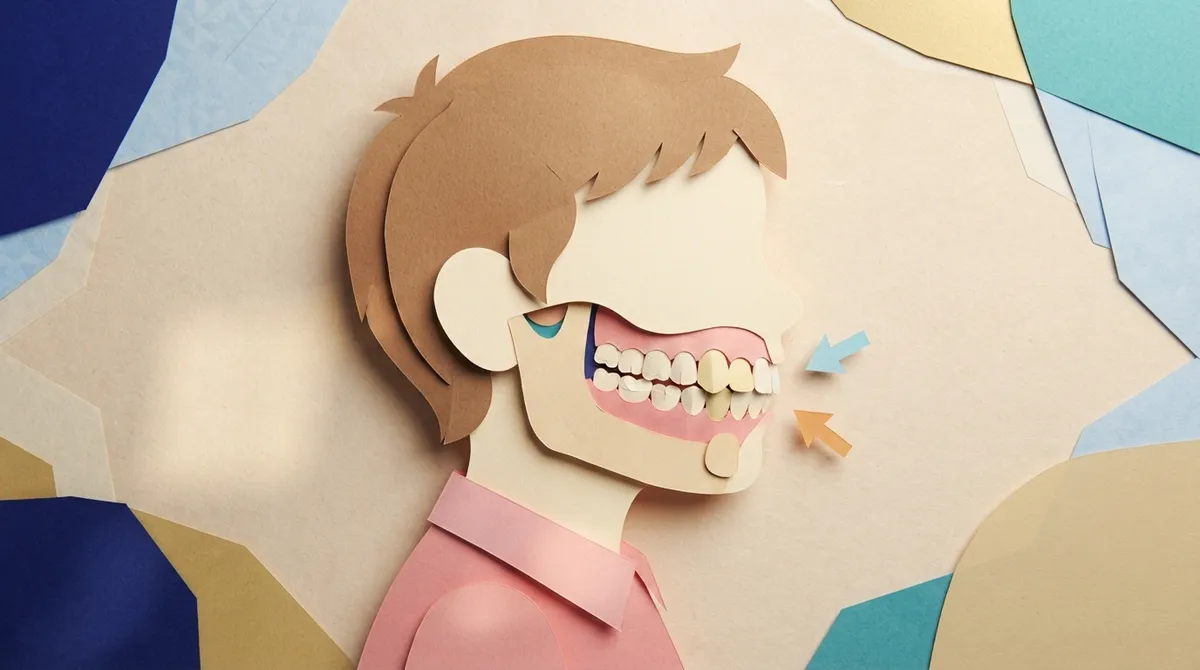
What Is a Crossbite in Children?
A crossbite happens when one or more upper teeth bite inside or behind the matching lower teeth. In a healthy bite, the upper teeth sit slightly outside the lower ones, like the lid on a box.
There are two main types:
- Anterior crossbite: This affects the front teeth. One or more upper front teeth sit behind the lower front teeth.
- Posterior crossbite: This affects the back teeth. It can happen on one side (unilateral) or both sides (bilateral).
A crossbite is not just about looks. It can change how teeth wear down, how the jaw moves, and how your child chews. That is why a proper crossbite evaluation for children matters so much.
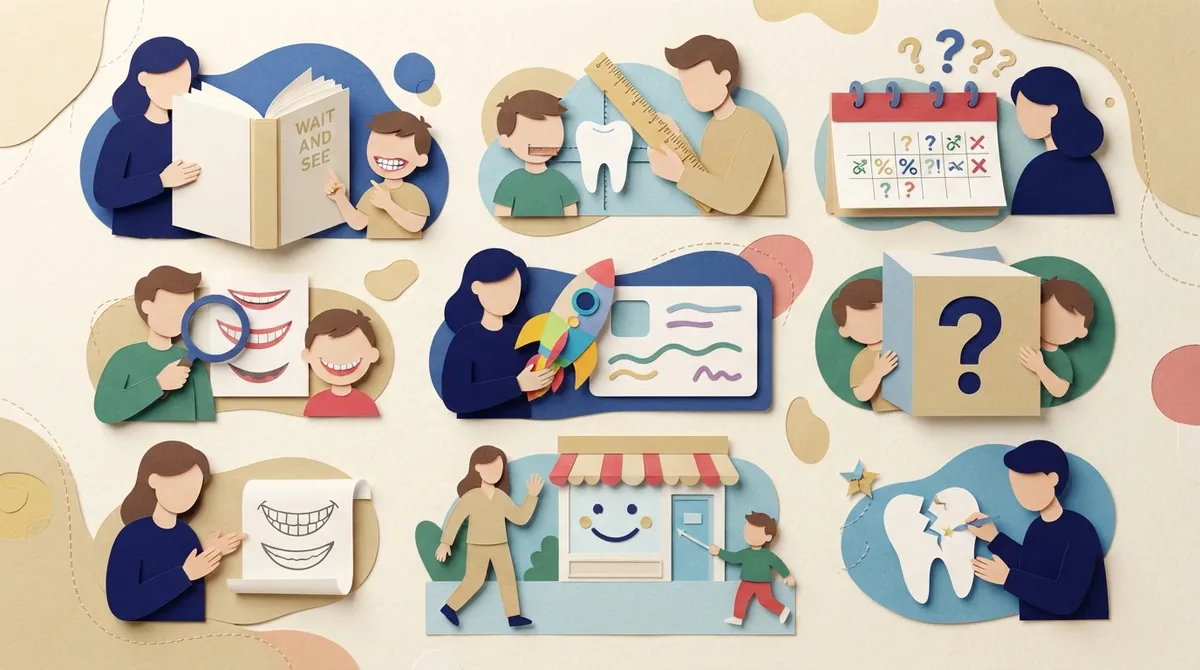
9 Crossbite Evaluation Mistakes Parents Make
1. Waiting for Teeth to “Fix Themselves”
It is tempting to hope a crossbite will correct on its own as your child grows. Sometimes a mild case may be watched over time. But you cannot know that without an exam. Guessing can mean missing the best window to act while your child is still growing.
An evaluation tells you whether to monitor, treat now, or check again later. Even “wait and see” is a plan, and it works best when a professional makes it.
2. Skipping the Age 7 Check-Up
The American Association of Orthodontists recommends an orthodontic check-up by age 7. This is an evaluation milestone, not a promise that treatment will begin at that age.
By seven, most children have a mix of baby and adult teeth. That is a great time for an orthodontist to see how the bite and jaws are developing. If you are unsure about timing, our guide on age 7 vs. waiting explains why early visits are so helpful.
3. Assuming All Crossbites Are the Same
Not every crossbite has the same cause. An evaluation looks at three possibilities:
- Dental crossbite: One or more teeth are simply in the wrong position.
- Skeletal crossbite: The upper and lower jaws differ in width or position.
- Combined crossbite: Both tooth position and jaw differences play a role.
The cause shapes the plan. A single tilted tooth may need a small appliance. A narrow upper jaw may call for expansion. That is why a careful exam matters more than a quick guess.
4. Ignoring a Jaw That Shifts to One Side
This one is easy to miss. Some children slide their lower jaw sideways to find a comfortable bite. Their teeth may look fine until the very last moment of closing.
This is called a functional shift. The American Academy of Pediatric Dentistry advises addressing a posterior crossbite with a functional jaw shift as soon as it is clinically possible after diagnosis. Your orthodontist will watch how your child closes from open to closed, not just how the teeth look at rest.
5. Treating the Appointment Like a Sales Pitch
Some families avoid evaluations because they worry they will be pushed into treatment. A good evaluation is about information, not pressure. It is a time to learn, ask questions, and understand options.
You can read more about this in why early evaluation isn’t treatment. The goal is to give you a clear picture so you can decide what feels right for your family.
6. Forgetting to Mention Habits
Thumb sucking, pacifier use, mouth breathing, and tongue thrusting can all shape how a child’s jaws and teeth develop. If you leave these out, the orthodontist may miss part of the story.
Be open about habits, even ones that seem small. Your child may feel shy, so a gentle, no-judgment chat helps. Also mention any trouble chewing, jaw clicking, or snoring. These details help build a full picture.
7. Not Preparing Questions Ahead of Time
Appointments move fast, and it is easy to forget your questions once you are in the chair. Write them down before you go. You might ask:
- Is this a dental or skeletal crossbite?
- Is my child’s jaw shifting when they bite?
- Do you recommend treatment now, monitoring, or a later re-check?
- What are the options, and how long might each take?
Our article on how to ask the right questions about early treatment offers even more ideas.
8. Overlooking the Role of Space
Sometimes a front tooth sits in crossbite because there is not enough room for it to come in properly. A simple anterior crossbite may be corrected when found if there is enough space. If space is tight, the orthodontist may need to create room first.
This is one reason a full evaluation is helpful. It looks at tooth size, eruption, and crowding together. To learn more, see what causes crowding in children’s developing teeth.
9. Thinking Evaluation Equals Treatment
An evaluation does not mean your child needs braces or an expander. It simply shows what is happening and what the best timing might be. Treatment is always individualized, and sometimes the best answer is to watch and re-check.
If you want to see how treatment may look when it is needed, read what crossbite treatment is and whether you really need it.
What Happens During a Crossbite Evaluation for Children
A good evaluation is calm, kid-friendly, and thorough. Here is what usually happens:
- Review of health and dental history. The orthodontist asks about your child’s growth, past dental care, and any concerns you have.
- Look at the face and jaw. They check for symmetry and how the jaw moves when your child opens and closes.
- Check the teeth and bite. They see which teeth are involved and how the bite fits together in several positions.
- Watch for a jaw shift. They note whether the lower jaw slides sideways when your child bites down.
- Take records if needed. This may include photographs, digital scans or models, and appropriate X-rays.
- Talk through the findings. You hear what was found, what it means, and what options exist.
Modern tools can make this easier. Digital scans are comfortable for kids and give precise images. You can learn more in our post on intraoral scanning for orthodontics.
Dental vs. Skeletal Crossbite: A Quick Comparison
| Feature | Dental Crossbite | Skeletal Crossbite |
|---|---|---|
| Main cause | Tooth position | Jaw width or position difference |
| What is involved | One or a few teeth | Upper and lower jaw relationship |
| Possible approach | Tooth-moving appliances | Expansion appliance may be considered |
| Role of growth | Less dependent on growth | Timing often tied to growth |
Remember, some children have a mix of both. Your orthodontist will sort this out during the exam.
What Treatment Options May Be Discussed?
Treatment depends on the cause and how severe the crossbite is. Options may include:
- Observation: Watching how the bite develops over time.
- Tooth-moving appliances: Used to shift one or more teeth into place.
- Expansion appliances: A palatal expander may be considered when there is a skeletal component.
Appliance choice and timing depend on growth, how much movement is needed, available space, and your child’s ability to cooperate. If expansion comes up, our palatal expander guide explains how it works in simple terms.
Goals of correction can include better alignment, better bite and function, less abnormal tooth wear, and fixing a functional shift. Again, evaluation alone does not mean treatment is needed. It just gives you the facts.
Why Timing Matters
Children grow quickly, and growth can be an ally. Some issues respond well while a child is still developing. That is one reason early check-ups are so valuable. For a broader look, see phase one vs. phase two orthodontics.
Skipping early visits can sometimes narrow your options later. If you want to avoid that, take a look at mistakes parents make skipping early orthodontic treatment. And if your child is older, do not worry. Many bite issues can still be managed in the teen years.
How to Prepare Your Child for the Visit
A little preparation helps your child feel at ease. Try these simple tips:
- Explain that the orthodontist will count and look at teeth, nothing scary.
- Bring a list of questions and any dental records.
- Note any habits like thumb sucking or mouth breathing.
- Tell your child the visit is just for learning, not for getting braces that day.
Want to know what a first visit feels like? Our guide on your child’s first orthodontic visit walks you through it.
Why Families Choose Brockway Orthodontics
At Brockway Orthodontics, we love working with families. Dr. Brockway takes time to listen, explain, and make sure you and your child feel comfortable. We use modern tools like digital impressions and 3D imaging, so visits are easy and precise. If you would like to hear from other families, you can read what our Brockway Orthodontics patients say on Google.
We are proud to serve families in Clearwater and the surrounding area. For more background on our approach, you can learn who the Brockway orthodontist is and what makes our care personal. For general guidance on dental health, the American Dental Association is a trusted resource, and the Florida Association of Orthodontists can help you learn more about orthodontic care in our state.
Final Thoughts
A crossbite can sound scary, but a clear evaluation turns worry into a plan. By avoiding these nine mistakes, you give your child the best chance for a healthy, comfortable bite. Remember, an evaluation is about learning, not committing. You stay in control every step of the way.
If you have noticed a tucked-in tooth or a sideways jaw shift, now is a great time to get answers. Book a consultation online and let our friendly team take a careful look. You can also contact us with any questions. We would love to help your child smile with confidence.
FAQs
Q: What is a crossbite in a child, and how can I recognize one?
A: A crossbite happens when one or more upper teeth bite inside or behind the lower teeth. You might see a front tooth tucked behind the bottom teeth, or notice your child’s jaw sliding to one side when they bite down. An orthodontist can confirm what is really going on.
Q: At what age should a child be evaluated for a crossbite?
A: The American Association of Orthodontists recommends an orthodontic check-up by age 7. This is just a milestone for evaluation, not a promise that treatment will start. If you spot a crossbite earlier, it is fine to ask a professional sooner.
Q: Does every childhood crossbite need treatment?
A: Not always. Treatment depends on the cause, how severe it is, and whether the jaw shifts when your child bites. Sometimes the best plan is simply to monitor and re-check as your child grows.
Q: What is the difference between a dental and skeletal crossbite?
A: A dental crossbite comes from tooth position, while a skeletal crossbite comes from a difference in jaw width or position. Some children have a mix of both. Knowing which type it is helps the orthodontist choose the right approach, such as a tooth-moving appliance or an expander.
Q: Can a child’s crossbite correct itself?
A: Some mild cases may be watched over time, but you cannot tell without an exam. A crossbite with a jaw shift, in particular, is usually best looked at sooner rather than later. A quick evaluation gives you clear answers and peace of mind.
Our Service Area