Key Takeaways
-
Get an orthodontic evaluation by age 7, or sooner if you or your dentist notice a concern; this first visit is an assessment and does not mean braces start right away.
-
Identify which stage your child is in (observation, active treatment, or retention), since each stage follows a different visit rhythm.
-
During observation, visits often happen once or twice a year, and they help the orthodontist time the start of treatment well.
-
Treat orthodontic visits and regular dental cleanings as separate schedules; cleanings are based on individual risk, and six months is only the most common interval.
-
Do not skip visits just because nothing hurts, since missed appointments can slow progress and extend treatment time.
-
Ask your orthodontist about retainer wear and review visits before braces come off, because teeth can drift back without retention.
Parents are great at juggling calendars. Soccer practice, school pickup, birthday parties, and now orthodontic visits? It can feel like a lot. The good news is that planning a child’s orthodontic follow-up schedule gets much easier once you know what each stage looks like.
Here is the friendly truth: there is no single schedule that fits every child. One child may only need a quick check once or twice a year. Another may need regular visits during active treatment. A third may be in the retention stage, where the focus is keeping a new smile steady.
This guide walks you through 11 simple tips to help you plan with confidence in 2026. You will learn when to start, what to expect at each stage, and how to keep dental visits and orthodontic visits working together. Always confirm exact timing with your child’s treating orthodontist, because they know your child’s teeth best.

1. Start With an Evaluation by Age 7
The American Association of Orthodontists (AAO) recommends a first orthodontic check-up by age 7, or sooner if you or your dentist notice a concern. This visit is an evaluation. It does not mean your child will start braces right away.
At around age 7, many children have a mix of baby teeth and permanent teeth. That mix gives the orthodontist a helpful window. They can look at tooth eruption, the bite, and jaw development. Then they can tell you whether treatment should start now, later, or not at all.
If you are curious about the reasoning, our article on age 7 versus waiting for a child’s first orthodontic visit explains it in plain language.
2. Know the Three Stages of Follow-Up
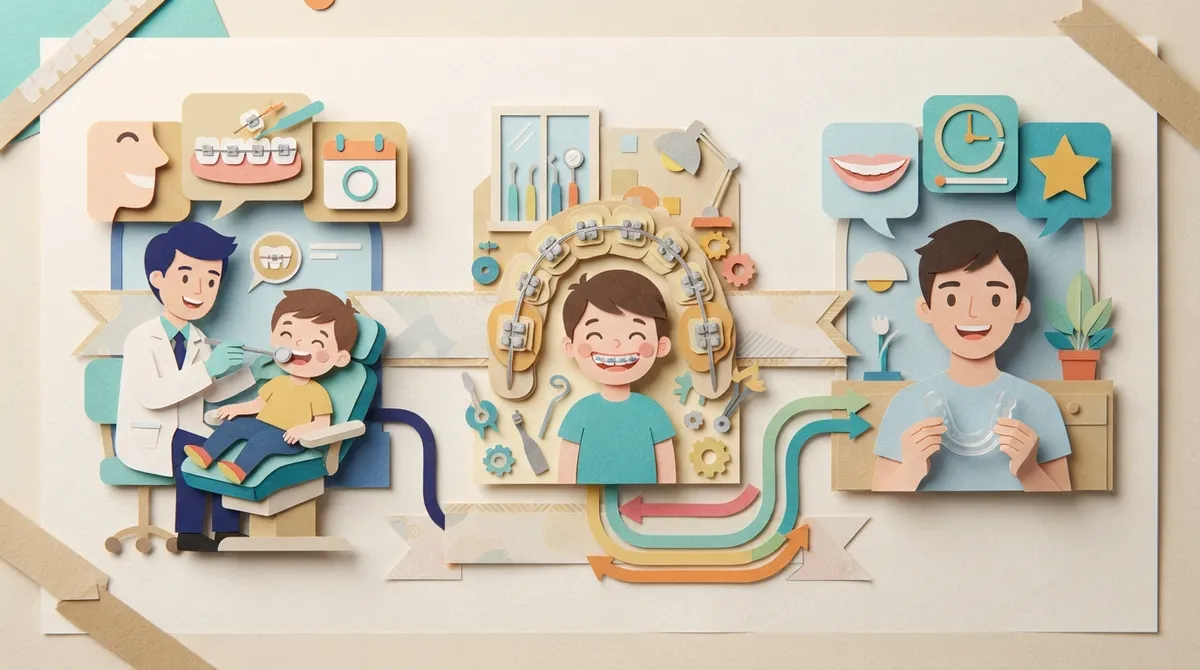
Most children move through some mix of three stages. Knowing which one your child is in makes planning simple.
- Observation: The orthodontist watches growth and tooth eruption without treating yet.
- Active treatment: Braces, aligners, or other appliances are doing the work.
- Retention: Retainers help hold the new tooth positions in place.
Each stage has its own rhythm. Think of it like a garden. First you watch the seedlings, then you tend them, then you protect what has grown.
3. Expect Observation Visits If Treatment Is Not Needed Yet
Sometimes the orthodontist says, “Let’s wait and watch.” That is good news, not a brush-off. According to AAO information, these observation visits often happen once or twice a year. The orthodontist tailors the timing to your child’s growth and findings.
During an observation visit, the orthodontist may check:
- How new permanent teeth are coming in
- How the upper and lower teeth fit together
- Whether the jaws are growing in a balanced way
- Any habits, such as thumb sucking, that may affect the bite
These visits are usually quick. They also help you catch the best moment to start treatment. For more on what causes early crowding, see what causes crowding in children’s developing teeth.
4. Do Not Assume Every Child Needs Early Treatment
Some kids benefit from early, interceptive treatment while they are still growing. Others do best when treatment starts later, often after more permanent teeth have come in. AAO patient information says treatment most often begins between ages 9 and 14, although some problems may call for an earlier start.
The point of an early evaluation is to find the right timing. It is not a promise that braces are coming next month. If you want to ask smart questions at that first visit, our guide on how to ask the right questions about early treatment can help.
5. Learn How Active Treatment Visits Work
Once your child has braces or another appliance, the visit schedule is set by the orthodontist. The research we reviewed does not point to one universal interval for every child. The right timing depends on the type of appliance, the stage of treatment, and what your child’s teeth need.
That is why the best advice is simple: follow your child’s treating orthodontist, not a chart you found online. If your friend’s child goes in every few weeks and yours goes in less often, that can be perfectly normal.
Want a peek at what usually happens at these visits? Read 15 things to know about how often braces are adjusted.
6. Compare Typical Visit Rhythms by Stage
This quick table shows how follow-up planning tends to differ by stage. Remember, it is a general guide. Your orthodontist sets the actual dates.
| Stage | What Happens | Visit Timing |
|---|---|---|
| First evaluation | Check teeth, bite, and jaw growth | By age 7, or sooner if there is a concern |
| Observation | Monitor growth without treating | Often once or twice a year, set by the orthodontist |
| Active treatment | Braces, aligners, or appliances at work | Individualized; depends on appliance and treatment stage |
| Retention | Retainer wear and review visits | Individualized; depends on treatment and growth |
7. Keep Dental Check-Ups on Their Own Schedule
Here is where many parents get tangled up. Orthodontic visits and regular dental visits are two different things. Your child needs both.
The American Academy of Pediatric Dentistry (AAPD) says exam and cleaning intervals should be based on each child’s individual needs and risk. Six months is the most common interval, but some children need visits more often and some less often.
Braces make it harder to brush well, so a child with braces may benefit from close dental attention. Ask your dentist what is right for your child. If you want to see how the two kinds of visits differ, check out dentist versus orthodontist visits and who cleans teeth with braces.
8. Build a Simple Family Calendar System
A good system keeps you calm. Try this easy routine:
- Book the next orthodontic visit before you leave the office.
- Add it to a shared family calendar with a reminder one week ahead.
- Put dental cleanings on the same calendar in a different color.
- Note school breaks, exams, and sports seasons so you can plan around them.
- Keep a short list of questions in your phone to bring to each visit.
Small habits like these make follow-up feel like part of normal life instead of a chore. If your family often struggles to find openings, you may like our tips on scheduling orthodontist visits in 2026.
9. Do Not Skip Visits When Things Feel Fine
It is tempting to skip an appointment when your child says nothing hurts. But a quiet mouth does not always mean everything is on track. Missed visits can slow progress and may extend treatment time.
If life gets in the way, call the office and rebook as soon as you can. For a closer look, see how missed braces appointments affect your treatment. And if something breaks or hurts a lot between visits, it may be time for an emergency orthodontist appointment rather than waiting for the next scheduled one.
10. Plan for Retention Follow-Up After Braces
Finishing braces is a big celebration. But it is not the finish line. Retention is part of the follow-up plan, because teeth can drift back toward old positions if they are not held in place.
Your orthodontist should explain how long and how often your child needs to wear a retainer. They should also tell you when review visits will happen. The right plan depends on your child’s treatment and growth, so please do not assume a single universal schedule.
These resources can help your family get ready:
- Why retainer schedules differ between patients
- How to care for your dental retainer the right way
- How long you need to wear retainers after braces
11. Choose an Orthodontic Team That Plans With You
The best schedule is one built together. A friendly team will explain each stage, tell you what comes next, and help you find appointment times that fit your family.
At Brockway Orthodontics in Clearwater, Florida, Dr. Brockway takes time to listen to your concerns and explain your child’s plan in simple terms. The practice offers metal braces, ceramic (clear) braces, and Spark™ Clear Aligners, plus modern tools like digital impressions and 3D imaging. In certain cases, same-day treatment can help busy families start without extra trips. Want to see what other families say? You can visit us on Google — Brockway Orthodontics and read reviews from our Clearwater community.
If you are weighing your options, you might also enjoy our guide to when your child should first see an orthodontist.
A Quick Planning Checklist for Parents
Keep this short list handy as you plan:
- Book a first evaluation by age 7, or sooner if you notice a concern.
- Ask the orthodontist which stage your child is in right now.
- Write down the next visit date before you leave.
- Keep routine dental cleanings on a separate, risk-based schedule.
- Ask about retainer wear and review visits before braces come off.
You can learn more about general oral health from the American Dental Association, and you can find statewide professional information through the Florida Association of Orthodontists. You can also follow our family-friendly tips on Instagram.
Final Thoughts
Planning a child’s orthodontic follow-up schedule does not have to feel stressful. Start with an evaluation by age 7, learn which stage your child is in, and follow the timing your orthodontist sets. Keep dental check-ups on their own schedule, and do not forget retention once braces come off.
Most of all, remember that every child is different. A little planning now means fewer surprises later and a smile your child can be proud of.
Ready to take the first step? Book your appointment online and let Dr. Brockway and our Clearwater team help you build a follow-up plan that fits your family. Have questions first? Just contact us, and we will be happy to help.
FAQs
Q: When should my child have their first orthodontic check-up?
A: The American Association of Orthodontists recommends a first check-up by age 7, or sooner if you or your dentist notice a concern. Think of it as a friendly look at how your child’s teeth, bite, and jaws are growing. It does not mean braces are starting right away.
Q: How often should a child see an orthodontist if treatment has not started?
A: If the orthodontist suggests watching and waiting, observation visits are often scheduled once or twice a year. The exact timing is tailored to your child’s growth and findings, so your orthodontist will set the plan that fits.
Q: Does an orthodontic check-up at age 7 mean my child needs braces?
A: Not at all! An early check-up is an evaluation, not a treatment plan. The orthodontist will tell you whether your child needs treatment now, later, or not at all.
Q: How often are orthodontic appointments needed for children with braces?
A: There is no one-size-fits-all answer. Visit timing depends on the appliance, the stage of treatment, and your child’s needs, so follow the schedule your treating orthodontist gives you.
Q: How often should my child have routine dental check-ups while wearing braces?
A: Dental exams and cleanings are based on each child’s individual needs and risk. Six months is common, but some children need visits more or less often, so ask your dentist what is best for your child.
Our Service Area