Key Takeaways
-
Many Spark aligner cases take about 12 to 18 months, but simple cases can finish sooner and complex bite problems can take longer than 18 months.
-
Wearing your Spark aligners about 22 hours a day is the factor you control most, and missed wear can delay your timeline and force schedule changes.
-
Each aligner is typically worn 1 to 2 weeks before switching, so the total number of stages (Spark 10, 20, or 35) largely determines the length of the first series.
-
Refinements, which are extra fine-tuning aligners, can add time beyond the first estimate, so ask your orthodontist about them upfront.
-
Retainers are needed after treatment ends, since teeth can drift back toward their original positions without them.
-
Only an in-person exam, digital scans, and a treatment plan from an orthodontist can give you a reliable personal timeline; online estimates are only a starting point.
You have decided that clear aligners sound like a great fit. Now comes the big question: how long does Spark aligner treatment take? It is the first thing most parents, teens, and busy adults ask us, and it is a smart question to ask before you start.
The short answer is that many Spark cases take about 12 to 18 months. Some finish sooner, and some take longer. Your own timeline depends on your teeth, your bite, and how well you follow the plan. Think of it like planning a road trip. The map gives you a good estimate, but traffic, stops, and the route you pick all change the real arrival time.
In this guide, we break down what drives Spark treatment time, what a typical schedule looks like, and what you can do to stay on track. We also share how a Clearwater orthodontist builds a personal estimate for you. Let’s dive in!

The Short Answer: A Typical Spark Aligner Timeline
A practical rule of thumb is 12 to 18 months for many Spark aligner cases. Spark’s own educational material says many aligner cases can be completed in 12 months or less. It also says more complicated cases may take longer. These are broad estimates, not promises.
Here is a simple way to picture it:
- Mild cases: Small gaps or slight crowding may finish in under a year.
- Moderate cases: Many patients land in the 12 to 18 month range.
- Complex cases: Bigger bite problems or major crowding may take longer than 18 months.
There is no single guaranteed length for everyone. That is why a personal estimate from your orthodontist matters so much. Only an exam, scans, and a treatment plan can tell you what your own smile needs.
How Do Spark Aligners Work Day to Day?
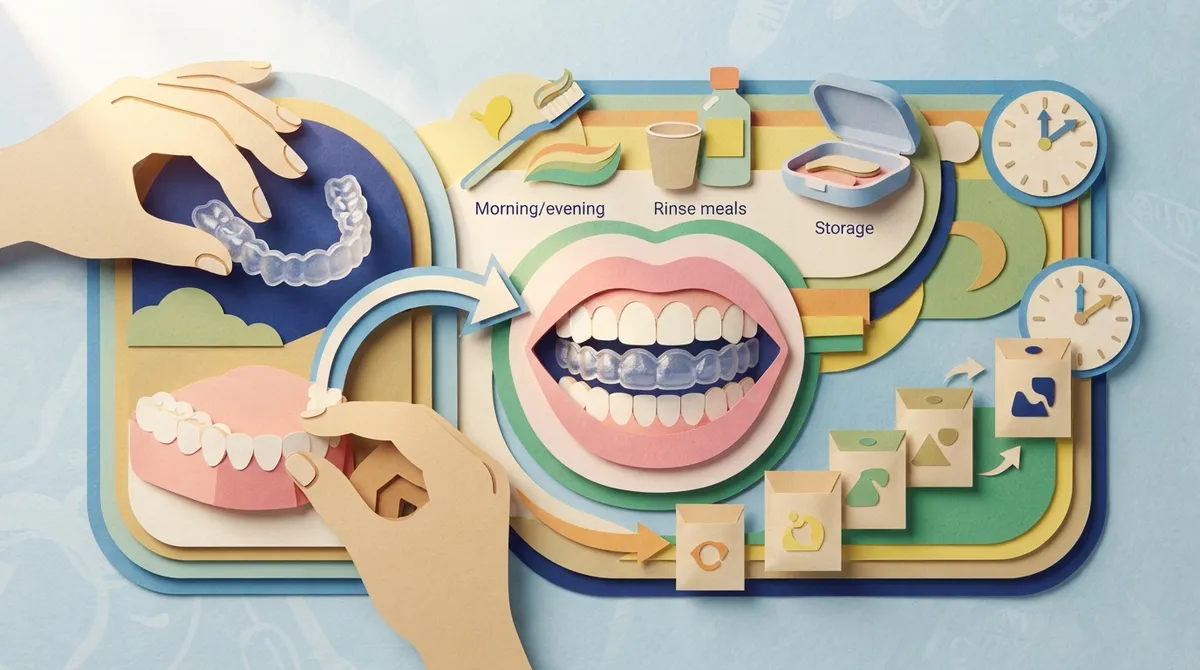
Spark aligners are clear, custom-made trays. Each tray moves your teeth a tiny bit. You wear a tray for a set time, then switch to the next one in the series. Step by step, your teeth shift into their planned spots.
Two simple rules shape your timeline:
- Wear time: Spark guidance is to wear aligners about 22 hours a day. You take them out to eat, drink anything besides water, and brush.
- Switch schedule: Each aligner is typically worn for 1 to 2 weeks before you move to the next one, as your orthodontist directs.
If you want a deeper look at the process, our guide on 12 steps that show how Spark clear aligners work walks through it. You can also read What Are Spark Clear Aligners? A 2026 Guide for Families if you are brand new to the topic.
How Many Aligners Will You Need?
Spark offers different treatment options based on the number of aligner stages. Each stage is listed with a wear time of 1 to 2 weeks. That lets us do some simple math to estimate the first round of aligners.
| Spark Option | Stages | Approximate Initial Series |
|---|---|---|
| Spark 10 | Up to 10 | About 10 to 20 weeks |
| Spark 20 | Up to 20 | About 20 to 40 weeks |
| Spark 35 | Up to 35 | About 35 to 70 weeks |
These ranges come from multiplying the number of stages by the 1 to 2 week wear time. They cover only the first set of aligners. They do not include refinements, check-ups, or retention.
Here is a helpful reality check. A small 2025 pilot study compared digital treatment setups for 10 patients. It reported a mean of 23.7 planned Spark aligners. That was a small study of digital plans, not a measure of real treatment length, so please do not treat it as a typical timeline. It simply shows that many plans use a good number of trays.
What Affects How Long Spark Treatment Takes?
Every smile is different, so every timeline is different. Several things can make your treatment shorter or longer.
The Type of Problem Being Treated
Minor spacing usually moves faster than heavy crowding. Bite problems like overbites, underbites, or crossbites often need more time. If you are curious about bite issues, our article on 9 bite problems clear aligners may fix in 2026 is a nice next read.
How Far Your Teeth Need to Travel
Teeth can only move so fast and stay healthy. A tooth that has a long way to go needs more stages than one that only needs a nudge. Slow, steady movement protects your teeth, gums, and bone.
How Consistently You Wear Your Aligners
This is the one factor you control the most. When you wear your trays about 22 hours a day, your teeth follow the plan. When trays stay in the case, your teeth fall behind. Missed wear can mean your orthodontist has to adjust the schedule. Our article on why aligner wear time affects treatment progress in 2026 explains this in more detail.
How Your Teeth Respond
Every mouth reacts a little differently. Some teeth shift right on schedule. Others need extra time to catch up. If a tray does not fit the way it was planned, your orthodontist may change the schedule or the plan.
Do Spark Aligners Need Refinements?
Sometimes, yes. A refinement is a small extra set of aligners made after your first series. It fine-tunes the final result. Think of it as the last polish on a nicely painted wall.
Refinements can add time to your overall timeline. The number of refinements available depends on your Spark treatment option and your provider’s plan. Your first estimate may not include them, so it is smart to ask about this up front. Our article on refinement aligners vs. the original set explains why extra trays happen and why they are normal.
Can Spark Aligners Straighten Teeth in Six Months?
For a very small, simple case, a few months might be possible. But six months is not the norm for most people. Most patients need a longer window to get a stable, healthy result.
Be careful with any promise of super-fast results. Moving teeth too quickly can stress the roots and the bone around them. A good orthodontist plans for speed that is safe, not just speed. If you want to learn more about the limits of quick fixes, read how fast orthodontic treatment can really work.
A Sample Spark Treatment Journey
Every plan is personal, but most journeys follow a similar path. Here is what it often looks like.
- Consultation and exam: Your orthodontist looks at your teeth and bite and listens to your goals.
- Digital scans and planning: Modern scans replace messy molds. They help map out each step of tooth movement.
- Receiving your aligners: You get your first trays and learn how to wear and care for them.
- Active treatment: You switch trays every 1 to 2 weeks and attend check-ups as directed.
- Refinements if needed: A few extra trays may fine-tune your smile.
- Retention: Retainers help keep your new smile in place.
Want to see how scanning fits in? Our article on intraoral scanning for orthodontics shows why digital scans make planning more precise.
What Happens After Spark Treatment Ends?
Here is something many people forget. When the last aligner is done, you are not quite finished. Your teeth want to drift back toward their old spots. Retainers hold them in place.
The first estimate for your aligner series often does not include retention. So plan on wearing retainers after treatment, and ask your orthodontist how long. We cover your options in 9 retainer options after Spark aligners. It is also worth reading why you still need retainers after clear aligners, since the same idea applies here.
How Spark Timelines Fit Different People
Different readers ask this question for different reasons. Here is how the timeline can feel in real life.
For Parents of Kids and Teens
Parents often worry about school schedules, sports, and photos. The good news is that aligners come out for games and big events. The tradeoff is that trays only work when they are worn. A teen who forgets trays will see a longer timeline. Small habits, like a daily reminder, make a big difference.
For Teens and Young Adults
Maybe you have prom, graduation, or a trip coming up. Tell your orthodontist about your date. We can talk honestly about what is realistic and what is not.
For Busy Adult Professionals
Work lunches, meetings, and travel can make wear time tricky. Plan to keep your case in your bag and brush before putting trays back in. A steady routine keeps your treatment moving. Our guide on fitting clear aligners into a busy adult schedule offers practical tips.
For Patients With Relapse
If you had braces years ago and your teeth have shifted, a retreatment plan is often shorter than a first round. Teeth that moved back are often easier to guide again. An exam will show how much movement is needed.
7 Ways to Keep Your Spark Treatment on Track
You cannot change your biology, but you can help your timeline. Try these habits.
- Wear your aligners about 22 hours a day, every day.
- Always put them back in right after meals and brushing.
- Change trays on the schedule your orthodontist gives you.
- Keep a travel case handy so trays never end up in a napkin.
- Attend every check-up, even when things feel fine.
- Call your office quickly if a tray cracks, gets lost, or does not fit.
- Follow your retainer plan once treatment ends.
Small steps add up fast. If you are not sure whether to change trays early, read how to ask before changing aligner trays early first. Skipping ahead on your own can backfire.
Spark Aligners vs. Braces: Which Is Faster?
Many people ask if aligners or braces finish first. The honest answer is that it depends on the case. Both can treat many of the same problems, and timelines can overlap. Some bite problems respond better to braces, while others suit aligners well.
If you are weighing your options, compare them side by side. Our guides on which works faster in 2026 and how to choose between Spark aligners versus braces can help. Brockway Orthodontics offers Spark clear aligners, metal braces, and ceramic braces, so we can match the tool to your smile instead of forcing one option on everyone.
Why Your Orthodontist’s Estimate Matters Most
Online timelines are helpful, but they are only a starting point. The most reliable answer comes from an orthodontist who has looked at your teeth, your bite, and your goals. Spark treatment is prescribed and supervised by trained orthodontists for exactly this reason.
At Brockway Orthodontics in Clearwater, Florida, Dr. Brockway takes time to listen to your concerns and your dreams for your smile. We use modern tools like digital impressions and 3D imaging to plan your care with care and precision. Then we explain your timeline in plain language so you know what to expect. You can read more about the practice in Spark aligners in Clearwater: what to know before you start.
If you are curious about how time affects the cost side, take a look at how treatment length affects orthodontic costs in 2026. You can also see how patients feel about us by reading Brockway Orthodontics reviews on Google through this link: Visit us on Google — Brockway Orthodontics.
For general guidance on oral health and treatment standards, the American Dental Association and the Florida Association of Orthodontists are trusted resources. They are good places to learn more about choosing a qualified provider.
Ready to Find Out Your Own Spark Timeline?
So, how long does Spark aligner treatment take? For many people, about 12 to 18 months. Simple cases may be faster, and complex ones may take longer. Your wear habits, your teeth, and your treatment plan all play a part.
The best way to get a real answer is to sit down with an orthodontist. Come with your questions, your goals, and any dates you have in mind. We will give you an honest, personal estimate with no pressure. Ready to take the first step? Book your appointment online or contact us and our friendly Brockway Orthodontics team will help you start your smile journey in Clearwater.
FAQs
Q: How long does Spark aligner treatment take on average?
A: Many Spark cases take about 12 to 18 months. Simple cases may finish in under a year, while complex ones can take longer. Your orthodontist can give you a personal estimate after an exam.
Q: How many hours a day should I wear Spark aligners?
A: Spark guidance is to wear your aligners about 22 hours a day. You only take them out to eat, drink anything but water, and brush. Always follow the specific instructions your orthodontist gives you.
Q: How often do I change my Spark aligners?
A: Most patients switch to a new aligner every 1 to 2 weeks, as their orthodontist directs. The schedule and the total number of trays both affect how long your treatment lasts.
Q: Do Spark aligners need refinements, and how much time do they add?
A: Some patients need a few extra aligners, called refinements, to fine-tune the final result. They can add time to your overall timeline. How many are available depends on your treatment option and your provider’s plan.
Q: What happens after Spark aligner treatment is finished?
A: After your last aligner, you will wear retainers to keep your teeth in their new spots. Without them, teeth can drift back over time. Your orthodontist will explain which retainer fits you and how long to wear it.
Our Service Area