Key Takeaways
-
Braces elastics are prescribed individually, so ask your orthodontist for the exact size, strength, attachment points, and daily wear hours, and request the schedule in writing if helpful.
-
Never double up, switch to stronger elastics, or wear them longer than prescribed, since excess force can harm teeth or jaws and may even slow tooth movement.
-
Ask how often to change elastics and how many spares to take home, then keep spares in your backpack, car, and desk so you're never without them.
-
If an elastic breaks, replace it with a fresh one from your supply and avoid improvised substitutes like hair ties; call the office if you run out or are unsure how to hook them.
-
Mild soreness is normal when starting elastics, but persistent, worsening, or unusual pain should prompt a call to your orthodontist rather than changing your wear plan yourself.
-
Tell your orthodontist about any latex allergy before starting, since latex-free alternatives are usually available.
Rubber bands on braces are a little like a gym routine for your bite. They look tiny, but they do real work. If you’ve just heard the words “you’ll need elastics,” you probably have a head full of questions. That’s completely normal, and we love when patients ask them!
Here’s the thing: the questions to ask about braces elastics can make a big difference in how smoothly your treatment goes. Some people ask early and feel confident from day one. Others guess, copy a friend’s routine, or skip the questions until a problem pops up. One path saves time and stress. The other can slow your progress.
In this friendly guide, we’ll compare the two approaches side by side. You’ll learn what braces elastics do, which questions are worth asking, and what to do when things go sideways. Whether you’re a parent helping a child, a teen heading toward a big milestone, or an adult juggling a busy job, you’ll find simple answers here. At Brockway Orthodontics, we believe an informed patient is a confident patient.
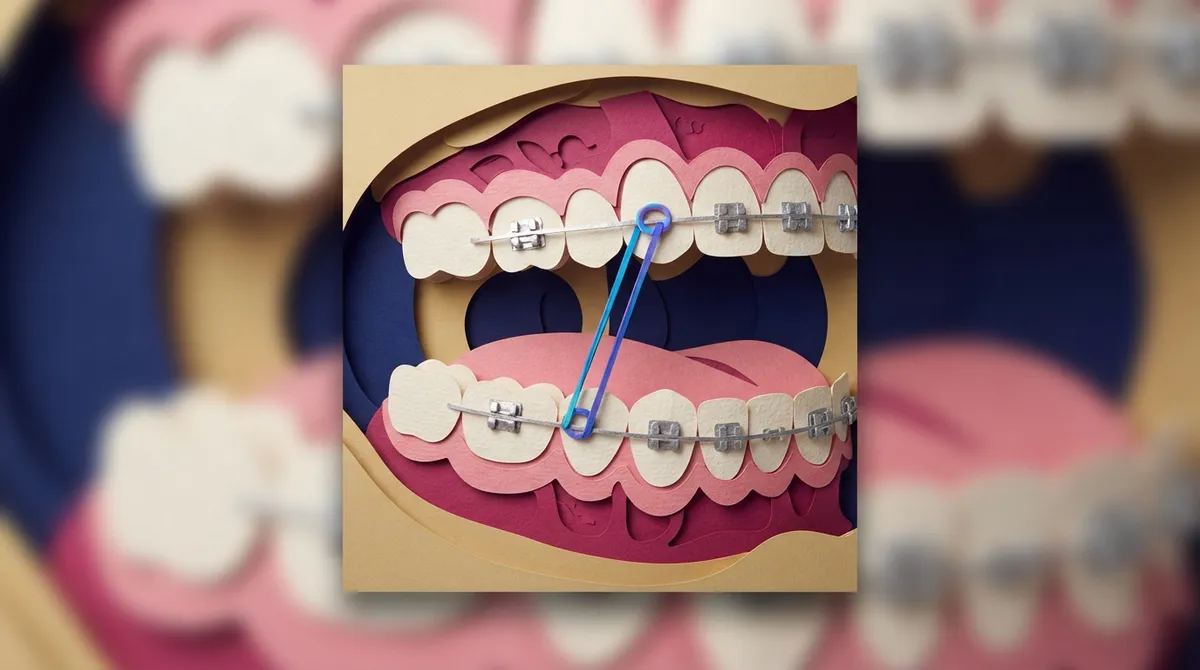
What Are Braces Elastics, and Why Do They Matter?
Braces elastics are small rubber bands. Many people call them orthodontic elastics, interarch elastics, or simply “rubber bands.” They hook onto designated points on your braces, often connecting the upper teeth to the lower teeth.
Why bother? Braces are great at moving teeth into line. But they sometimes need extra help with the bite, meaning how your upper and lower teeth meet. Elastics add gentle, carefully directed force to help close that gap. They are often part of fixing an overbite, an underbite, or a crossbite. If you’re curious about how this works, our guide on how braces fix a deep overbite explains the bigger picture.
The key point is this: your elastics are not one-size-fits-all. Your orthodontist picks the size, strength, attachment points, and wear schedule just for you. That’s why asking the right questions matters so much.
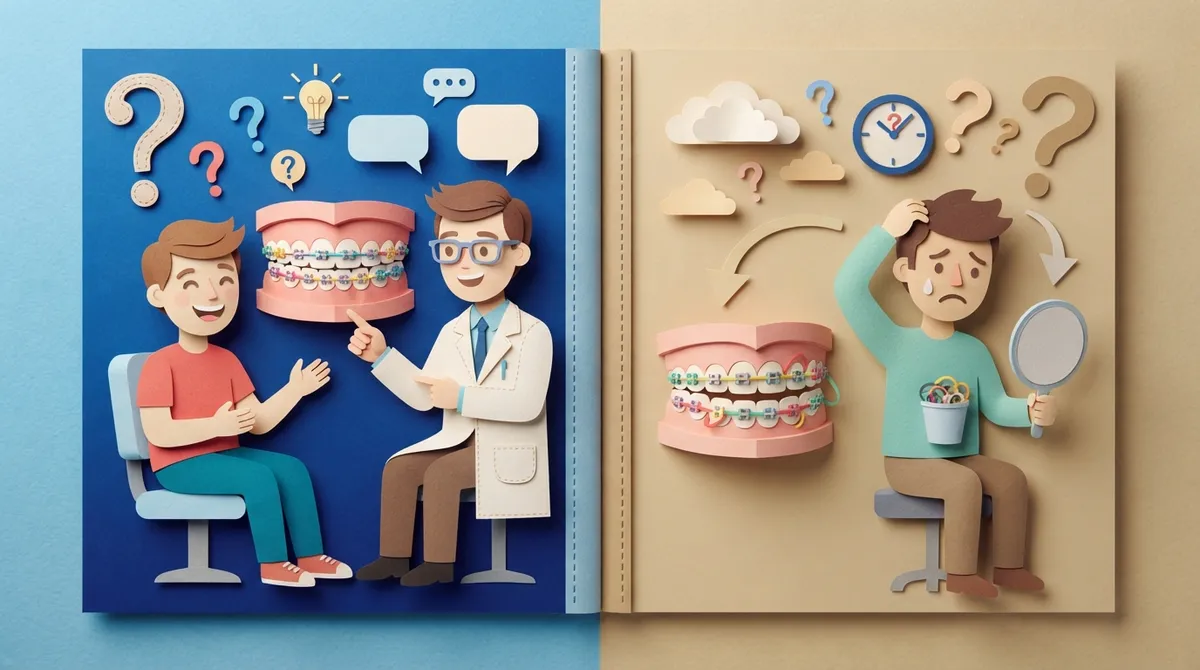
Two Approaches: Asking Questions vs. Guessing
Let’s put the two approaches side by side. This is where the comparison gets interesting.
| Factor | Asking Questions Up Front | Guessing or Copying Others |
|---|---|---|
| Wear schedule | You know exactly how many hours to wear them | You may wear them too little or too much |
| Progress | Bite correction stays on track | Treatment can slow down |
| Comfort | You know what soreness is normal | Worry and confusion about every twinge |
| Supplies | You carry spares and know when to change them | You run out and improvise |
| Safety | You avoid doubling up or using the wrong size | Risk of too much force on teeth or jaws |
The winner is clear. Asking wins every time. Guessing might feel easier in the moment, but it often costs more time later.
The Best Questions to Ask About Braces Elastics
Ready for the good stuff? Here are the questions worth bringing to your next visit. Feel free to screenshot this list or jot them in your phone.
Questions About the Basics
- What exactly are these elastics fixing for me? Knowing your goal (overbite, underbite, crossbite, or midline) helps you stay motivated.
- Where do they attach, and why that pattern? Ask your orthodontist to show you on a mirror or model.
- What size and strength am I using? This detail matters if you ever need to reorder or replace them.
- Are my elastics latex-free? If you have a latex allergy or sensitivity, speak up right away. An alternative can usually be arranged.
Questions About Wear Time
Every patient is different. Some people are asked to wear elastics nearly full-time. Others get a different schedule. There is no single plan that fits everyone, so ask:
- How many hours a day should I wear my elastics?
- Should I wear them while I sleep?
- Should I take them out to eat, brush, or floss?
- How soon should I put them back in after meals?
If you’re told to remove them for meals or brushing, put a fresh pair back in promptly afterward. Don’t leave them out “for just a bit longer.” Those little gaps add up.
Questions About Changing and Replacing
Elastics lose their stretch over time, so they need to be swapped out. Ask your orthodontist:
- How often should I change my elastics?
- How many spare bags should I take home?
- What should I do if one breaks or falls off?
- Who do I call if I run out?
A simple habit helps here. Keep a few spares in your backpack, your car, your desk drawer, and your purse. Think of them like phone chargers. You never want to be without one!
How Much Do Elastics Hurt? Questions About Comfort
Let’s talk about soreness, because it’s one of the top worries we hear. Mild pressure or tenderness is common when you first start wearing elastics. Your mouth is adjusting to new, directed force. This often settles down as you get used to them.
Here are good questions to ask about comfort:
- What kind of soreness is normal for me?
- How long should the soreness last?
- What soft foods can I eat while my mouth adjusts?
- When should I call the office?
If pain feels persistent, worsening, or unusual, call your orthodontist. Please don’t try to fix it by changing your wear plan on your own. Our guide on what Clearwater patients can expect from braces discomfort offers more reassurance and tips.
What You Should Never Do With Braces Elastics
Some shortcuts feel tempting, especially when you’re eager to see results. But the American Association of Orthodontists warns that too much force can harm teeth or jaws and even interfere with tooth movement. Here are the big no-nos:
- Don’t double up. Two elastics are not twice as fast. They can be harmful.
- Don’t switch to a stronger or different size unless your orthodontist tells you to.
- Don’t wear them more than prescribed. More is not better.
- Don’t copy a friend’s setup. Their bite is different from yours.
- Don’t change the hooking pattern without professional guidance.
If you’re ever tempted to skip ahead, remember that patience protects your results. Many people also run into trouble with other shortcuts, which we cover in our post on braces treatment mistakes you should never make.
What If an Elastic Breaks or You Run Out?
It happens to everyone. A rubber band snaps while you’re eating a sandwich, or the last bag disappears into the couch cushions. Here’s a simple plan.
- Stay calm. One broken elastic is not an emergency.
- Replace it with a fresh one if you have spares.
- Don’t improvise. Skip the hair ties, craft bands, or anything that is not meant for your mouth.
- Call the office if you’ve run out or if you’re unsure how to hook them up.
- Ask about a quick pickup. Most offices are happy to help you get more supplies.
If a bracket or wire has come loose along with the elastic, check out emergency vs. routine orthodontics to see which situation you’re in.
Questions to Ask by Age and Lifestyle
Different patients have different needs. Here are a few tailored ideas.
For Parents of Children and Teens
Kids can lose elastics or forget them in a pocket. Ask the team how to build a simple routine. Try tying elastic changes to a habit, like brushing teeth. Ask about spares for school and sports. You might also like our tips in orthodontics for kids: what every parent should know.
For Teens and Young Adults
Got a prom, graduation, or big photo coming up? Ask how elastics fit into your timeline. Consistent wear is the best way to stay on schedule. Our post on braces for young adults shares more ideas.
For Adult Professionals
Meetings, lunches, and travel can make it tricky. Ask how to handle wear during a busy workday. Keep a small case with spares in your bag so you can swap quickly after meals.
For Relapse Patients
If you had braces before and your teeth shifted, ask why elastics are part of your retreatment plan. It helps to understand what changed. Be sure to follow your retainer plan afterward. Our page on retainers explains how to protect your results.
For Health-Conscious Patients
Ask how elastics fit with brushing, flossing, and gum care. Removing them for cleaning, if instructed, makes brushing easier. Good hygiene keeps your gums healthy while your teeth move.
How Often Will I See My Orthodontist?
This is a smart question to add to your list. The American Association of Orthodontists notes that adjustment or progress-check visits are commonly scheduled about every 6 to 10 weeks. NHS guidance for fixed braces describes appointments commonly every 6 to 8 weeks. These are general visit intervals. They are not an elastic wear schedule, so your own timing may differ.
At each visit, bring your questions. Show your orthodontist how you’re putting elastics in. They can spot small mistakes quickly. They can also tell you whether your bite is improving as planned.
Home Care Tips to Keep Elastics Working
A few small habits make life with elastics easier:
- Wash your hands before changing elastics.
- Use a mirror until hooking them up becomes second nature.
- Change them as often as instructed, even if they look fine.
- Keep spare elastics in a small, clean case.
- Brush and floss well, since food can hide around hooks and brackets.
For more cleaning help, see our guide on how to brush teeth with braces. You can also review what you can eat with braces so mealtimes stay stress-free.
Why Local, Personalized Guidance Matters
Reading about elastics online is a great start. But your treatment plan is truly one of a kind. That’s why we encourage every patient to ask questions in person. At Brockway Orthodontics, Dr. Brockway takes time to listen, explain, and make sure you feel comfortable. We use modern tools like digital impressions and 3D imaging to plan your care carefully. You can learn more about our approach on the All About Braces page.
You can also see what our patients say. Visit us on Google — Brockway Orthodontics to read reviews from local families. For general oral health guidance, the American Dental Association is a trusted resource, and the Florida Association of Orthodontists shares helpful information about orthodontic care across the state. The American Association of Orthodontists also offers a helpful overview of orthodontic elastics.
Final Thoughts: Ask Now, Smile Sooner
So, which approach wins? Asking questions beats guessing, hands down. When you understand your elastics, you wear them correctly, replace them on time, and spot problems early. That means a smoother journey and a smile you’ll love sooner.
Remember the basics. Wear your elastics exactly as prescribed. Keep spares handy. Never double up or switch sizes on your own. Tell your orthodontist about any latex allergy. And call the office whenever something feels off or confusing. There’s no such thing as a silly question here.
Ready to talk with a friendly team who loves answering questions? Book your appointment online and let’s get your smile on track. Prefer to chat first? Feel free to contact us anytime. We can’t wait to meet you!
FAQs
Q: What are braces elastics, and what do they do?
A: Braces elastics are small rubber bands that connect points on your braces, often between the upper and lower teeth. They add gentle, directed force to help correct your bite and tooth positions. Your orthodontist chooses the size, strength, and pattern just for you.
Q: How many hours a day should I wear my braces rubber bands?
A: It depends on your treatment plan. Some patients wear them nearly full-time, while others follow a different schedule. Always follow the exact schedule your orthodontist gives you, and ask for it in writing if that helps.
Q: Can I double up on elastics to speed up treatment?
A: Please don’t! Using extra elastics, stronger ones, or wearing them more than prescribed can put too much force on your teeth and jaws. It can even slow tooth movement. Stick to your plan and call us with any concerns.
Q: What should I do if an elastic breaks or I run out?
A: Replace it with a fresh elastic if you have spares, and don’t use anything else as a substitute. If you’ve run out or aren’t sure how to hook them up, call your orthodontic office. They’ll be happy to help you get more.
Q: Is soreness from braces elastics normal?
A: Mild soreness or pressure is common when you first start wearing elastics, and it usually eases as your mouth adjusts. If the pain is persistent, getting worse, or feels unusual, call your orthodontist instead of changing your wear plan on your own.
Our Service Area