Key Takeaways
-
Thumb sucking is normal and does not automatically mean braces; the key risk factors are how often, how long, and how forcefully your child sucks.
-
Most children stop on their own between ages 2 and 4, and the American Academy of Pediatric Dentistry encourages helping kids quit by about age 3.
-
Prolonged thumb sucking can cause an anterior open bite, increased overjet, or posterior crossbite, especially when permanent teeth begin erupting.
-
Many open bites self-correct after the habit stops, often before permanent teeth come in, though the evidence is low-certainty and not guaranteed.
-
Use warm, positive strategies: identify triggers, offer a comfort replacement, praise small wins, and avoid scolding, which can make the habit stronger.
-
Check for signs like a red or callused thumb, upper front teeth protruding, a visible gap when biting, or a lisp, and see an orthodontist if they appear.
Few things are as sweet as a baby snuggled up with a thumb in their mouth. It’s a natural comfort habit, and most parents see it long before their child’s first tooth even appears. But as the years go by, many parents start to wonder: is this habit okay, or is it quietly changing my child’s smile?
Here’s the good news. Thumb sucking is normal, and it does not automatically mean your child will need braces. What matters most is how often, how long, and how hard your child sucks. Understanding thumb sucking and bite development helps you know when to relax and when to take action.
In this friendly guide, you’ll learn how the habit can affect growing teeth, how to spot early warning signs, and how to help your child stop without tears or stress. We’ll also cover when to bring in an orthodontist. Let’s dive in!

Why Kids Suck Their Thumbs in the First Place
Thumb sucking is a built-in self-soothing behavior. Babies even do it before birth! Kids reach for their thumbs when they feel tired, bored, anxious, or just need a little comfort.
For most children, this phase fades on its own. Many kids stop between ages 2 and 4 without any help at all. That is a typical range, not a strict deadline, so there’s no need to panic if your little one is a bit slower to let go.
Common triggers include:
- Bedtime and nap time
- Watching TV or riding in the car
- Feeling shy, worried, or overwhelmed
- Simple boredom
Knowing the trigger is your first clue. If you can spot when your child sucks, you can figure out how to gently help.
How Thumb Sucking and Bite Development Are Connected
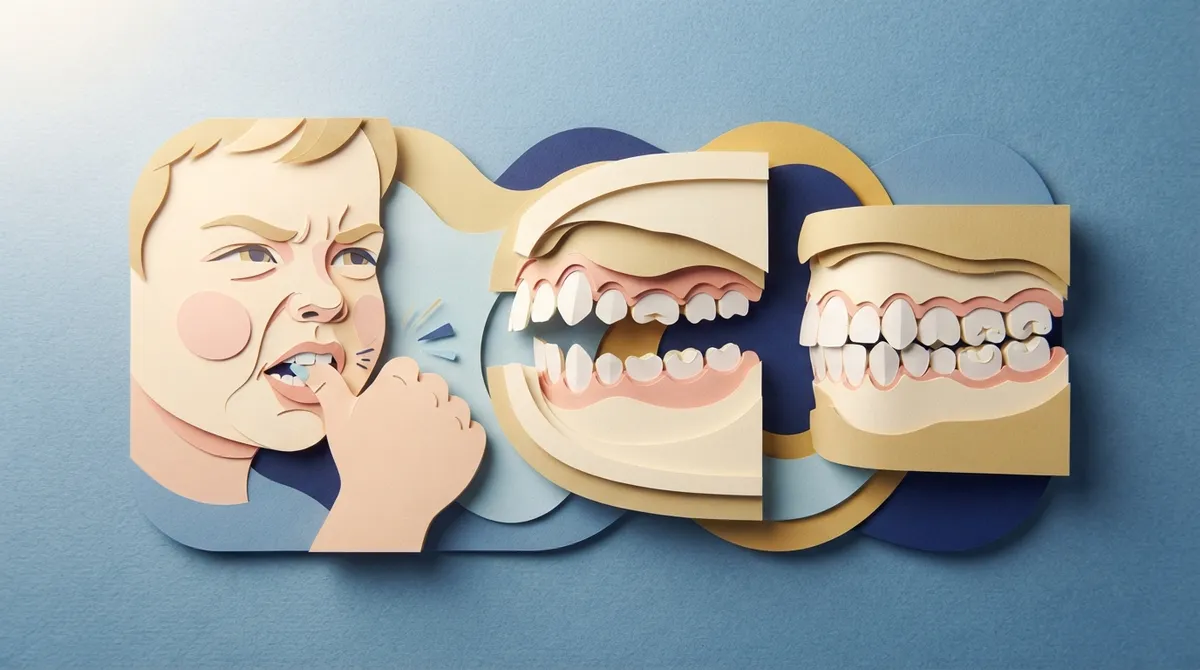
Your child’s teeth and jaws grow quickly in the early years. Soft, growing bones respond to pressure, and a thumb is a steady source of pressure. Over time, a persistent habit can nudge teeth and even change the shape of the dental arches.
The risk depends on three things:
- Frequency: How many times a day does your child suck?
- Duration: How long does each session last, and for how many years?
- Intensity: Is it a gentle rest, or a forceful, strong suck?
A child who rests a thumb in the mouth now and then is very different from a child who sucks hard for hours. Persistent, forceful sucking is the more concerning pattern. It’s also worth knowing that the link between sucking habits and bite problems is an association. Not every child who sucks a thumb will develop a bite issue, and results vary from child to child.
A 2024 systematic review of 21 studies found that persistent nonnutritive sucking habits were linked to higher chances of malocclusion (a bite that doesn’t fit together well). The research supports paying attention, without suggesting that every child is doomed to need treatment.
Bite Problems Linked to Prolonged Thumb Sucking
When the habit continues for a long time, orthodontists commonly see a few specific patterns. Here’s a quick guide.
| Bite Concern | What It Looks Like | Why It Can Happen |
|---|---|---|
| Anterior open bite | Front teeth don’t touch when the back teeth close | The thumb sits between the front teeth and keeps them apart |
| Increased overjet | Upper front teeth sit farther forward than the lowers | Pressure pushes the upper front teeth outward |
| Posterior crossbite | Some upper back teeth bite inside the lower back teeth | Sucking can narrow the upper arch as the cheeks press inward |
These changes can also affect the shape or width of the developing dental arches. If you’d like to learn more about how these issues look and feel, our guides on signs you need an orthodontist for an open bite and what crossbite treatment involves are helpful next reads.
How to Tell If the Habit Is Affecting Your Child’s Smile
You don’t need special tools to start noticing. A few simple checks at home can tell you a lot. Here is a gentle step-by-step way to look.
- Watch the habit. Notice how often and how forcefully your child sucks. Is it a quiet rest or a strong, noisy suck?
- Check the thumb. A red, chapped, or callused thumb can signal intense sucking.
- Look at the front teeth. Do the upper teeth stick out more than you’d expect?
- Ask your child to bite down. Is there a visible gap between the top and bottom front teeth?
- Listen to speech. Some children develop a lisp when front teeth don’t meet.
If you see any of these signs, don’t worry. Spotting them early simply means you have more options. A quick professional look can tell you whether things are on track.
What the Research Says About Stopping Age
The American Academy of Pediatric Dentistry (AAPD) encourages families to help children stop nonnutritive sucking habits by about age 3 (36 months), or earlier when a dental team sees a reason. This gives growing teeth the best chance to settle on their own.
Why does timing matter? Because baby teeth are temporary, and early changes often have time to improve before adult teeth arrive. The longer a strong habit continues, especially as permanent teeth start coming in, the more likely a bite change may stick around.
That said, every child is different. Think of the age 3 mark as a friendly goal, not a pass-or-fail test.
Will an Open Bite Fix Itself After the Habit Stops?
This is one of the most common questions parents ask, and the honest answer is: often, but not always.
A clinical review reports that anterior open bites self-corrected in an estimated 50% to 100% of cases after the habit ended, including in some children older than 4. However, the review notes the certainty of that evidence is low. In plain English, many bites improve, especially before permanent teeth erupt, but no one can promise it.
Some changes may stay put and need a closer look. That is exactly why a checkup matters. An orthodontist can tell you whether to watch and wait or whether it’s smart to plan ahead. If you’re curious about timing, our article on when a child should see an orthodontist breaks it down nicely.
How to Help Your Child Stop Thumb Sucking Without Tears
The best approach is warm, patient, and never punishing. Shame or scolding can make a child more anxious, which often makes the habit stronger. Instead, think of yourself as your child’s teammate.
Step-by-Step Gentle Strategies
- Find the trigger. If your child sucks when bored, offer a puzzle, a toy, or a coloring page. If it happens at bedtime, try a cozy stuffed animal or an extra story.
- Start the conversation. Talk about it kindly. Ask your child if they want to stop. Kids who want to quit are far more successful.
- Use positive praise. Celebrate small wins like “You went the whole car ride without your thumb!”
- Try a reward chart. A simple sticker chart can turn the goal into a fun game.
- Offer a replacement comfort. A soft blanket or a squeeze toy gives little hands something else to hold.
- Be patient. Setbacks are normal, especially during stressful times like a new school or a move.
A few things to skip: avoid nagging, bitter-tasting polish as punishment, or teasing. A supportive tone works much better than a strict one.
Quick Dos and Don’ts for Parents
- Do stay calm and encouraging every single day.
- Do reward effort, not just perfection.
- Do talk with your pediatric dentist or orthodontist if the habit continues.
- Don’t scold, shame, or compare your child to siblings.
- Don’t expect overnight results.
- Don’t assume a bite change means you did something wrong. This is very common!
When a Habit-Reminder Appliance May Help
Sometimes a child truly wants to stop, but the habit is so automatic that gentle reminders aren’t enough. In that case, a dentist or orthodontist may talk with you about a habit-reminder appliance. This is a small device worn in the mouth that helps a child remember not to place the thumb in the usual spot.
It’s important to know that appliances are not needed for every child. Many kids stop with encouragement alone. An appliance is simply one tool in the toolbox, and it works best when the child is motivated and supported. Your orthodontist can help you decide if it makes sense for your family.
When to See an Orthodontist About Thumb Sucking
Not sure when to book a visit? Here’s a simple guide to help you decide.
| Situation | Suggested Next Step |
|---|---|
| Child under 3, occasional gentle sucking | Relax and offer comfort alternatives |
| Child approaching age 3 and still sucking often | Mention it at the next dental visit and start gentle strategies |
| Visible gap or protruding front teeth | Schedule an orthodontic evaluation |
| Habit continues as permanent teeth come in | Book a consultation to discuss options |
| Child wants to quit but struggles | Ask about habit-reminder support |
An early visit is not the same as starting treatment. It’s simply a chance to look at your child’s bite and make a smart plan. Our post on why early evaluation isn’t treatment explains this well, and our guide to phase one vs phase two orthodontics shows how care can be planned in stages.
What an Orthodontic Visit Looks Like
If you’re wondering what to expect, it’s a calm, friendly process. The orthodontist looks at how your child’s teeth meet, checks the shape of the arches, and talks about the sucking habit. We often use gentle digital tools instead of messy molds, and no one will pressure you into anything.
At Brockway Orthodontics in Clearwater, Florida, Dr. Brockway takes time to listen to your concerns and explain things in simple, easy-to-follow language. You’ll leave feeling informed and comfortable, whether the answer is “let’s keep an eye on it” or “let’s make a plan.” You can also visit us on Google — Brockway Orthodontics to see what local families say about their experience.
Treatment Options If the Bite Has Already Changed
If thumb sucking has left its mark, take a deep breath. There are many ways to help. The right path depends on your child’s age and what the orthodontist sees.
- Watch and wait: Some bites improve on their own once the habit ends.
- Early treatment: For certain cases, such as a narrow upper arch, an expander may be suggested. Learn more in our palatal expander guide.
- Braces: Traditional braces can guide teeth into proper position, and there are options like metal and ceramic braces to fit different preferences.
- Clear aligners: Older kids and teens may be good candidates for Spark™ Clear Aligners, a more affordable alternative to other clear aligner brands.
To understand how these choices compare, you might enjoy our article on braces vs. clear aligners. And if protruding teeth are your main worry, take a look at what an orthodontic evaluation shows for protruding front teeth.
What About Teens and Adults Who Still Have Bite Changes?
Sometimes the effects of an old habit linger into the teen years or adulthood. If you’re a teen who wants a more confident smile, or an adult who’s finally ready to fix a long-standing bite issue, it’s never too late to ask questions. Modern options are comfortable and discreet.
Our teen-focused post, 12 questions teens should ask their orthodontist, is a great starting point. Adults can explore facts that prove adults can get braces to see what’s possible. And if you’ve had treatment before and notice shifting, our piece on orthodontic relapse warning signs can help you spot early clues.
Trusted Resources for Parents
Reliable information makes parenting decisions easier. For general oral health guidance, the American Dental Association offers helpful resources for families. For orthodontic care in our region, the Florida Association of Orthodontists is another trusted source. Always bring your questions to a professional who can look at your child’s unique smile.
Putting It All Together
Thumb sucking is a normal part of childhood, and in most cases it fades before it causes lasting trouble. The key is paying attention to how often, how long, and how forcefully your child sucks. When you notice changes or the habit lingers past about age 3, a gentle, supportive approach and a quick professional check can make a big difference.
Remember: this isn’t about blame. It’s about giving your child the best chance at a healthy, happy smile. Keep it positive, celebrate the small wins, and lean on your care team.
Ready to take the next step? Book a free consultation online and let Dr. Brockway take a look at your child’s bite. If you have questions first, you can always contact us, and our friendly team will be happy to help.
FAQs
Q: Can thumb sucking change a child’s bite or jaw development?
A: It can, especially when the habit is frequent, long-lasting, or forceful. Prolonged sucking is linked to bite changes like an open bite, increased overjet, and a narrow upper arch. The good news is that not every child who sucks a thumb develops a problem, so a quick checkup is the best way to know for sure.
Q: At what age should a child stop sucking their thumb?
A: Many children stop on their own between ages 2 and 4. The American Academy of Pediatric Dentistry encourages helping kids stop by about age 3, or sooner if a dental professional suggests it. Think of it as a friendly goal rather than a strict deadline.
Q: Will an open bite correct itself after my child stops thumb sucking?
A: Often it does, especially if the habit ends before permanent teeth come in. One clinical review reported self-correction in roughly 50% to 100% of cases, but the certainty of that evidence is low, so improvement isn’t guaranteed. An orthodontist can check your child’s progress and let you know if any treatment is needed.
Q: How can I help my child stop thumb sucking without punishment?
A: Keep it positive! Find the trigger, offer a comforting replacement, and celebrate small wins with praise or a sticker chart. Scolding or shaming can actually make the habit stick around longer, so patience and encouragement work best.
Q: Are orthodontic appliances ever used to stop thumb sucking?
A: Yes, but only when needed. If a child wants to stop and gentle strategies aren’t enough, a dentist or orthodontist may suggest a habit-reminder appliance. Many children never need one, so it’s simply one option to talk through with your care team.
Our Service Area