Key Takeaways
-
Braces suitability depends on a professional assessment of your teeth, bite, jaws, gums, and habits, not just how straight your smile looks in the mirror.
-
Bite problems such as overbite, underbite, crossbite, and open bite are major reasons for treatment, even when teeth look fairly straight.
-
Age alone does not decide suitability; the American Association of Orthodontists recommends a first evaluation by age 7, and adults with healthy teeth and gums can be candidates.
-
Active cavities or gum disease usually need treatment before braces begin, but this only delays treatment rather than ruling it out permanently.
-
Your goals, daily habits, and ability to attend regular adjustment visits and follow cleaning instructions all influence whether braces are the right fit.
-
Braces are not the only option; depending on the diagnosis, clear aligners may work well, and some cases may only need monitoring.
Maybe you have noticed a crooked tooth in photos. Maybe your child’s dentist mentioned a bite concern. Or maybe you are an adult who always wondered if it is too late. Whatever brought you here, one question tends to come up first: what determines braces suitability? Let’s talk it through together, in plain and friendly terms.
Here is the good news. Braces are not only for one type of person. Children, teens, and adults can all be great candidates. But suitability is not about how your smile looks in a mirror. It comes down to a careful orthodontic assessment of your teeth, bite, jaws, gums, and everyday habits. Below, we will walk through each factor so you know what to expect before your first visit.

Why Braces Suitability Is More Than a Quick Look
Many people think a crooked smile alone means braces are the answer. In truth, an orthodontist looks much deeper. Straight-looking teeth can still have a bite problem. And teeth that look a little uneven may only need simple care.
A proper assessment checks how your teeth line up, how your upper and lower teeth meet, and how your jaws relate to each other. It also looks at your dental development, your oral health, and your personal goals. That full picture helps the orthodontist decide if braces are right for you, or if another path makes more sense.
This is why a professional evaluation matters. A specialist orthodontist is trained to spot things that a regular check-up may not catch.
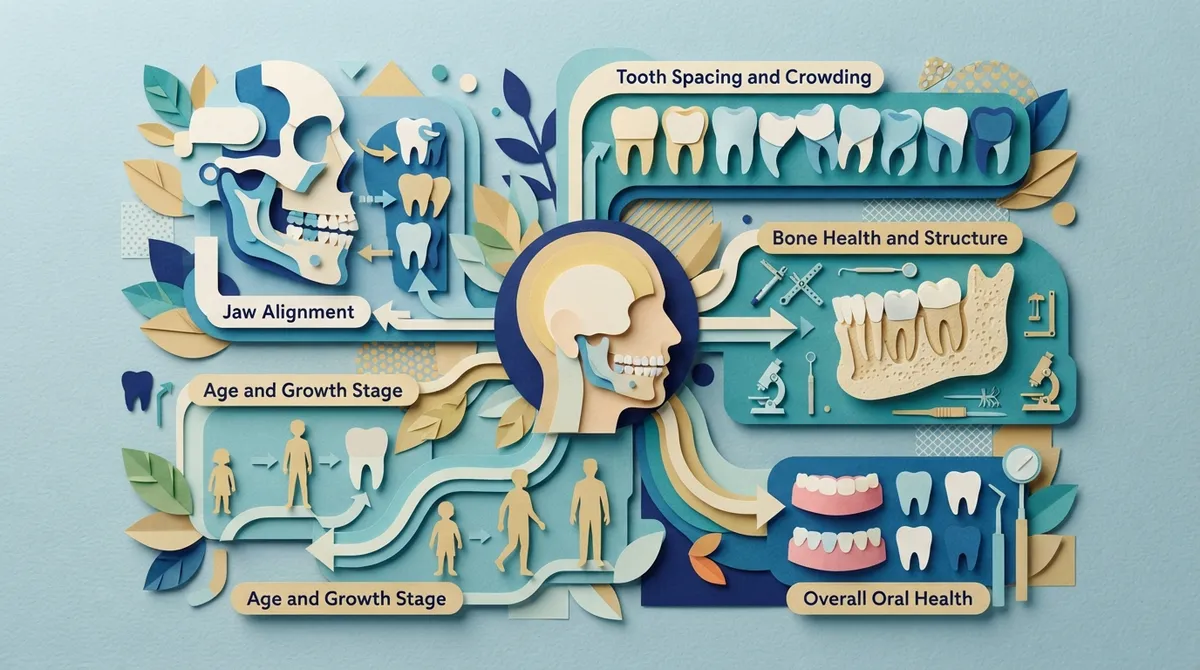
The Main Factors That Determine Braces Suitability
Think of suitability as a puzzle. Several pieces come together to form the answer. Here are the big ones.
1. Tooth Alignment and Spacing
This is the most visible piece. Your orthodontist checks whether teeth are crowded, spaced too far apart, twisted, or tilted. These problems can make cleaning harder and may affect how your teeth wear over time.
If you want to learn more, our guide on what causes crowded teeth breaks down why this happens.
2. Bite and Jaw Relationships
Next comes the bite. This is how your top and bottom teeth fit together when you close your mouth. Some common bite issues include:
- Overbite: upper front teeth sit too far over the lower teeth
- Underbite: lower teeth sit in front of the upper teeth
- Crossbite: some upper teeth sit inside the lower teeth
- Open bite: front teeth do not touch when the mouth is closed
Bite problems can affect chewing, speech, and comfort. They are a major reason people become good braces candidates, even when teeth look fairly straight. You can read more about this in why your bite needs an orthodontist’s attention.
3. Dental Development and Growth
For kids and teens, the orthodontist also looks at how teeth and jaws are growing. Baby teeth falling out, permanent teeth coming in, and jaw growth all play a role. Sometimes treatment should begin early. Other times, the best plan is to watch and wait.
This is where timing becomes important. Our article on jaw growth and bite development can help parents understand the process.
4. Healthy Teeth and Gums
Here is a factor many people do not expect. Your teeth and gums need to be healthy enough for treatment. Braces make brushing and flossing more demanding, so cavities and active gum problems usually need care first.
If you have a cavity or gum concern, do not panic. It does not mean braces are off the table forever. It just means those issues get handled first. Read more in why cavities need attention before orthodontic treatment.
5. Your Goals and Lifestyle
Your goals matter too. Some people want a fully functional bite. Others care most about how their smile looks. Many want both. Your orthodontist will listen, then explain what is realistic.
Everyday life counts as well. Are you able to attend regular adjustment visits? Can you follow cleaning and care instructions? Braces work best when patients and families partner with their orthodontic team.
What About Age? Is There a Limit?
Short answer: age alone does not decide suitability. That is great news for everyone.
The American Association of Orthodontists recommends a first orthodontic evaluation by age 7. This does not mean every 7-year-old needs braces. It simply gives the orthodontist a chance to spot problems early and plan the best timing. Many children are simply monitored until treatment makes sense. The NHS notes that treatment commonly starts after most adult teeth have come through, often around age 12, though timing varies by person.
Adults are wonderful candidates too. If your teeth and supporting tissues are healthy, there is no upper age limit. Curious how this works for grown-ups? Take a look at 14 facts that prove adults can get braces.
| Age Group | What the Assessment Often Focuses On | Typical Approach |
|---|---|---|
| Children (around age 7) | Early bite issues, jaw growth, tooth eruption | Evaluate, then monitor or start early care if needed |
| Teens (about 12 to 16) | Alignment, bite, and growth as adult teeth arrive | Braces or aligners, based on the diagnosis |
| Adults | Gum health, existing dental work, bite function | Customized plan, often with discreet options |
If you are a parent trying to time things right, age 7 vs. waiting offers a helpful comparison.
Common Problems That Braces Can Treat
Braces can help with many concerns. Here are some of the most common ones orthodontists see:
- Crowded teeth that overlap or twist
- Gaps and spacing between teeth
- Protruding front teeth
- Overbite, underbite, crossbite, and open bite
- Teeth that are hard to clean because of their position
- Teeth at higher risk of injury because of how they sit
Notice that some of these are about health and function, not just looks. That is why suitability is a medical decision as much as a cosmetic one.
What Happens During a Suitability Assessment?
Wondering what the visit looks like? It is much friendlier than most people expect. Here is a typical flow:
- Welcome and conversation. You share your concerns, your goals, and your dental and medical history.
- Clinical exam. The orthodontist checks your teeth, gums, bite, and jaw movement.
- Records. This may include photographs, X-rays, scans, or dental models. These give a complete view of what is happening beneath the surface.
- Diagnosis. The orthodontist explains what they found in simple terms.
- Treatment options. You talk through whether braces are right, or if another approach or simple monitoring fits better.
Modern tools make this easier. Digital scans can replace messy molds, and 3D imaging helps plan treatment precisely. If you want to understand the imaging side, see what orthodontic X-rays can help evaluate. And to get ready for your visit, check out how to prepare for your first visit to an orthodontist.
Braces Are One Option, Not the Only One
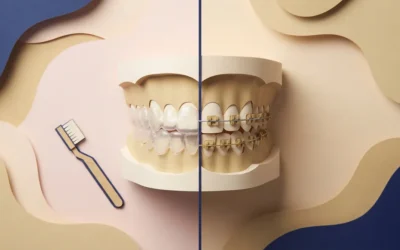
Here is something worth knowing. Even if you are a candidate for braces, they may not be your only choice. Depending on your diagnosis, clear aligners might also work well. Some cases are better suited to traditional braces, while others do beautifully with aligners.
At Brockway Orthodontics in Clearwater, Florida, we offer metal braces, ceramic (clear) braces, and Spark™ Clear Aligners, a more affordable alternative to other aligner brands. The right choice depends on your bite, your goals, and your lifestyle. If you are weighing your options, braces vs. clear aligners is a good place to start.
Aligners are not right for every case, though. Some complex bite problems are better handled with braces. That is exactly why a professional assessment matters before you decide. Our article on what makes someone a clear aligner candidate explains the other side of the coin.
When Might Braces Not Be the Right Fit Right Now?
Sometimes the answer is “not yet.” That is okay, and it is never a closed door. A few situations where an orthodontist may suggest waiting or taking another step first:
- Active cavities or gum disease. These need treatment before braces begin.
- Teeth still developing. In young children, monitoring can lead to better timing.
- Challenges with hygiene or visits. Braces require steady care and regular appointments.
- Very mild concerns. Sometimes a small cosmetic issue is better handled with a simpler option, or none at all.
If you are not sure where you stand, our guide on 6 signs that answer “do I need braces?” may help you spot the clues.
Tips to Get the Most From Your Evaluation
A little preparation goes a long way. Try these simple steps before your visit:
- Write down your questions and concerns, big or small.
- Think about your top goals. Is it comfort, function, looks, or all three?
- Bring a list of any medications or health conditions.
- Share your dental history, including past orthodontic work if you had it.
- Ask about costs, timelines, and payment options so there are no surprises.
Cost is a real part of the decision for many families. If that is on your mind, explore how to use dental insurance to help pay for braces, or learn more about monthly payment plans. Honest conversations about budget are always welcome.
Why Choose a Trusted Local Orthodontist
The best assessment comes from someone who listens first. Dr. Brockway takes time to hear your concerns and dreams for your smile, so you feel comfortable and informed from start to finish. Brockway Orthodontics welcomes the whole family, from teens getting their first braces to adults exploring a discreet smile transformation.
If you are curious about the practice and the people behind it, meet the Brockway orthodontist in Clearwater, FL. You can also see what neighbors are saying: see what our Brockway Orthodontics patients say on Google. We are proud to be part of the Clearwater community, and we love helping families smile with confidence. Our friends at Brain Buzz Marketing help us share helpful guides like this one with the community.
For extra peace of mind, you can also browse trusted professional resources such as the Florida Association of Orthodontists and the American Dental Association to learn more about oral health and orthodontic care.
Final Thoughts: Your Smile Deserves a Real Answer
So, what determines braces suitability? In a nutshell, it comes down to tooth alignment, bite and jaw relationships, dental development, oral health, and your ability to care for your teeth during treatment. Age is rarely the deciding factor, and an early check-up never means you must start right away.
The best next step is simple: get a professional evaluation. You will leave with clear answers, a plan that fits your life, and the confidence to move forward at your own pace. Ready to find out where you stand? Book your appointment online and let Dr. Brockway and our friendly team help you take the first step toward a healthy, happy smile.
FAQs
Q: How do I know if I need braces?
A: Common signs include crowded or gapped teeth, a bite that does not line up, and teeth that are hard to clean. The only way to know for sure is a professional evaluation. Your orthodontist will check your teeth, bite, and jaws and walk you through the results.
Q: Can adults get braces, or is there an age limit?
A: Adults can absolutely get braces! There is no upper age limit. What matters most is that your teeth and gums are healthy enough for treatment, so many adults are wonderful candidates.
Q: What age should a child have an orthodontic evaluation?
A: The American Association of Orthodontists recommends a first evaluation by age 7. This does not mean treatment starts right away. It just lets the orthodontist watch your child’s growth and choose the best timing.
Q: Do I need healthy teeth and gums before getting braces?
A: Yes, healthy teeth and gums are important. Cavities and active gum problems usually need care first because braces make cleaning more challenging. Once those are handled, you can usually move ahead with treatment.
Q: Are braces suitable for mild crowding or cosmetic concerns?
A: Often, yes. Many people choose treatment for mild crowding or to improve how their smile looks, and that is a perfectly good reason. Your orthodontist will go over all your options, including braces, clear aligners, or simply monitoring, so you can pick what fits best.
Our Service Area