Key Takeaways
-
Braces rarely cause constant pain; most teens feel soreness for a few days after placement or adjustment, and soft foods, cool drinks, and orthodontic wax help while it fades.
-
Most teens can keep playing sports with braces by wearing a mouthguard fitted to work with braces, and many can play musical instruments after a short adjustment period.
-
Avoid hard, sticky, and crunchy foods like ice, caramel, and popcorn, since they can break brackets or pull wires loose; pizza and burgers are usually fine if cut into bite-size pieces.
-
Brackets and wires trap plaque, so brush with fluoride toothpaste, angle toward the gumline, clean around each bracket, and floss daily to prevent cavities and white marks.
-
Treatment length varies: mild cases may take 8 to 12 months, while complex bite problems can take a couple of years, so ask your orthodontist for a personal estimate.
-
Wear your retainer as directed after braces come off, because without it teeth can slowly drift back out of alignment.
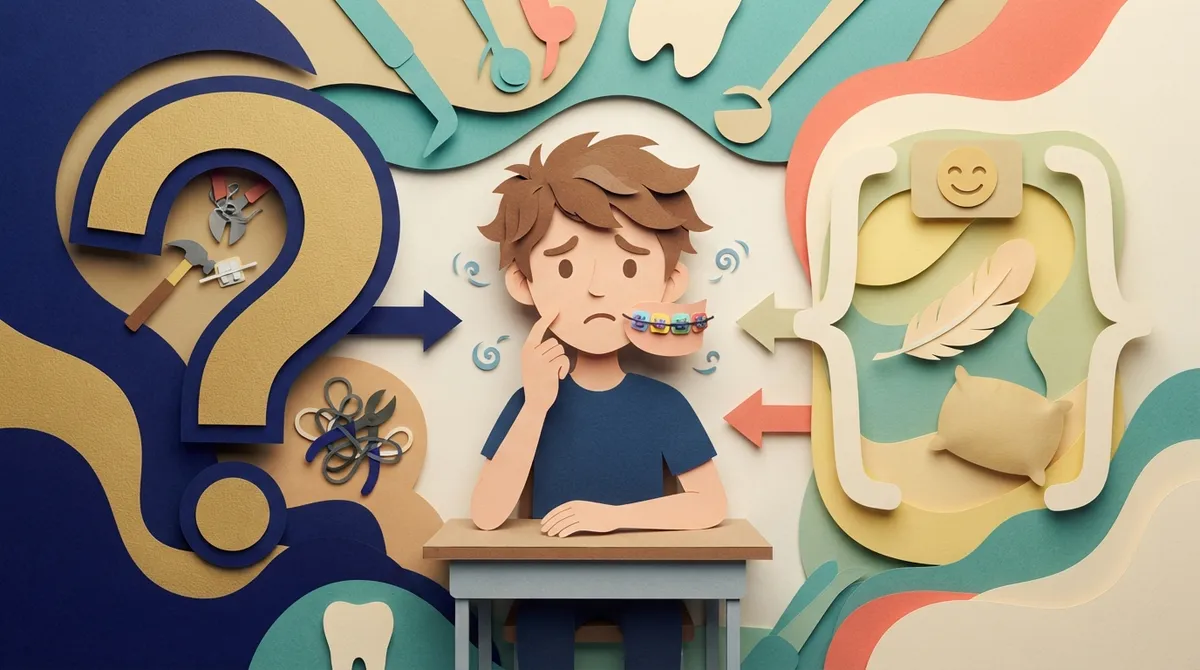
If you’re a teenager thinking about braces, you’ve probably heard some wild stories. Maybe a friend swore it hurts all the time. Maybe an older cousin said you can never play sports again. Maybe someone told you that you’ll be eating soup for two years. Take a deep breath! Most of those tales are exaggerated, outdated, or just plain wrong.
Here at Brockway Orthodontics, we hear these braces myths teenagers should know about almost every week. And we love clearing them up, because a nervous teen is not a happy teen. Dr. Brockway believes that when you understand what’s really going on, you feel confident and ready.
So grab a snack (a braces-friendly one, of course) and let’s sort fact from fiction. In this guide, you’ll find 15 common myths, the real story behind each one, and simple tips you can use right away. Parents, you’re welcome to read along too. A few of these might surprise you!
Myths About Pain and Comfort
Let’s start with the big one. Pain is the number one worry we hear from teens, so it deserves some honest attention.
1. Myth: Braces Are Unbearably Painful
Reality: Braces do not hurt all day, every day. Most teens feel some pressure or tenderness for a few days after braces are put on or adjusted. That’s your teeth starting to move, and it’s completely normal. Orthodontic guidance from the American Association of Orthodontists (AAO) and the NHS agrees that this soreness is temporary.
If you ever have severe pain, or pain that keeps getting worse, don’t tough it out. Let your orthodontic team know. For more on what’s normal, check out our post on 6 truths about braces pain every patient should know.
2. Myth: Getting Braces On Is the Worst Part
Reality: Many teens are shocked by how easy the first day is. Placing braces doesn’t involve needles or drills. The soreness usually shows up a few hours later and fades within a few days. Soft foods, cool drinks, and a little patience go a long way. If you want to know what happens step by step, our guide on what to expect with braces at every step walks you through it.
3. Myth: Wires and Brackets Will Cut Up Your Mouth
Reality: Your lips and cheeks may feel a little rubbed at first, but your mouth adjusts quickly. Orthodontic wax is a lifesaver for rough spots. If a wire pokes you, wax can cover it until you can call us. It’s not an emergency, but it’s worth a quick call.

Myths About Sports, Music, and Social Life
Your life doesn’t stop when braces go on. In fact, most teens keep doing everything they love.
4. Myth: You Can’t Play Sports With Braces
Reality: Most teens can keep playing their sports. The key is a properly fitted mouthguard, especially for contact sports like football, basketball, soccer, and lacrosse. Ask your orthodontist which type works best with your braces. Not all mouthguards are made for them. Need fuel for practice? Try our list of 14 braces-friendly snacks for sports practice.
5. Myth: You Can’t Play a Musical Instrument
Reality: Band kids, relax. Many students with braces play trumpet, flute, clarinet, and more. There may be a short adjustment period where your lips feel a little tender, and wax can help. Most teens are back to sounding great in a couple of weeks.
6. Myth: Braces Make You Look Awkward
Reality: Honestly? Braces are everywhere. Lots of your classmates have them or will soon. You can even pick colored bands to show off your style, or choose a more discreet option. Not sure which type suits you? Compare options in our guide to metal vs ceramic braces.
Myths About Food
Food is where the myths get dramatic. Let’s bring some calm to the dinner table.
7. Myth: You Have to Give Up All Your Favorite Foods
Reality: You can still enjoy most foods! What you need to be careful with are hard, sticky, crunchy, or chewy foods, because they can break brackets or bend wires. Cutting some foods into smaller pieces and choosing softer options can help.
Here’s a quick cheat sheet:
| Food Type | Examples | Braces Tip |
|---|---|---|
| Hard | Hard candy, ice, nuts | Skip these; they can snap brackets |
| Sticky | Caramel, taffy, gummy candy | Avoid; they can pull wires loose |
| Crunchy | Popcorn, chips, raw carrots | Cut into small pieces or choose softer versions |
| Chewy | Bagels, tough meats | Cut into bite-size pieces |
| Safe | Pasta, yogurt, eggs, soft fruit | Enjoy freely! |
For more ideas, our friendly food guide for braces has plenty of tasty options.
8. Myth: You Can Never Eat Pizza or Burgers Again
Reality: Pizza and burgers are usually fine! Just watch the crust edges and cut things down to a manageable size. The goal isn’t to ban fun foods. It’s to eat them smartly.
9. Myth: A Little Sticky Candy Won’t Hurt
Reality: Sticky candy is one of the top reasons brackets pop off. One caramel might seem harmless, but a broken bracket can mean an extra trip to the office. Save the sticky stuff until your braces are off, and you’ll thank yourself later.
Myths About Cleaning and Dental Health
This is the section that matters most for your final smile. Let’s get it right.
10. Myth: Brushing Is the Same With Braces
Reality: Brackets and wires trap plaque, so cleaning takes a little more care. Brush with fluoride toothpaste, angle your brush toward the gumline, and clean around each bracket. Add floss threaders or interdental brushes for tight spots. Skipping this step can lead to cavities, gum problems, and white marks on teeth once the braces come off.
Struggling with the technique? Our guide to brushing teeth with braces and our post on 7 brushing mistakes that wreck braces are great places to start.
11. Myth: Braces Cause Permanent White Spots or Damage
Reality: Braces themselves don’t cause damage. White marks come from plaque sitting on teeth for too long. Good brushing, flossing, and regular dental check-ups greatly reduce that risk. The responsibility is yours, and it’s very doable.
Myths About Treatment Time and Care
Now let’s tackle the timeline questions that keep teens up at night.
12. Myth: Everyone Needs Braces for Years and Years
Reality: There’s no one-size-fits-all timeline. The AAO notes that mild crowding or spacing may take about 8 to 12 months, while more complex bite problems may take a couple of years. The NHS gives a general range of 1 to 2 years for fixed braces, and NHS inform lists 18 to 24 months as typical. Your orthodontist will give you a personal estimate after your exam.
Curious about the details? See our posts on 7 timelines that answer how long braces really take and how long you have to wear braces.
13. Myth: A Broken Bracket Is No Big Deal
Reality: A broken bracket or damaged wire can slow your progress, cause discomfort, and require a repair visit. Repeated breakages may even extend your treatment time. If something comes loose or pokes, call the office for advice. Not sure if it’s urgent? Read about broken brackets vs. poking wires.
14. Myth: Once Braces Come Off, You’re Done
Reality: Retainers are the final, important step. Without them, teeth can slowly drift back. Wear your retainer exactly as directed, and keep it clean and safe. Learn how in our guide on caring for your dental retainer.
Myths About Why Braces Matter
15. Myth: Braces Are Only for Looks
Reality: A great smile is a wonderful bonus, but orthodontic treatment can also address tooth alignment and bite problems. Treatment planning looks at your individual needs, not just appearance. Straighter teeth with a healthy bite can be easier to clean and more comfortable for chewing. An orthodontist can tell you whether treatment is right for you, and when to start.
Quick Reference: Normal vs. Time to Call
It can be tricky to know what’s normal. Use this simple chart as a guide:
| What You Notice | Normal? | What to Do |
|---|---|---|
| Soreness for a few days after adjustment | Yes | Soft foods, cool drinks, wax if needed |
| Mild rubbing on lips or cheeks | Yes | Use orthodontic wax |
| Severe or worsening pain | No | Contact your orthodontist |
| Broken or loose bracket | No | Call the office for advice |
| Poking wire | No | Cover with wax, then call us |
| Plaque buildup or white marks | No | Improve cleaning and keep dental visits |
Simple Habits That Make Braces Easier
Want a smoother ride? Here are a few easy habits our teens swear by:
- Carry a braces kit: Toss a travel toothbrush, floss threaders, and wax into your backpack.
- Brush after meals: Even a quick brush or rinse at school helps.
- Keep your appointments: Regular visits keep your treatment on track.
- Wear your mouthguard: Protect your smile during sports.
- Follow your orthodontist’s instructions: This is the biggest factor in finishing on time.
Parents can help too. Check out these 7 ways parents can support teen oral hygiene with braces.
How to Spot a Myth (and Ask Better Questions)
Myths spread fast, especially on social media. Here’s how to protect yourself:
- Check the source. Is it from an orthodontist, a trusted health organization, or just a random video?
- Remember everyone is different. Your friend’s experience may not match yours.
- Ask your orthodontist. You’ll get answers based on your own teeth and bite.
- Look for words like “always” and “never.” Real orthodontics is rarely that black and white.
Not sure what to ask? Here are 12 questions teens should ask their orthodontist. Group them into a list and bring it to your visit!
Why Brockway Orthodontics Is a Great Place to Start
At Brockway Orthodontics in Clearwater, Florida, Dr. Brockway takes the time to listen to your worries and answer every question. We offer metal braces, ceramic (clear) braces, and Spark™ Clear Aligners, so you can find the option that fits your life. Our modern technology, including digital impressions and 3D imaging, helps make visits comfortable and treatment precise.
Curious what other families think? Visit us on Google — Brockway Orthodontics and read what our patients say. You can also learn more about the Florida Association of Orthodontists or browse oral health resources from the American Dental Association for extra peace of mind.
Ready to Learn the Truth About Your Smile?
Braces are not nearly as scary as the myths make them sound. Yes, you’ll feel some soreness at first. Yes, you’ll need to watch a few foods and brush with extra care. But you can still play sports, make music, hang with friends, and smile big along the way.
The best way to cut through the noise is to talk with a real orthodontist who knows your teeth. Book your free consultation online and let Dr. Brockway answer your questions in a warm, no-pressure visit. Prefer to chat first? Just contact us and our friendly team will help. We can’t wait to meet you!
FAQs
Q: Do braces hurt when they are first put on or tightened?
A: Most teens feel mild pressure or tenderness for a few days after braces are put on or adjusted. It usually fades quickly, and soft foods help a lot. If pain is severe or keeps getting worse, give your orthodontist a call!
Q: How long do teenagers usually need to wear braces?
A: It really depends on your smile. Mild cases may take about 8 to 12 months, while more complex bite issues can take a couple of years. Your orthodontist will give you a personal estimate, and following care instructions helps you finish on time.
Q: What should I do if a bracket comes loose or a wire is poking?
A: Don’t panic! Cover a poking wire with orthodontic wax and call the office so we can advise you. A loose or broken bracket should be checked soon, since damage can slow your progress.
Q: Can teens play sports or musical instruments with braces?
A: Yes, most teens can keep doing both! For sports, wear a properly fitted mouthguard, and ask your orthodontist which type works with your braces. Musicians may need a short adjustment period, and wax can help with any tender spots.
Q: Are braces necessary if crooked teeth do not bother my teenager?
A: Braces aren’t only about looks. Alignment and bite problems can affect cleaning and comfort, even if a smile seems fine. An orthodontic exam can show whether treatment is a good idea and when to start.
Our Service Area