Key Takeaways
-
No single retainer type wins for everyone: a 2023 Cochrane review found no moderate- or high-certainty evidence favoring one, so the best choice depends on your teeth, habits, and lifestyle.
-
Fixed retainers work around the clock without daily effort, but they need careful cleaning and regular checks, since reported failure rates range widely from 7.3% to 50% across studies.
-
Removable retainers are easier to clean but only work when worn, so they are best for patients who reliably follow their orthodontist's wear schedule.
-
Never bend, repair, or replace a loose fixed wire or cracked tray yourself; call your orthodontist promptly to protect your results.
You finally got your braces off or finished your last aligner tray. Your smile looks amazing, and you want to keep it that way. So now comes the big question: which retainer is right for you?
When it comes to fixed versus removable retainers, there is no one-size-fits-all answer. Each type has real strengths and a few trade-offs. The best choice depends on your teeth, your habits, and your lifestyle.
Think of a retainer like a seatbelt for your smile. Teeth naturally want to drift back toward where they started, and a good retainer keeps them in place. Whether you are a parent helping a teen, a busy professional, or an adult who has had braces before, this guide breaks it all down in simple terms.
Here are 14 friendly, practical facts to help you feel confident about your next step.
The Basics: What Each Retainer Does
1. Fixed Retainers Are Bonded Behind Your Teeth
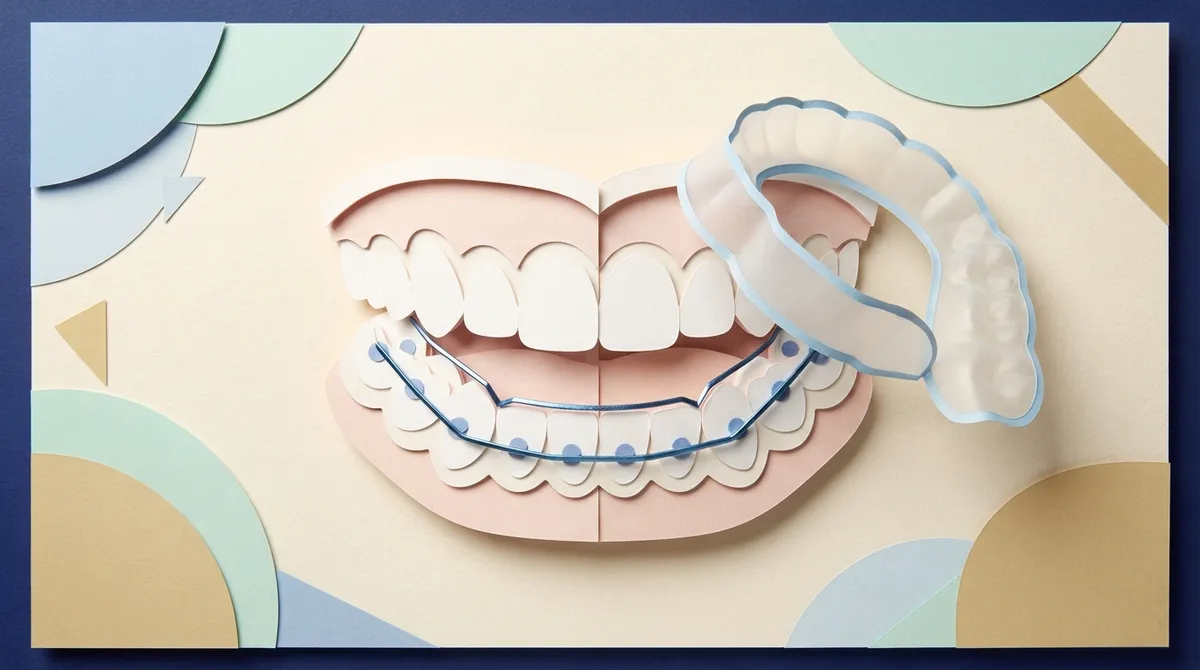
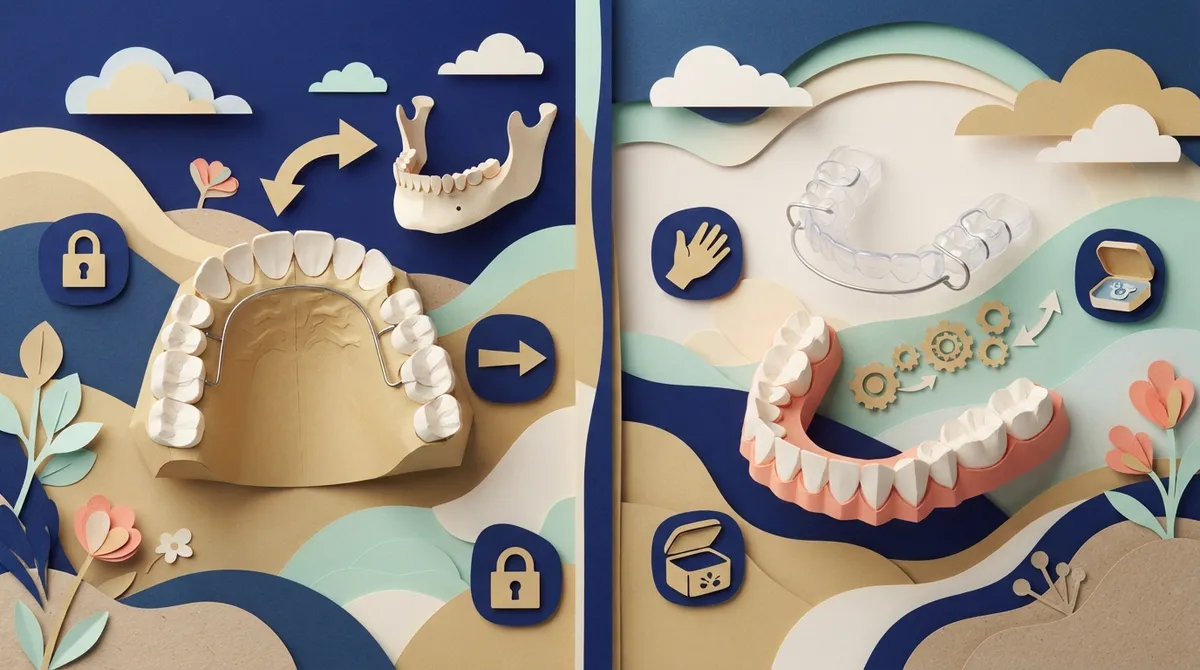
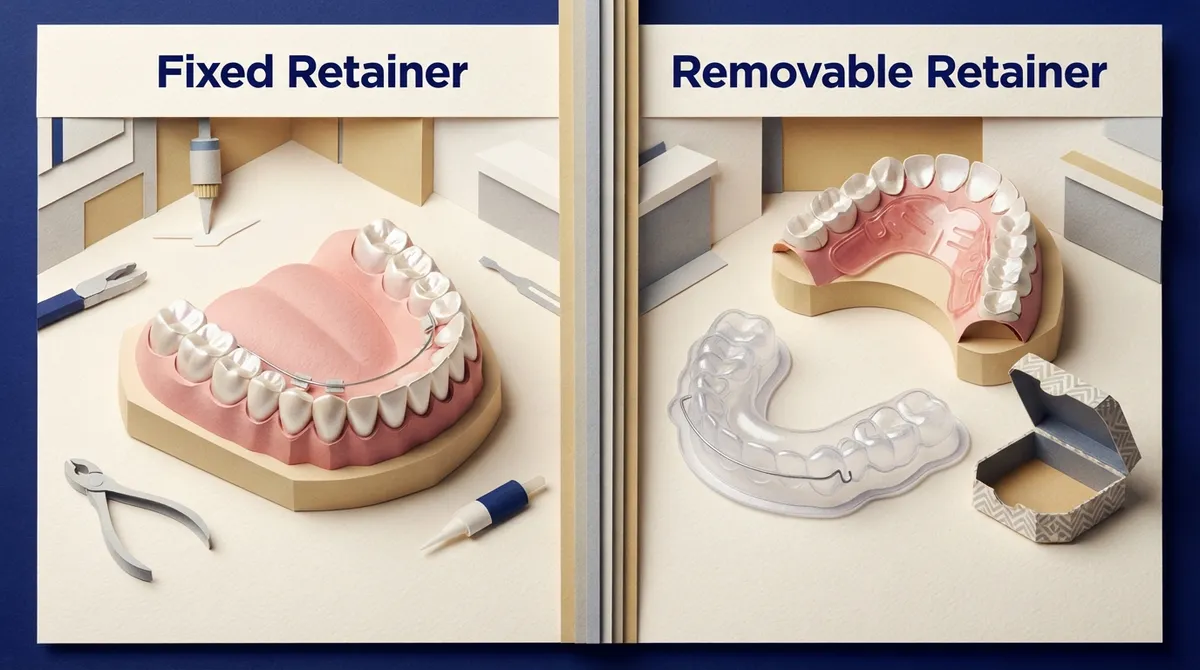
A fixed retainer, also called a bonded or permanent retainer, is a thin wire attached to the back of your teeth. It is most often placed on the lower front teeth. Because it stays in place around the clock, you never have to remember to put it in. If you want a deeper dive, our guide to the fixed bonded retainer covers it step by step.
2. Removable Retainers Come Out for Meals and Cleaning
A removable retainer is a custom appliance you can take out. The two most common styles are the clear, vacuum-formed tray and the Hawley retainer, which uses a wire and an acrylic base. You can learn more in our look at removable retainer facts.
3. Retention Is an Ongoing Part of Orthodontic Care
Teeth can move over time, even years after treatment. That is why retention is generally considered a long-term commitment. Your orthodontist sets your wear schedule and follow-up plan, so always follow their guidance rather than guessing. Our post on retainers for life explains why this matters so much.
How They Compare Side by Side
4. Here Is a Quick Comparison
This table gives you a simple snapshot of how the two types stack up.
| Feature | Fixed Retainer | Removable Retainer |
|---|---|---|
| How it stays in | Bonded to teeth | Snaps or fits over teeth |
| Relies on you to wear it | No | Yes |
| Cleaning | Brush and clean between teeth carefully | Take out and clean easily |
| Common risks | Loose bonding or wire damage | Lost, cracked, or warped |
| Visibility | Hidden behind teeth | Clear tray is discreet |
| Best for | Continuous retention needs | Patients who follow a wear schedule |
5. Research Does Not Crown One Winner
Here is something that surprises many families. A 2023 Cochrane review found no moderate- or high-certainty evidence to support one retainer type as best for everyone. Results vary based on the design, the wear schedule, and how well a patient follows the plan.
6. The Numbers Show Small Differences
In one study summarized by that review, part-time clear-retainer wear was linked to about 0.92 mm more tooth irregularity than a multistrand fixed retainer. The review described that difference as not clinically significant. For full-time clear-retainer wear, the gap was about 0.60 mm, again with no clinically meaningful benefit for tooth stability.
In plain words, both approaches can work well when used correctly. That is good news for you.
The Case for Fixed Retainers
7. They Work Without Daily Effort
If you worry about forgetting a removable retainer, a fixed one can be a great fit. It holds your teeth every minute of every day. This is a big help for teens with busy schedules and adults juggling demanding jobs.
8. They Can Fail, So Check In Regularly
No retainer is perfect. A 2021 systematic review reported fixed-retainer failure rates ranging from 7.3% to 50% across studies. That wide range reflects different designs, study methods, and follow-up times, so it does not predict your personal outcome.
An unnoticed failure can let teeth shift. If your wire feels loose or looks different, call your orthodontist right away. Please do not bend, repair, or replace it yourself. Our list of permanent metal retainer mistakes shows what to avoid.
9. Cleaning Takes a Little Extra Care
Wires behind your teeth can trap plaque and make cleaning trickier. Some studies link fixed wires to slightly worse gum measures, though the differences are often small. Good habits make a big difference. Try a floss threader or a small interdental brush, and keep up with your checkups. You can find handy tips in our guide on how to care for a permanent retainer.
The Case for Removable Retainers
10. They Are Easy to Clean
Because you can take a removable retainer out, brushing and flossing feel just like normal. That is a plus for patients who care about gum health or who have periodontal concerns. Our post on how to care for your dental retainer walks you through the routine.
11. They Depend on Your Habits
A removable retainer only works when it is in your mouth. If it sits in a case, a pocket, or a napkin at lunch, it cannot hold your teeth. Many patients find that building a simple nightly routine helps a lot. Clear trays can also be lost, cracked, or warped, and hot water can damage the plastic. Here is a quick list of habits that protect yours:
- Rinse with cool or lukewarm water, never hot
- Store it in its case every time it is out of your mouth
- Keep it away from pets, who love to chew them
- Never wrap it in a napkin at meals
- Bring it to checkups so your orthodontist can review the fit
If you want to avoid common slip-ups, read our tips on cleaning retainers.
Choosing What Fits You
12. Your Orthodontist Weighs Several Factors
The right choice is personal. Orthodontists generally consider:
- Your risk of teeth shifting back
- Your tooth movements and treatment history
- Your oral hygiene and gum health
- Your preference and comfort
- How reliably you can follow a wear schedule
At Brockway Orthodontics in Clearwater, Dr. Brockway takes the time to listen to your goals and explain your options in friendly, easy language, so you feel informed and comfortable. You can read more about our approach to customized treatment plans.
13. Some Patients Use Both Types
Some people are advised to wear a fixed retainer and a removable retainer together. This is not necessary for everyone. It is more of a tailored plan for patients who may have a higher risk of relapse. Your orthodontist can tell you if this approach makes sense for your smile. If you are curious, our comparison of fixed vs removable retainers goes further.
14. No Retainer Is a Guarantee
Neither type promises perfectly straight teeth forever. That is why periodic professional review matters. A quick checkup can catch a loose wire or a warped tray before it becomes a bigger issue. If you ever notice your teeth shifting, our article on orthodontic relapse warning signs can help you spot the clues early. For general oral health guidance, the American Dental Association is a trusted resource, and the Florida Association of Orthodontists offers helpful information for local families.
Which Patients Often Lean Which Way?
Every smile is unique, but here are a few general patterns your orthodontist may discuss:
- Parents of kids and teens: A fixed retainer can ease worries about lost or forgotten trays.
- Teens and young adults: A clear removable retainer may feel more comfortable and discreet.
- Busy professionals: A fixed option may fit a packed schedule, while a nighttime clear retainer works for those who like routines.
- Retreatment patients: Past relapse may point toward added protection, such as a fixed retainer or both types.
- Health-conscious patients: Easy cleaning may make a removable retainer more appealing, especially with gum concerns.
These are just starting points. Your orthodontist will look at your actual teeth and history before recommending a plan.
Ready to Protect Your Smile?
Choosing between fixed and removable retainers does not have to feel stressful. Both can do a wonderful job when they match your needs and you stick with your plan. The key is an honest chat with your orthodontist about your habits, your gums, and your goals.
We would love to help you find the right fit. You can book your appointment online or contact us with any questions. You can also see what our patients say when you visit our Brockway Orthodontics location on Google.
While you take care of your smile, do not forget to take care of yourself too. Many busy families find that a little relaxation goes a long way, and a service like Mobile Area Massage of Tampa Bay can be a lovely way to unwind after a hectic week.
Your smile took time and effort to build. Let us help you keep it beautiful for years to come.
FAQs
Q: What is the difference between fixed and removable retainers?
A: A fixed retainer is a thin wire bonded behind your teeth, so it works all day without any effort from you. A removable retainer, like a clear tray or Hawley retainer, comes out for meals and cleaning, so it only works when you wear it as prescribed.
Q: Are fixed or removable retainers more effective at preventing teeth from shifting?
A: Research has not shown one type to be best for everyone. A 2023 Cochrane review found no moderate- or high-certainty evidence for a universal winner, and differences between types were small or not clinically significant in the studies it summarized. Results depend on the design, wear schedule, and how well you follow your plan.
Q: Can I use both a fixed retainer and a removable retainer?
A: Yes, some patients are advised to use both for extra protection, especially when relapse risk is higher. It is not needed for everyone, so your orthodontist will tell you if a combined plan fits your smile.
Q: What should I do if my bonded retainer comes loose or my removable retainer breaks?
A: Call your orthodontist right away. Please do not bend, repair, or replace a fixed wire yourself, and avoid forcing a warped or cracked tray back into place. A quick visit can protect your results before your teeth start to shift.
Q: Which retainer is best if I might forget to wear a removable one?
A: A fixed retainer can be a helpful option because it stays in place and does not rely on daily habits. Your orthodontist will also consider your gum health and cleaning routine before recommending it, since fixed wires need extra care when brushing and flossing.
Our Service Area