Key Takeaways
-
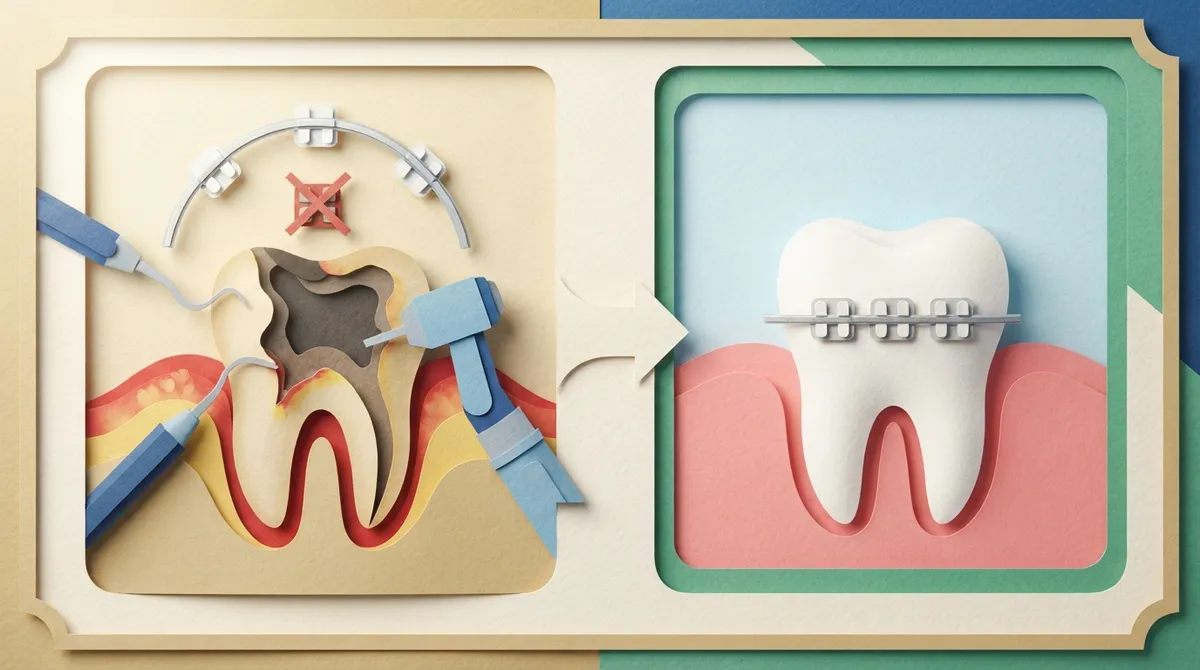
Active cavities should be treated before braces or aligners begin, since brackets and wires make cleaning harder and decay can grow faster during treatment.
-
Gingivitis often improves with better hygiene and a professional cleaning, while periodontitis must be evaluated and controlled first, sometimes with a periodontist involved.
-
Bone loss and gum recession lead orthodontists to use lighter force, gentler directions, and slower movement to protect weakened tissues.
-
Crowns can usually still be moved, but implants do not move like natural teeth, so orthodontists plan tooth movement around them.
-
Poor cleaning around braces can cause permanent white spots, so brush after meals, floss daily, and keep regular dental cleanings throughout treatment.
-
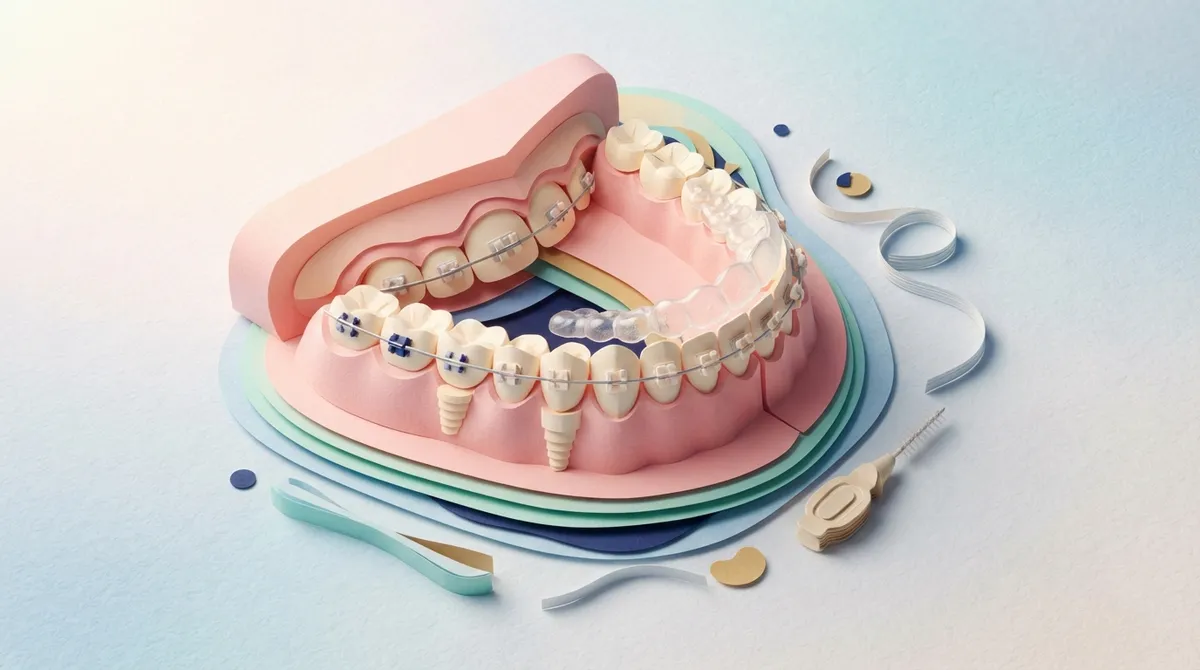
Clear aligners suit people who want easier cleaning, but they only work when worn as directed; braces may be better for complex movements needing precise control.
Picture this: you walk into an orthodontist’s office, ready to start your smile journey, and you leave with a plan that starts with a filling instead of braces. Surprised? You’re not alone! Many people don’t realize that the health of your teeth and gums plays a big role in what kind of treatment you can have, and when it can begin.
Understanding how dental health affects orthodontic treatment options can save you time, stress, and money. It also helps you feel in control from day one. Whether you are a parent planning for your child, a teen dreaming of a graduation-ready smile, or an adult thinking about retreatment, this guide is for you.
Here’s the good news: most dental concerns can be managed, and many people go on to have a wonderful orthodontic experience. Let’s walk through what matters, why it matters, and how to get your mouth ready for a straighter, healthier smile.
Why Your Teeth and Gums Come First
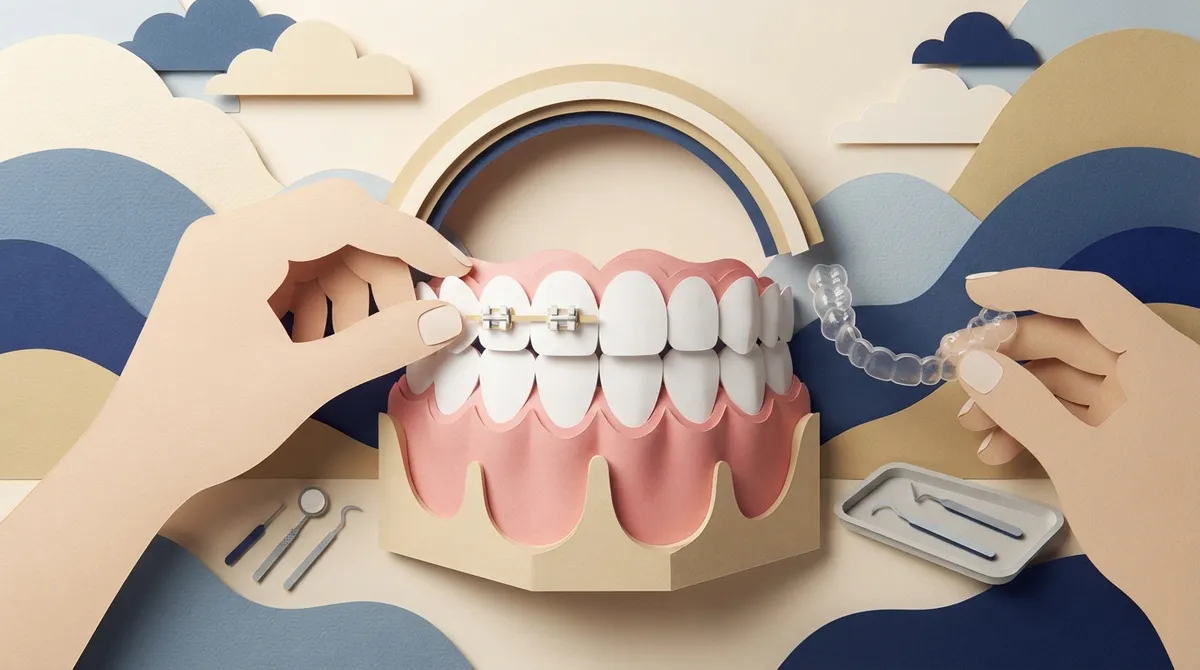
Think of orthodontic treatment like renovating a house. Before you move the walls, you want to be sure the foundation is solid. Braces and aligners move teeth by applying gentle, steady pressure. That only works well when the teeth, gums, and bone around them are healthy.
At your first visit, an orthodontist looks at several things:
- Your teeth: Are there cavities, cracks, or worn spots?
- Your gums: Are they pink and firm, or red, swollen, or bleeding?
- Your bone support: Is there enough bone holding each tooth in place?
- Your bite: How do your upper and lower teeth fit together?
- Your dental work: Do you have crowns, bridges, implants, or large fillings?
This full picture helps shape a safe, personalized plan. If you want to know what that first visit looks like, our guide on what to expect at the orthodontist walks you through it step by step.
Cavities and Orthodontic Treatment
Why active decay needs attention first
Do cavities need to be treated before getting braces? In general, yes. Active decay should be taken care of before appliances go on. Brackets, wires, and attachments make it harder to clean your teeth. If a cavity is already there, it can grow faster once treatment begins.
Poor cleaning around braces can also lead to white spots. These are permanent chalky marks left behind when plaque sits on enamel too long. Nobody wants to remove their braces and find those surprise marks!
To give you some context, CDC data from 2011 to 2012 showed that about 27% of U.S. adults aged 20 to 64 had untreated tooth decay. Cavities are common, and they are very fixable. Your dentist can restore them, and then you are ready to move forward.
What we recommend if you have a cavity
- Visit your general dentist for an exam and cleaning.
- Treat any active cavities with fillings or other restorations.
- Share your dental records with your orthodontist.
- Start treatment once your teeth are stable and healthy.
Taking care of decay first protects your investment. It also means fewer surprises mid-treatment. For tips on keeping things clean once you start, check out these brushing mistakes that wreck braces and how to fix them.
Gum Health: Gingivitis vs. Periodontitis
Healthy gums are just as important as healthy teeth. Your gums and the bone beneath them act like an anchor for every tooth. When they are unhealthy, moving teeth gets trickier.
Gingivitis: usually a fixable setback
Gingivitis is mild gum inflammation. You might notice puffy gums or a little bleeding when you brush or floss. The good news is that it often improves with better daily hygiene and a professional cleaning. Once the inflammation calms down, treatment can usually begin.
Periodontitis: needs extra care
Periodontitis is more serious. It involves infection that can break down the bone and tissue supporting your teeth. Can you get braces if you have gum disease? Sometimes, but not until the disease is evaluated and controlled. A periodontist may need to join your care team.
For some people, treatment can happen alongside gum therapy with a carefully planned approach. For others, it needs to wait. Either way, the goal is the same: protect the tissues that hold your teeth in place.
For context, CDC data from 2011 reported that about 14.1% of U.S. adults over 20 had severe periodontal disease. That is a historical estimate, not a current number, but it shows how many adults may need gum care before or during orthodontic work.
Bone Loss, Recession, and Tooth Movement
How does bone loss affect orthodontic treatment? Bone is the support system for your teeth. When bone has been lost from gum disease, teeth have less support. That changes how an orthodontist plans movement.
With reduced bone support or gum recession, your orthodontist may adjust:
- The force: Lighter pressure to protect fragile tissues.
- The direction: Careful paths that avoid stressing weak areas.
- The pace: Slower, more gradual movement.
- The scope: Sometimes a more limited goal, such as improving the bite or closing a gap.
This is especially relevant for adult patients, including people who want retreatment after earlier braces. If this sounds like you, our article on orthodontics for adults in Clearwater can help you think through your options.
Dental Work: Crowns, Bridges, Implants, and Missing Teeth
Many adults have some dental work, and that’s perfectly okay! It just means your orthodontist needs to plan around it.
How different restorations affect your plan
| Dental Situation | How It May Affect Treatment |
|---|---|
| Crowns | Teeth can often still move, but brackets or attachments may bond differently to the crown surface. |
| Bridges | Teeth joined together move as a unit, which can limit certain movements. |
| Dental implants | Implants do not move like natural teeth, so their position can limit how other teeth are shifted. |
| Missing teeth | Spaces may be closed, kept open, or prepared for a replacement, depending on your goals. |
| Large fillings | Usually workable, but weak or damaged teeth may need repair first. |
Curious about this topic? We explain it in more detail in our post on whether you can get braces with missing teeth. You may also like our article on using clear aligners with dental restorations.
Braces vs. Aligners: Which Fits Your Dental Health?
Are clear aligners better than braces for people with dental problems? Not always. Both can work well. The right choice depends on your bite, the tooth movements you need, and how well you can keep your mouth clean.
| Factor | Fixed Braces | Clear Aligners |
|---|---|---|
| Cleaning | Takes extra effort around brackets and wires | Removable, so brushing and flossing feel more normal |
| Wear | Always on, no daily choice needed | Needs consistent wear, usually most of the day |
| Complex movements | Often chosen for more complicated bite or tooth movement needs | Great for many mild to moderate cases |
| Gum or bone concerns | Can be adjusted with careful, light force | Can also be adjusted, depending on the case |
Aligners can be a nice fit for people who want easier cleaning. But they only work if you wear them as directed. Braces can be a better fit when your case needs very precise control. At Brockway Orthodontics, we offer metal braces, ceramic (clear) braces, and Spark™ Clear Aligners, a more affordable alternative to Invisalign. That means we can match your treatment to your smile and your dental health, not the other way around.
Want to compare further? Try our guides on braces vs. clear aligners in Clearwater and metal vs. ceramic braces.
Who Benefits Most From This Planning?
Parents of children and teens
Kids and teens are still building their brushing habits. A little extra support at home goes a long way. Cavities and gum swelling are more likely when cleaning slips. Regular dental checkups keep things on track. For more ideas, see our tips on supporting teen oral hygiene with braces.
Teens and young adults
Big events like graduation or prom can make you want to start fast. But a healthy start makes for a better finish. A quick dental cleanup now can protect your smile for the whole journey.
Adult professionals and retreatment patients
Adults often have fillings, crowns, or past gum issues. None of that means you can’t have a great result. It simply means a thoughtful plan. If you had braces years ago and your teeth have shifted, a careful evaluation can show what is possible now.
Health-conscious patients
If you care about both your health and your smile, you are already ahead. Pairing orthodontic care with regular dental visits helps protect your gums, bone, and enamel for the long run.
Taking Care of Your Mouth During Treatment
Orthodontic care is not a replacement for routine dental care. Your regular dentist remains a key part of your team. The American Association of Orthodontists advises thorough brushing and daily flossing, since plaque around appliances can lead to cavities, swollen gums, and white marks.
Here are some simple habits that help:
- Brush after meals, especially around brackets and gumlines.
- Floss daily, using a floss threader or water flosser if needed.
- Keep up with regular dental cleanings and checkups.
- Cut back on sugary snacks and drinks.
- Clean aligners and retainers as directed.
Need a refresher? Our friendly guides on how to brush teeth with braces and dental health habits that protect your braces make it easy.
When to call your team
Don’t wait for your next scheduled visit if you notice any of these:
- Tooth pain or sensitivity that does not go away
- Swelling or bleeding gums
- A suspected cavity or chipped tooth
- A broken bracket or poking wire
Speaking up early helps small problems stay small. If you are unsure whether something needs urgent attention, see our guide on when you need an emergency orthodontist appointment.
How Dental Health Can Change Timing and Cost
Dental health can also shape how long treatment takes and how it is monitored. Healthy teeth and gums usually mean fewer interruptions. If you need gum therapy or restorations first, there may be a short delay before you begin. That is normal, and it is worth it.
Treatment complexity can also influence fees. If you are budgeting, our post on how treatment complexity affects orthodontic fees in 2026 can help you plan ahead.
A Simple Game Plan Before You Start
Ready to get your mouth in shape for orthodontic care? Here is an easy checklist:
- Book a dental checkup: Get a cleaning, exam, and X-rays if needed.
- Treat any problems: Fix cavities, cracked teeth, or gum concerns.
- Gather your records: Bring dental history and any restoration details.
- Schedule an orthodontic consultation: Share your goals and concerns openly.
- Build your daily routine: Set up brushing, flossing, and cleaning habits before you begin.
You can also get ready ahead of time with our tips on how to prepare for your orthodontist consultation in Clearwater.
Why Brockway Orthodontics Makes This Easier
Dr. Brockway takes the time to listen to your concerns and your dreams for your smile. We explain your options in a friendly, easy-to-understand way, so you always know what to expect. Our practice uses modern technology like digital impressions and 3D imaging to plan treatment precisely, which helps us spot issues early and design a plan around your unique dental health.
We treat the whole family, from teens getting their first braces to adults exploring discreet options. If you’d like to see what our patients say, you can visit us on Google, Brockway Orthodontics and read their reviews. You can also learn more from trusted professional resources like the American Dental Association, the Florida Association of Orthodontists, and the CDC’s oral health statistics.
The Bottom Line
Your dental health does not decide whether you deserve a great smile. It simply helps decide the safest, smartest path to get there. Cavities can be filled. Gums can be healed. Dental work can be planned around. With the right team and a little preparation, almost everyone can find a treatment that fits.
Ready to find out where you stand? Book your free consultation online and let’s build a plan that fits your smile and your health. Prefer to chat first? Contact our friendly team anytime. We can’t wait to meet you!
FAQs
Q: Do cavities need to be treated before getting braces?
A: Yes, active cavities should generally be filled before braces or aligners begin. Brackets and wires make cleaning harder, so untreated decay can grow faster. A quick visit to your dentist keeps your treatment safe and on track!
Q: Can you get braces if you have gum disease?
A: It depends on how severe it is. Mild gingivitis often improves with better hygiene and a professional cleaning. Active periodontitis needs to be evaluated and controlled first, sometimes with a periodontist helping out.
Q: Can orthodontic treatment cause cavities or white spots?
A: Braces themselves don’t cause cavities, but plaque can build up around them if cleaning slips. That buildup can lead to decay and permanent white marks. Brushing well, flossing daily, and keeping regular dental visits keeps your smile protected.
Q: Can you straighten teeth if you have crowns, bridges, or implants?
A: Often, yes! Natural teeth with crowns can usually still move. Implants, however, do not move like natural teeth, so your orthodontist plans around them. A personalized evaluation shows what is possible for your smile.
Q: How often should I see my dentist while wearing braces or aligners?
A: Most people should keep up regular dental checkups and cleanings during treatment, as your dentist recommends. Your orthodontist handles your tooth movement, while your dentist helps protect your teeth and gums. Together, you get the best of both worlds.
Our Service Area