Key Takeaways
-
Share every dental restoration you have, including fillings, crowns, bridges, veneers, and implants, and roughly where each is located, since these affect bracket or attachment placement.
-
Disclose any gum problems such as bleeding, loose teeth, or periodontitis, because healthy gums and controlled inflammation are needed before teeth can safely move.
-
Tell your orthodontist about past braces or aligners, whether you finished treatment, and how consistently you wore retainers, since prior shifting often predicts relapse risk.
-
Report symptoms like jaw pain, clicking, chewing trouble, grinding, clenching, or mouth breathing, as these clues reveal how your bite functions.
-
List every medication, supplement, medical condition, and allergy, since some drugs affect gums, bone, or dry mouth and can influence treatment safety.
-
Gather records ahead of time, including your general dentist's contact details, a photo of your medication list, and any recent X-rays, while remembering that honest "I don't remember" answers are fine.
Walking into your first adult orthodontic visit can feel a little like meeting someone new. You want to make a good impression, but you also want to be honest. Here is the good news: the more you tell us, the better we can help. Knowing what dental history to share at an adult consultation is one of the easiest ways to set up a smooth, safe, and effective treatment plan.
Your past dental care tells a story. Old fillings, a bout of gum trouble, braces from high school, or a tooth that has bothered you for months all help your orthodontist understand how your teeth can move. Nothing here is meant to judge you. It simply gives us a clear picture.
This friendly guide walks through 14 pieces of history worth sharing, why each one matters, and how to gather them before your visit. Whether you are an adult professional, a parent thinking about your own smile, or someone returning after years away from braces, this list will help you feel prepared and confident.
Why Your Dental History Matters So Much
Teeth do not move in a vacuum. They sit in bone, surrounded by gums, and often carry crowns, fillings, or implants. Your history tells your orthodontist which teeth can shift easily and which need extra care.
The American Association of Orthodontists (AAO) suggests bringing dental and medical history records, medication details, and contact information for your general dentist and other care providers. Your orthodontist then decides what exam and records are needed. You can read more about this in our post on why orthodontists review your dental history.
Think of it like a map. The more detail you share, the fewer wrong turns we take on the way to your best smile.
Your Dental Work: Restorations and Missing Teeth
1. Fillings, Crowns, Bridges, and Veneers
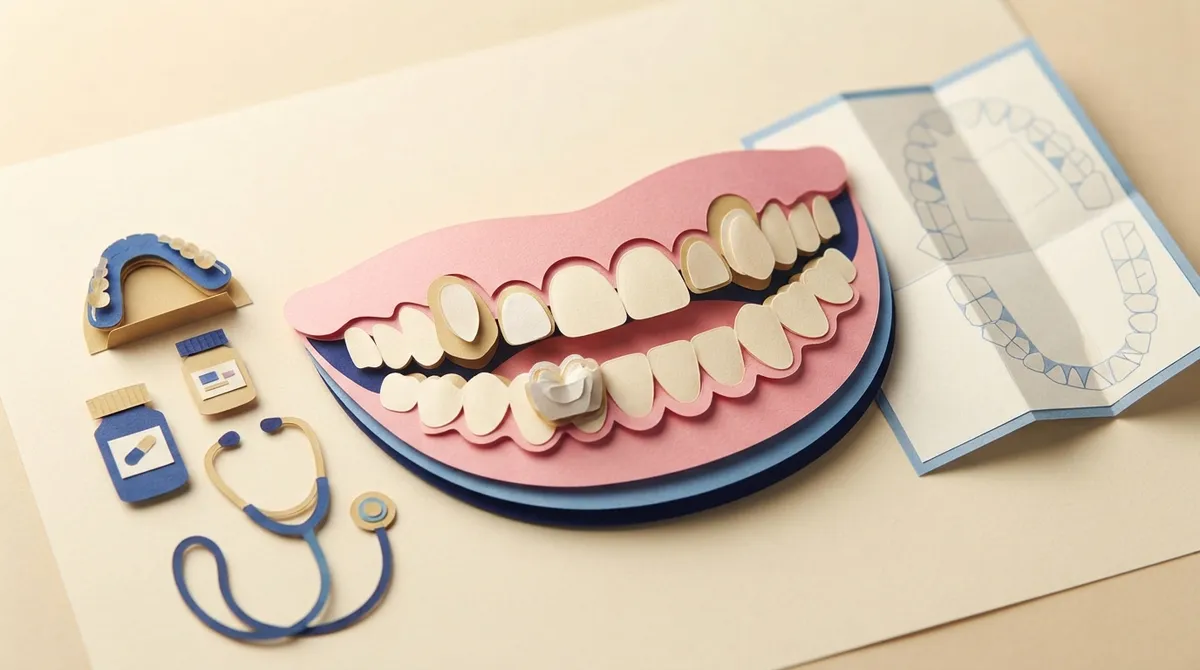
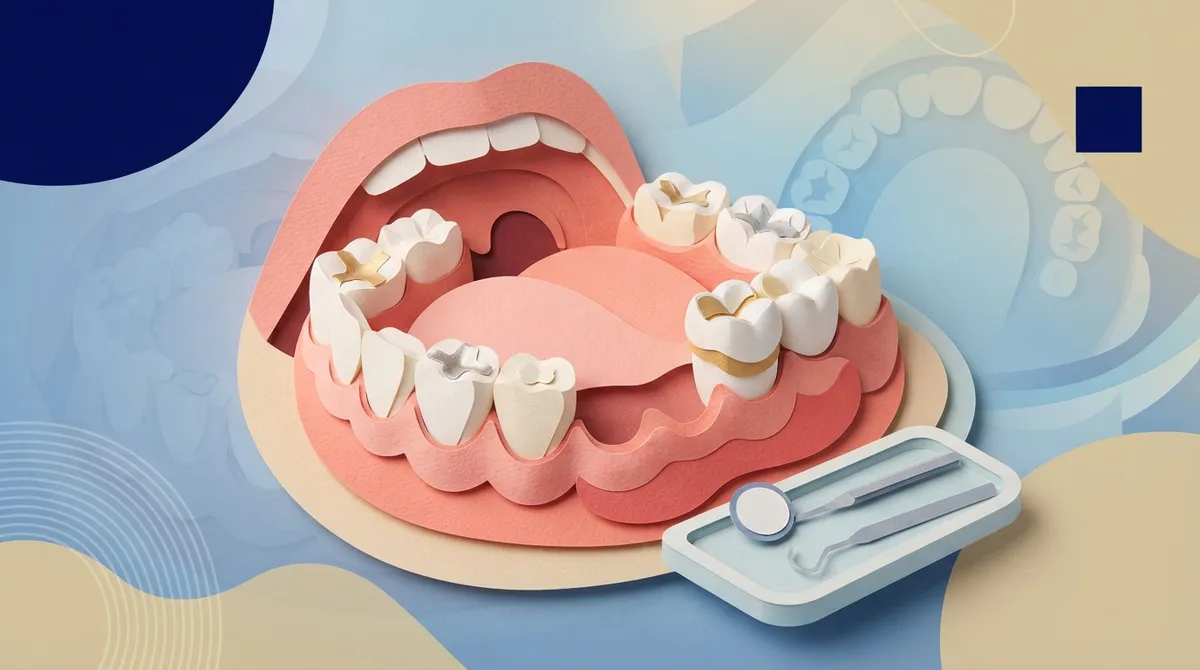
List every restoration you can remember, and note where it is in your mouth. Crowns, bridges, and veneers can affect how brackets or aligner attachments are placed. Fillings matter too, especially large or older ones.
You do not need to be perfect. A rough map is fine, and we will confirm it during your exam. If you are curious how this plays out in real life, see how clear aligners work with dental restorations.
2. Dental Implants
Implants are fixed in the jawbone and do not move like natural teeth. That is not a deal-breaker, but it changes the plan. Your orthodontist may move the natural teeth around the implant or coordinate with your dentist so the final result looks balanced.
Tell us when each implant was placed and which tooth it replaced. It helps us design a plan that respects it.
3. Root Canal Treated Teeth
Teeth that have had a root canal can often be moved, but we like to know about them. Share which teeth were treated and roughly when. If a tooth still bothers you, say so.
4. Missing Teeth and Extractions
Missing teeth change how the rest of your teeth line up. Some people have teeth pulled years ago, and the neighbors slowly tilted into the gap. Others were born without certain teeth.
Tell us what is missing and why. Learn more in our guide on getting braces with missing teeth.
Gum Health and Periodontal History
5. Gum Problems You Have Had
Healthy gums are the foundation for tooth movement. Share any history of bleeding, swelling, loose teeth, gingivitis, or periodontitis. A 2025 expert consensus on orthodontic care for patients with periodontal disease recommends checking periodontal health before moving teeth and getting inflammation under control first.
If gum disease is part of your story, do not worry. Many adults with gum concerns still get orthodontic treatment, just with a careful, coordinated plan. Our article on why gum health matters before adult braces explains more.
6. Gum Treatments and Maintenance Care
Tell us if you have had deep cleanings, gum surgery, or regular periodontal maintenance visits. Note how often you see your hygienist or periodontist. If you have a periodontist, we may want to team up with them.
7. Cavities and Decay
Active cavities should usually be treated before braces or aligners begin. Share any teeth you know are decayed or sensitive. For a deeper look, read why cavities need attention before orthodontic treatment.
Past Orthodontic Treatment
8. Braces or Aligners You Had Before
If you wore braces or aligners as a teen, tell us roughly when and for how long. Did you finish treatment? Did you wear your retainers? Many adults come to us because their teeth slowly shifted back.
This history helps us understand which teeth already moved and which ones may be prone to shifting again. It is especially helpful for anyone thinking about retreatment. See our post on orthodontic relapse warning signs if this sounds familiar.
9. Retainer Use and Relapse
Tell us what kind of retainers you had, whether fixed or removable, and how long you wore them. Be honest if you stopped. Almost everyone does at some point, and we have heard it all. If you still have old trays, our guide on whether to keep previous aligner trays can help.
Symptoms and Function
10. Jaw Pain, Clicking, and Chewing Trouble
Share any jaw pain, popping, clicking, or trouble chewing. Mention when it started and whether it is getting worse. These clues help us understand how your bite works. Our post on signs chewing difficulties warrant a dental evaluation covers what to watch for.
11. Grinding, Clenching, and Mouth Breathing
Do you wake up with a sore jaw or headaches? Has a partner heard you grind at night? Do you breathe through your mouth, or snore? Grinding can wear teeth down, and mouth breathing can affect jaw and bite development. Tell us about habits like nail biting or chewing ice too.
12. Changes in Tooth Position
Have your teeth started to crowd, tilt, or spread apart? Did a front tooth move after losing another tooth? Noting when you first noticed changes gives us a helpful timeline.
Medical History and Medications
13. Medical Conditions, Surgeries, and Allergies
Your mouth is part of your whole body, so your health history matters. Tell us about conditions such as diabetes, heart issues, osteoporosis, autoimmune disorders, or anything else you are managing. Mention past surgeries and any allergies, including latex or metal sensitivities.
The AAO lists medical history among the details patients should provide. Your orthodontist will decide which items affect your care, so when in doubt, share it.
14. Every Medication and Supplement You Take
List prescription medicines, over-the-counter products, and supplements. Some medications can affect gum health, bone, or dry mouth, and that can matter during treatment. A phone photo of your medicine list works great.
A Quick Reference Table
Use this simple table as a checklist before your visit.
| History Item | What to Share | Why It Helps |
|---|---|---|
| Dental work | Fillings, crowns, bridges, veneers, implants, root canals | Guides bracket or attachment placement and tooth movement |
| Missing teeth | Which teeth and why | Shapes space planning and bite goals |
| Gum health | Bleeding, loose teeth, gum disease, treatments | Healthy gums support safe tooth movement |
| Past orthodontics | Dates, treatment type, retainer use, relapse | Explains prior movement and shift risk |
| Symptoms | Jaw pain, grinding, chewing trouble, mouth breathing | Reveals bite and function concerns |
| Medical history | Conditions, surgeries, allergies | Keeps treatment safe and tailored |
| Medications | Prescriptions, over-the-counter, supplements | Flags effects on gums, bone, and healing |
Records to Bring or Send Ahead
Gathering paperwork does not have to be stressful. Here is a simple order to follow.
- Write down your dental and medical history in a short list.
- Photograph your medication and supplement bottles.
- Note your general dentist’s name and phone number.
- Add contact details for any periodontist or specialist you see.
- Ask your dentist to send recent X-rays and treatment summaries if available.
- Bring any old retainers or aligner trays you still have.
Recent records are helpful, but old images do not replace a current exam. Your orthodontist will decide whether new imaging is needed. Learn what those images can show in our guide on what orthodontic X-rays can help evaluate.
Plans That Involve More Than One Dentist
Sometimes your care needs a team. If you plan an extraction, implant, crown, or gum treatment, tell us early. Coordinating with your general dentist, periodontist, or restorative dentist helps us time everything so tooth movement and final dental work fit together.
It is a bit like renovating a house. You want the plumber, electrician, and painter working from the same blueprint. We love helping you coordinate care between your orthodontist and dentist so nothing gets in the way.
Tips for a Calm, Productive Visit
- Be honest and specific. Small details often turn out to be important.
- Say “I do not remember.” That is totally fine. We can check records later.
- Ask questions. Good care is a two-way conversation.
- Share your goals. Tell us what you want your smile to look and feel like.
- Mention your schedule. Busy careers and upcoming events can shape your plan.
For more help getting ready, check out how to prepare for your orthodontist consultation in Clearwater. You may also like our list of 13 questions to ask at an orthodontic consultation.
What Happens After You Share Your History
Once we know your story, we can tailor your exam, imaging, and treatment options. Many adults choose between braces and clear aligners. Our practice offers Spark Clear Aligners, metal braces, and ceramic braces, so we can match the option to your history and goals. Dr. Brockway takes time to listen to your concerns and explain your choices in plain language.
We also use modern tools like digital impressions and 3D imaging to plan with precision. You can learn how that works in our post on Medit intraoral scanning for ortho. If you are still weighing treatment types, our guide on braces vs. clear aligners in Clearwater can help you compare.
If you have been feeling nervous, know that you are in good company. Our 14 facts that prove adults can get braces in 2026 shows how many grown-ups start treatment every year. And if you have a heating or cooling question at home or in the office while you plan appointments, a local pro like Marks Air is a handy name to know.
Ready to Share Your Story?
You do not need a perfect memory or a folder of records to start. You only need to show up, be open, and let us help fill in the gaps. Sharing your dental history is one of the simplest ways to protect your health and get the smile you have been dreaming about.
If you want a friendly, informed team in your corner, book your consultation online or contact us with any questions. You can also see what patients are saying when you visit our Brockway Orthodontics location on Google. For general oral health guidance, the American Dental Association is a trusted resource. We cannot wait to meet you and start your smile journey together.
FAQs
Q: What should I bring to my first adult orthodontic consultation?
A: Bring a list of your dental and medical history, your current medications, and contact details for your general dentist. If you have recent X-rays or treatment summaries, bring those too, and we will let you know if anything else is needed. Do not stress if you forget something, because we can always request records later.
Q: Can I get braces or clear aligners if I have gum disease?
A: Often, yes, but your gum health needs to be checked and controlled first. Inflammation is usually treated before teeth begin to move, and we may coordinate with your dentist or periodontist along the way. Telling us about your gum history helps us build a safe plan.
Q: Do I need to tell my orthodontist about crowns, implants, or fillings?
A: Yes, please share them. Implants do not move like natural teeth, and crowns or bridges can affect how we place brackets or attachments. A rough list of what you have and where it is located is plenty to get started.
Q: Should I mention my previous braces and retainer use?
A: Absolutely. Telling us when you had braces, whether you finished, and how long you wore retainers helps us understand why your teeth may have shifted. There is no judgment here, and honest answers lead to better results.
Q: Do I need to bring old dental X-rays to the consultation?
A: Recent X-rays are helpful to have, but they are not required. Your orthodontist will decide whether new imaging is needed, since older images do not replace a current exam.
Our Service Area