Key Takeaways
-
Keep seeing your general dentist for checkups and cleanings during orthodontic treatment, since braces and aligners do not replace routine dental care.
-
Treat any active cavities or gum disease before teeth start moving, because moving teeth with untreated problems can make them worse.
-
Bring your dentist's name, phone number, recent X-rays, and dental history to your first orthodontic visit so your orthodontist can plan safely.
-
Ask both offices who handles what and how they will share updates, so nothing gets lost between handoffs.
-
Call your orthodontist for broken brackets or poking wires, and call your dentist first for cavities, toothaches, or swollen gums.
-
Agree on who checks your retainer after treatment, since your dentist can monitor bonded retainers during cleanings while your orthodontist handles fit and repairs.
If you are getting braces or clear aligners, you may wonder who handles what. Do you still need your regular dentist? Does your orthodontist take over everything? Good news: you do not have to choose. The best smiles come from a team effort.
Here is how an orthodontist coordinates with a general dentist, and how you can help the two work together. Think of it like a relay race. Your dentist keeps your teeth and gums healthy. Your orthodontist moves teeth into the right spots and fixes your bite. Smooth handoffs between them keep you healthy and on track.
This guide walks you through every stage of treatment, from the first visit to the retainer years. You will learn what to share, what to ask, and who to call when something comes up. Whether you are a parent planning for your child, a teen getting ready for a big milestone, or an adult fitting treatment into a busy life, these steps will help you feel confident and informed.
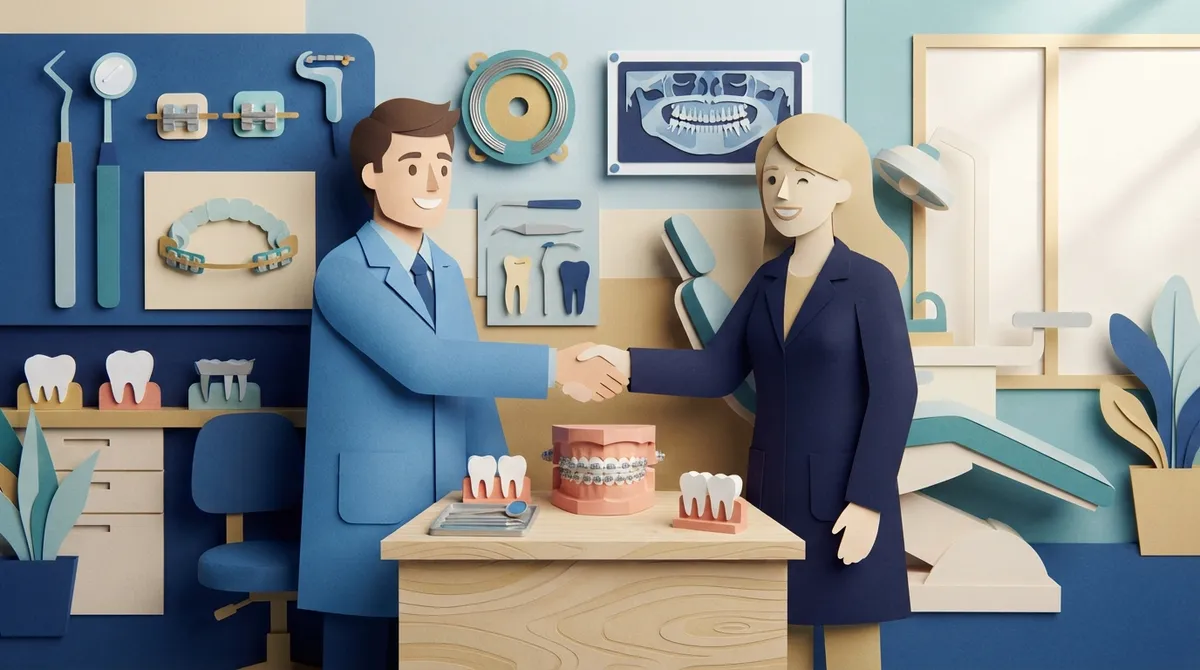
Why Your Orthodontist and Dentist Make a Great Team
Orthodontists and general dentists have different jobs. Both matter. When they share information, you get safer and more complete care.
Your general dentist focuses on prevention and repair. That means checkups, cleanings, cavity treatment, and gum care. Your orthodontist focuses on tooth movement and bite alignment. That includes braces, clear aligners, expanders, and retainers.
Want a deeper look at the difference? Our guide on orthodontist vs. dentist breaks it down in plain language.
| Care Area | General Dentist | Orthodontist |
|---|---|---|
| Checkups and cleanings | Yes, ongoing | No, not a replacement |
| Cavities and fillings | Yes | No |
| Gum health care | Yes, may refer to a periodontist | Monitors and flags concerns |
| Moving teeth | No | Yes |
| Bite and jaw alignment | Notices concerns | Diagnoses and treats |
| Retainer checks | May assist if agreed | Provides and manages |

How to Prepare Before Orthodontic Treatment Begins
Coordination often starts before you ever get braces. A healthy foundation helps your treatment go smoothly. Here is a simple step-by-step plan.
- See your dentist for a full checkup. Your dentist can spot cavities, gum inflammation, or damaged fillings early.
- Ask your dentist to share your dental history. X-rays, past treatments, and notes help your orthodontist see the full picture.
- Book an orthodontic consultation. Your orthodontist checks your teeth, jaws, and bite to build a plan.
- Treat or stabilize any problems first. Your orthodontist may ask that active decay or gum disease be handled before teeth start moving.
- Confirm who contacts whom. Ask both offices how they will share updates, so nothing gets lost.
Curious why this matters? Moving teeth with untreated decay can make problems worse. Read more in our article on why cavities need attention before orthodontic treatment.
Do You Need Your Dentist’s Approval for Braces?
Not always. In many cases you can book directly with an orthodontist. Still, your dentist’s records are very helpful. They show your oral health history and help your orthodontist plan safely. Our post on why you do not need a referral to see an orthodontist explains the details.
What to Bring to Your First Orthodontic Visit
A little prep makes the first visit easier and more useful. You do not need to bring a mountain of paperwork. Just a few key items help your orthodontist coordinate with your dentist.
- Your dentist’s name, office phone number, and email
- Recent dental X-rays, if your dentist can send them
- A list of past dental work, like crowns, fillings, or implants
- Notes about any gum concerns, jaw pain, or sensitivity
- Your dental insurance details
Not sure what else to expect? Check out how to prepare for your first visit to orthodontist for a friendly walkthrough.
How the Two Offices Share Information
Clear communication is the heart of shared care. The American Dental Association advises clear, ongoing communication among providers and with the patient when care is referred or shared. That idea guides how good orthodontic practices work.
Research backs this up. A 2022 survey of orthodontists in France, published in BMC Oral Health, found that about 86.9% of orthodontists, on average, referred patients for a dental consultation before treatment. General dentists or periodontists were informed in 77.1% of cases. That shows referrals and updates are common, but not always perfect. You can help close the gap by asking both offices to stay in touch.
Here are common ways the two offices share updates:
- Treatment plan summaries: Your orthodontist sends a short note explaining your plan and timeline.
- Digital records: Scans and images can be shared when you give permission.
- Referral letters: Either office can refer you for a specific concern, like a cavity or gum issue.
- Progress updates: Your orthodontist may share milestones, such as when braces come off.
Modern tools make this easier. For example, digital scans give a clear view of your teeth, as explained in our post on intraoral scanning for orthodontics.
How to Stay on Track With Your Dentist During Treatment
Here is a common mix-up. Many people think orthodontic adjustment visits replace dental checkups. They do not. Your orthodontist focuses on tooth movement. Your dentist keeps your teeth and gums healthy.
Keep seeing your general dentist for exams and professional cleanings while you have braces or aligners. How often depends on your oral health risk. Your dentist will give the best schedule for you. Braces create extra spots where plaque can hide, so many patients benefit from regular cleanings.
Our guide on dental visit mistakes to avoid when you have braces shares smart tips for keeping both sets of appointments on track.
Daily Habits That Make Both Teams Happy
You are the star player in this team. Your daily habits matter most. Try these tips:
- Brush after meals and before bed, using a soft brush
- Floss daily with a floss threader or water flosser
- Limit sugary drinks and sticky snacks
- Keep up with every orthodontic and dental appointment
- Tell both offices about any new pain, swelling, or broken parts
Need a refresher? Our step-by-step post on how to brush teeth with braces makes it easy.
What Happens When a Problem Pops Up
Even with great care, surprises happen. A cavity may appear. Gums may get puffy. A bracket may break. The key is knowing who to call.
| Situation | Who to Call First | Why |
|---|---|---|
| Cavity or toothache | General dentist | They treat decay and dental pain |
| Swollen or bleeding gums | Dentist, then orthodontist | Dentist checks gum health; orthodontist adjusts plan if needed |
| Broken bracket or poking wire | Orthodontist | They repair braces and wires |
| Damaged filling or crown | Dentist | They restore teeth; orthodontist may adjust timing |
| White spots on teeth | Both | These can signal enamel changes and need a shared plan |
If your dentist finds a cavity, do not panic. Your dentist treats it, and your orthodontist can adjust the plan or timing when needed. If a bracket breaks, learn what to do in our guide on broken brackets vs. poking wires, or review when you need an emergency orthodontist appointment.
When Other Specialists Join the Team
Some patients need extra support. Gum disease is a good example. Healthy, stable gums are important before and during tooth movement. If your dentist finds gum problems, they may send you to a periodontist, who treats gum disease. Your orthodontist can then plan around that care.
Other cases may involve dental restorations, such as crowns or implants. Teeth with restorations can still often move, but planning matters. Learn more in our post on using clear aligners with dental restorations.
This is especially helpful for health-conscious patients and adults with complex needs. A shared plan means your treatment fits your whole mouth, not just your smile.
How to Plan the Finish Line and Retainer Years
Your braces or aligners come off, but the team work continues. Retainers protect your results. Your orthodontist usually shares your outcome and retention plan with your dentist.
A 2025 survey of Dutch dentists, published in the European Journal of Orthodontics, found that 60.7% had agreements with orthodontic practitioners about monitoring bonded retainers and retention follow-up. The response rate was 23.6%, so the results reflect that group. Still, it shows how common shared retainer care is.
Here is a simple way to set up your retainer team:
- Ask your orthodontist who checks your retainer. Decide if it is the orthodontist, the dentist, or both.
- Share the retention plan with your dentist. This includes retainer type and how long to wear it.
- Have your dentist look at a bonded retainer during cleanings. They can spot loose wires or plaque buildup.
- Call your orthodontist for repairs or fit issues. Your orthodontist manages replacements and adjustments.
Learn about your options in fixed vs. removable retainers, and keep your smile safe with how to care for your dental retainer.
Tips for Different Patients
Parents of Children and Teens
Kids grow fast, and so do their teeth. Share both offices’ contact details with each other. Keep up with regular dental cleanings, especially when braces make brushing harder. Our post on ways parents can support teen oral hygiene with braces offers great ideas.
Teens and Young Adults
Big events like graduation or prom may be on your calendar. Tell both offices about your dates so they can plan around them. Take your retainer seriously once braces come off, so your hard work lasts.
Adult Professionals
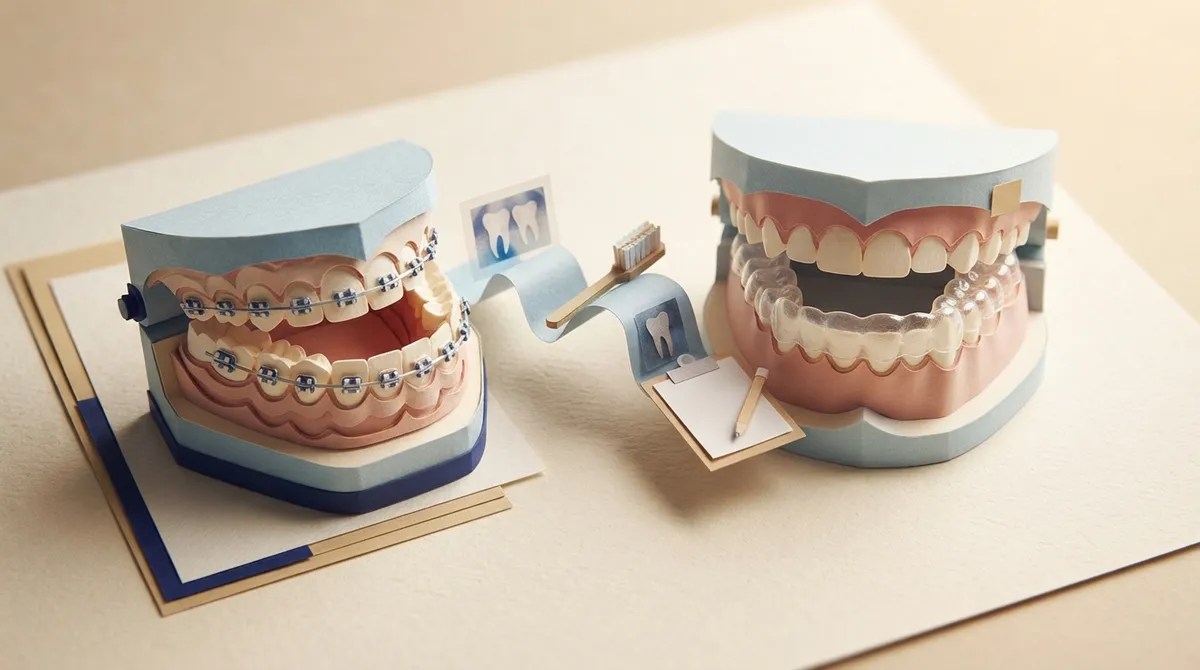
Busy schedule? Ask both offices about appointment times that fit your day. Many adults choose discreet options like clear aligners. If you are weighing choices, see braces vs. clear aligners.
Orthodontic Relapse Patients
If your teeth have shifted after past treatment, your dentist may be the first to notice. Ask them to send notes to your orthodontist. A fresh evaluation can show what is needed. Our post on orthodontic relapse warning signs can help you spot the clues.
How Brockway Orthodontics Helps Make It Easy
At Brockway Orthodontics, we believe great care is a team effort. Dr. Brockway takes time to listen to your goals and explain your options in simple terms. We welcome input from your general dentist so your plan fits your full oral health picture.
Our practice uses modern tools like digital impressions and 3D imaging, which make sharing records simple and comfortable. We offer metal braces, ceramic braces, and Spark Clear Aligners for kids, teens, and adults. See what neighbors say about us when you visit us on Google — Brockway Orthodontics.
Want to know what your first visit looks like? Read what to expect at the orthodontist. You can also learn about local professional groups like the Florida Association of Orthodontists to understand orthodontic standards in our state.
Your Quick Coordination Checklist
Keep this list handy as you move through treatment:
- Share your dentist’s contact info with your orthodontist
- Get a dental checkup before starting treatment
- Treat cavities or gum problems early
- Keep regular dental cleanings during treatment
- Report problems to the right office quickly
- Agree on who handles retainer checks and repairs
- Ask both offices to share updates with each other
Ready to Build Your Smile Team?
You do not have to figure this out alone. When your orthodontist and general dentist work together, you get safer care, fewer surprises, and a smile that lasts. Bring your dentist’s information, keep up your daily habits, and ask lots of questions. We love questions!
Ready to take the next step? Book your free consultation online and let us help you plan your treatment in partnership with your dentist. Prefer to talk first? Contact our team and we will be happy to help.
FAQs
Q: Do I still need to see my general dentist while I have braces?
A: Yes, you do! Your orthodontist focuses on moving your teeth, while your dentist handles checkups, cleanings, and cavities. Keeping up with both helps your smile stay healthy while it gets straighter.
Q: Should cavities or gum disease be treated before getting braces?
A: In most cases, yes. Your orthodontist may ask that active decay or gum disease be treated or stabilized first, since moving teeth with untreated problems can make them worse. Your dentist can take care of it, and then you are ready to start.
Q: What happens if my dentist finds a cavity while I’m wearing braces?
A: Do not worry, this is more common than you might think! Your dentist treats the cavity, and your orthodontist can adjust the plan or timing if needed. Letting both offices know keeps everyone on the same page.
Q: Who should I call if a bracket breaks or my gums become swollen?
A: Call your orthodontist for broken brackets or poking wires, since they repair braces. For swollen or bleeding gums, check with your dentist first and let your orthodontist know too, so your care stays coordinated.
Q: Who checks my retainer after orthodontic treatment ends?
A: It depends on the agreement you make. Your dentist may help monitor your retainer during cleanings, but your orthodontist usually handles fit checks, repairs, and replacements. Ask both offices to agree on who does what so nothing slips through.
Our Service Area