Key Takeaways
-
A retainer is designed to hold teeth in place, not to move them back, so an old retainer cannot reliably correct real tooth shifting on its own.
-
A snug fit may signal minor tooth movement; if it seats fully without strong pain, follow your orthodontist's wear instructions and call if tightness persists.
-
Never force a retainer that will not seat, causes sharp pain, keeps popping off, or looks bent or cracked; stop and contact an orthodontist instead.
-
Do not bend, heat, or soak a retainer at home, since hot water and DIY fixes can warp the plastic or wire and worsen the fit.
-
Your options depend on how far teeth have moved: small shifts may need only a new retainer, while larger shifts may require short-term aligners or braces before a new retainer.
-
Teeth can keep shifting years after treatment, especially without consistent retainer wear, so long-term retention and orthodontist guidance matter.
You dig out your old retainer after a few years. You pop it in, and it feels snug. Maybe it feels a little too snug. Now you are wondering, can an old retainer move teeth back where they used to be? It is a fair question, and plenty of people ask it.
Here is the short version. A retainer is built to hold your teeth where they are. It is not built to push them around. A tight fit can be a sign that your teeth have drifted a little, but forcing the retainer on is not a safe fix. In this guide, you will learn six simple truths about old retainers, what the tight feeling means, and what to do next. We will keep it friendly and clear, whether you are a parent helping a teen, a young adult, or a grown-up wondering about relapse.
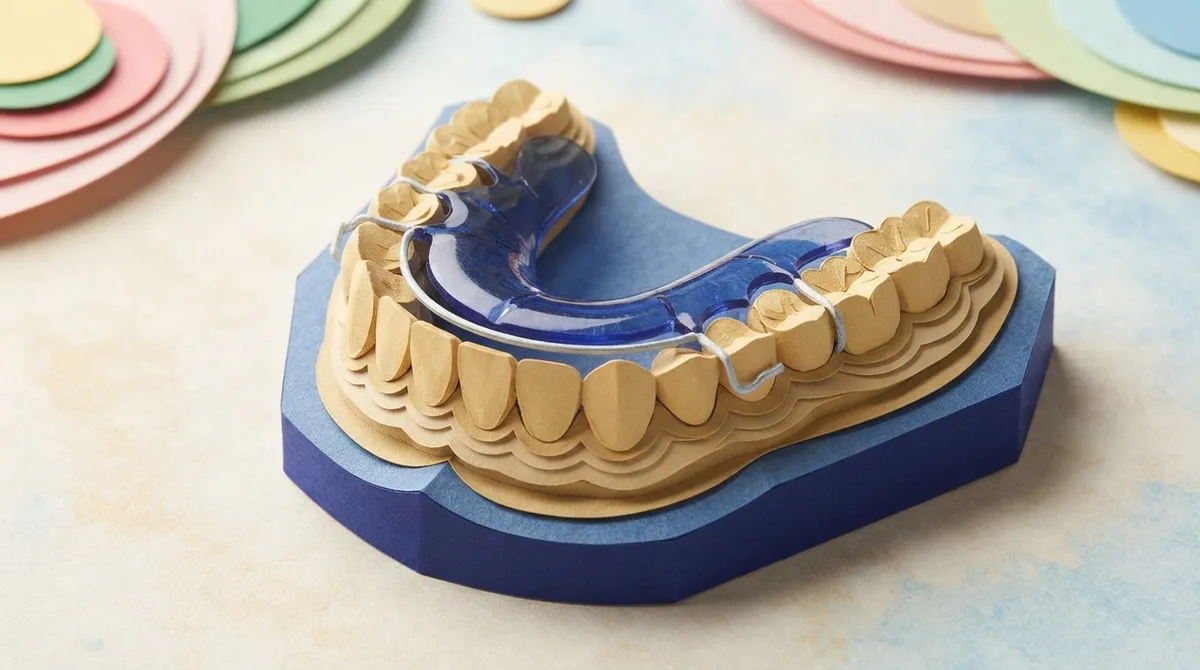
1. A Retainer Is Made to Hold Teeth, Not Move Them
Think of a retainer like a seat belt for your smile. It keeps everything steady after braces or aligners finish their job. It was not designed to be a do-it-yourself way to correct tooth movement.
After orthodontic treatment, your teeth want to drift back toward where they started. Retainers stop that drift. This is why orthodontists stress long-term wear. If you want a deeper look at how these appliances work, read our guide on how orthodontic retainers work to keep teeth straight.
So when people ask, “can an old retainer move teeth back,” the honest answer is this: it may press on your teeth a bit, but that is not its job. It is not a reliable or safe way to fix real shifting. The right fix starts with a professional look at your teeth and your appliance.
Why the Tight Feeling Happens
A snug retainer can mean a few things. Your teeth may have moved a tiny bit. Or the retainer itself may have changed shape over time. Either way, the feeling is a signal to pay attention, not a signal to push harder.
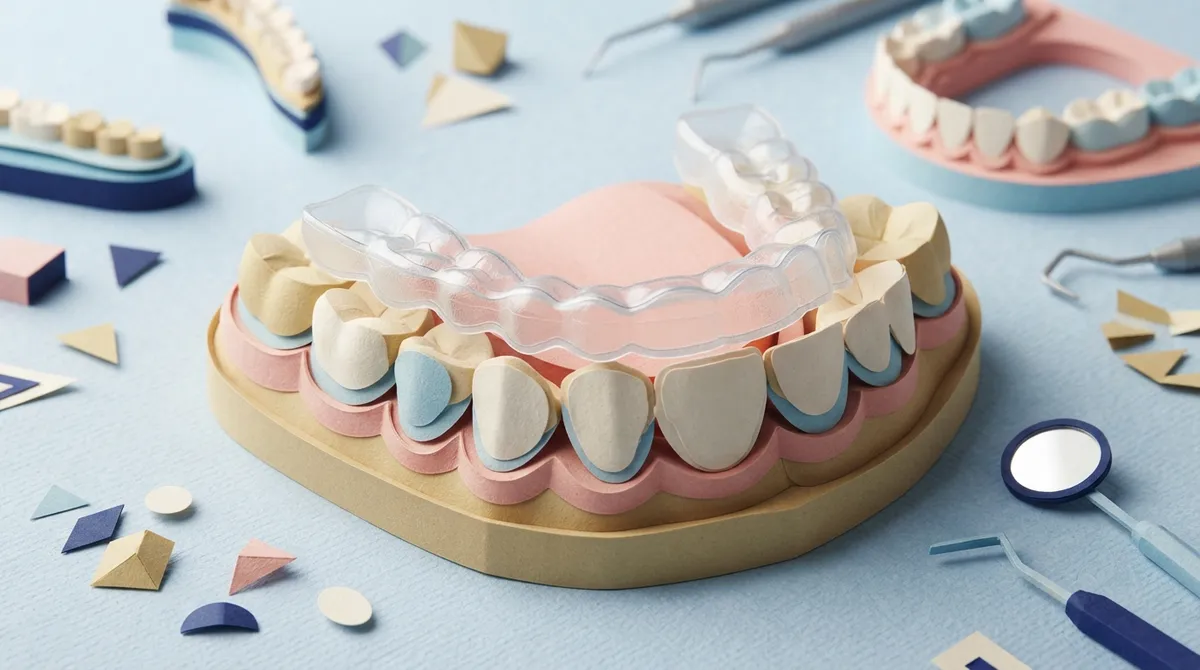
2. A Snug Fit May Mean Minor Movement
If your old retainer still seats all the way and does not hurt much, slight tightness may point to small tooth movement. This is common, especially if you skipped a few nights of wear.
In this case, follow the wear instructions your orthodontist gave you. If the tightness lasts or gets worse, call your orthodontist. A short check can tell you whether you are dealing with a small shift or something bigger. You can also learn why a retainer feels tight all of a sudden for more detail.
Here is a quick way to sort out what you feel:
| What You Notice | What It Could Mean | Best Next Step |
|---|---|---|
| Seats fully, mild snugness | Very small tooth movement | Follow your wear instructions; call if it persists |
| Seats fully, sore for a day or two | Teeth adjusting after time away | Monitor and contact your orthodontist if it continues |
| Will not seat all the way | Teeth moved or retainer changed shape | Stop wearing it and book a visit |
| Sharp pain or hard pressure | Poor fit or possible damage | Remove it and call right away |
| Warped, cracked, or loose | Damaged appliance | Bring it in for an assessment |
3. Never Force a Retainer That Will Not Seat
This is the big one. If your retainer will not go on all the way, do not force it. Pressing hard can hurt your teeth, gums, and the retainer itself.
Stop and contact an orthodontist if any of these happen:
- The retainer needs hard pressure to go on
- It causes sharp or strong pain
- It keeps popping off your teeth
- It looks bent, warped, or cracked
- Your bite feels different than before
Pushing a bad-fitting retainer can move teeth in ways you do not want. It can also strain the roots and gums. For a closer look at the risks, check out why you should not force an ill-fitting retainer.
Do Not Try to Reshape It at Home
It can be tempting to bend or heat a retainer to make it fit. Please do not. Home fixes can warp the plastic or wire and make the problem worse. A professional can check both your teeth and the appliance, then suggest the safest path forward.
4. Your Old Retainer May Have Changed Shape Too
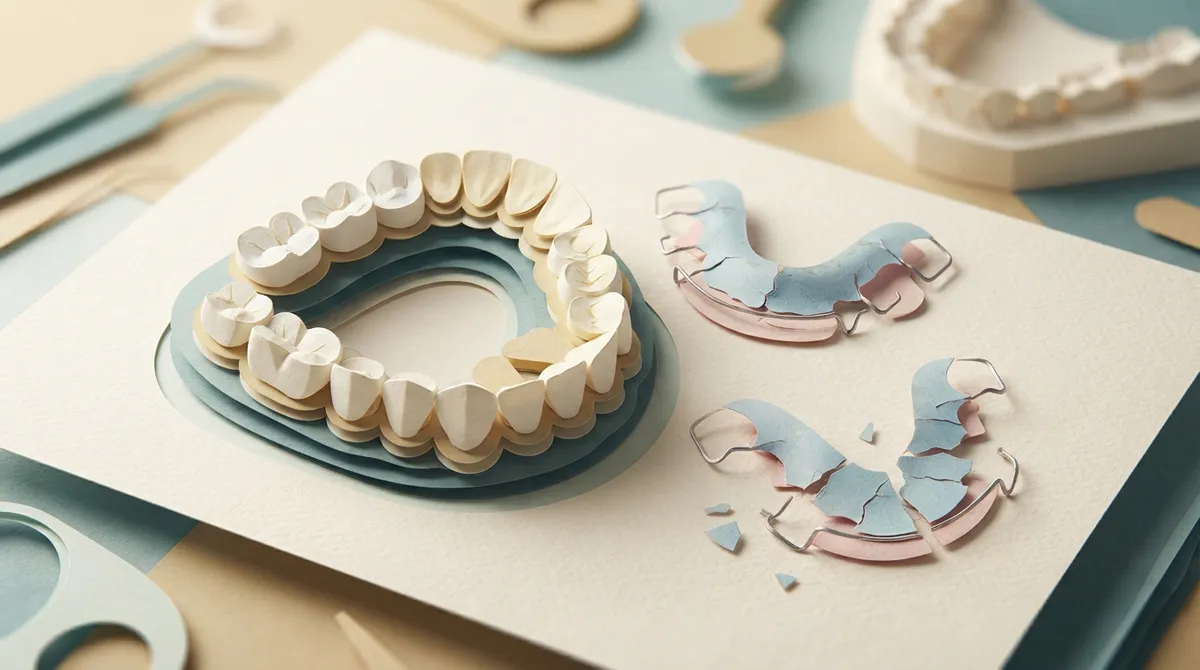
Sometimes the teeth are not the problem. The retainer is. Retainers wear down, crack, or bend over time. Heat, chewing, and rough handling all play a part.
Hot water is a common culprit. It can warp plastic and leave you with a poor fit. If you want to avoid that, see why hot water can warp retainers and how to clean safely. Good daily care matters too, so our tips on caring for your dental retainer the right way can help it last longer.
Here are signs your retainer may be damaged:
- You see cracks, thin spots, or rough edges.
- The plastic looks cloudy, bent, or warped.
- A wire looks loose, bent, or broken.
- It feels loose even though your teeth have not moved.
- It rocks or sits unevenly on your teeth.
If any of these sound familiar, a replacement may be the simplest answer. Learn more in 6 signs you need to replace your retainer fast.
5. Your Options Depend on How Much Teeth Have Moved
Good news: you have choices. The right one depends on how far your teeth have drifted. An orthodontist can look at your smile, your bite, and your retainer, then recommend a plan.
| Amount of Movement | Possible Option | What It Involves |
|---|---|---|
| None or very small | Continue wear or monitor | Follow your orthodontist’s wear schedule |
| Small shift | Adjusted or new retainer | A fresh, custom-fit retainer made for your current teeth |
| Moderate shift | Limited treatment | Short-term aligners or braces, then a new retainer |
| Larger shift or bite change | Full re-treatment | A new treatment plan with braces or clear aligners |
Notice that a new retainer usually comes after any needed tooth movement. A retainer locks in a position. It does not create one. If you are curious about the difference, read retainers vs. active orthodontic treatment.
Braces or Aligners for Relapse
If your teeth have shifted more than a little, limited treatment can bring them back. Many adults choose clear aligners for a discreet option. Brockway Orthodontics offers Spark™ Clear Aligners, metal braces, and ceramic (clear) braces, so you can pick what fits your life. Our guide on adult orthodontic retreatment options for a shifted smile explains what to expect.
6. Teeth Can Shift Years After Treatment
Here is something many people do not know. Teeth can move long after braces come off. Aging, grinding, and skipped retainer wear can all play a part. That is why retention matters for life, not just a year or two.
Bottom teeth often shift the most, especially without a retainer. You can read more in why bottom teeth shift most without a retainer. Our own post on why teeth can shift years after braces goes deeper on this topic.
Wear schedules are not the same for everyone. Your plan depends on your treatment, your teeth, and your habits. To see why, explore why retainer schedules differ between patients. If you want a simple rule, always follow the instructions from the orthodontist who treated you.
Warning signs that your teeth are moving include:
- Gaps opening between teeth
- Crowding or overlap on the lower front teeth
- A change in how your bite feels
- A retainer that feels tight or will not fit
Our friendly list of orthodontic relapse warning signs can help you spot changes early.
What to Do Right Now if Your Old Retainer Feels Off
Let’s make this simple. Here is a short plan you can follow today.
- Check the fit. Does it seat fully and sit evenly? If yes and it feels only slightly snug, follow your last wear instructions.
- Look for damage. Check for cracks, warping, or loose wires.
- Stop if it hurts. If it needs force, causes sharp pain, or keeps popping off, take it out.
- Keep it safe. Store it in its case. Do not bend it or soak it in hot water.
- Call an orthodontist. Bring the retainer along so the team can check both it and your teeth.
If you have lost your retainer or it broke, do not panic. Our guide to 5 steps to take when an old retainer no longer fits walks you through the next moves. Many families also want to know the cost, so see how to budget for retainer price after braces in 2026.
Tips for Parents, Teens, and Adults
Every age group has its own worries. Here are a few quick tips that fit each one.
For Parents of Kids and Teens
Teens lose and break retainers all the time. Keep a spare case in the backpack and set a nightly routine. You can build good habits together with our tips on helping teens keep track of retainers. A calm, friendly chat works better than a lecture.
For Young Adults and Busy Professionals
Life gets busy, and retainers slip down the list. Try pairing wear with something you already do, like brushing before bed. If you travel, our post on retainer care mistakes to avoid while traveling is a handy read.
For Adults Facing Relapse
If your smile has shifted since your braces days, you are not alone. Many adults return for a touch-up and love the result. Re-treatment is often shorter and simpler than the first round. A personal plan can bring your smile back on track.
Why Choose Brockway Orthodontics in Clearwater
At Brockway Orthodontics, we celebrate families. Dr. Brockway takes time to listen to your concerns and explain your options in plain, friendly language. You will know what to expect at each step. If your old retainer no longer fits, we will check your teeth and your appliance, then talk through the safest next move.
We use modern tools like digital impressions instead of messy molds and 3D imaging to plan with care. In certain cases, we can even offer same-day options so you do not need many visits. Our office is a warm, welcoming place for kids, teens, and adults. You can also visit us on Google — Brockway Orthodontics to see what our Clearwater patients say.
For general guidance on dental health, the American Dental Association and the Florida Association of Orthodontists are trusted places to learn more. You can also read the American Association of Orthodontists’ advice on what to do when a retainer feels tight.
Final Thoughts
So, can an old retainer move teeth back? Not reliably, and not safely on its own. A retainer holds your smile in place. If it feels tight, will not seat, or looks damaged, the best move is a quick professional check. You may need only a new retainer, or a short round of treatment. Either way, you can get your smile back on track with the right plan.
Ready to find out where you stand? Book your appointment online and let Dr. Brockway take a look. If you have questions first, you can always contact our friendly team. We would love to help you keep that smile you worked so hard for.
FAQs
Q: Can an old retainer move teeth back into place?
A: Not reliably. A retainer is made to hold teeth steady, not to fix real movement. A snug fit may mean your teeth have shifted a little, so it is best to have an orthodontist take a look.
Q: Should I wear my retainer if it feels tight?
A: If it seats all the way and causes no strong pain, follow the wear plan your orthodontist gave you. If it needs force, hurts a lot, or keeps popping off, take it out and call your orthodontist.
Q: What should I do if my old retainer no longer fits?
A: Do not force it or try to bend it back into shape. Bring it to an orthodontist, who can check both your teeth and the retainer, then suggest a new retainer or limited treatment if needed.
Q: Will I need braces or clear aligners if my teeth have shifted?
A: It depends on how much they moved. Small shifts may only need a new retainer, while larger changes may call for short-term aligners or braces first, followed by a fresh retainer.
Q: Can teeth shift years after orthodontic treatment?
A: Yes, they can. Teeth may drift over time, especially when retainers are not worn as prescribed. That is why many orthodontists recommend long-term retainer wear.
Our Service Area