Key Takeaways
-
An underbite is a bite where the lower front teeth sit in front of the upper front teeth when the mouth is closed, often linked to a Class III malocclusion.
-
Underbites usually come from tooth position, jaw growth, or both, and genetics play a big role, so a professional exam is needed to find the true cause.
-
Mild underbites caused mainly by tooth position may be corrected with braces or clear aligners, while growing children may benefit from growth-guiding appliances.
-
Jaw surgery is generally reserved for selected adults with a large skeletal difference after growth is complete, not for everyone with an underbite.
-
Many orthodontists suggest a first check around age seven if a child shows a forward-looking bite, though early evaluation does not always mean immediate treatment.
-
Skipping retainers after treatment can let teeth drift back, so following post-treatment guidance is key to keeping results stable.
Have you ever looked in the mirror and noticed your lower teeth sitting in front of your upper teeth? Or maybe you spotted it in your child’s smile and wondered what was going on. If so, you are not alone, and there is nothing to panic about. So, what is an underbite? In simple terms, it is a bite where the lower front teeth sit ahead of the upper front teeth when the mouth is closed.
Many people feel unsure about this topic. Is it just a quirk? Is it a problem? Does it need treatment? This friendly guide walks you through nine key things to know. We keep the words simple and the tone easygoing. Whether you are a parent, a teen, or an adult thinking about a change, you will find clear answers here. At Brockway Orthodontics in Clearwater, Florida, we love helping families understand their smiles, so let’s get started together.
1. What Is an Underbite, Exactly?
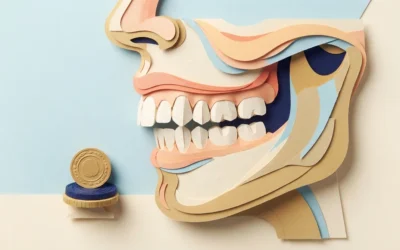
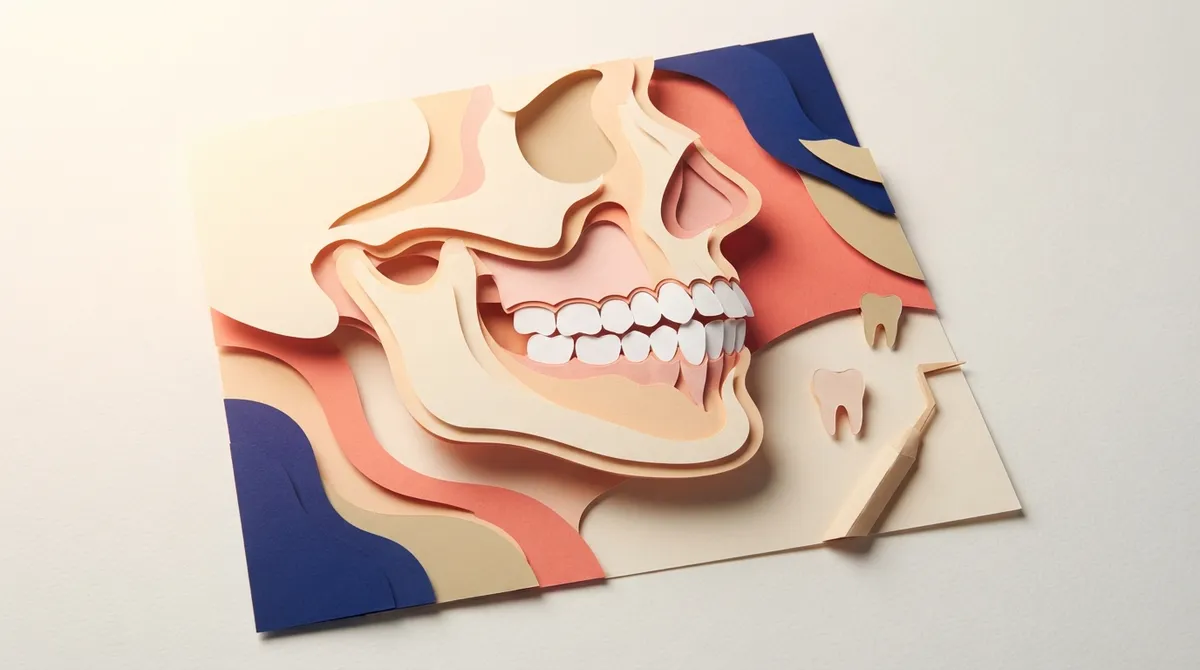
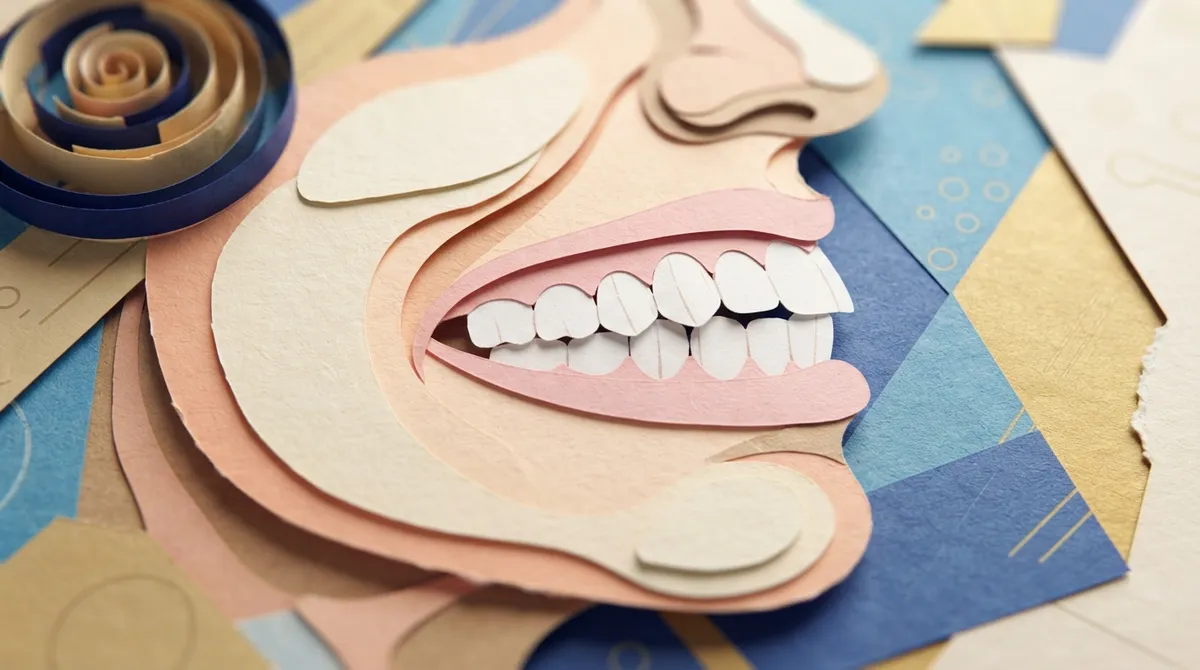
An underbite happens when your lower front teeth sit in front of your upper front teeth. In a typical bite, the upper teeth rest slightly over the lower ones, like a lid on a box. With an underbite, that pattern flips.
Orthodontists often link an underbite to a Class III malocclusion. They may also describe it as a negative overjet. That is just a fancy way of saying the upper teeth sit behind the lower teeth instead of in front.
Underbites come in many sizes. Some are small and barely noticeable. Others are more obvious and affect how the face looks from the side. The visible bite alone does not tell the full story, which is why a professional look matters.
2. Is an Underbite the Same as a Class III Malocclusion?
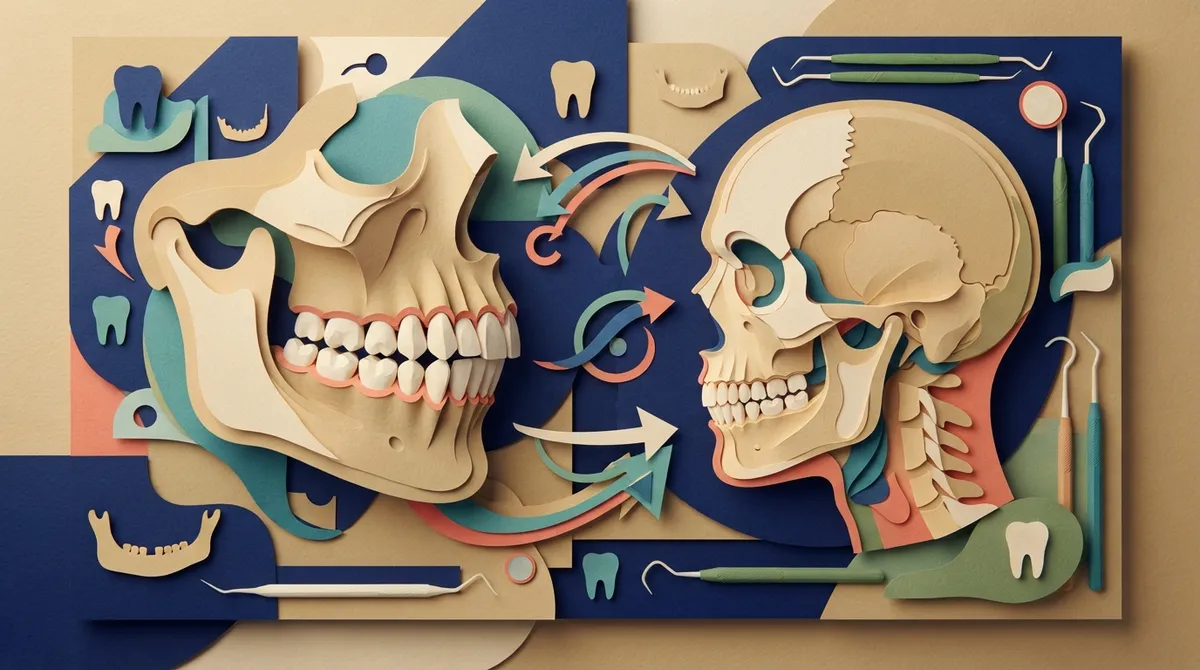
They are closely related, but not always identical. “Malocclusion” simply means the teeth and jaws do not fit together in the usual way. A Class III malocclusion is a specific pattern where the lower jaw or lower teeth sit forward compared with the upper ones.
Many people use the word “underbite” in everyday talk. Orthodontists use more exact terms to describe what is happening. The differences matter because they guide the treatment plan.
| Term | What It Means | Why It Matters |
|---|---|---|
| Underbite | Lower front teeth sit ahead of the upper front teeth | The everyday term most people use |
| Class III malocclusion | A bite pattern where the lower jaw or teeth sit forward | Often linked to an underbite; guides diagnosis |
| Negative overjet | Upper front teeth sit behind the lower front teeth | A measurement orthodontists use to describe the bite |
3. What Causes an Underbite?
There is rarely one single cause. An underbite usually comes from tooth position, jaw growth, or a mix of both. Here are the main possibilities.
- Dental causes: The teeth tilt or sit in a way that pushes the lower teeth forward, even though the jaws are a good size.
- Skeletal causes: The upper jaw may be smaller or set back, the lower jaw may be larger or set forward, or both may be true.
- Functional causes: An early tooth contact can make the lower jaw slide forward when closing. This is different from a fixed jaw difference.
Genetics play a big role. If a parent or grandparent has an underbite, a child may be more likely to have one too. Childhood oral habits may add to the picture in some cases. Less common factors include cleft lip and palate or facial injuries.
You can learn more about how jaws grow in our guide on jaw growth and bite development.
4. How Common Is an Underbite?
Underbites are not rare, but numbers vary a lot depending on who is studied and how the bite is measured. The American Association of Orthodontists estimates that an underbite affects about 5% to 10% of people worldwide. That is a broad estimate, and it changes with the population and the way experts define the problem.
A 2019 systematic review of global malocclusion studies looked at Class III malocclusion, which is related to an underbite but not always the same thing. It reported a pooled prevalence of about 5.93% in permanent teeth and about 3.98% in mixed dentition (the stage with both baby and adult teeth). Across individual studies, the range was wide, from about 1% up to 19.9% in permanent teeth.
The takeaway is simple. A lot of people share this bite pattern, so you are in good company. Always remember that these figures describe groups, not you personally. Only an exam can show what is happening in your own mouth.
5. What Does an Underbite Look Like?
Spotting an underbite can be easy or tricky. Look for these common signs:
- The lower front teeth sit in front of the upper front teeth when you bite down.
- The chin may look more forward or prominent in profile.
- The upper lip may look a little flat or sunken.
- The upper and lower teeth may not meet well when you chew.
Some people have very mild signs. Others have strong ones. Because the look of the bite does not always show how serious it is, a photo or a quick glance in the mirror cannot replace an exam. The same goes for children, whose bites change as new teeth come in.
6. Can an Underbite Cause Problems?
Sometimes yes, and sometimes no. Some people live with few symptoms. Others notice real effects. Possible concerns include:
- Biting and chewing trouble: The front teeth may not meet well, which can make it hard to bite into foods.
- Uneven tooth wear: Teeth that rub in unusual ways may wear down faster.
- Speech concerns: Some sounds can feel harder to make clearly.
- Appearance concerns: Some people feel self-conscious about their profile or smile.
If chewing or other daily tasks feel tough, our article on signs chewing difficulties warrant a dental evaluation is a helpful read. Your comfort and confidence both matter, and either one is a fine reason to ask for advice.
7. How Do Orthodontists Diagnose an Underbite?
A good diagnosis looks at the whole picture, not just the front teeth. An orthodontist typically considers:
- Your teeth and bite: How the upper and lower teeth meet when you close.
- Your jaw relationship: Whether the jaws are balanced or one sits forward.
- Your facial profile: How your face looks from the side.
- Your growth stage: Children and teens are still growing, which affects the plan.
- Your health history: Medical and dental history can offer helpful clues.
Records may include photos, dental models or digital scans, and X-rays. When it makes sense, an orthodontist may use cephalometric imaging, which is a special side-view X-ray that shows how the jaws relate to each other. At Brockway Orthodontics, we use digital impressions instead of messy molds, plus 3D imaging that helps us plan with care. You can read more about that in our article on what orthodontic X-rays can help evaluate.
One key step is telling a functional shift from a fixed skeletal difference. Some bites only look like an underbite because the lower jaw slides forward at the last moment. That is a different case from true jaw growth differences, and the treatment can change a lot.
8. How Is an Underbite Treated?
Treatment is never one size fits all. The best path depends on the cause, your age, and your goals. Here is a simple overview.
| Approach | Who It May Suit | What It Does |
|---|---|---|
| Braces, sometimes with elastics | Teens and adults with selected, mostly dental cases | Moves teeth into better positions |
| Clear aligners | Selected mild, mostly dental cases | Gradually shifts teeth with removable trays |
| Growth-guiding appliances | Some growing children | May help guide upper jaw development |
| Orthodontics plus jaw surgery | Selected adults with a larger skeletal difference | Aligns the jaws and teeth after growth is complete |
Braces and Clear Aligners
For mild cases that come mostly from tooth position, braces or aligners may do the job. Braces can use elastics (small rubber bands) to help guide the bite. Our practice offers metal braces, ceramic (clear) braces, and Spark™ Clear Aligners, which are a more affordable aligner option. To compare choices, see our guide on braces vs. clear aligners.
Treatment for Growing Children
In kids who are still growing, an orthodontist may consider a palatal expander with a reverse-pull facemask. The goal is to help influence upper jaw development. Results depend on each child and their growth pattern, so no one can promise a specific outcome. Early checks can spot a developing Class III bite, but not every child needs treatment right away. Timing is a decision for the orthodontist. If you are curious, read our article on palatal expanders.
Jaw Surgery for Some Adults
When a skeletal difference is large and growth is complete, orthodontic care may be combined with orthognathic (jaw) surgery. This is not needed for everyone. It is for selected cases where braces alone cannot fix the root issue. You can explore this further in our post on surgical orthodontics.
Hoping to compare all your options in one place? Our friendly guide on how to fix an underbite walks through each path.
9. When Should You See an Orthodontist?
The short answer is sooner is usually easier than later, but it is never too late. Here is how it breaks down for different people.
- Parents of children: If you spot a forward-looking bite in a young child, ask about an early check. Many orthodontists suggest a first visit around age seven. Learn more in our article on age 7 vs. waiting.
- Teens: Teens are often still growing, which can give more treatment options. A visit before big milestones like graduation can help you plan timing.
- Adults: You can still get care as an adult. Many adults start treatment for comfort, function, or confidence.
- Past braces patients: If your bite changed after earlier treatment, a retreatment check can show what is going on.
An early evaluation is not the same as starting treatment. It is simply a chance to learn what is happening and what, if anything, to do next. Our post on why early evaluation isn’t treatment explains this well.
Avoiding Common Underbite Mistakes
A few missteps can slow things down or add stress. Keep these in mind:
- Waiting too long when a child’s bite clearly looks off.
- Trying quick fixes you saw online instead of getting a real exam.
- Assuming a mild underbite is always harmless, or that a strong one always needs surgery.
- Skipping retainers after treatment, which can let teeth drift back.
For more on this topic, check out 13 underbite treatment mistakes to avoid. And if you are weighing costs, our guide to treatment complexity and fees explains why prices can differ from one person to the next.
What to Expect at Brockway Orthodontics
Dr. Brockway takes time to listen to your concerns and your hopes for your smile. She explains each option in a friendly, easy way, so you feel informed from start to finish. We care for kids, teens, and adults, so the whole family can come to one trusted place in Clearwater.
In certain cases, we can even offer same-day treatments, which is a big help for busy families. Our team also shares financing details so cost does not feel like a mystery. You can see what neighbors say about us by visiting Brockway Orthodontics on Google, and you can learn more about the American Dental Association’s oral health advice on the ADA website. To find a specialist in our state, the Florida Association of Orthodontists is another useful resource.
The Bottom Line on Underbites
So, what is an underbite? It is a bite where the lower front teeth sit ahead of the upper ones, often tied to a Class III pattern. It can come from tooth position, jaw growth, or both. The good news is that there are many ways to help, from braces and aligners to growth-guiding tools and, in some adult cases, surgery.
You do not need to guess your way through this. A careful exam can show what is going on and which path fits you best. Ready to learn more about your own smile? Book your appointment online and meet our friendly team, or contact us with any questions. We would love to help you smile with confidence in 2026 and beyond.
FAQs
Q: What does an underbite look like?
A: With an underbite, your lower front teeth sit in front of your upper front teeth when your mouth is closed. Your chin may also look a bit more forward from the side. Some underbites are subtle, so an orthodontist can tell you for sure.
Q: Can braces or clear aligners fix an underbite?
A: They can help in selected cases, especially mild ones that come mostly from tooth position. Braces may use elastics to guide the bite. If the jaws are the main cause, your orthodontist may suggest a different plan.
Q: Can an underbite be corrected without jaw surgery?
A: Often, yes. Many dental underbites improve with braces or aligners, and some growing children benefit from appliances that guide jaw growth. Surgery is usually kept for selected adults with a large skeletal difference after growth is complete.
Q: What problems can an untreated underbite cause?
A: Some people notice trouble biting or chewing, uneven tooth wear, or speech concerns. Others feel self-conscious about their smile or profile. Some people have few symptoms, so an exam is the best way to know how it affects you.
Q: When should a child with an underbite see an orthodontist?
A: If you spot a forward-looking bite in your child, an early check is a smart move, and many experts suggest a first visit around age seven. An early visit does not always mean treatment starts right away. The orthodontist will choose the best timing for your child.
Our Service Area