Key Takeaways
-
Tooth alignment describes the position of individual teeth within the dental arches, while jaw alignment describes how the upper and lower jawbones relate to each other and to the face. A person can have either or both.
-
Braces and clear aligners move teeth and can fix many bite problems, but they do not reposition the jawbones of a fully grown adult; significant jaw differences may only be camouflaged.
-
Clues like crowding, gaps, or a few rotated teeth point toward a tooth issue, while a receding or forward chin, uneven lower face, or front teeth that don't touch suggest a skeletal issue.
-
Orthodontists evaluate both teeth and jaws using a clinical exam, face photos, digital scans or models, and X-rays, so a professional exam is the only reliable way to tell the difference.
-
Corrective jaw surgery is generally reserved for severe skeletal discrepancies after jaw growth is complete, and it is planned jointly by an orthodontist and an oral and maxillofacial surgeon.
-
Symptoms alone do not prove surgery is needed, and jaw pain or breathing concerns should be raised at an appointment since they may have causes unrelated to alignment.
Have you ever looked in the mirror and wondered why your smile still feels “off,” even though your teeth look fairly straight? Or maybe a dentist once told you that your bite is the real problem, not your teeth. You are not alone. Many people mix up two different ideas: tooth alignment versus jaw alignment. They sound alike, but they describe very different things.
Here is the simple version. Tooth alignment is about where your teeth sit. Jaw alignment is about how your upper and lower jawbones line up with each other and with your face. You can have one issue, the other, or both.
In this friendly guide, we will walk through how each one works, how an orthodontist tells them apart, and when braces or clear aligners are enough. We will also cover the rare cases that call for a team approach with corrective jaw surgery. Grab a cup of coffee and let’s sort it out together.
What Is Tooth Alignment?
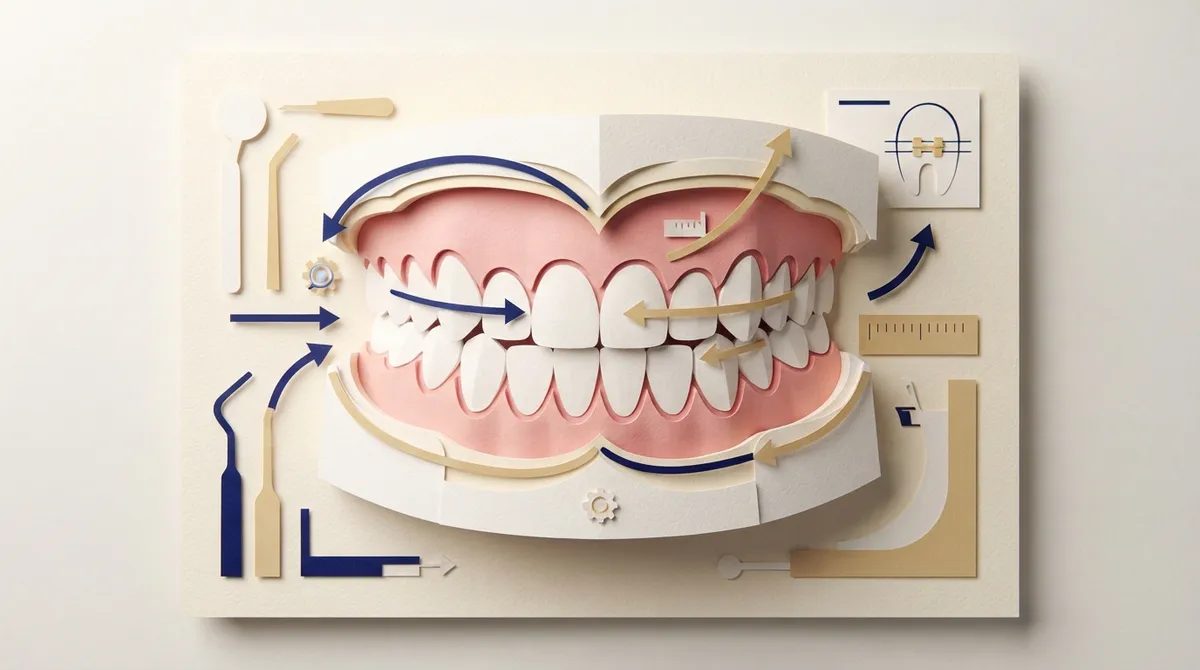
Tooth alignment, also called dental alignment, is about the position of each tooth inside your dental arches. Think of your arches as two curved “tracks” where your teeth line up like train cars. When the cars are crowded, twisted, or spaced too far apart, that is a tooth alignment issue.
Common tooth alignment problems include:
- Crowded teeth that overlap or twist
- Gaps between teeth
- Rotated or tilted teeth
- Teeth that sit too far forward or back within the arch
The good news is that these concerns are what orthodontic appliances do best. Braces and clear aligners apply gentle, steady pressure to move teeth into better positions. If you want a deeper look at why teeth drift out of place, our guide on why dental misalignment happens and what helps is a great place to start.
What Is Jaw Alignment?
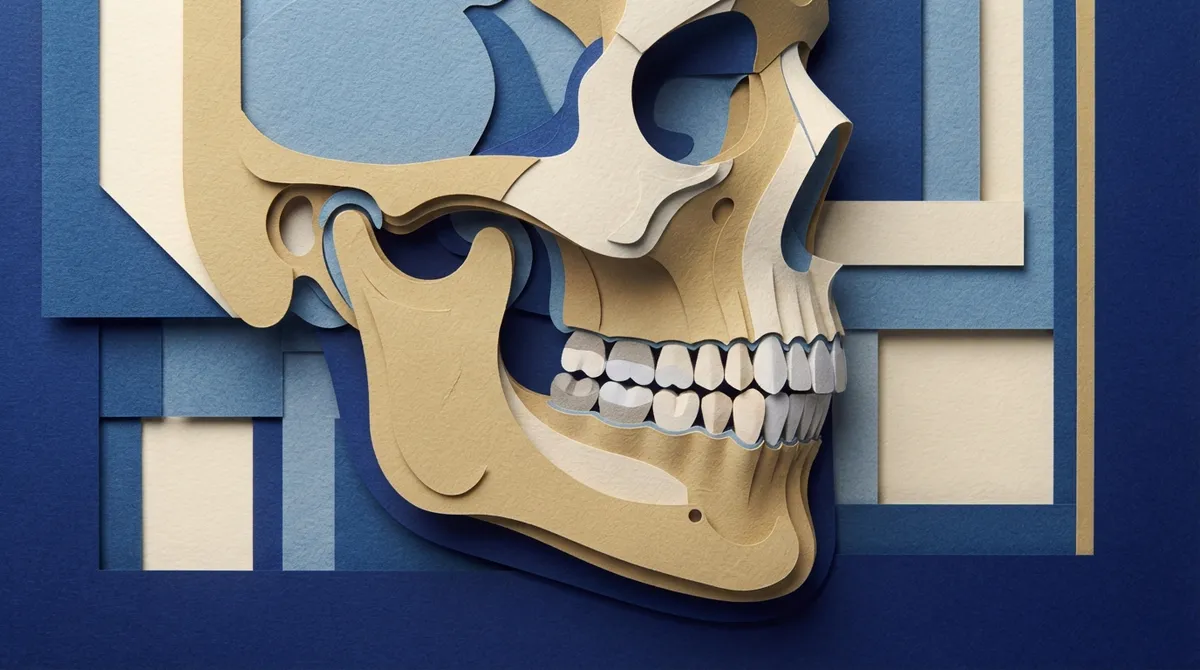
Jaw alignment, sometimes called skeletal alignment, is about the bones, not the teeth. It describes how your upper jaw and lower jaw relate to each other and to the rest of your face. If one jaw is smaller, larger, or positioned farther forward or back than the other, the jaws are out of balance.
Here is a helpful way to picture it. Imagine two sets of stairs that need to meet. Even if each stair is perfectly built (your teeth), the staircases will not line up if the two frames (your jawbones) sit at different angles.
Jaw alignment issues can show up as:
- A lower jaw that sits far behind the upper jaw
- A lower jaw that sits in front of the upper jaw
- An upper jaw that is narrow compared to the lower jaw
- Facial asymmetry, where one side looks different from the other
It is important to know that a jaw issue does not always mean something is “wrong.” Faces come in all shapes. What matters is whether the jaw relationship affects how you bite, chew, or feel about your smile, and that takes a professional exam to judge.
Tooth Alignment vs. Jaw Alignment: A Side-by-Side Comparison
Seeing the two ideas next to each other makes the difference much clearer. Here is a quick comparison.
| Feature | Tooth Alignment | Jaw Alignment |
|---|---|---|
| What it describes | Position of individual teeth in the arches | Relationship of the upper and lower jawbones |
| Also called | Dental alignment | Skeletal alignment |
| Typical signs | Crowding, gaps, rotated teeth | Marked overbite or underbite, open bite, facial imbalance |
| Main tools to treat | Braces, clear aligners, retainers | Orthodontics, and in selected cases, corrective jaw surgery |
| Who is involved | Orthodontist | Orthodontist, and sometimes an oral and maxillofacial surgeon |
One more key point: a person can have a tooth alignment issue, a jaw alignment issue, or both at the same time. That is why a careful exam matters so much before any plan is made.
Can Braces or Clear Aligners Fix a Misaligned Jaw?
This is one of the most common questions we hear. The honest answer is: it depends on what is causing the problem.
Braces and clear aligners move teeth. They are excellent at that job. They can fix many tooth-position problems and many bite problems. But they do not reposition or reshape the jawbones in a fully grown adult.
Here is where it gets interesting. Sometimes a bite problem looks like a jaw problem but is really about tooth position. In those cases, orthodontic treatment alone may be all you need. Other times, the jaw size or jaw position is the true cause. Then, moving the teeth can only “camouflage” the issue. Camouflage means shifting the teeth so the bite looks and works better, even though the bones underneath have not changed.
For mild to moderate cases, camouflage can work beautifully. For a significant jaw discrepancy, it may not fully correct the bite or the facial balance. Your orthodontist will talk this through with you honestly, so you know what to expect.
If you are weighing your options, our comparison of braces vs. clear aligners can help you see which tool fits which goal.
How Can You Tell Whether Your Bite Problem Is Dental or Skeletal?
You cannot always tell by looking in the mirror. That is perfectly normal, and it is exactly why we do exams! Still, there are a few clues that might help you decide when to ask for an evaluation.
Signs That May Point to a Tooth (Dental) Issue
- Teeth look crowded or have visible gaps
- One or two teeth are turned or tilted
- The face looks balanced, but the smile feels uneven
- The bite issue seems limited to a few teeth
Signs That May Point to a Jaw (Skeletal) Issue
- The chin looks very far back or very far forward
- The lower face looks uneven from side to side
- Front teeth do not touch when you bite down
- You have long-standing trouble biting or chewing certain foods
Please remember that these are only clues, not a diagnosis. Symptoms alone do not prove that jaw surgery is needed, and many bite concerns can be handled with orthodontics alone. For a closer look at related bite types, check out our article on deep bite vs. overbite.
How Do Orthodontists Evaluate Tooth and Jaw Alignment?
A good evaluation looks at the whole picture, not just your teeth. An orthodontist studies your teeth, your bite, your facial proportions, and your jaw relationship. The exact records depend on your case, but they may include:
- A clinical exam to check your teeth, gums, bite, and jaw movement
- Photographs of your face and smile from different angles
- Dental models or digital scans that capture the exact shape of your arches
- Radiographs (X-rays) to see tooth roots, jaw bones, and how they relate
At Brockway Orthodontics, we use modern tools like digital impressions instead of messy molds, plus 3D imaging that helps plan treatment with precision. You can read more about what scans reveal in our post on what a 3D imaging orthodontist actually sees.
The goal is simple. We want to learn whether your concern is mostly about tooth position, mostly about jaw position, or a mix of both. That answer shapes the whole plan.
When Is Orthodontics Alone Enough?
For many families, orthodontics alone does the job. When a bite problem is mainly dental, moving the teeth can improve how everything fits together. This is true for a large share of patients, including kids, teens, and adults.
Orthodontics alone is often a good fit when:
- The main issue is crowding, spacing, or rotated teeth
- The bite problem comes from tooth position rather than jaw size
- The jaw relationship is within a range that camouflage can handle well
- Growing children can benefit from guided development
If you are a parent, early checkups matter here. Growing jaws can sometimes be guided while a child is still developing. Learn more in our guide on jaw growth and bite development, or see when a child should first see an orthodontist.
When Does Jaw Alignment Call for Surgery?
Now for the part that sounds scary but is actually quite structured. For severe skeletal discrepancies in patients whose jaw growth is complete, treatment may combine orthodontics with orthognathic surgery, which is the technical name for corrective jaw surgery.
An orthodontist and an oral and maxillofacial surgeon plan the care together. It is a true team effort. Jaw surgery may be considered for substantial bite or jaw discrepancies tied to concerns such as:
- Difficulty biting or chewing
- An open bite
- A marked underbite or overbite
- Facial asymmetry
- Certain congenital conditions or past injuries
Here is the important reassurance: having one of these signs does not automatically mean you need surgery. Every person is different, and the decision is individualized. We never want anyone to think every overbite or jaw symptom requires an operation, because most do not. If you are curious about non-surgical paths, our article on fixing a crossbite without surgery offers a helpful look.
Do You Need Braces Before and After Jaw Surgery?
In most combined cases, yes. Braces are commonly used before surgery to prepare the teeth, and again after surgery to fine-tune how the teeth fit together with the repositioned jaws. Think of braces as the “coordinators” that make sure the teeth and jaws work as one team. For more on this path, see our overview of surgical orthodontics facts.
The Combined Treatment Path: What It Looks Like
If your care plan includes both orthodontics and jaw surgery, the sequence and length vary from person to person. In general, though, the journey often follows these steps:
- Evaluation and records. Your orthodontist gathers photos, scans, and X-rays and discusses your goals.
- Joint planning. The orthodontist and surgeon decide together whether surgery is the right route.
- Pre-surgery braces. Braces align the teeth so they fit well once the jaws move.
- Surgery. The surgeon repositions the jaw or jaws according to the plan.
- Post-surgery refinement. Braces are used to fine-tune the bite as healing progresses.
- Retention. Retainers help keep the new smile steady for the long run.
Jaw surgery is generally planned after jaw growth is complete, though timing varies by individual and clinical circumstances. Treatment can take several years from start to finish. That sounds like a lot, but many patients tell us the life-changing results felt worth the patience. Your care team will walk you through each stage so nothing feels like a surprise.
Which Option Fits Which Person?
Let’s bring this to life with a few everyday examples, tuned to the people we meet most often.
- Parents of kids and teens: If your child has crowding or gaps, braces or aligners may be just right. If you notice a very noticeable jaw difference while your child is still growing, an early visit can help you understand options sooner.
- Teens and young adults: Most tooth alignment goals, like a straighter smile before graduation, can be met with braces or clear aligners. Our 12 questions teens should ask their orthodontist is a handy list to bring along.
- Adult professionals: If you want a discreet fix for crowding or a mild bite issue, clear aligners or ceramic braces may work well. A larger jaw concern calls for a careful, honest conversation.
- Relapse patients: If your teeth shifted after past treatment, that is usually a tooth alignment matter, and retreatment can often help. Read about relapse warning signs to see if this sounds like you.
- Health-conscious patients: If you are thinking about long-term oral health, a thorough exam helps connect your bite, your gums, and your jaw so your plan fits your whole mouth.
A Gentle Note About Jaw Pain and Breathing
Some people wonder whether jaw-joint pain or sleep and breathing concerns come from alignment. These topics can have many possible causes. They should not be assumed to disappear with braces or jaw treatment alone. If you have ongoing jaw pain, clicking, or trouble sleeping, it is wise to bring it up at your visit so the right professionals can look at the full picture. If breathing is on your mind, you can learn more about airway orthodontics.
Why Local, Personalized Care Matters
Sorting out tooth and jaw alignment takes time, patience, and a good listener. That is exactly why Brockway Orthodontics is a go-to choice for families in Clearwater, Florida. Dr. Brockway takes the time to hear your concerns and your dreams for your smile. She explains your options in plain language so you feel comfortable at every step.
We offer metal braces, ceramic (clear) braces, and Spark Clear Aligners, a more affordable alternative to Invisalign. Our modern tools, from digital impressions to 3D imaging, help plan care with precision. In certain cases, we can even offer same-day treatments, so busy families do not need to juggle many visits. Curious what real patients think? Visit us on Google — Brockway Orthodontics to read reviews from our Clearwater community.
You can also explore trusted resources like the American Dental Association and the Florida Association of Orthodontists to learn more about oral health and orthodontic care in general. And if you would like to see how a first appointment works, our post on what to expect at your first orthodontist appointment walks you through it.
The Bottom Line on Tooth Alignment vs. Jaw Alignment
Let’s wrap it up in plain terms. Tooth alignment is about where your teeth sit. Jaw alignment is about how your jawbones relate to each other and your face. Braces and clear aligners are terrific tools for moving teeth, and for many bite problems they are all you need. For the smaller group of people with significant skeletal differences and finished jaw growth, a team plan with corrective jaw surgery may be worth discussing.
The most important thing is not to guess. A real exam gives you real answers, and most concerns turn out to be very treatable. Whether your goal is a straighter smile, a healthier bite, or both, you deserve a clear plan and a caring team.
Ready to find out where you stand? Book your consultation online and let Dr. Brockway take a look. Prefer to talk first? You can always contact our friendly team with your questions. We would love to help you smile with confidence in 2026 and beyond.
FAQs
Q: What is the difference between tooth alignment and jaw alignment?
A: Tooth alignment is about where each tooth sits in your dental arches, while jaw alignment is about how your upper and lower jawbones line up with each other and your face. You can have one issue, the other, or both, which is why a full exam is so helpful.
Q: Can braces or clear aligners fix a misaligned jaw?
A: Braces and clear aligners move teeth, and they can fix many tooth and bite problems. They do not reposition or reshape the jawbones in a fully grown adult, so a significant jaw discrepancy may need a different plan, sometimes including corrective jaw surgery.
Q: When is corrective jaw surgery recommended instead of orthodontics alone?
A: Jaw surgery may be considered when jaw growth is complete and there is a substantial jaw-size or jaw-position problem that orthodontics alone cannot adequately correct. Your orthodontist and an oral and maxillofacial surgeon decide this together after an individual exam, and symptoms alone do not mean surgery is needed.
Q: Do I need braces before and after jaw surgery?
A: In most combined cases, yes. Braces are commonly used before surgery to prepare the teeth and after surgery to fine-tune how the teeth fit with the repositioned jaws. The exact timing and length depend on your case.
Q: What symptoms should prompt an orthodontic evaluation?
A: Consider a visit if you notice crowded or gapped teeth, a bite that feels off, trouble biting or chewing, front teeth that do not meet, or a noticeable jaw or facial imbalance. An orthodontist can tell you whether the cause is mostly your teeth, your jaw, or both, and what options fit you best.
Our Service Area