Key Takeaways
-
Yes, teeth can still shift while wearing a retainer because natural aging and changes in bone and gum tissue continue over time, though a retainer greatly lowers the risk.
-
A tight retainer does not always mean teeth have moved; it can also signal a warped, cracked, or worn appliance, so only an orthodontist can determine the cause.
-
Never force a retainer that does not seat fully or causes pain, since biting it into place can crack it or push teeth in the wrong direction. Call your orthodontist instead.
-
Fixed retainers can loosen or break unnoticed, and teeth may start drifting within days or weeks, so contact your orthodontist promptly if a wire feels loose or sharp.
-
Consistent wear matters most: skipping nights gives teeth room to drift, and long-term nighttime or several-nights-a-week wear is often recommended as directed by your orthodontist.
-
Catch shifts early by taking a photo of your smile every few months and watching for new gaps, overlapping teeth, or floss catching in new places, then schedule a checkup.
You finished braces or clear aligners, and your smile looks amazing. Then one night your retainer feels a little snug, and a worry pops up: can teeth move with a retainer? It is a fair question, and you are not alone in asking it.
The short answer is yes. Retainers do a great job of holding your results in place, but they cannot freeze every tooth forever. Your mouth is alive. Bone, gums, and tissue keep changing, even when you do everything right.
In this guide, we will explain why teeth can still shift, what a tight retainer might mean, and when to call your orthodontist. Whether you are a parent helping a teen, a young adult with a busy social life, or an adult who wants to protect an investment, you will find clear, friendly answers here. At Brockway Orthodontics in Clearwater, Florida, we talk with patients about this every week, so let’s dive in together.
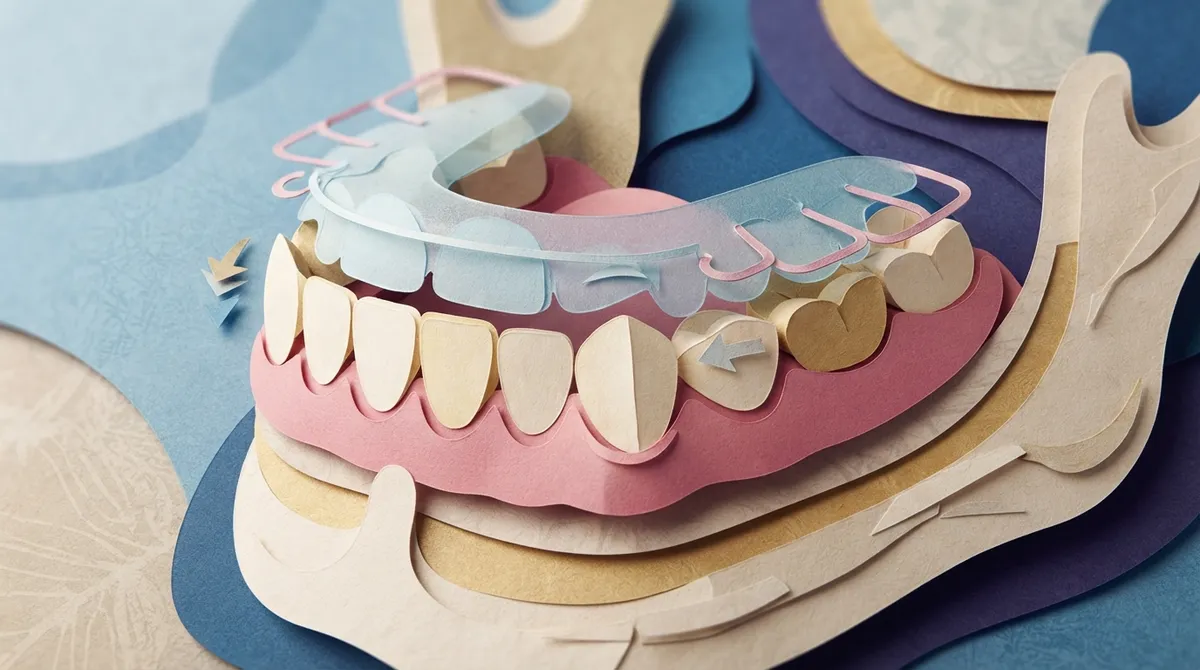
The Short Answer: Yes, Teeth Can Move With a Retainer
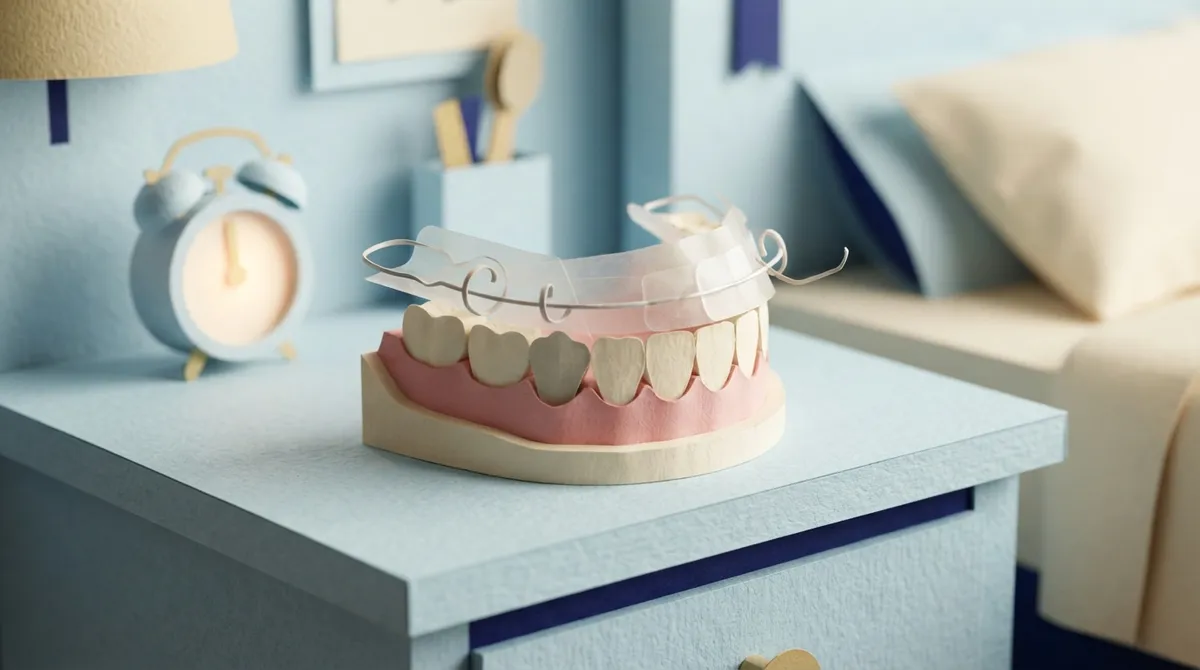
Retainers exist to reduce unwanted movement. They are not magic shields. Even with good wear, small changes can happen over time.
Think of a retainer like a seatbelt. It lowers your risk a lot, but it does not promise that nothing will ever happen. Natural age-related changes and shifts in the supporting tissues can still nudge teeth a little.
Here are a few reasons teeth may still move while you wear a retainer:
- Natural aging: The bone and gum tissue around your teeth change slowly over the years.
- Appliance wear: A retainer that is cracked, worn thin, or warped may not hold teeth the way it should.
- Inconsistent wear: Skipping nights gives teeth room to drift.
- Appliance failure: Fixed retainers can come loose or break without you noticing.
If you want to understand why this happens in the first place, our article on why bottom teeth shift most without a retainer goes deeper.
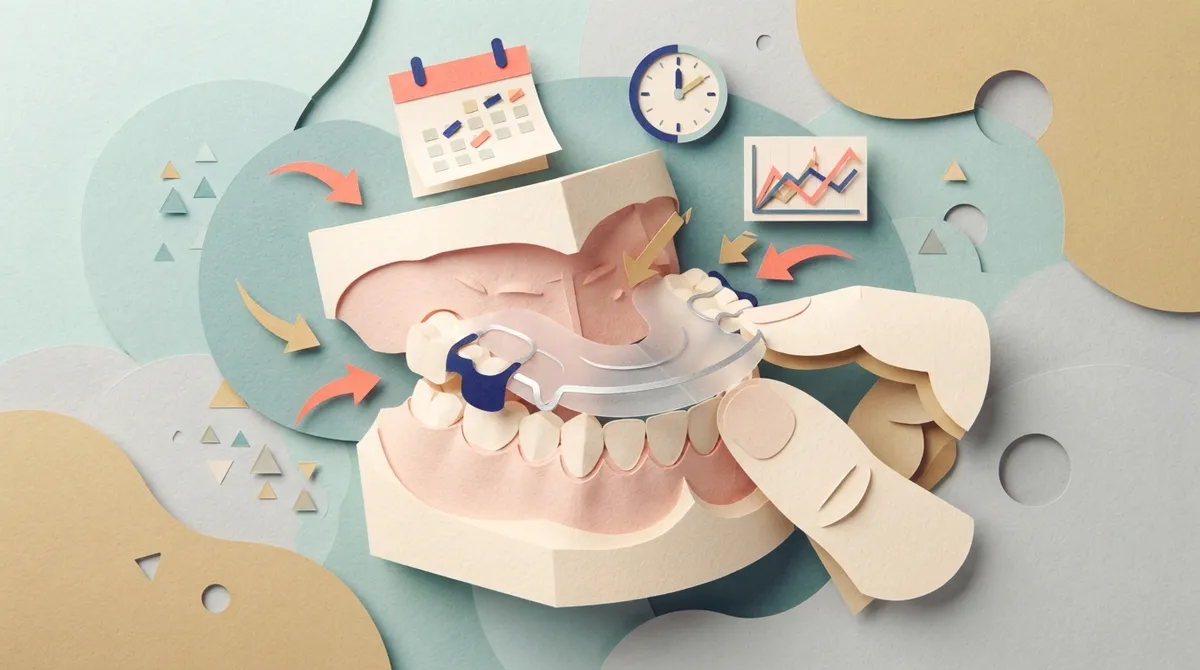
Why Your Retainer Might Feel Tight
A snug retainer can be scary. But a tight feeling does not always mean your teeth have moved.
A retainer that feels newly tight may point to small tooth movement. It can also mean the retainer itself is worn, damaged, or slightly distorted. Fit alone cannot tell you the cause. Only an orthodontist can check both the appliance and the position of your teeth.
Common Reasons for a Tight Fit
- You skipped a few nights, and teeth drifted a tiny bit.
- The retainer was exposed to heat and warped.
- You are dealing with swelling or a sore gum.
- The plastic is cracked or worn out.
Hot water is a common culprit. If you are curious, read why hot water can warp retainers and how to clean safely. We also cover this topic in why your retainer might feel tight all of a sudden.
Should You Force a Retainer That Does Not Fit?
No. This is one of the most important tips in this article. Please do not force it.
A removable retainer should seat fully and comfortably, just as prescribed. If it will not slide into place, causes real pain, or looks damaged, stop and call your orthodontist. Do not bite down hard to snap it into place.
Forcing a retainer can crack it, hurt your teeth, or put pressure on them in the wrong direction. It is a bit like squeezing into shoes that are two sizes too small. You will not like the result.
Our guide on why you should not force an ill-fitting retainer explains the risks in more detail. If your old retainer no longer fits, these 5 steps to take when an old retainer no longer fits can point you in the right direction.
What to Do Instead
- Take the retainer out gently and do not keep pressing on it.
- Check it for cracks, bends, or rough spots.
- Rinse it with cool water and store it in its case.
- Call your orthodontist and describe what you are feeling.
- Book a quick visit so we can check your teeth and the appliance.
Fixed vs. Removable Retainers: Can Teeth Move With Either?
Yes, teeth can shift with both types. Neither one is perfect for every person.
Fixed retainers are thin wires bonded behind your teeth. They work around the clock, but they can break or come unglued. A 2021 systematic review of fixed-retainer studies reported failure rates ranging from 7.3% to 50%, with many failures happening in the first 3 to 6 months. That range varies a lot by study and situation, so it is not a prediction for you.
Removable retainers, like clear plastic ones, are easy to clean and replace. But they only work when you actually wear them.
| Feature | Fixed Retainer | Removable Retainer |
|---|---|---|
| How it stays in | Bonded behind teeth | You put it in and take it out |
| Wear time | Always on | As directed by your orthodontist |
| Main risk | Can loosen or break unnoticed | Can be lost, warped, or skipped |
| Cleaning | Needs careful flossing | Easy to remove and clean |
| Teeth can still shift? | Yes, if it fails | Yes, if worn less or damaged |
Research does not show that one method is best for everyone. A 2023 critical review found no solid proof that fixed retainers are always better than removable ones for long-term stability. The best choice depends on you, your teeth, and your follow-up care.
To compare options, see fixed vs. removable retainers: which one wins and our look at fixed bonded retainers.
How Long Do You Need to Wear Your Retainer?
The honest answer is: it depends on you. Your orthodontist sets the plan based on your teeth and your treatment.
Many patients start with more frequent wear right after braces or aligners. Later, they move to nighttime wear. Many orthodontists then recommend long-term retention, because teeth can change slowly over a lifetime.
Here is a simple way to think about it:
- Early months: Teeth are the most eager to drift, so wear is more frequent.
- After the first year: Many patients switch to nights only.
- Long term: A few nights a week, or as your orthodontist advises, helps keep things steady.
Want specifics? Check out how long you need to wear retainers after braces and why some people choose retainers for life.
Can a Retainer Move Teeth Back After They Shift?
Sometimes, but only a little. This is where expectations matter.
A retainer is built to maintain alignment. It is not a replacement for orthodontic treatment. If your teeth have only shifted a tiny bit, and your retainer still fits, wearing it as directed may help settle things. But please let your orthodontist confirm that first.
If your teeth have moved a lot, a retainer cannot fix it safely. Your orthodontist may suggest:
- Adjusting or replacing your retainer.
- A short round of clear aligners for a small correction.
- Braces if the shift is bigger.
If this sounds like you, you are in good company. Many adults come back for a second round, and our post on adult orthodontic retreatment options for a shifted smile walks through what that looks like. You can also read about orthodontic relapse warning signs to spot early clues.
Signs Your Teeth May Be Moving
Catching a shift early makes it easier and cheaper to fix. Watch for these signs:
- Your retainer feels tight or does not seat all the way.
- You see new gaps or overlapping teeth.
- Your bite feels different when you chew.
- Floss catches in places it did not before.
- Your fixed retainer wire feels loose or sharp.
Take a quick photo of your smile every few months. Comparing pictures can help you notice small changes before they grow.
What to Do If Your Retainer Breaks or Comes Loose
Retainers get lost, chewed, sat on, or snapped. It happens to everyone, including grown adults. The key is to act fast.
If your fixed retainer comes loose or breaks, call your orthodontist soon. Teeth can start to drift within days or weeks when nothing is holding them. Do not try to glue it or bend the wire yourself.
If a removable retainer cracks or goes missing, stop wearing a damaged one and ask about a replacement. These guides can help: 8 smart steps to take when your retainer breaks and what to do if you lost your retainer.
Worried about price? Our retainer budgeting guide can help you plan.
How to Protect Your Smile Every Day
Good habits go a long way. You do not need anything fancy, just a steady routine.
- Wear your retainer as directed. Set a phone reminder if you tend to forget.
- Clean it daily. Use cool water and a soft brush. Avoid hot water.
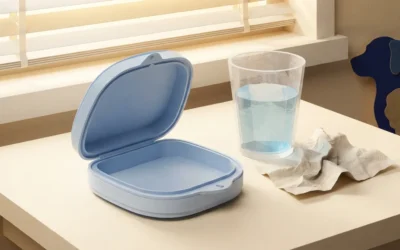
- Use the case. Never wrap it in a napkin. That is how many retainers end up in the trash.
- Keep it away from pets. Dogs love the smell of retainers.
- Keep your checkups. Regular visits catch small problems early.
For care tips, see how to care for your dental retainer the right way.
Why Regular Checkups Matter
Even when everything feels fine, a quick check helps. Your orthodontist can look at your teeth, test the retainer fit, and spot wear you may miss.
This is especially true for fixed retainers, since a loose wire can hide for months. A short visit now can save you from a bigger fix later. You can learn more in why orthodontic checkups matter so much.
At Brockway Orthodontics, Dr. Brockway takes time to listen, explain, and build a plan that fits your life. If you want to see what other families say, you can visit our Brockway Orthodontics location on Google and read patient reviews.
The American Dental Association also reminds patients that good oral hygiene supports healthy teeth during and after treatment, which helps your results last.
Wrapping Up: Keep Your Smile Steady
So, can teeth move with a retainer? Yes, they can, but your retainer is still your best defense. Wear it as directed, keep it clean, and never force a poor fit. If something feels off, reach out early.
You worked hard for your smile, and we want to help you keep it. If your retainer feels tight, looks damaged, or you just want peace of mind, book your appointment online and let our friendly team take a look. You can also contact us with any questions.
FAQs
Q: Can teeth still shift if I wear my retainer every night?
A: Yes, they can, though it is less likely. Retainers lower the risk of movement, but natural aging and changes in the supporting tissues can still cause small shifts. Regular checkups help us catch them early.
Q: Why does my retainer feel tight if I have been wearing it?
A: A tight feel can mean your teeth moved a tiny bit, but it can also mean the retainer is worn, warped, or damaged. Do not force it in. Give your orthodontist a call, and we will check both your teeth and the appliance.
Q: Do I need a new retainer if my teeth have moved?
A: Often, yes. If your teeth shifted a little, a new or adjusted retainer may be enough. If they moved more, your orthodontist may suggest clear aligners or braces to bring them back safely.
Q: What should I do if my fixed retainer comes loose or breaks?
A: Call your orthodontist right away. Teeth can start drifting quickly when nothing holds them, so a fast repair matters. Please do not try to glue or bend the wire yourself.
Q: How often should an orthodontist check my retainer?
A: It depends on your treatment and the type of retainer you have. Many patients benefit from regular checkups, especially with a fixed retainer. Your orthodontist will recommend a schedule that fits you.
Our Service Area