Key Takeaways
-
Spark aligners must be prescribed and supervised by an orthodontist, who determines whether your bite, goals, and daily life suit the system; they are not a do-it-yourself option.
-
Spark plan sizes (10, 20, 35 stages) describe maximum capacity, not treatment duration; your orthodontist sets the actual timeline for your case.
-
The manufacturer advises wearing Spark aligners about 22 hours a day, removing them only for meals and drinks other than cool water.
-
Never advance to the next tray early; tray changes typically follow a one-to-two-week schedule set by your orthodontist to keep teeth on plan.
-
Active gum disease must be treated before aligner therapy begins, and retainers are essential after treatment because teeth can shift over time.
-
Complex cases with substantial tooth movement may be better suited to braces or a combined approach, so an in-person exam is the only way to know your best option.
Thinking about straightening your teeth as a grown-up? You are far from alone. More adults than ever are asking about clear aligners, and Spark aligners for adults are one of the options that keep coming up. The idea is simple: a series of clear, removable trays that gently guide your teeth into better positions, with no wires or brackets on your teeth.
But simple does not mean one-size-fits-all. Spark is a clinician-supervised system, which means an orthodontist decides if it fits your bite, your goals, and your daily life. In this friendly guide, we walk through 14 things worth knowing before you begin. We cover who may be a good candidate, what treatment looks like, how to care for your trays, and what happens after your last aligner. At Brockway Orthodontics in Clearwater, Florida, we love helping adults feel confident and informed, so grab a cup of coffee and let’s dive in.
1. Spark Is Prescribed and Supervised by an Orthodontist
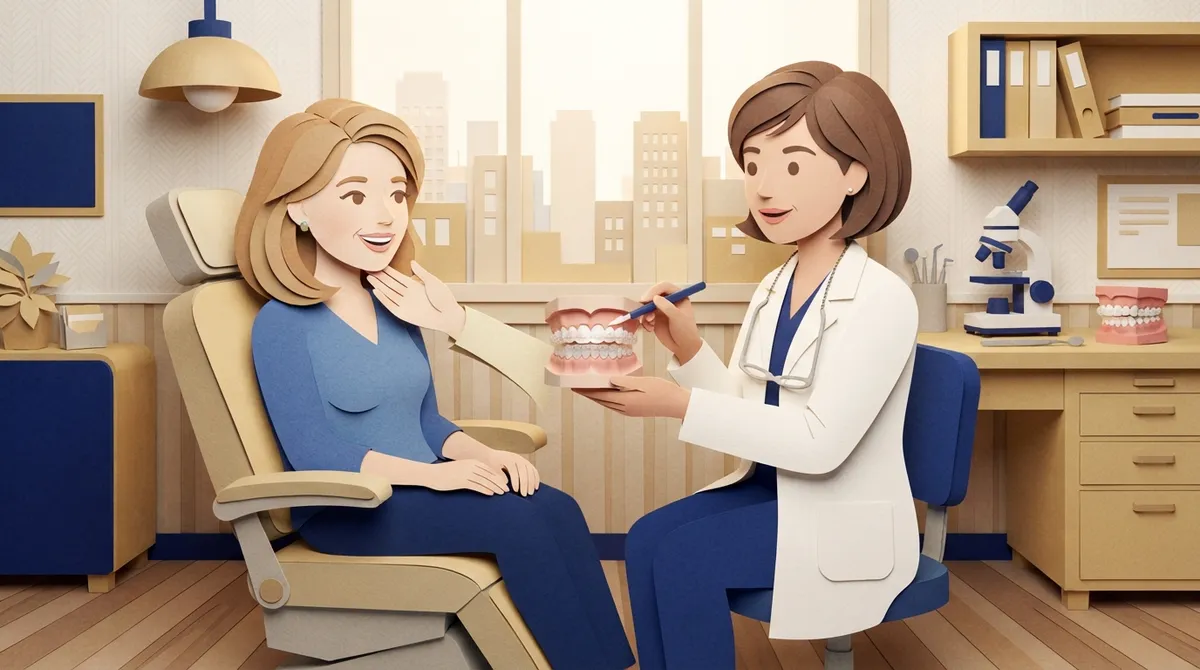
Spark is a custom-made clear aligner system. It is not something you order online and wear on your own. A trained orthodontist examines your teeth, designs your plan, and watches your progress along the way.
That supervision matters. Your teeth live in bone and gum tissue, and moving them safely takes a plan that fits your mouth. If you are curious about the basics, our guide on what Spark clear aligners are is a great starting point. You can also explore our page on Spark™ Clear Aligners to see how we offer them.

2. Many Adults Can Be Good Candidates
Adults may be candidates when their teeth and gums are healthy and their orthodontist feels the movements can be done predictably with aligners. Age alone is not the deciding factor. Healthy gums and a solid plan are what count.
If you have ever wondered whether you missed your window, take a peek at 14 facts that prove adults can get braces in 2026. The short answer is that smiles can change at almost any age.
3. Spark Can Address Common Bite and Alignment Problems
The manufacturer lists several conditions the Spark system may address. Whether it works for you depends on your individual case.
- Crowding: teeth that overlap or twist because there is not enough room
- Spacing: gaps between teeth
- Overbite: upper teeth that cover too much of the lower teeth
- Underbite: lower teeth that sit in front of the upper teeth
- Crossbite: some upper teeth that bite inside the lower teeth
- Open bite: front teeth that do not meet when you close
For more on bite concerns, read 9 bite problems clear aligners may fix in 2026.
4. Your Journey Starts With an Exam and a Digital Scan
Treatment generally begins with an orthodontic exam and a digital scan of your teeth. No gooey molds needed. The scan gives your orthodontist a detailed 3D picture to build your plan.
Curious about the technology? We break it down in 10 facts about Medit intraoral scanning for ortho. And if you want to know what to expect on day one, check out your first orthodontist appointment.
5. A Clinician-Designed Plan Moves Teeth Step by Step
After your scan, your orthodontist designs a plan and a sequence of aligners. Each tray moves your teeth a small amount. Think of it like a slow, steady staircase rather than one big jump.
If you like understanding the how, our article on how removable aligners straighten teeth explains the science in plain language.
6. Plan Sizes Are Not the Same as Treatment Time
The manufacturer lists Spark 10, Spark 20, and Spark 35 plans, with up to 10, 20, and 35 stages. Those numbers describe how many stages a plan can hold. They are product capacities, not a promise of how long your treatment will take.
| Plan | Maximum Stages | What It Means |
|---|---|---|
| Spark 10 | Up to 10 | Plan capacity, not a time estimate |
| Spark 20 | Up to 20 | Plan capacity, not a time estimate |
| Spark 35 | Up to 35 | Plan capacity, not a time estimate |
Your orthodontist will tell you which approach fits your teeth.
7. Wear Time Matters: About 22 Hours a Day
Here is the part that surprises many busy adults. The manufacturer advises wearing aligners about 22 hours per day. You take them out to eat and to drink anything other than cool water. The rest of the time, they stay in.
It sounds like a lot, but it becomes routine fast. If you work a demanding job, our tips on caring for your aligners during a busy workday and fitting clear aligners into a busy adult schedule can help.
8. Tray Changes Follow Your Orthodontist’s Schedule
Product information describes typical tray intervals of one to two weeks. But your orthodontist sets the real schedule for you. Never speed ahead on your own, even if you feel eager.
Skipping ahead can cause trays to fit poorly and teeth to lag behind the plan. We explain why in why not to skip ahead to a new aligner tray.
9. Some Plans Include Extra Steps
Some treatment plans may include small extras to help teeth move well. Your orthodontist will tell you if any apply to you.
- Attachments: tiny tooth-colored bumps that help trays grip and move teeth
- Interproximal reduction: a light polish between teeth to create a little room
- Other orthodontic procedures: added steps when a case calls for them
Wondering how noticeable attachments are? See are aligner attachments noticeable?
10. Aligners Are Not Right for Every Case
Let’s be honest. Clear aligners can be less suitable for some complex movements or cases needing substantial tooth movement. In those situations, your orthodontist may suggest braces, a combined approach, or another plan.
That is not a failure. It is simply the right tool for the job. Not sure which way to lean? Compare options in braces vs. clear aligners or our guide on what makes someone a clear aligner candidate.
11. Gum Health Comes First
Active gum disease should be treated before aligner therapy begins. Healthy gums are the foundation that holds your teeth in place, so this step protects your results.
The same goes for cavities. Your dental health shapes your options, which is why we wrote how dental health affects your braces or aligner options. If you have crowns, bridges, or implants, you may also like can you use clear aligners with dental restorations?
12. Daily Care Keeps Your Smile Healthy
Good habits protect your teeth while the trays do their work. Here is a simple routine.
- Take your aligners out before eating or drinking anything but cool water.
- Brush and floss before putting them back in.
- Clean your trays as your orthodontist directs.
- Avoid hot water, which can warp plastic.
- Store trays in their case, never in a napkin.
Learn the details in how to clean clear aligners and why hot water can damage clear aligners.
13. Monitoring Visits Keep You on Track
Regular check-ins help your orthodontist confirm your trays are tracking as planned. If a tooth lags, they can adjust early instead of waiting until the end. Skipping visits can lead to poor tracking and longer treatment.
Not sure how often you will be seen? Read 9 things to know about how often clear aligner checkups happen.
14. Retainers Protect Your Results for Life
Here is the big one. Teeth can shift after orthodontic treatment, so retainers and follow-up are essential. Your orthodontist should explain your retention plan and how long to wear your retainers.
Think of retainers as insurance for the smile you worked hard to earn. Learn more in 9 retainer options after Spark aligners and why you still need retainers after clear aligner treatment. If you have had treatment before and your teeth moved, see orthodontic relapse warning signs.
What About Cost, Timing, and Insurance?
This is where honesty matters most. There is no reliable one-size-fits-all price or timeline for adult Spark treatment. Cost and duration depend on how complex your case is, your provider, your location, and your treatment plan.
What we can do is help you plan. Our guides on how treatment length affects orthodontic costs and how to get answers to adult orthodontic insurance questions can point you in the right direction. If you want to compare with braces, see clear aligners vs. braces cost.
Brockway Orthodontics offers Spark™ Clear Aligners as a more affordable alternative to other well-known clear aligner brands, along with metal and ceramic braces, so you can choose what fits your life and budget. For general oral health guidance, the American Dental Association is a trusted resource, and you can find orthodontic information through the Florida Association of Orthodontists.
Spark Aligners for Adults: Is It Right for You?
Spark aligners for adults can be a wonderful fit when your teeth and gums are healthy and your goals match what aligners do well. They are discreet, removable, and designed around you. They also ask something of you: steady wear, good hygiene, and follow-through with retainers.
If your case is more complex, that is okay too. Braces or a blended plan may serve you better, and an honest exam will tell you. Dr. Brockway takes time to listen to your concerns and dreams for your smile, then explains your options in clear, friendly terms so you feel comfortable at every step.
Curious how it looks in Clearwater? Read Spark aligners in Clearwater: what to know before you start, and see what neighbors say when you visit us on Google — Brockway Orthodontics.
Ready to find out if Spark is your path to a more confident smile? Book your free consultation online and let’s talk about your goals. Prefer to chat first? You can always contact us with questions.
FAQs
Q: Are Spark aligners a good option for adults?
A: They can be a great option when your teeth and gums are healthy and your orthodontist feels aligners can move your teeth predictably. An exam is the only way to know for sure, so we always start there. Some complex cases do better with braces or a combined approach.
Q: How many hours a day do I need to wear Spark aligners?
A: The manufacturer advises about 22 hours a day. You remove them for meals and any drink other than cool water, then pop them right back in. Staying consistent is the secret to keeping your plan on track.
Q: How long does Spark aligner treatment take for adults?
A: It really depends on your case, so there is no single number we can promise. Tray changes are often scheduled every one to two weeks, but your orthodontist sets the pace. After your exam and scan, you will get a timeline that fits your smile.
Q: What do I need to do after my last aligner?
A: Wear your retainers exactly as your orthodontist directs. Teeth can shift after treatment, and retainers are the best way to protect your hard work. Keep attending follow-up visits so small changes get caught early.
Our Service Area