Key Takeaways
-
Ask whether your plan targets bite function, not just straight teeth, and how your orthodontist will confirm front and back teeth meet well.
-
Ask early whether a jaw-bone mismatch could need a surgical evaluation, since braces and aligners move teeth but do not change jaw bone size or position.
-
Ask what bite changes are normal at each stage, how long they last, and which symptoms like sharp pain or worsening chewing require an immediate call.
-
Compare braces and clear aligners based on your specific bite, and ask whether fillings, crowns, extractions, or elastics could affect the plan.
-
Share your dental history, including gum health, grinding, jaw pain, and past dental work, and ask about realistic risks and how roots, gums, and bone will be monitored.
-
Ask about the expected timeline, what could change it, and the retainer plan, since teeth can shift after treatment and retention should be planned from the start.
You finally decided to straighten your teeth. Maybe it is the crowding that bugs you in photos. Maybe it is a bite that never felt quite right. Either way, you are excited, and that is wonderful. But here is something many adults do not expect: your bite can feel different as treatment moves along.
That is normal in many cases, and it is not always a sign that something is wrong. Still, it helps to know what to ask before you start. The best conversations happen early, when you can clearly understand the plan. Knowing what to ask about bite changes during adult treatment can save you worry, time, and surprises later.
In this guide, we walk through six common mistakes adults make when they skip these questions. For each one, you will get simple, friendly questions to bring to your next visit. Think of it as a cheat sheet for your orthodontist consult. Grab a cup of coffee and let’s get started.
First, What Does “Bite” Actually Mean?
Your bite, also called occlusion, is how your upper and lower teeth fit together when you close your mouth. Orthodontic care can change two things at once: where your teeth sit and how they meet.
Adults often come in for crowding, spacing, an overbite or deep bite, an underbite, or an open bite. Each of these affects how your teeth touch. A smile that looks straighter is great, but a healthy bite is the real goal.
If you want a deeper look at how teeth should fit together, our guide on bite mistakes that hide how teeth should fit together is a handy read.
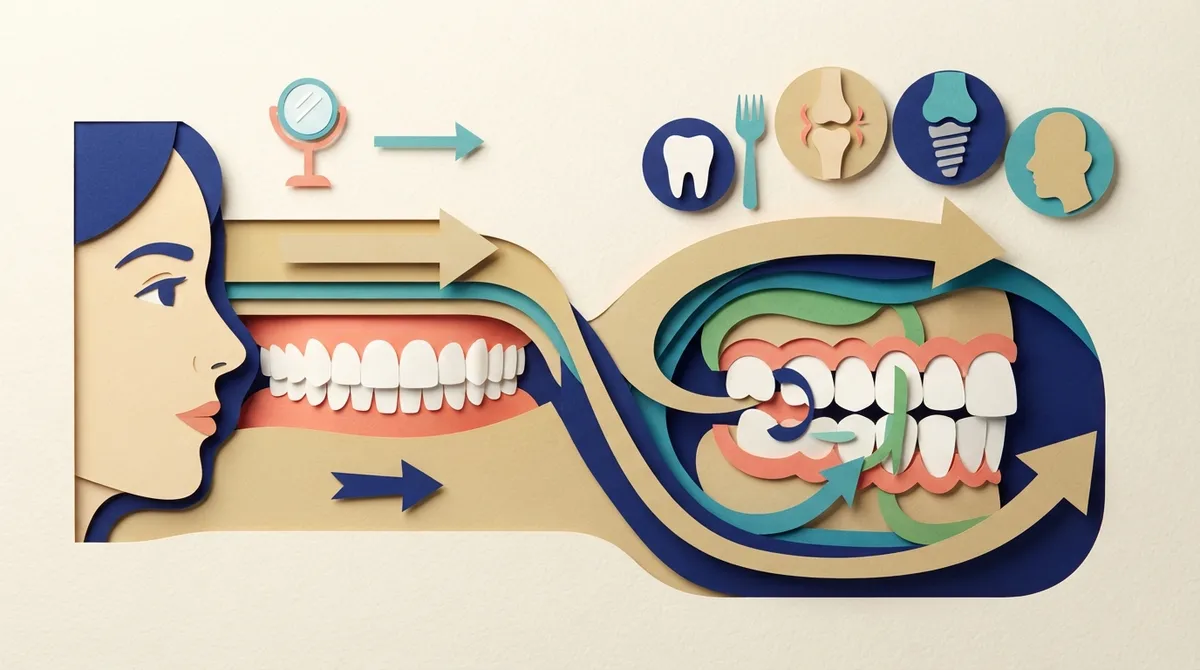
Mistake 1: Only Asking About Straight Teeth, Not Bite Goals
It is easy to focus on the mirror. Straight front teeth feel like the finish line. But a smile can look great while the back teeth still do not meet well. That is why your first question should go beyond looks.
Questions to ask
- What is my specific bite problem, in plain words?
- What is the bite goal for my treatment?
- How will you check that my front and back teeth meet well, not just that they look straight?
- Will you show me my records or scans so I can see the problem?
A good orthodontist will explain the diagnosis clearly. Modern tools help here. Digital scans and 3D images let your care team plan with precision, and you can learn more in our post on why a bite assessment matters before teeth straightening.
Mistake 2: Not Asking Whether Surgery Could Be Part of the Plan
Here is a point many adults miss. Your jaws have finished growing. That means braces and aligners move teeth, but they do not change the size or position of your jaw bones.
In many cases, tooth movement alone gives a great result. In some selected cases, a jaw-bone mismatch may need an evaluation for orthognathic (jaw) surgery. Your treatment plan is personal, so it pays to ask early.
Questions to ask
- Can my bite be improved with tooth movement alone?
- Is there a jaw-bone difference that might need a surgical opinion?
- If so, what would that process look like, and who would I see?
- What are the limits of treatment without surgery?
It is okay if the answer is “we will know more after your records.” Honest answers beat quick promises. If you are curious about when jaw care enters the picture, read our friendly overview of surgical orthodontics facts.
Mistake 3: Not Asking What Bite Changes to Expect at Each Stage
This one catches people off guard. As teeth move, the way they touch can shift for a while. Chewing may feel odd. Some teeth may hit sooner than others. Many patients describe it like wearing new shoes: it feels different before it feels right.
The key is knowing what is expected and what is not. Our guide on reasons your bite changes during orthodontic treatment explains why this happens.
Questions to ask
- What bite changes are normal at the start, middle, and end?
- Should I expect temporary changes in how my teeth touch or how I chew?
- How long do these feelings usually last?
- Which symptoms mean I should call right away?
Here is a simple way to think about it. Mild soreness and a slightly “off” feeling after an adjustment are common. A sudden sharp pain, a tooth that feels loose in a worrying way, or trouble chewing that keeps getting worse deserve a call. When in doubt, ask. Our team would much rather hear from you early.
| What You Notice | Often Normal? | What to Do |
|---|---|---|
| Teeth feel sore after an adjustment | Usually yes | Stick to soft foods for a few days |
| Bite feels “different” as teeth shift | Often yes | Mention it at your next visit |
| Only some teeth touch when you close | Can be temporary | Ask if it fits your plan |
| Chewing gets harder week after week | Not something to ignore | Call your orthodontist |
| Jaw pain, clicking, or locking | Needs attention | Call and ask about an evaluation |
This table is general guidance, not a diagnosis. Your own plan may differ, so always follow your orthodontist’s advice.
Mistake 4: Skipping Questions About Braces vs. Aligners for Your Bite
Many adults pick a treatment based on looks or convenience alone. That is understandable. Clear aligners are discreet, and ceramic braces blend in nicely. But the best option depends on your bite and your goals.
Some bite problems are a good fit for one tool and trickier for another. Your orthodontist can explain why. For a broader view, see how tooth movement goals shape appliance choice.
Questions to ask
- Which option fits my bite best: metal braces, ceramic braces, or clear aligners?
- Why do you recommend it for my case?
- Could other dental work, such as fillings, crowns, or extractions, change the plan?
- Will I need elastics (rubber bands) to help correct my bite?
At Brockway Orthodontics, adults can explore Spark™ Clear Aligners, metal braces, and ceramic braces. Dr. Brockway takes time to listen to your goals and explain your options in a friendly, easy way, so you know exactly why a plan fits you. If you are weighing choices, our comparison of braces vs. clear aligners can help you get ready.
Mistake 5: Not Talking About Risks and Limits Up Front
No one loves talking about risks, but this is where trust is built. Moving teeth is safe and common, yet it does involve the roots, gums, supporting bone, and tooth surfaces. How much this matters depends on your oral health and your plan.
Adults especially should be open about their dental history. Gum health matters a lot, and our post on why gum health matters before adult braces explains why.
Questions to ask
- What are the main risks for someone with my mouth and history?
- How will you monitor my roots, gums, and bone during treatment?
- What can we do to lower those risks?
- What results can treatment realistically achieve, and what can it not do?
What to tell your orthodontist
Share anything that may affect your bite. A short list helps a lot:
- Jaw pain, clicking, or popping
- Trouble chewing or biting
- Tooth wear, grinding, or clenching
- Past dental work, such as crowns or implants
- Gum disease or a history of jaw problems
Then ask whether any of these need a check by your dentist or another specialist before or during treatment. Good teamwork between your orthodontist and dentist keeps you safe. You can see how we think about that in our guide to coordinating care between your orthodontist and dentist. The American Dental Association also shares helpful general oral health information for adults.
Mistake 6: Forgetting to Ask About Timeline and Retention
You are not done when the braces come off or the last tray is worn. Teeth can shift over time, even after great treatment. That is why retention is part of the plan from day one, not an afterthought.
Many adults also want to know how long this will take. The American Association of Orthodontists’ 2025 survey reported an average treatment time of about 21.8 months and a median of 22 months for member practices. Those are practice-level numbers, not a promise for any one person. Your own timeline depends on how complex your bite is and how well you follow the plan.
Questions to ask
- How long do you expect my treatment to take?
- What could make it longer or shorter?
- How often will I need visits?
- What retainer plan will protect my result, and for how long?
- What happens if my retainer breaks or gets lost?
For help planning ahead, read about how long braces really take. And for the finish line, our guides on why retainer schedules differ between patients and how to care for your dental retainer will keep your new smile on track.
Your Quick Question Checklist
Print this, screenshot it, or tuck it in your phone notes before your visit:
- What is my bite problem, and what is the goal?
- Can tooth movement alone fix it, or is a jaw evaluation needed?
- What bite changes should I expect at each stage?
- Which option fits my bite best, and why?
- What are the risks, and how will you watch for them?
- How long will it take, and what is the retainer plan?
You do not need to ask everything at once. Even two or three of these questions can make your visit more useful. And if something feels unclear, ask again. A good orthodontist wants you to feel informed.
Why Adults Are Asking More Questions Than Ever
You are far from alone. The American Association of Orthodontists reported an estimated 1.91 million adults in active treatment with AAO-member orthodontists in the U.S. in 2024, up from about 1.64 million in 2022. Including non-member orthodontists, the estimate rises to roughly 2.37 million adults. These figures come from survey and membership data, so treat them as estimates.
That growth means more adults are choosing treatment and more are curious about how it works. If you are thinking it over, our post on why so many adults are getting orthodontic treatment in 2026 shares the bigger picture.
A Friendly Final Thought
Bite changes during adult treatment are common, and they are manageable when you know what to expect. The goal is a smile that looks great and works well every time you chew, speak, and laugh. Asking smart questions early is one of the best things you can do for your result.
At Brockway Orthodontics, we love helping families and adults in Clearwater feel confident about their care. Dr. Brockway listens first, explains clearly, and builds a plan around your goals. You can read what neighbors say about us when you visit us on Google — Brockway Orthodontics, and you can browse more orthodontic education from the Florida Association of Orthodontists.
Ready to talk through your bite? Book your appointment online and bring this list along, or contact us if you have questions first. We would love to help you smile with confidence.
FAQs
Q: What questions should I ask my orthodontist about bite changes during adult treatment?
A: Start with the basics: what your bite problem is, what the bite goal is, and how your orthodontist will check that your front and back teeth meet well. Then ask what changes to expect at each stage, which risks apply to you, and what your retainer plan will be. Asking these early helps you feel informed and calm all the way through treatment.
Q: Is it normal for my bite to feel different while wearing braces or clear aligners?
A: Yes, often it is! As your teeth move, the way they touch can change for a while, and chewing may feel a bit odd after adjustments. If the feeling gets worse, you have sharp pain, or chewing becomes difficult, give your orthodontist a call so they can take a look.
Q: Can adult orthodontic treatment change my jaw position, or would I need surgery?
A: Adult jaws have finished growing, so braces and aligners move teeth rather than reshape the jaw bones. Many bite problems improve with tooth movement alone, but some jaw-bone mismatches may need an evaluation for surgery. Your orthodontist can tell you which path fits your case after reviewing your records.
Q: How long does adult orthodontic treatment usually take, and what can delay it?
A: The American Association of Orthodontists’ 2025 survey reported an average of about 21.8 months and a median of 22 months for member practices, but those are practice-level numbers, not a personal promise. Complex bites, missed appointments, and not following wear instructions can stretch your timeline. Ask your orthodontist for an estimate based on your own plan.
Q: Will I need a retainer to keep my bite and teeth from shifting after treatment?
A: Yes, a retainer is a key part of keeping your results. Teeth can shift over time, even after great orthodontic work, so your orthodontist will recommend a retention plan that fits you. Ask what type to expect and how long to wear it so your new smile stays put.
Our Service Area