Key Takeaways
-
Braces on one arch (limited or single-arch treatment) can work for mild concerns like a small gap, one rotated tooth, or minor relapse, provided your bite is stable and the other row is already well aligned.
-
Single-arch treatment is usually not enough for overbite, underbite, crossbite, open bite, or substantial crowding, since these involve how the upper and lower arches relate and typically need both arches treated.
-
Moving teeth in one arch can change how upper and lower teeth contact, so a proper plan requires evaluating both arches even when only one gets braces.
-
Clear aligners can often be made for just the top or bottom teeth, offering a discreet option for small, targeted fixes.
-
Retainers are generally needed after single-arch treatment too, since teeth tend to drift back toward their original positions.
-
A hands-on exam with bite evaluation, digital scans, and possibly X-rays is the only reliable way to determine whether one-arch treatment suits your smile.
Maybe your top teeth look great, but one or two bottom teeth have started to wander. Or maybe you wore braces as a teen, skipped your retainer for a while (we have all been there!), and now just one row looks a little off. It is a very fair question to ask: can I get braces on only one arch?
The short answer is yes, sometimes. Orthodontists call this single-arch or limited treatment, and it can be a great fit for the right smile. But it is not right for every smile, because your upper and lower teeth work together as a team every time you bite and chew.
In this friendly guide, we will walk you through when one-arch treatment makes sense, when it does not, and what to expect along the way. We will also share how an exam at Brockway Orthodontics can help you decide with confidence.
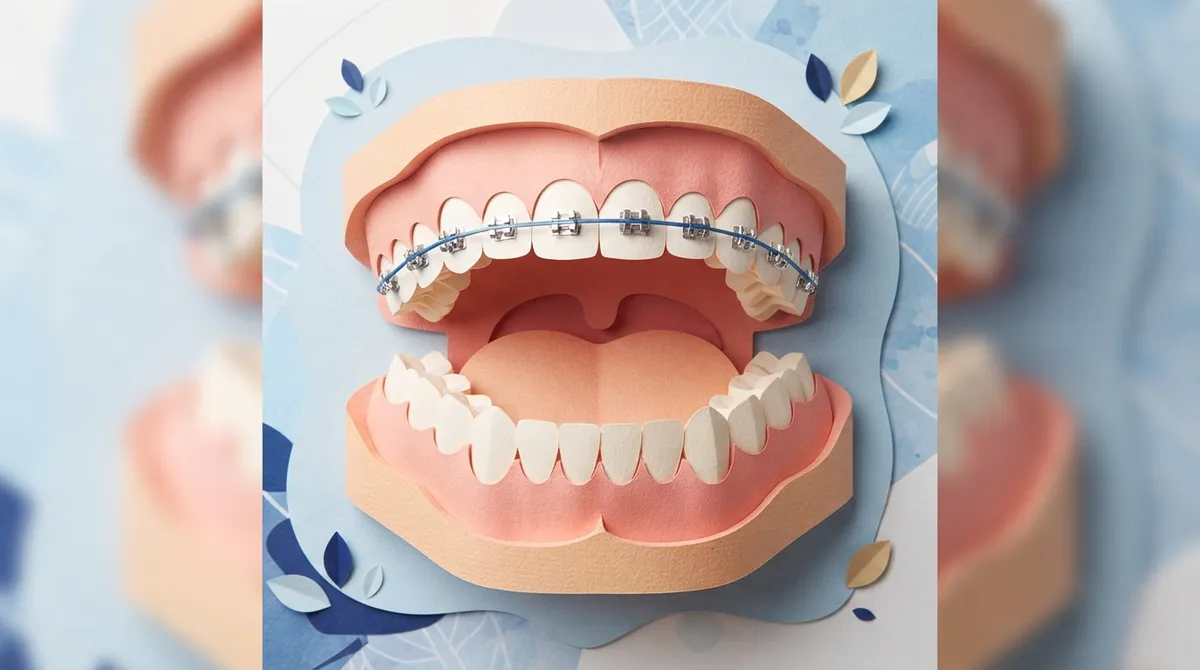
What Does Braces on One Arch Actually Mean?
Your teeth sit in two curved rows, called arches. The upper arch is the top row, and the lower arch is the bottom row. Single-arch treatment means your orthodontist moves teeth in just one of those rows while leaving the other alone.
You may also hear it called limited orthodontic treatment. The goal is narrow and specific, such as fixing a small gap, turning one rotated tooth, or correcting minor shifting. It is not meant to rebuild your whole bite.
Whether it is a good idea depends on a clinical assessment, not just on which teeth look crooked in the mirror. A tooth that looks like the only problem may be part of a bigger bite story, and that is why a professional exam matters so much.
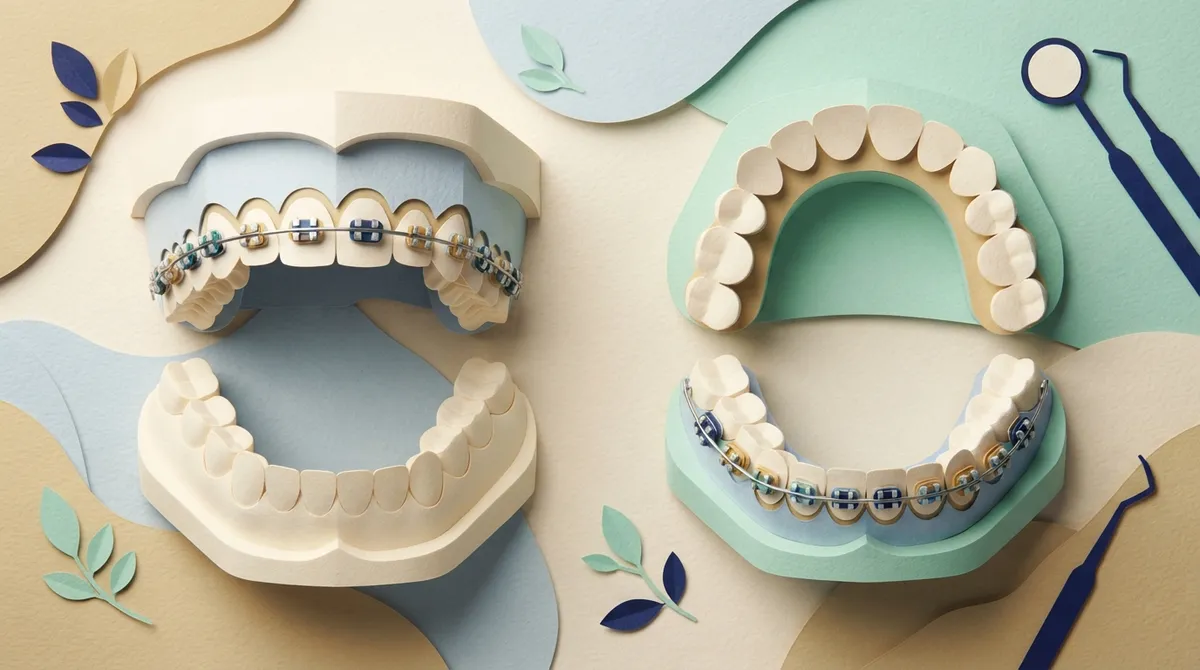
Can I Get Braces on Only the Top or Bottom Teeth?
Yes, braces can sometimes be placed on only the top teeth or only the bottom teeth. Many patients ask about this, especially adults who want a quick, targeted fix. Here is when it is most likely to work:
- The concern is mild. Think minor crowding, a small gap, or a single twisted tooth.
- The problem lives in one arch. The other row is already lined up nicely.
- Your bite is stable. Your upper and lower teeth already meet in a comfortable, healthy way.
- The goal is clearly limited. A good example is small relapse after earlier orthodontic treatment.
If your situation checks those boxes, treating one arch may be a smart, efficient choice. If it does not, treating only one row could leave you with an incomplete result.
Why Both Arches Matter in Every Plan
Think of your top and bottom teeth like two puzzle pieces. When you move one piece, the way it fits against the other piece changes. That is true even if you only ever touch one side.
When teeth in one arch shift, the points where upper and lower teeth touch can shift too. This can change how you chew and how your bite feels. So a careful orthodontist looks at both arches before suggesting a plan, even when only one will get braces.
During an exam, your orthodontist will check whether the planned movement will keep your bite steady or even improve it. If the plan would throw off how your teeth meet, treating both arches may be the better path. It is all about protecting your long-term comfort and oral health.
When Single-Arch Treatment Is Usually a Good Fit
Some smiles are perfect candidates for a focused approach. Here are common situations where one-arch treatment may work well:
- Minor relapse after braces. If your teeth drifted because a retainer was skipped, a short round of treatment on one arch may bring things back.
- A small gap or two. A little spacing in just the top or bottom row can often be closed in a limited plan.
- One rotated or tilted tooth. If the rest of your bite is healthy, adjusting a single tooth can make a big difference.
- Mild crowding in one row. Slight overlapping in the lower front teeth is a classic example.
If you are in this group, you may be someone who already had braces years ago. Our guide on orthodontic relapse warning signs can help you spot the early clues that your teeth are moving.
When You May Need Braces on Both Arches
Sometimes the crooked row you see is only half of the story. Certain problems involve how the arches relate to each other, and treating just one row will not fix that. These cases usually call for a plan across both arches:
- A significant overbite. Learn more in our post on how to fix an overbite.
- An underbite. Our guide to fixing an underbite explains the options.
- A crossbite. See what crossbite treatment involves.
- An open bite. When front teeth do not meet, both arches are usually part of the plan.
- Substantial crowding. Heavy crowding often needs coordinated movement above and below.
Treating only one arch in these situations may not solve the real problem. It could also leave your bite uneven or incomplete. That is not the outcome anyone wants after investing time and effort in a new smile.
Single-Arch vs. Both Arches at a Glance
| Factor | One Arch May Work | Both Arches Usually Needed |
|---|---|---|
| Severity of concern | Mild and limited | Moderate to significant |
| Bite relationship | Stable and comfortable | Overbite, underbite, crossbite, or open bite |
| Crowding | Slight, in one row | Substantial or in both rows |
| Typical goal | Fix small relapse, gap, or rotated tooth | Full smile and bite improvement |
| Retainer needed afterward | Yes | Yes |
Use this table as a friendly starting point, not a diagnosis. Only a hands-on exam can tell you which column your smile belongs in.
What Happens During the Evaluation
The good news is that finding out is simple and comfortable. A careful assessment usually includes a few key steps:
- A look at your teeth and bite. Your orthodontist checks how your upper and lower teeth meet when you close.
- Dental records or digital scans. Modern scanners create a detailed picture of your teeth without messy molds. If you are curious, read about Medit intraoral scanning.
- Radiographs when needed. X-rays are taken only when clinically helpful, so your orthodontist can see roots and bone. Here is what orthodontic X-rays can help evaluate.
- A clear conversation. You should hear the treatment goal, the limits of the plan, your alternatives, and whether the untreated arch may need care later.
That last step is important. A trustworthy plan is honest about what one-arch treatment can and cannot do. You deserve to understand your options before saying yes.
Braces or Clear Aligners for One Arch?
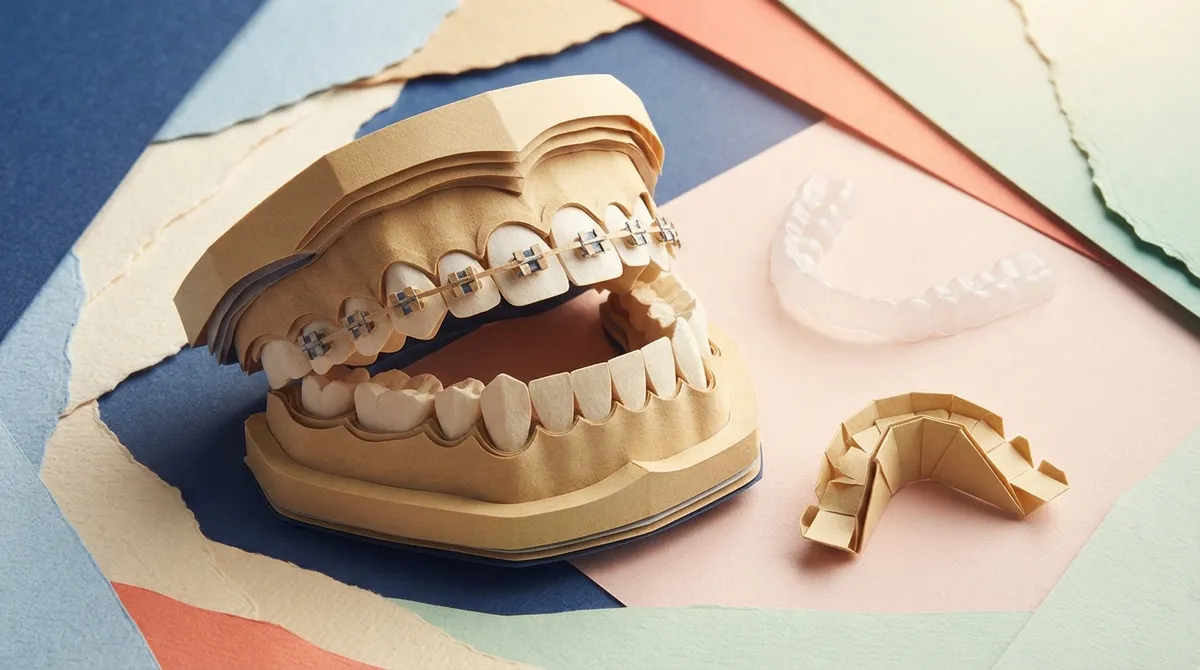
Many adults and teens want to know if they can use clear aligners instead of braces for a single row. Often, yes. Clear aligners can be made for just the top or just the bottom teeth, which is a popular choice for small, targeted fixes.
At Brockway Orthodontics, we offer Spark™ Clear Aligners, a more affordable alternative to Invisalign. We also offer traditional metal braces and ceramic (clear) braces. Each option has its own strengths, and the best fit depends on your goals and your bite.
Not sure which way to lean? Our comparison of braces vs. clear aligners breaks down the pros and cons in plain language. If you are leaning toward aligners, how removable aligners straighten teeth is a helpful read.
Possible Concerns With Treating Just One Arch
We want you to feel informed, not worried. Single-arch treatment is perfectly safe when it is planned well for the right case. Still, it helps to know what can go wrong when it is poorly suited:
- An altered or uneven bite. Moving one row without checking the other can change how teeth contact.
- Incomplete correction. The visible tooth may look better, but a hidden bite issue could remain.
- More treatment later. You might find that the other arch needs attention down the road.
It is worth saying that these are possibilities, not guarantees. Claims that one-arch treatment always causes jaw problems are not accurate. Your individual risk depends on your case and your plan, which is exactly why a personalized exam matters.
Do You Still Need a Retainer?
Absolutely! Retention is generally needed after any orthodontic movement, including limited and single-arch treatment. Teeth have a natural memory and love to drift back toward their old spots.
A good retainer plan helps keep your result in place. Even with a great plan, teeth can still shift over time, so consistent wear is your best friend. If you want to protect your investment, these guides are worth a look:
Think of your retainer as the final chapter of treatment, not an afterthought. A few minutes of care each day keeps your smile looking great for years.
Tips for Different Patients
For Parents of Kids and Teens
If your child has one crooked tooth, it is tempting to ask for a quick fix. Growing mouths change fast, though, and a young bite is still developing. An early exam helps you understand whether a limited approach is enough or if a fuller plan will serve your child better. Our post on when your child should first see an orthodontist is a great place to start.
For Adults and Busy Professionals
If you have a demanding schedule, a short, targeted plan can be very appealing. Discreet options like clear aligners or ceramic braces can keep your look polished at work. Just remember that a quick plan still needs a careful bite check first.
For Past Braces Patients
If you wore braces before and see a little shifting, you are not alone. Many people in this group are great candidates for limited retreatment. A short exam can show whether one arch is all you need.
How to Prepare for Your Visit
A little prep helps you get the most from your appointment. Try these simple steps:
- Write down which teeth bother you and when you first noticed the change.
- Bring any old retainers or past orthodontic records you still have.
- List your questions, including goals, timeline, and budget.
- Think about whether you prefer braces or clear aligners.
Want more tips? Check out how to prepare for your orthodontist consultation. You can also read free vs. paid braces consultations to know what to expect.
Why Families Trust Brockway Orthodontics
At Brockway Orthodontics, we believe every smile deserves a plan made just for it. Dr. Brockway takes time to listen to your concerns and goals, then explains your options in a friendly, easy-to-understand way. Whether your best path is one arch or both, you will know exactly what to expect and why.
Our practice uses modern tools like digital impressions and 3D imaging, which helps us plan treatment precisely and keeps your visits comfortable. We welcome kids, teens, and adults, and we are proud to serve our Clearwater community. Curious what neighbors say? Visit us on Google — Brockway Orthodontics to read reviews from local patients.
You can also learn more about professional standards from the Florida Association of Orthodontists and general oral health guidance from the American Dental Association. Staying informed helps you ask the right questions.
Conclusion: Your Next Step Toward a Confident Smile
So, can you get braces on only one arch? Yes, in selected cases where the concern is mild, the other arch is in good shape, and your bite is stable. For bigger bite problems, a plan across both arches is usually the smarter choice. The most important thing is to have your bite carefully evaluated so your plan fits you.
You do not have to figure it out alone. Our friendly team is happy to look at your smile, answer your questions, and walk you through every option. Book your appointment online today, or contact us with any questions. Your best smile is closer than you think!
FAQs
Q: Can I get braces on just my top teeth?
A: Yes, in some cases! If your concern is mild, limited to the top row, and your bite is already stable, treating only the upper arch can work well. Your orthodontist will check how your top and bottom teeth meet first to make sure it is a good fit.
Q: Can I get braces on just my bottom teeth?
A: Yes, it is possible when the issue is small and confined to the lower arch, such as slight crowding or minor shifting. The upper teeth should already be well aligned, and your bite should be healthy. A quick exam will confirm whether it is right for you.
Q: Will braces on one arch change my bite?
A: They can, because moving one row changes how your upper and lower teeth touch. That is why your orthodontist studies both arches before planning treatment. With a careful plan, your bite can stay steady or even improve.
Q: Can one-arch braces fix an overbite, underbite, or crossbite?
A: Usually not on their own. These problems involve how the upper and lower arches relate to each other, so they typically call for treatment planned across both arches. Your orthodontist can explain the best approach after an exam.
Q: Will I need a retainer after single-arch braces?
A: Yes! Retention is generally needed after any orthodontic movement, including limited treatment. A good retainer plan helps keep your teeth where they belong, though teeth can still shift over time if a retainer is skipped.
Our Service Area