Key Takeaways
-
Adult teeth are moving through bone that no longer grows like a teen's, and existing crowns, fillings, or gum concerns need supervision, so regular checkups confirm movement stays on the planned path.
-
Most adults are seen roughly every 4 to 10 weeks, with timing set by appliance type and treatment stage; braces visits adjust wires and brackets while aligner visits review tray fit and supply the next set.
-
Checkups include gum health checks with periodontal probing and, when needed, X-rays of tooth roots, since in-person assessment catches issues that photos and digital scans may miss.
-
Call your orthodontist promptly for broken brackets, poking wires, cracked or ill-fitting aligners, or pain or bleeding gums that seem worse than usual rather than waiting for your next visit.
-
Repeated missed appointments can delay treatment and extend total time, and one study linked each missed visit to about one extra month, so rebook quickly if you miss one.
-
Keep seeing your general dentist for cleanings and wear retainers as directed after treatment, since teeth can shift over time and retention checkups confirm your results are holding.
Starting braces or clear aligners as an adult is an exciting step. You picture the finished smile, the photos, the confidence. Then real life kicks in. Work meetings, travel, family schedules. Suddenly that little appointment card on the fridge feels like one more thing to juggle.
Here’s the friendly truth: those visits are not just a formality. Why adult orthodontic treatment needs regular checkups comes down to one idea. Your teeth are moving, and someone trained needs to make sure they are moving the right way. Adult mouths also come with their own history, from fillings and crowns to gum concerns, so a plan that works on paper still needs real-world supervision.
In this guide, we’ll walk through what happens at checkups, how often you’ll likely go, what can go wrong when visits get skipped, and how to fit appointments into a busy life. We’ll also cover retainers, because checkups matter after treatment too. Think of this as a warm, no-pressure chat about keeping your smile journey on track.
What Is the Real Purpose of Orthodontic Checkups?
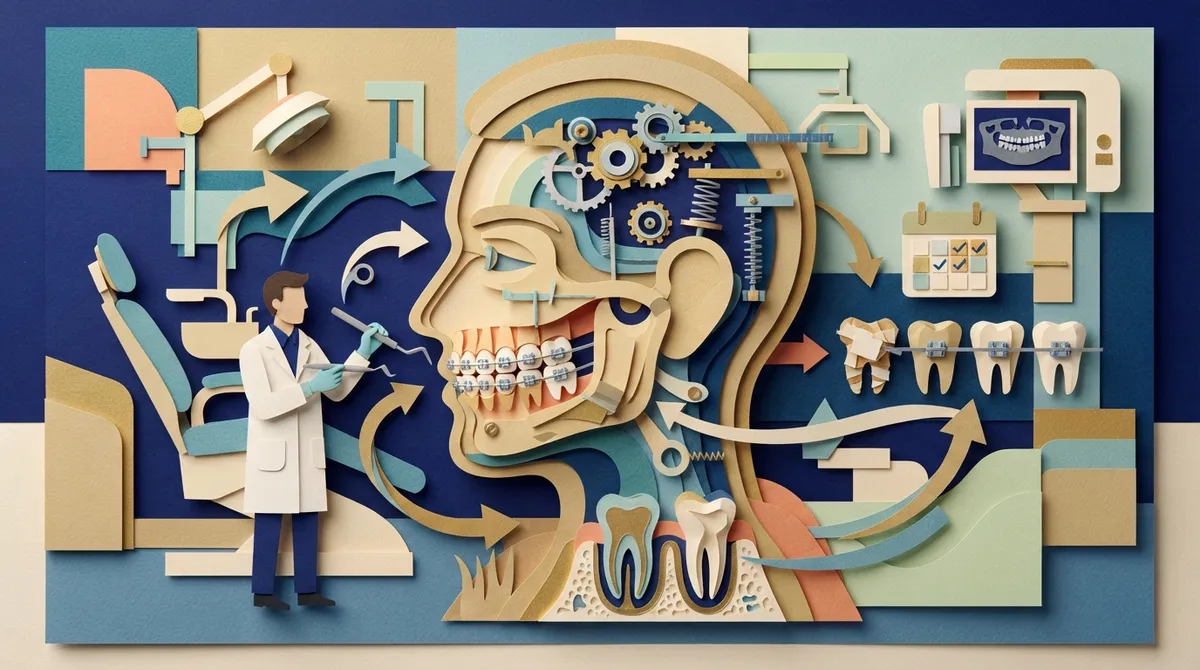
An orthodontic checkup is a progress review. Your orthodontist looks at how your teeth and bite are changing and compares that to the plan made at the start. If everything is on track, you move to the next step. If something is off, it gets fixed early.
The American Association of Orthodontists (AAO) explains that regular visits let your orthodontist assess tooth movement and bite correction, check your teeth and gums, and adjust the treatment plan or appliance as needed. In other words, checkups are where the plan meets reality.
Every mouth responds a little differently. Bone density, gum health, age, and how well you follow instructions all play a role. That is why treatment is never truly “set it and forget it.”

How Often Do Adults Need Orthodontic Appointments?
There is no single schedule for everyone. Your visit timing depends on your appliance, your treatment stage, and your personal needs. Professional guidance gives us a helpful range, though.
| Source | Typical Visit Interval | Notes |
|---|---|---|
| American Association of Orthodontists | Every 6–10 weeks | Visits to adjust braces or pick up new aligners |
| British Orthodontic Society | Every 4–10 weeks | For adult patients, depending on treatment and circumstances |
These are general ranges, not a promise for your specific plan. Your orthodontist will tell you what is right for you. If you want to see how scheduling works in more detail, our article on how often braces are adjusted is a handy next read.
Braces Versus Clear Aligners
The tasks at each visit change depending on your appliance:
- Braces: Your orthodontist checks brackets and wires, makes adjustments, and replaces anything that is worn or loose.
- Clear aligners: Your orthodontist reviews how the trays fit, checks your progress, and provides or authorizes your next set.
Curious how aligner visits differ? Take a look at how often clear aligner checkups happen.
Why Do Adults Need Checkups More Than You Might Think?
Adult treatment is wonderful, but it is a little different from treating a teenager. Adult teeth are fully developed, and the bone around them is not growing the way a teen’s does. Many adults also have dental work like crowns, bridges, or implants, plus years of wear on their teeth and gums.
That means careful monitoring matters. Regular checkups help your orthodontist:
- Confirm teeth are moving at the expected pace
- Catch bite changes before they become bigger problems
- Adjust force and direction as your mouth responds
- Spot hygiene issues early, before they affect your gums
If you are weighing whether adult treatment is right for you, our guide on orthodontics for adults in Clearwater covers the basics in a friendly way.
How Do Checkups Protect Your Gums and Bone?
This one is a big deal for adults. Healthy gums and bone are the foundation that holds your teeth in place. When teeth move, they move through bone, and your gums need to stay healthy during that process.
The British Orthodontic Society notes that orthodontic movement can pose gum-related concerns, including recession in some circumstances. An orthodontist may also need to account for existing dental or periodontal conditions before and during treatment.
At checkups, your orthodontist can use periodontal probing to evaluate gum health. The AAO also explains that X-rays can show structures beneath the gums, such as tooth roots and unerupted teeth. There is no universal X-ray schedule, so your orthodontist decides what is needed based on your situation.
That is also why gum health matters before you even start. Our article on why gum health matters before adult braces explains this in more detail.
Why Photos and Scans Aren’t Enough
Digital tools are great, and modern practices use them well. Still, in-person monitoring can identify concerns that photographs or digital scans cannot fully assess. Gum pocket depth, tooth mobility, and how your teeth actually meet are best checked with a trained eye and trained hands.
What Happens During an Adult Adjustment Visit?
Knowing what to expect takes away a lot of the nerves. A typical visit follows a simple flow:
- Check-in and review. You share how you have been feeling, any sore spots, and any broken parts.
- Progress check. Your orthodontist looks at your teeth, bite, and appliance.
- Hygiene and gum check. Plaque, swelling, and gum health are reviewed.
- Adjustments or new trays. Wires are changed or tightened, elastics are updated, or your next aligners are provided.
- Plan for next steps. You hear what is coming next and when to return.
Most visits are quick. Many patients are in and out faster than a lunch break. For a fuller picture of the journey, see what to expect with braces at every step.
How Do Checkups Catch Problems Early?
Small issues are easy to fix. Ignored issues get bigger. Regular appointments give your orthodontist a chance to spot trouble while it is still simple.
Common things found at checkups include:
- Broken or loose brackets and wires
- Aligners that do not fit the way they should
- Teeth that are not tracking with the plan
- Oral hygiene problems like plaque buildup or gum swelling
- Bite changes that need a plan adjustment
Our guide on reasons your bite changes during orthodontic treatment explains why some changes are normal and others need attention.
When Should You Call Between Visits?
Do not wait for your next appointment if something feels wrong. Contact your orthodontic office promptly if you notice:
- A broken bracket, loose band, or poking wire
- An aligner that cracks or suddenly will not fit
- Pain that does not settle down
- Swollen or bleeding gums that seem worse than usual
A quick call helps your team decide whether you need an earlier visit. If you are unsure whether something counts as urgent, read when you need an emergency orthodontist appointment.
What Happens If You Miss Appointments?
Life happens, and one rescheduled visit is not a disaster. Still, repeated missed appointments can delay planned treatment steps and may extend your total treatment time. The effect is different for everyone. It depends on your appliance, your treatment stage, how long the delay is, and whether a problem needs attention.
A review article on orthodontic treatment time reports that missed appointments and other patient-compliance factors are associated with longer treatment. It cites one study where each missed appointment was linked to about one extra month of treatment. That is a study-specific finding, not a promise for every patient, but it shows how small gaps can add up.
Brockway Orthodontics has shared more on this topic in how missed braces appointments affect your treatment and what to do after a missed orthodontist appointment. If you have already missed a visit, take a breath and call the office. Getting back on track is usually simple.
Do You Still Need Regular Dental Cleanings?
Yes! Orthodontic visits do not replace your general dentist. Your orthodontist focuses on tooth movement and bite. Your general dentist handles cleanings, cavity checks, and preventive care.
Braces and aligners can make cleaning harder, so keeping up with your dentist matters even more. Follow your orthodontist’s instructions for brushing, flossing, elastics, and aligner wear too. These small daily habits protect your results. If you need a refresher, try 7 brushing mistakes that wreck braces. For general oral health guidance, the American Dental Association is a trusted resource.
Why Do Checkups Matter After Treatment Ends?
Finishing active treatment is a big win, but your smile still needs protection. Teeth can shift over time. The British Orthodontic Society describes relapse as a possibility and stresses the importance of using retainers as directed.
Follow your clinician’s retention plan closely. Wear your retainer as prescribed and keep follow-up visits so your orthodontist can confirm everything is holding steady. These resources can help:
- How to care for your dental retainer
- Fixed vs. removable retainers
- Orthodontic relapse warning signs
If your teeth have already shifted from a past treatment, you are not alone. Many adults come back for a fresh plan, and it is very doable.
How Can Busy Adults Fit Checkups Into Their Schedule?
We get it. Adult life is full. Here are some simple ways to make appointments easier:
- Book the next visit before you leave. It is much easier than finding a slot later.
- Pick consistent times. Early morning or lunch slots can work well around your job.
- Bring a short list of questions. Visits stay quick and focused.
- Tell your team about travel. They can plan ahead so you do not lose progress.
- Reschedule early, not late. A little notice keeps your plan moving.
You can also look at comparing orthodontic appointment schedules in 2026 to see how different treatments affect your calendar.
Why Choose a Practice That Treats Adults Personally?
Adults deserve care that fits their life, goals, and dental history. At Brockway Orthodontics in Clearwater, Florida, Dr. Brockway takes time to listen to your concerns and explain your options in clear, friendly language. We offer metal braces, ceramic braces, and Spark™ Clear Aligners, so there is an option for different lifestyles and budgets.
Modern tools like digital impressions and 3D imaging help us plan precisely and keep you comfortable. If you want to hear from patients, you can read Brockway Orthodontics reviews on Google. For a broader view of the profession, the Florida Association of Orthodontists offers helpful information too.
Final Thoughts: Your Smile Deserves Steady Support
Regular checkups are the quiet engine behind every successful adult treatment. They keep teeth moving safely, protect your gums and bone, catch small problems early, and help you finish on time. Skipping them can slow things down and add stress you do not need.
The good news is that checkups are usually short, friendly, and very worth it. Show up, ask questions, follow the plan, and your smile will thank you.
Ready to start or restart your journey? Book your appointment online and let’s build a plan that fits your life. Have questions first? Contact us anytime. We would love to help you smile with confidence.
FAQs
Q: How often should adults with braces see an orthodontist?
A: Most adults with braces are seen roughly every 4 to 10 weeks, depending on their treatment plan and appliance. Your orthodontist will set the schedule that fits your needs, so follow it closely and you’ll stay on track.
Q: Can missing an orthodontist appointment make treatment take longer?
A: It can! Repeated missed visits may delay planned steps and extend your total treatment time, though the effect varies from person to person. If you miss one, just call the office and get rebooked as soon as you can.
Q: Do I still need dental cleanings while wearing braces or aligners?
A: Absolutely. Orthodontic visits focus on moving your teeth, while your general dentist handles cleanings and cavity checks. Keeping both sets of appointments helps protect your teeth and gums during treatment.
Q: Why does my orthodontist check my gums and tooth roots?
A: Healthy gums and bone support your teeth as they move, and adults may have existing gum or dental concerns to account for. Gum checks and X-rays when needed help your orthodontist keep treatment safe and effective.
Q: Do I still need checkups after my braces or aligners come off?
A: Yes, follow-up matters because teeth can shift over time. Wear your retainer as directed and attend your retention visits so your orthodontist can make sure your new smile stays put.
Our Service Area