Key Takeaways
-
Treating both arches lets the orthodontist straighten each tooth and coordinate how the upper and lower teeth meet, so the bite is healthy, not just the smile.
-
Whether both arches need treatment depends on your exam diagnosis, not just which teeth look crooked; one-arch treatment can work in some cases but may create new bite problems.
-
Typical treatment on both arches lasts about 18 to 24 months, though complex bites, missed appointments, and broken brackets can extend the timeline.
-
Daily cleaning matters: brush around each bracket, floss daily with a threader, and avoid hard or sticky foods that can bend wires or pop off brackets.
-
Retainers are essential after active treatment because teeth can shift over time, so follow your orthodontist's retainer instructions closely.
-
Metal, ceramic, and clear aligner options each suit different needs, so compare clinical fit, lifestyle, and appearance goals during a consultation.
Picture this: you’re looking in the mirror, and your top teeth look pretty good, but your bottom teeth have a mind of their own. Sound familiar? Many people wonder if they really need braces on both arches, or if one set will do the trick. The honest answer is that it depends on your smile, your bite, and what an orthodontist finds during your exam.
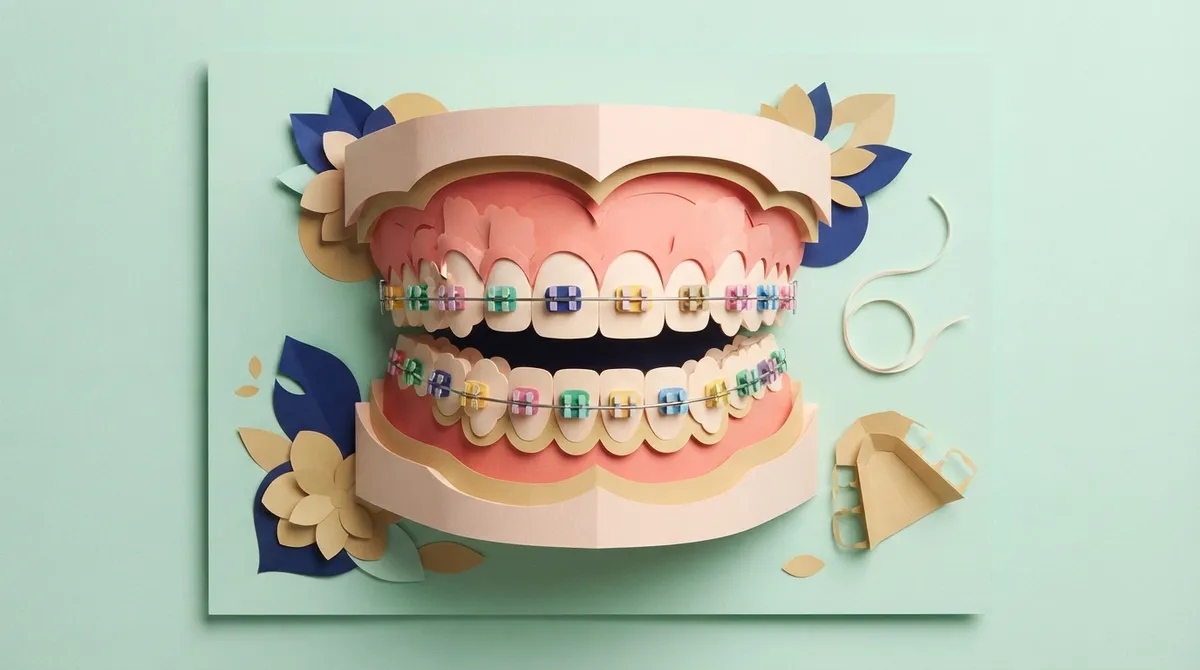
Braces for upper and lower teeth are a common part of comprehensive orthodontic care. Treating both arches helps your orthodontist straighten each tooth and also guide how your top and bottom teeth fit together. That bite connection matters just as much as a pretty smile.
In this friendly guide, we’ll walk through seven things every patient and parent should know before starting treatment. We’ll cover why both arches are often treated, which options exist, how long it takes, and how to care for your smile along the way. Let’s dive in!
1. What Braces for Upper and Lower Teeth Actually Mean
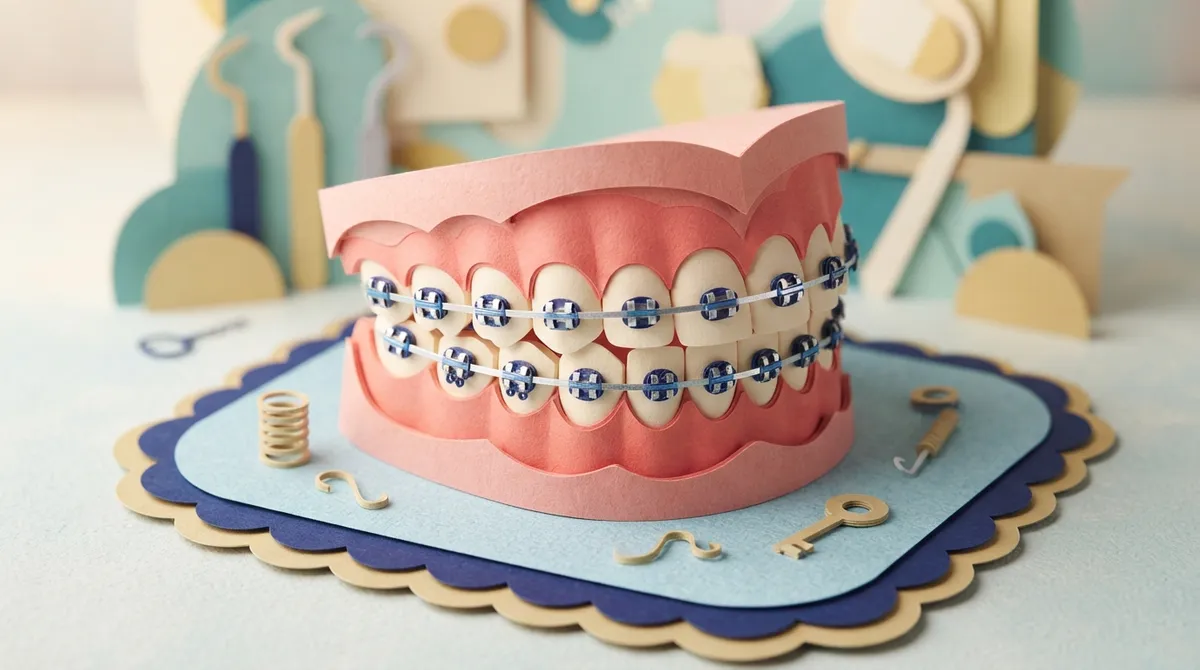
When people talk about braces for upper and lower teeth, they usually mean comprehensive orthodontic treatment. That simply means appliances are placed on both dental arches at the same time. It sounds like a big deal, but it’s a very routine plan.
With fixed braces, small brackets are bonded to your teeth. A thin archwire runs through those brackets and applies gentle, controlled pressure. Over time, your teeth move into better positions.
Think of it like a dance. Your top teeth and bottom teeth are partners, and they need to move in step. If only one partner learns the new moves, the whole routine can feel off. That’s why many treatment plans include both arches.
At Brockway Orthodontics, Dr. Brockway takes time to explain exactly what your plan includes, so you always know what to expect from start to finish. You can also read more in our guide to comprehensive orthodontic treatment.
2. Why Orthodontists Often Treat Both Arches
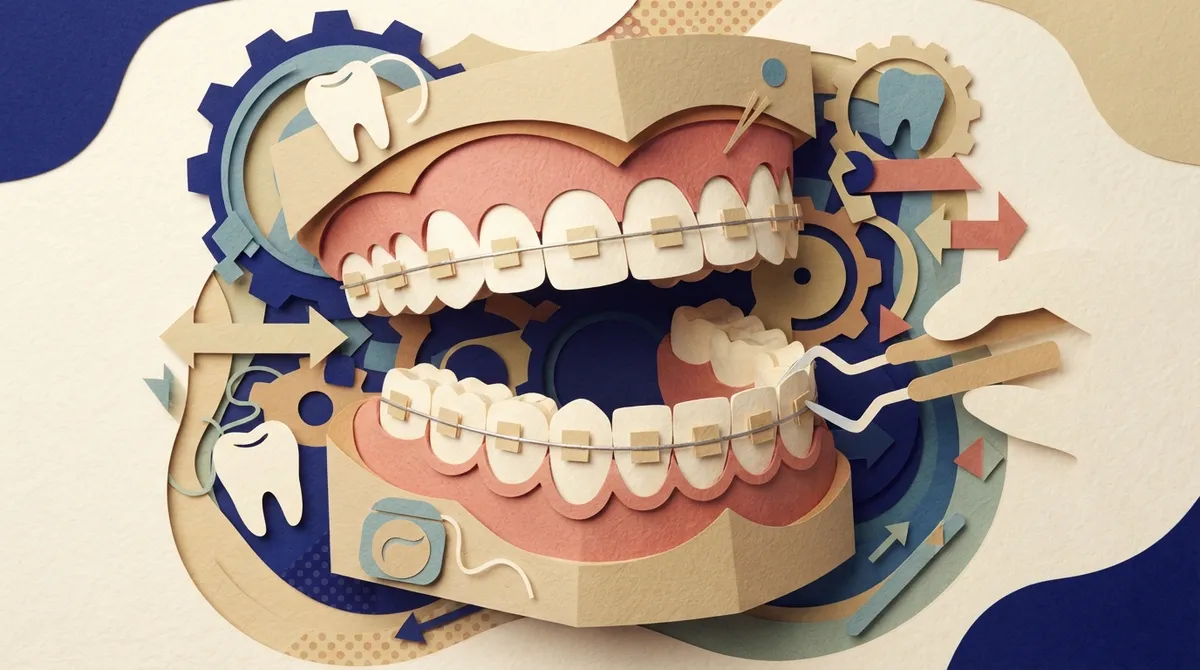
Straight teeth are wonderful, but a healthy bite is the real goal. When both arches are treated, your orthodontist can coordinate how the upper and lower teeth meet. Whether both are needed depends on your diagnosis, not just on which teeth look crooked.
Orthodontists may recommend treating both arches for concerns such as:
- Crowding: not enough room for teeth to sit straight
- Spacing: gaps between teeth
- Protruding teeth: front teeth that stick out
- Bite problems: overbite, underbite, crossbite, or open bite
If you’re curious about bite issues, our article on how braces fix a deep overbite explains how the two arches work together. You can also learn about crossbite treatment if your top and bottom teeth don’t line up the way they should.
3. Can You Get Braces on Just One Arch?
Great question, and one we hear a lot! Sometimes, yes. In certain cases, treatment on only the upper or lower arch can work. This is more likely when the bite is already healthy and only a few teeth need attention.
However, moving one arch can change how your teeth fit together. An orthodontist needs to check whether treating just one side will create a new bite problem. That’s why an exam comes first, before any plan is made.
We cover this topic in more detail in braces on only one arch: when it works. The short version: it’s possible for some patients, but it’s never a guess.
4. Your Appliance Options: Metal, Ceramic, and Clear Aligners
Today’s patients have more choices than ever. The right appliance depends on your clinical needs, your lifestyle, and your goals. Here’s a quick side-by-side look.
| Option | How It Works | Best For | Things to Consider |
|---|---|---|---|
| Metal braces | Metal brackets and archwires bonded to teeth | Many bite and alignment needs, including complex cases | Most visible option; very reliable |
| Ceramic (clear) braces | Tooth-colored brackets with archwires | Teens and adults wanting a less noticeable look | Need careful cleaning to keep a fresh look |
| Spark™ Clear Aligners | Removable, nearly invisible custom trays | Suitable cases where patients follow wear instructions | Must be worn as directed; not right for every case |
Brockway Orthodontics offers all three. Our team offers Spark™ Clear Aligners as a more affordable alternative to Invisalign, along with metal braces and ceramic braces. If you’re comparing, our guide on metal vs ceramic braces is a great place to start. You can also read braces vs. clear aligners for a closer look.
5. What to Expect During Treatment
Knowing the steps takes away a lot of nerves. Here is the typical path for braces on both arches.
- Orthodontic assessment: Your orthodontist examines your teeth, jaws, and bite.
- Records: Photos, digital scans or impressions, and X-rays may be taken to plan treatment.
- Treatment plan: You learn about the planned tooth movements, expected time, alternatives, and risks before anything begins.
- Braces placement: Brackets and wires are placed on your upper and lower teeth.
- Adjustment visits: You return regularly so your orthodontist can track progress and fine-tune the plan.
- Finishing and retention: Braces come off, and retainers help keep your new smile in place.
At Brockway Orthodontics, we use modern tools like digital impressions instead of messy molds and 3D imaging to plan your care precisely. In certain cases, same-day treatment may even be possible. Curious about your first visit? Check out what to expect at your first orthodontist appointment.
6. How Long Do Braces on Both Arches Take?
Everyone wants to know the timeline, so let’s be real about it. Many treatment plans last around 18 to 24 months. Some cases are shorter, and some take longer. Complex bite problems, missed appointments, broken brackets, and poor cleaning can all add time.
Here’s how some trusted sources describe typical timing:
- An NHS orthodontic leaflet reports an average of 18 to 24 months, with longer times for complex cases.
- The American Dental Association notes that many people are in treatment for one to three years, followed by retainer wear.
- Some clinics schedule visits about every six to eight weeks, though this varies by provider and plan.
Please remember that these are general ranges, not promises. Your own estimate should come from your treating orthodontist after an exam. For more detail, see our article on how long you have to wear braces. Treatment length can also shape your costs, which we explain in how treatment length affects orthodontic costs.
7. Daily Care, Comfort, and Retainers
Here’s the part that makes the biggest difference in your results: what you do every day. Braces work best when you pair them with good habits.
Managing Soreness
Your teeth may feel sore for a few days after your braces are placed or adjusted. That’s normal and usually temporary. Soft foods and orthodontic wax for rubbing spots can help. Our guide on easing braces discomfort shares more ideas.
Keeping Teeth Clean
Plaque loves to hide around brackets. Skipping careful cleaning can lead to gum inflammation, cavities, or permanent white or brown marks on enamel. Try these habits:
- Brush after meals, paying attention to the gumline and around each bracket
- Floss daily using a floss threader or similar tool
- Avoid hard and sticky foods that can bend wires or pop off brackets
- Keep up with regular dental cleanings
Need a how-to? Our article on brushing teeth with braces walks you through it, and what you can eat with braces keeps snack time stress-free.
Retainers Are Not Optional
After active treatment, retainers help hold your teeth in their new spots. Teeth can shift over time, so follow your orthodontist’s retainer instructions closely and keep up with routine dental care. Our retainer care guide and the article on fixed vs. removable retainers can help you choose and care for yours.
Who Benefits Most From Braces on Both Arches?
Braces for upper and lower teeth aren’t just for one age group. Here’s how different patients often experience treatment.
- Kids and teens: Growing jaws and permanent teeth make the teen years a popular time for treatment. Parents can read our braces for teenagers facts.
- Young adults and professionals: Many want a discreet look, so ceramic braces or clear aligners are popular picks. See facts that prove adults can get braces.
- Retreatment patients: If your teeth have shifted after past treatment, a fresh plan can help. Learn about orthodontic relapse warning signs.
- Health-conscious patients: If you have gum concerns or complex dental needs, a customized plan matters. Read why gum health matters before adult braces.
Planning for Cost and Payments
Cost is a real part of the decision, and it varies from person to person. The final price depends on your appliance, the complexity of your case, and your treatment length. The best way to get a real number is a consultation with a written fee breakdown.
Many families use payment plans or dental insurance to make care more manageable. Explore how to use dental insurance to help pay for braces or look at monthly payment plans for braces. Our team is happy to walk you through your options so there are no surprises.
Why Choose Brockway Orthodontics in Clearwater?
When you’re picking an orthodontist, you want someone who listens. Dr. Brockway truly cares about your journey. She takes time to hear your concerns and your dreams for your smile, so you feel comfortable and informed from start to finish.
We celebrate families here! Whether it’s a teen getting first braces or an adult exploring a discreet smile makeover, our treatments are designed for the whole family. Dr. Brockway also has real love for our Clearwater community, and she’s always looking for ways to improve the care we offer.
Curious what neighbors are saying? See what our Brockway Orthodontics patients say on Google, and learn more about Dr. Brockway. For national standards in dental care, you can also browse resources from the American Dental Association and the Florida Association of Orthodontists.
Ready to Start Your Smile Journey?
Braces for upper and lower teeth can feel like a big step, but with the right team, it’s an exciting one. You’ll gain a healthier bite, easier cleaning, and a smile you’re proud to show off. The first move is simply an exam to learn what your teeth need.
Ready to take that first step? Book your free consultation online and let’s talk about your smile goals. Prefer to chat first? You can always contact our friendly team with any questions. We can’t wait to meet you!
FAQs
Q: Do I need braces on both my upper and lower teeth?
A: Not always, but many patients do. Treating both arches lets your orthodontist straighten each tooth and coordinate how your top and bottom teeth meet. A quick exam is the best way to find out what your smile needs.
Q: Do braces on upper and lower teeth hurt?
A: Braces usually cause mild soreness for a few days after they’re placed or adjusted, and that feeling fades as you adjust. Soft foods and orthodontic wax can make things much more comfortable. If you ever feel sharp pain or a wire poking you, give us a call!
Q: How long does treatment with braces on both arches take?
A: Many plans last around 18 to 24 months, though some cases are shorter or longer. Your timeline depends on your bite, your cleaning habits, and keeping your appointments. Your orthodontist can give you a personal estimate after your exam.
Q: Will I need a retainer after braces?
A: Yes, retainers are an important part of treatment. Teeth can shift over time, and a retainer helps keep your new smile right where you want it. Your orthodontist will explain exactly when and how to wear yours.
Q: What’s the difference between metal braces, ceramic braces, and clear aligners?
A: Metal braces use metal brackets and wires, ceramic braces use tooth-colored brackets for a subtler look, and clear aligners are removable, nearly invisible trays for suitable cases. The best choice depends on your clinical needs and lifestyle. We’ll help you compare them at your consultation.
Our Service Area